
Presentatie van Maria in de tempel — History & Facts
What if beauty was never meant to be finished? In the delicate interplay of light and shadow, Presentatie van Maria in de tempel invites us into a world where the divine and the mundane intertwine, revealing an obsession with purity and reverence. Look to the upper left corner, where the soft glow of a heavenly aura surrounds the young Mary, her expression a blend of serenity and anticipation. Notice how the artist employs intricate line work, drawing your eye through the crowd that fills the temple. Each figure is meticulously rendered, their gestures ranging from reverent bows to pensive stares, creating a dynamic rhythm across the canvas.
The subdued palette of earthy tones allows the figures to emerge from the background, emphasizing the sacredness of the moment while underscoring the solemnity of the gathering. Yet beneath the surface, there is a tension between the joyous and the somber. The meticulous detail of the ornate architecture contrasts with the vulnerability of the young Mary, symbolizing the weight of destiny that rests upon her shoulders. Additionally, the varying expressions of the onlookers suggest a multitude of emotions - awe, envy, and hope - creating a dialogue that transcends the canvas.
This complexity offers a glimpse into the human condition, where beauty is intertwined with the burden of expectation. In the early 1630s, Jacques Callot was deeply engaged with themes of spirituality and existential inquiry, influenced by the socio-political landscape of Europe at that time. Working in Nancy, he created Presentatie van Maria in de tempel amidst a period that saw the Catholic Church’s reaffirmation of religious art during the Counter-Reformation. This painting reflects not only his artistic mastery but also an enduring quest to capture the divine in the human experience.
More Artworks by Jacques Callot
Browse all →
Titelprent voor de prentreeks 'De kleine apostelen' (Het martelaarschap van de apostelen)
Jacques Callot
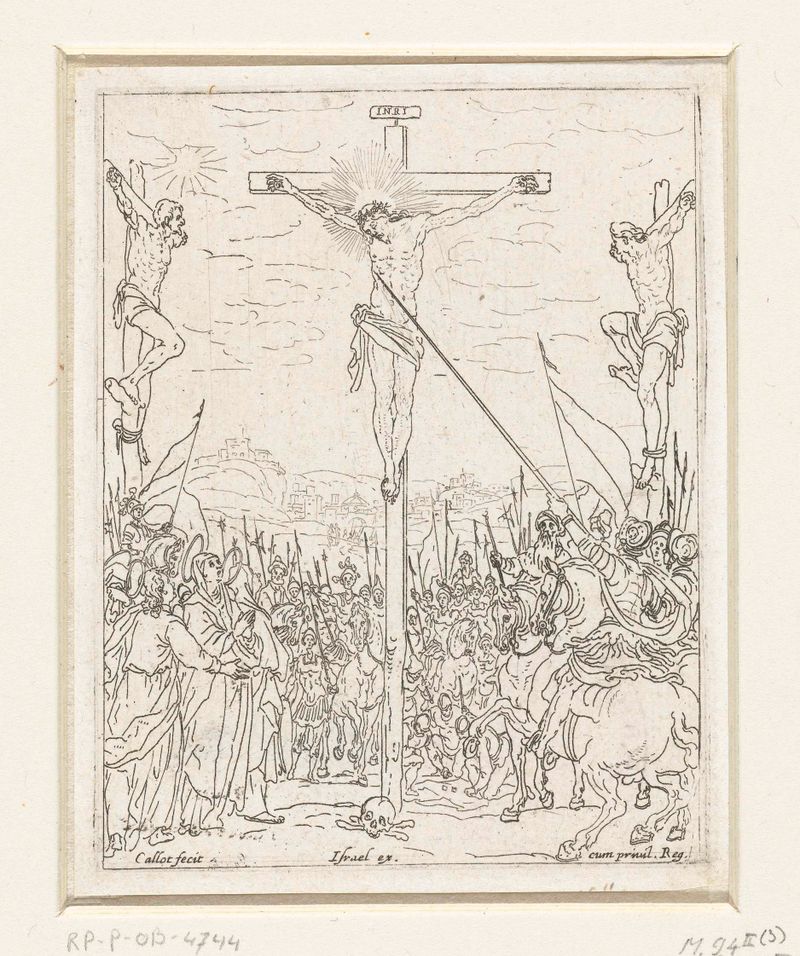
Kruisiging
Jacques Callot

De doortocht door de Rode Zee
Jacques Callot

De verloren zoon als zwijnenhoeder
Jacques Callot

Annunciatie
Jacques Callot
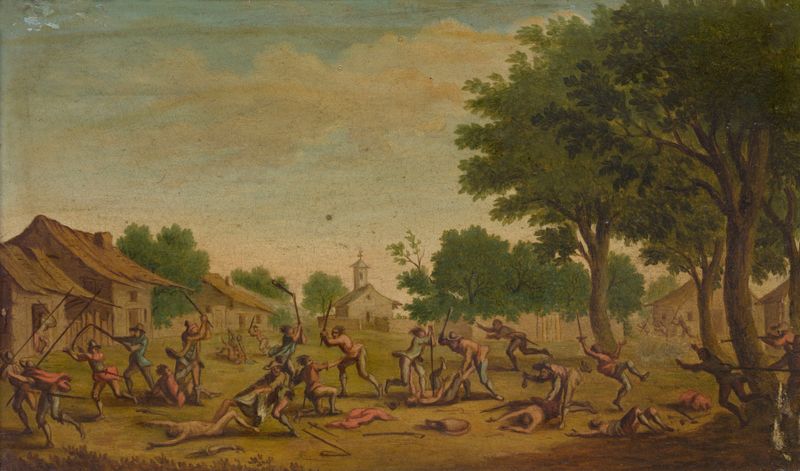
Village Fight
Jacques Callot

Titelprent voor prentreeks 'Het leven van Maria'
Jacques Callot
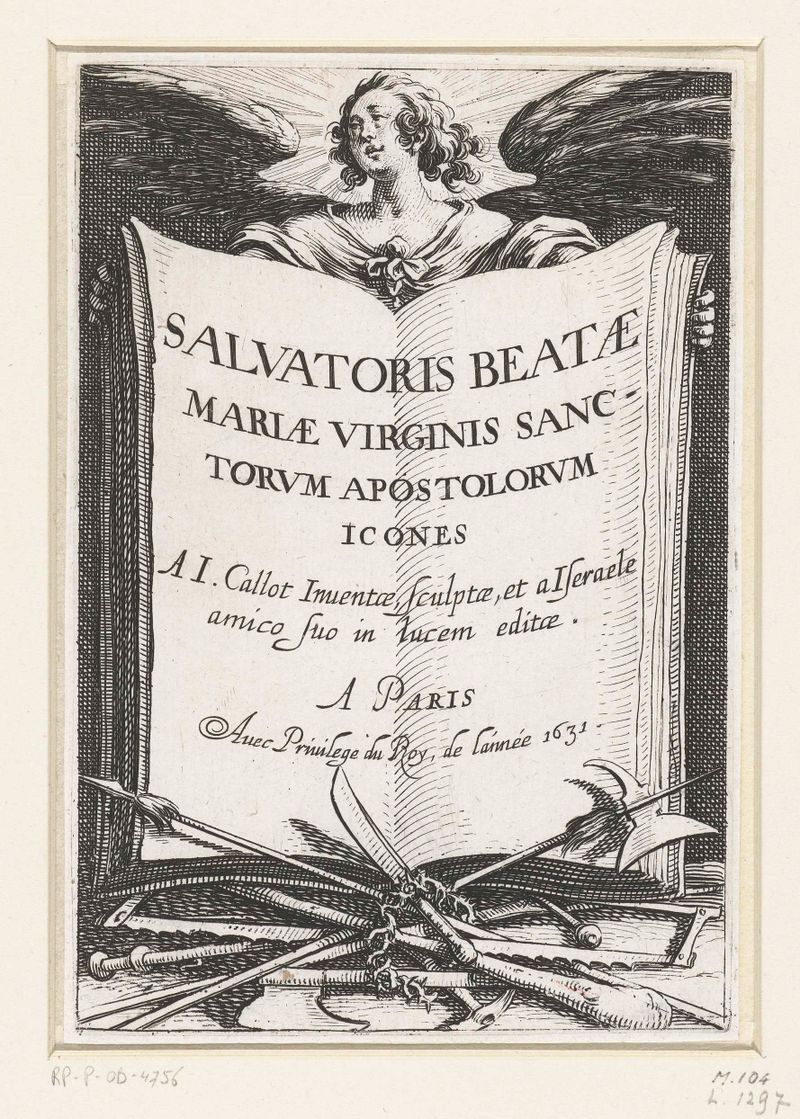
Titelprent voor de prentreeks 'De grote apostelen' (Christus, Maria en de apostelen)
Jacques Callot

Christus aan het volk getoond (Ecce homo)
Jacques Callot
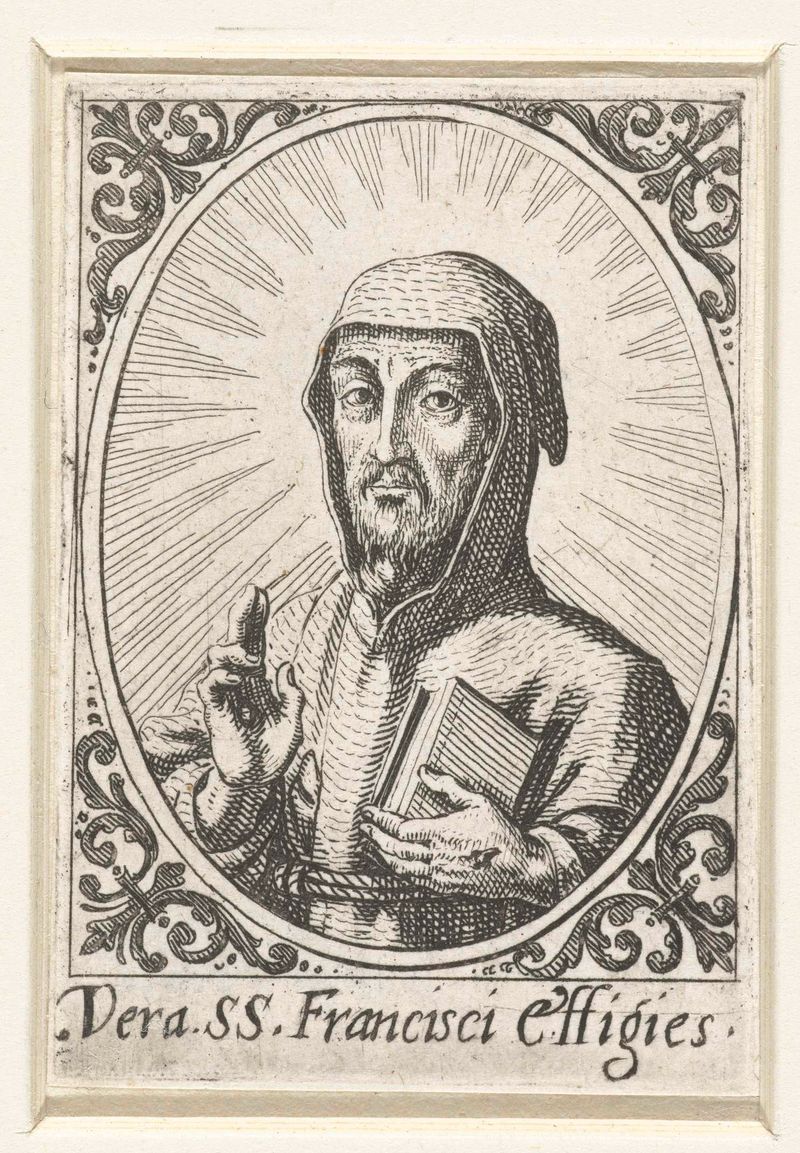
Portret van de Heilige Franciscus
Jacques Callot
More Religious Art
Browse all →
The Return of the Prodigal Son
Rembrandt van Rijn

The Garden of Earthly Delights
El Bosco

Count Orgaz’ funeral
El Greco

The Hundred Guilder Print: the central piece with Christ preaching, the plate arched
Rembrandt van Rijn

The Descent from the Cross
Rogier van der Weyden

The return of the prodigal son
Rembrandt van Rijn