
Priesters en Levieten vieren Pascha (Pesach) — History & Facts
In Priesters en Levieten vieren Pascha (Pesach), movement flows through the brushstrokes, intertwining the sacred and the somber. Focus on the figures in the foreground, where priests and Levites engage in a ceremonial feast. Their rich garments, rendered in deep blues and vibrant reds, contrast sharply with the muted tones surrounding them. Notice how the light captures the shimmering textures of their robes, highlighting the meticulous attention to detail that breathes life into this depiction.
The composition invites your gaze to meander from the focal point of celebration to the solemn expressions of the participants, establishing a tension that bridges joy and reverence. Hidden within the celebration lies a deeper narrative of tradition and transience. The animated gestures of the Levites, caught mid-motion, suggest an urgency that belies the calm exterior of the feast. Each element—the ornate goblets and the carefully arranged food—becomes a vessel for contrasting emotions, echoing the weight of history and the ephemeral nature of life itself.
This duality resonates throughout the scene, amplifying the sacredness of the occasion. In 1538, Holbein was in a dynamic period of his career while residing in England, having established himself as a leading portraitist of the Tudor court. Amidst the political shifts and cultural exchanges of the Reformation, he created this work, reflecting the intricate interplay of faith and society during a time of transformation in both art and religion. His ability to capture the essence of human experience continues to resonate, making his work a vital link to the past.
More Artworks by Hans Holbein (II)
Browse all →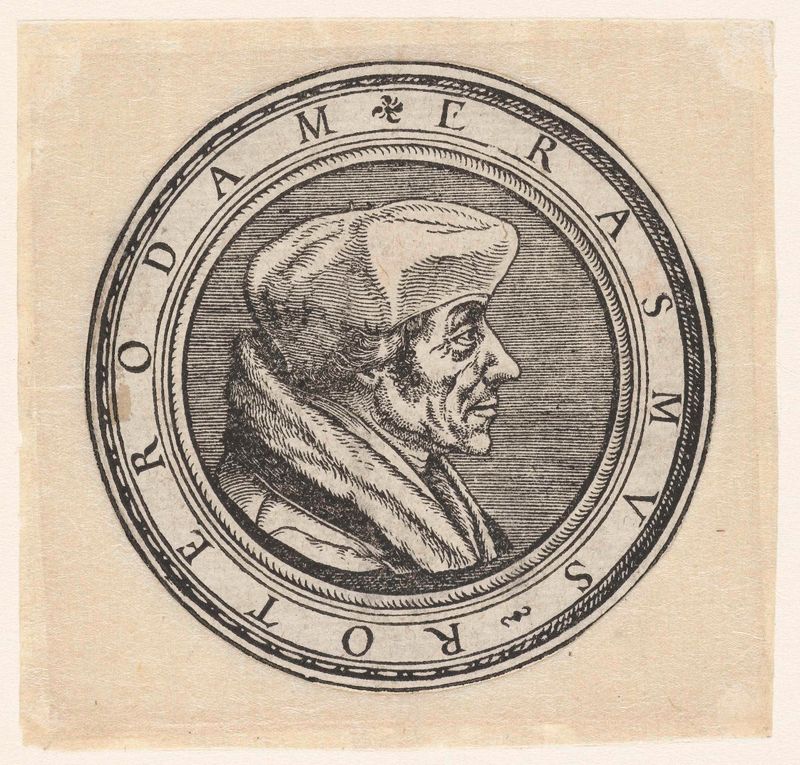
Portret van Erasmus
Hans Holbein (II)
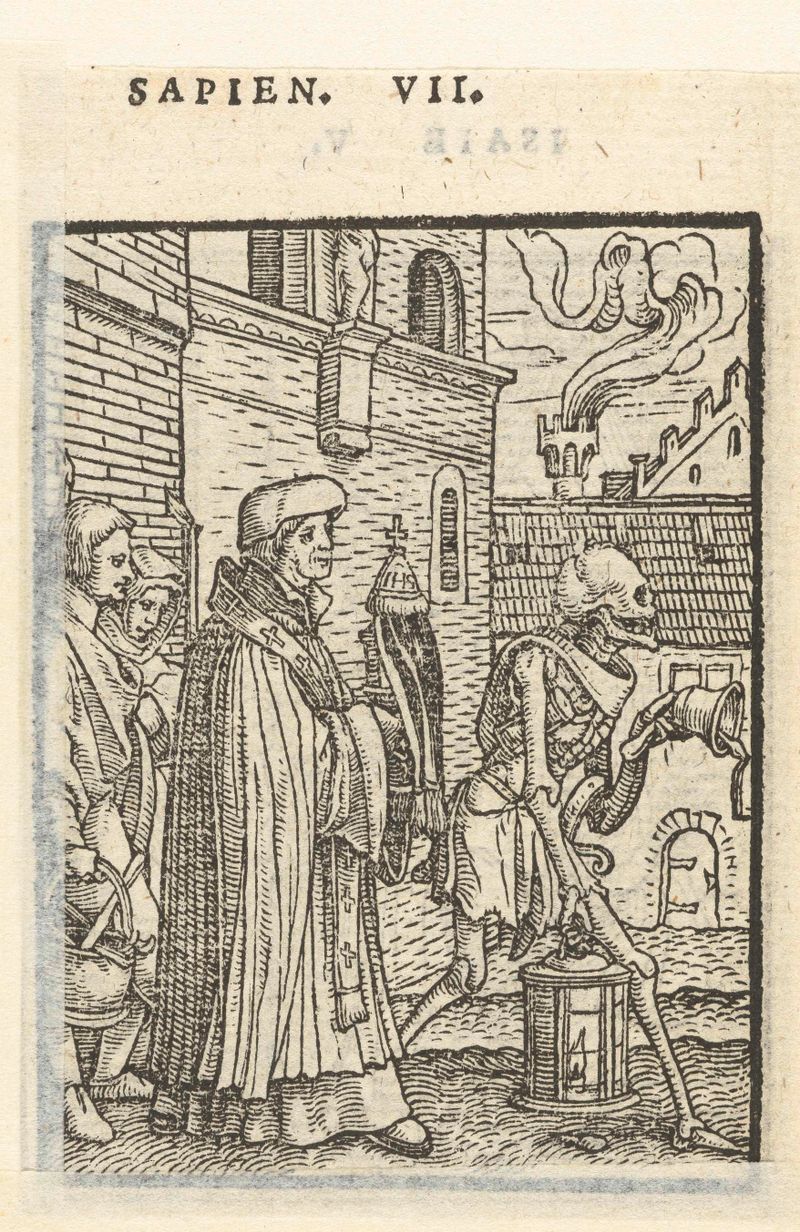
Priester en de Dood
Hans Holbein (II)
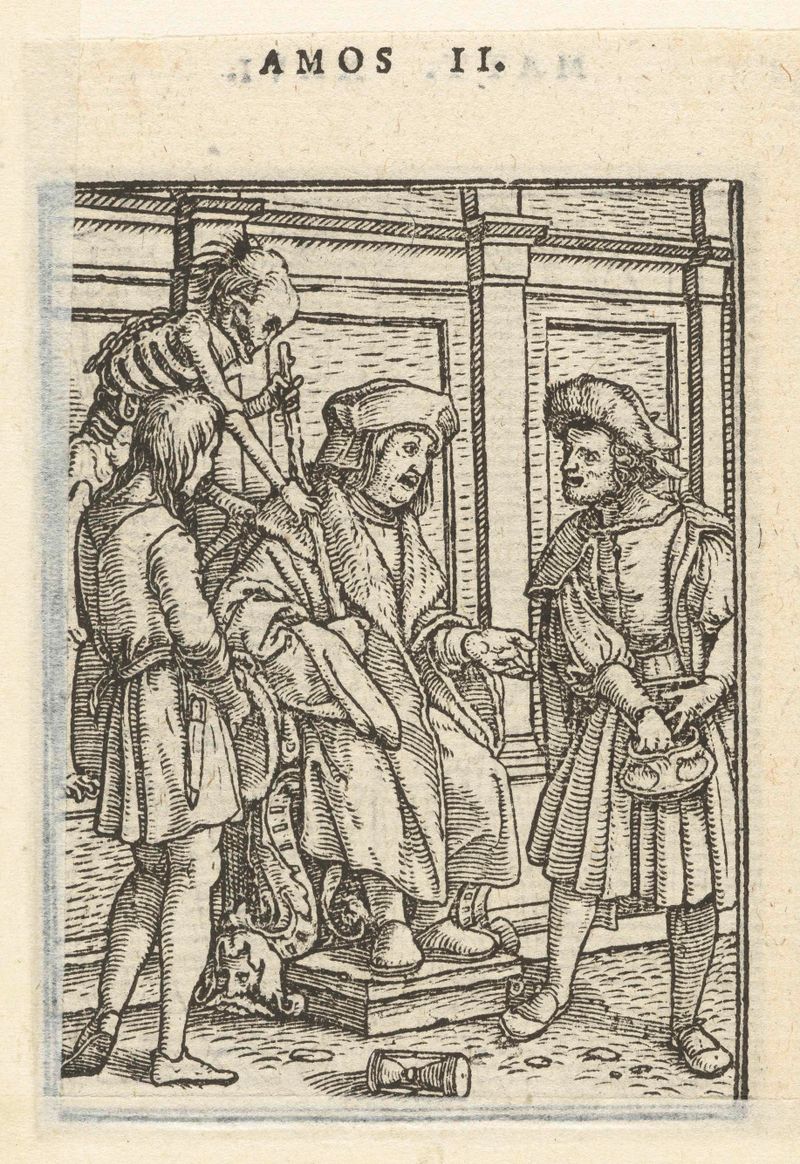
Rechter en de Dood
Hans Holbein (II)
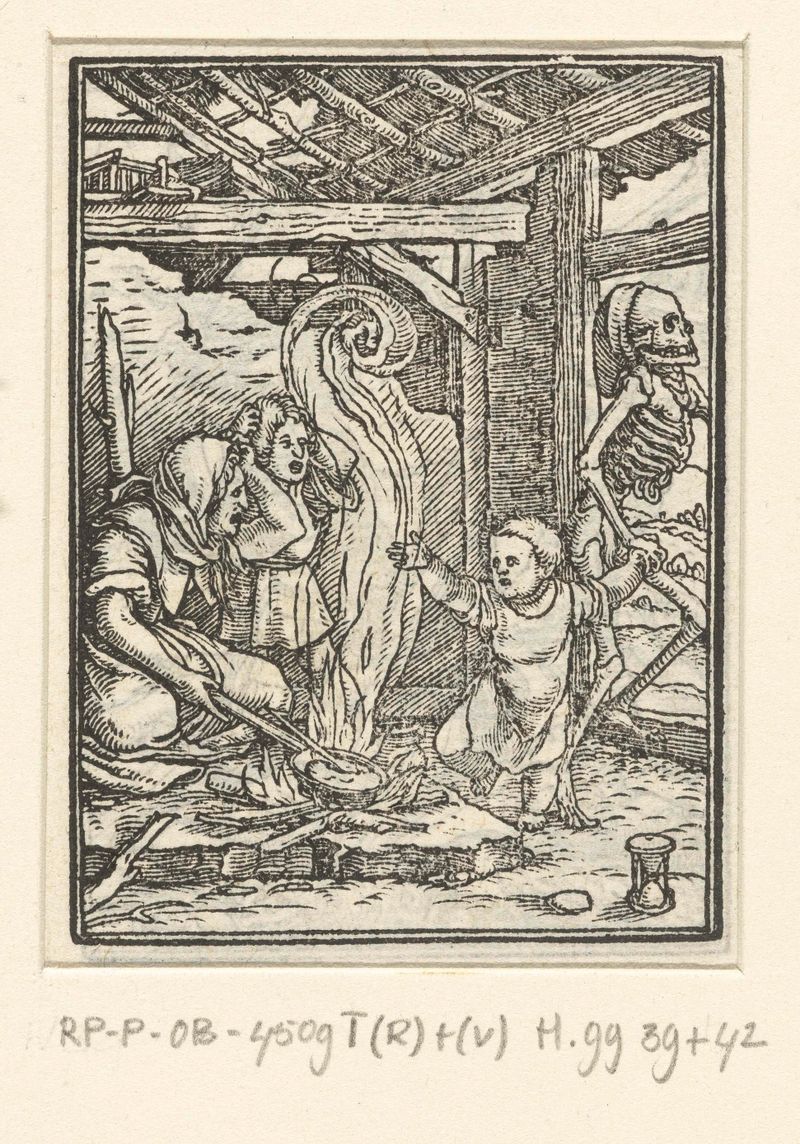
Kind en de Dood
Hans Holbein (II)
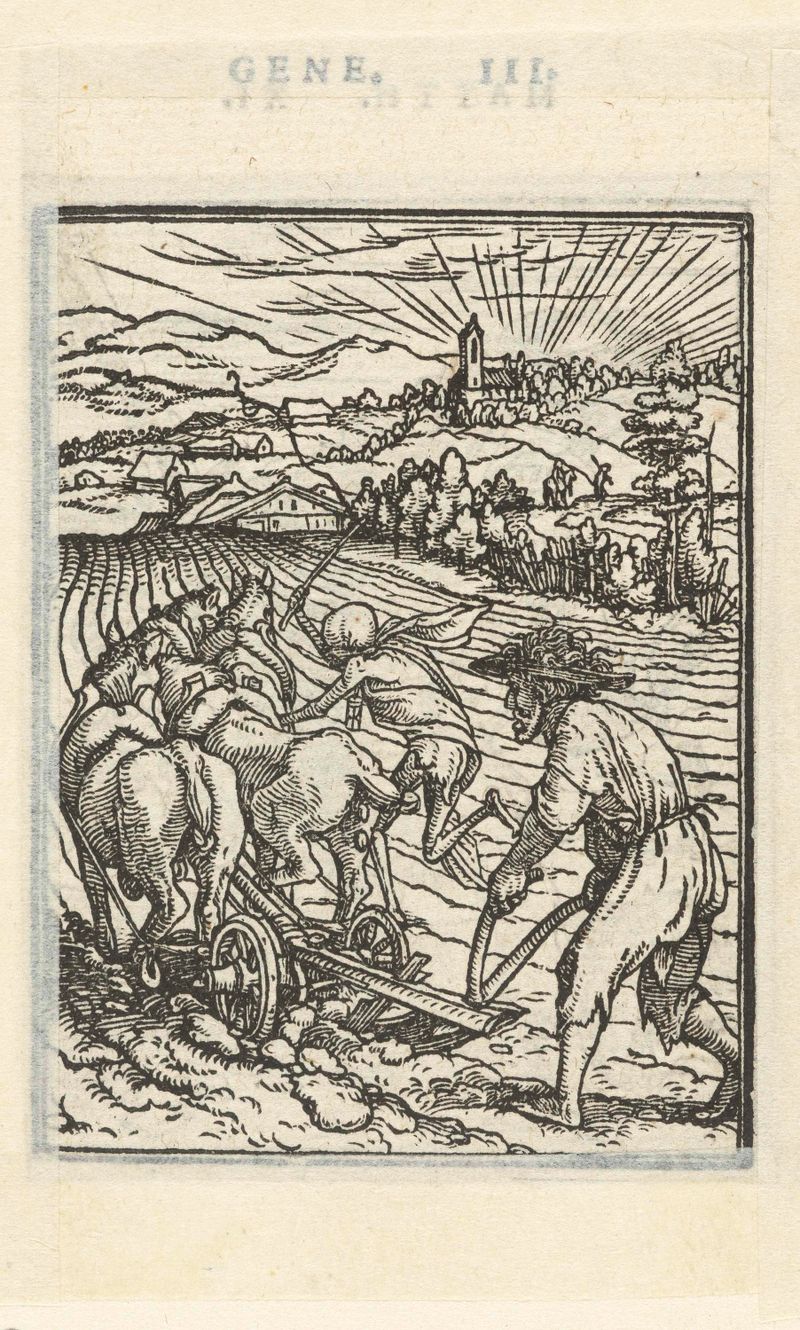
Boer en de Dood
Hans Holbein (II)
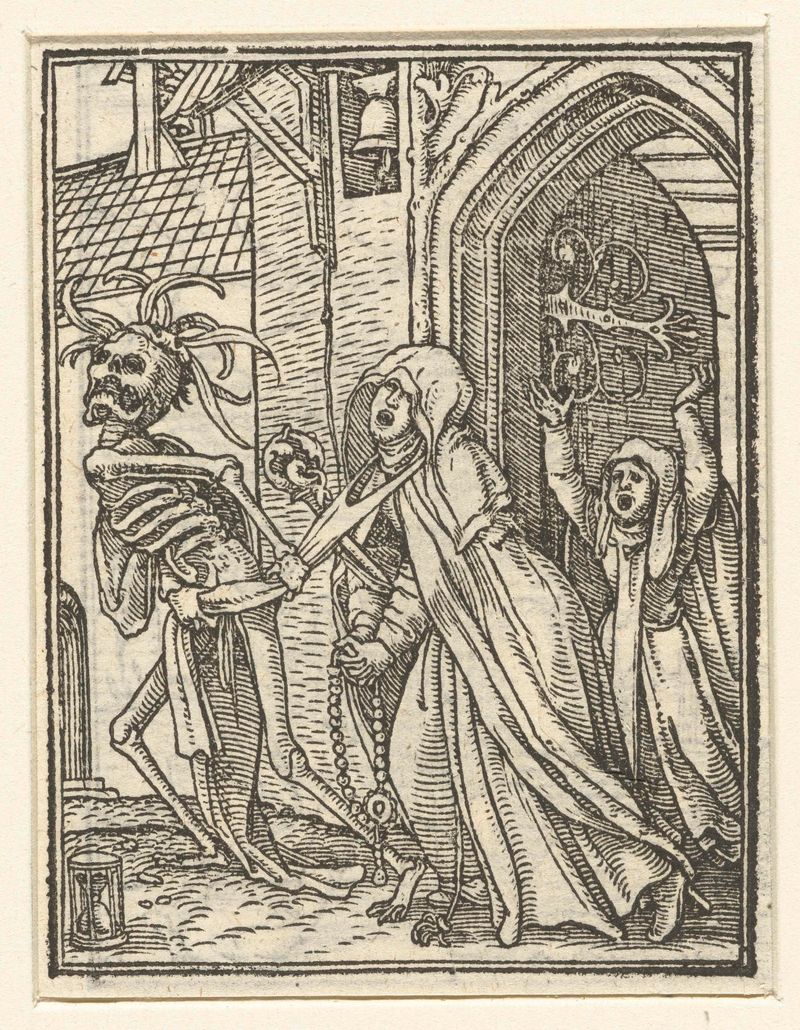
Abdis en de Dood
Hans Holbein (II)
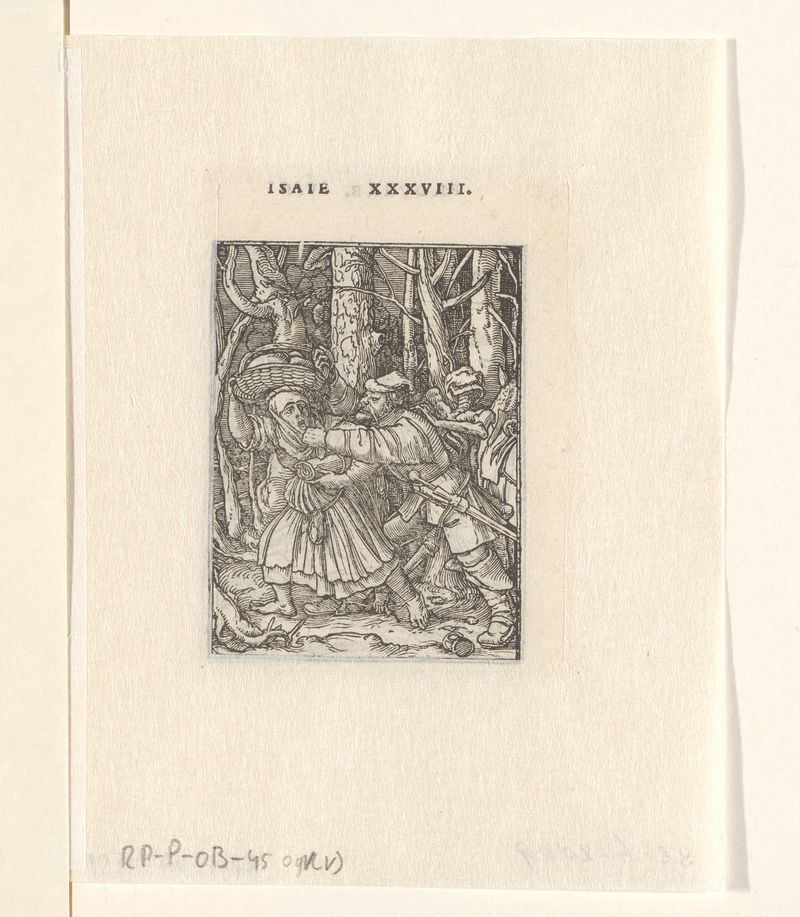
Dief en de Dood
Hans Holbein (II)
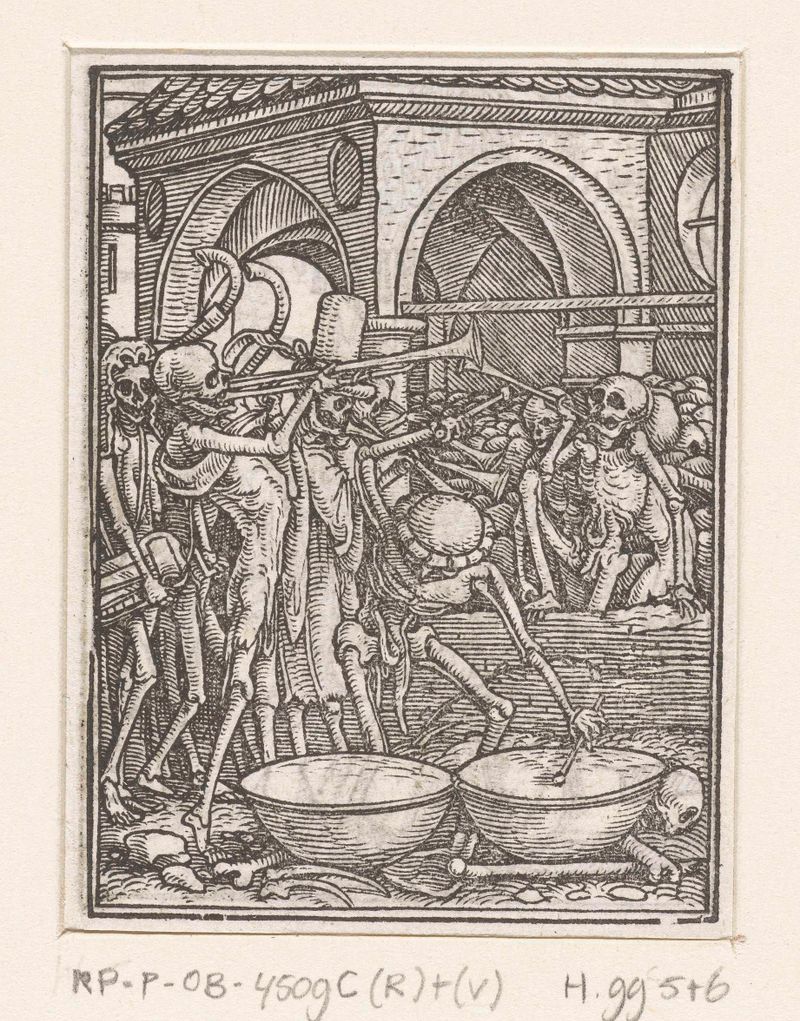
Skeletons Making Music from Dance of the Dead
Hans Holbein (II)
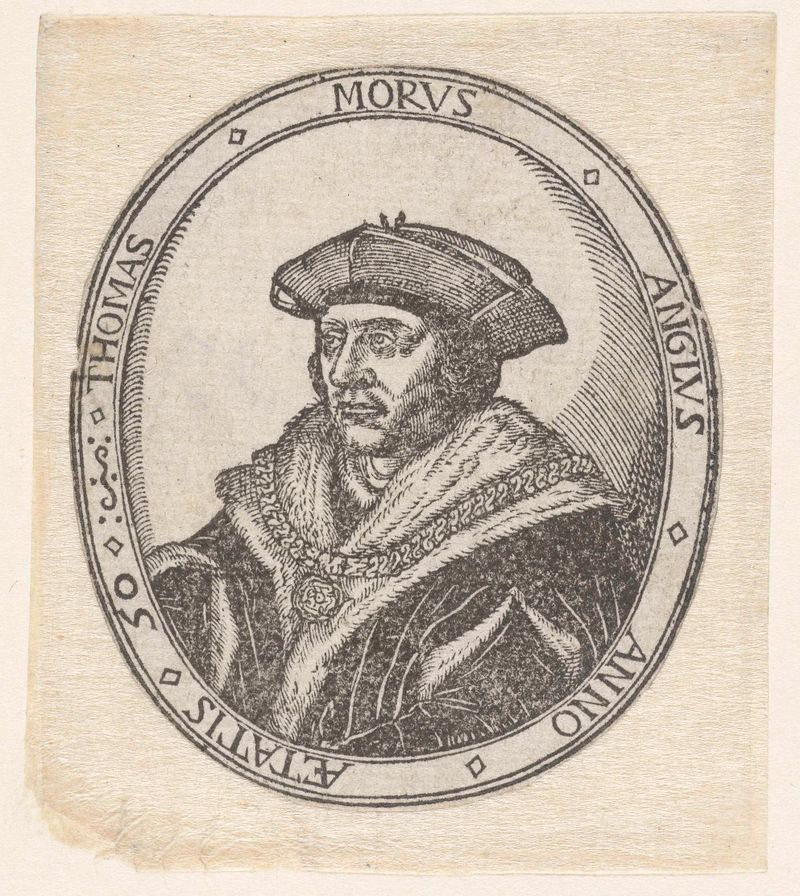
Portret van Thomas More
Hans Holbein (II)
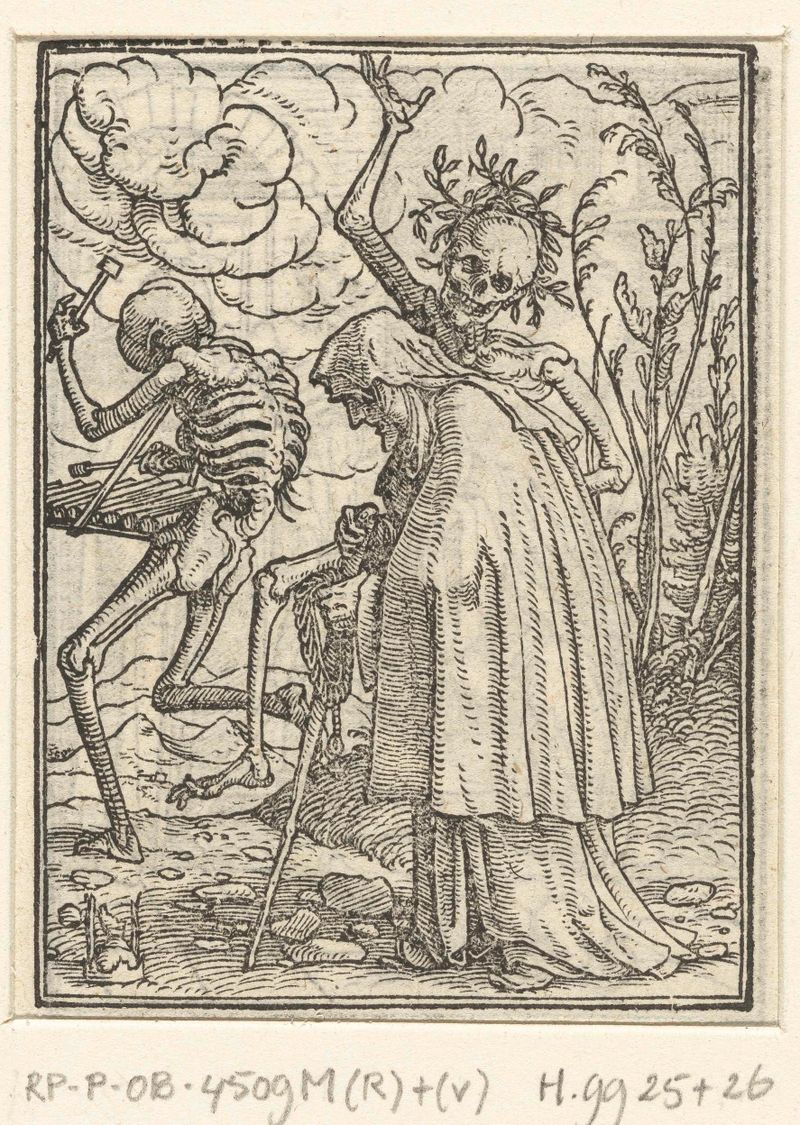
Oude vrouw en de Dood
Hans Holbein (II)
More Religious Art
Browse all →
The Return of the Prodigal Son
Rembrandt van Rijn

The Garden of Earthly Delights
El Bosco

Count Orgaz’ funeral
El Greco

The Hundred Guilder Print: the central piece with Christ preaching, the plate arched
Rembrandt van Rijn

The Descent from the Cross
Rogier van der Weyden

The return of the prodigal son
Rembrandt van Rijn