
Probably near Katahdin, autumn — History & Facts
In the splendid chaos of autumn, nature wrestles with fleeting madness, revealing both tranquility and turmoil in vibrant hues. Look to the upper left, where a dappled sky hangs heavy with the promise of change, painted in brooding blues and golds that seem to pulse with life. The foreground, a riot of fiery reds and oranges, invites the eye to wander, as if leading us deeper into a secret world. Notice how the light filters through the trees, casting intricate shadows that dance across the ground, creating a powerful contrast between the vivid foliage and the quiet, reflective waters below. This interplay of color evokes a sense of both awe and melancholy, as if the landscape is caught in a moment of existential reckoning.
The tumultuous beauty of the foliage suggests a fleeting glory, while the stillness of the water mirrors a deeper, perhaps unacknowledged, sorrow. The compositional balance between chaos and serenity invites contemplation on the fragile nature of existence, hinting at the madness of beauty itself. Frederic Edwin Church painted this piece between 1865 and 1870, during a period of personal and national reflection following the Civil War. Residing in Hudson River Valley, he was steeped in the Romanticism that sought to capture the sublime aspects of nature.
This work, a culmination of his fascination with dramatic landscapes, exemplifies his ability to merge beauty with an undercurrent of emotional complexity, reflecting the turbulent times of his life and the broader context of American art.
More Artworks by Frederic Edwin Church
Browse all →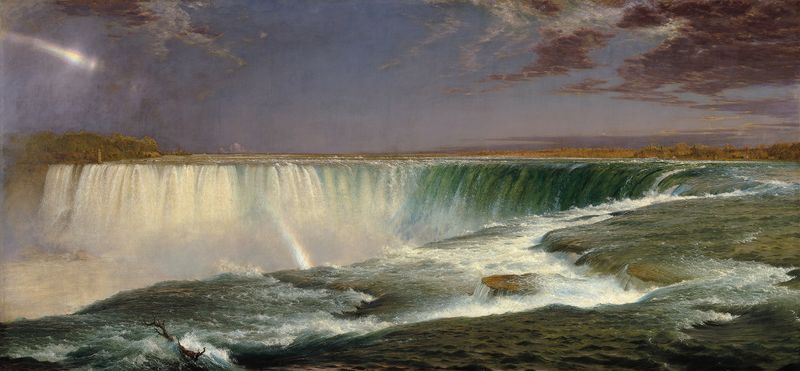
Niagara
Frederic Edwin Church
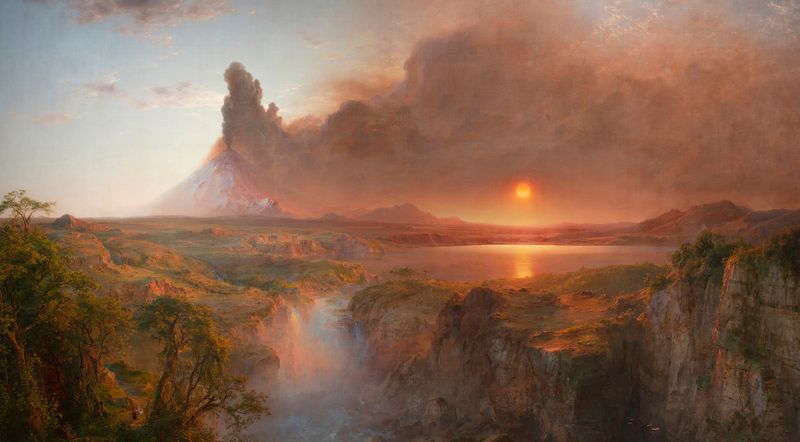
Cotopaxi
Frederic Edwin Church
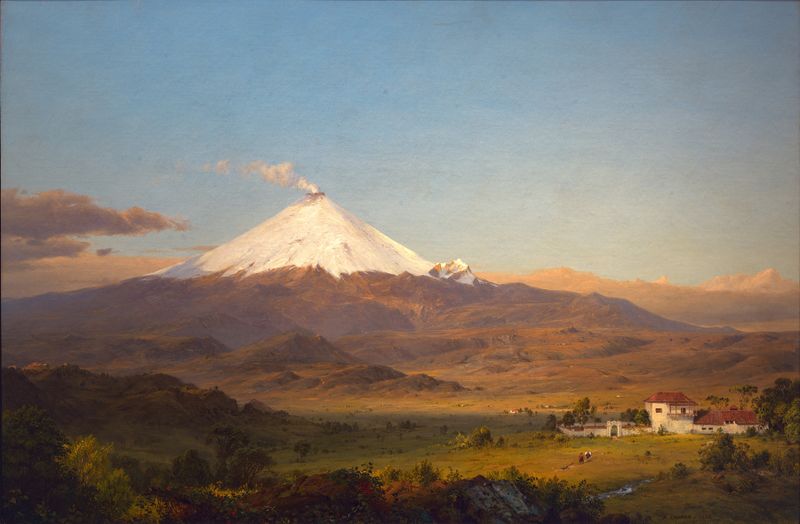
Cotopaxi
Frederic Edwin Church
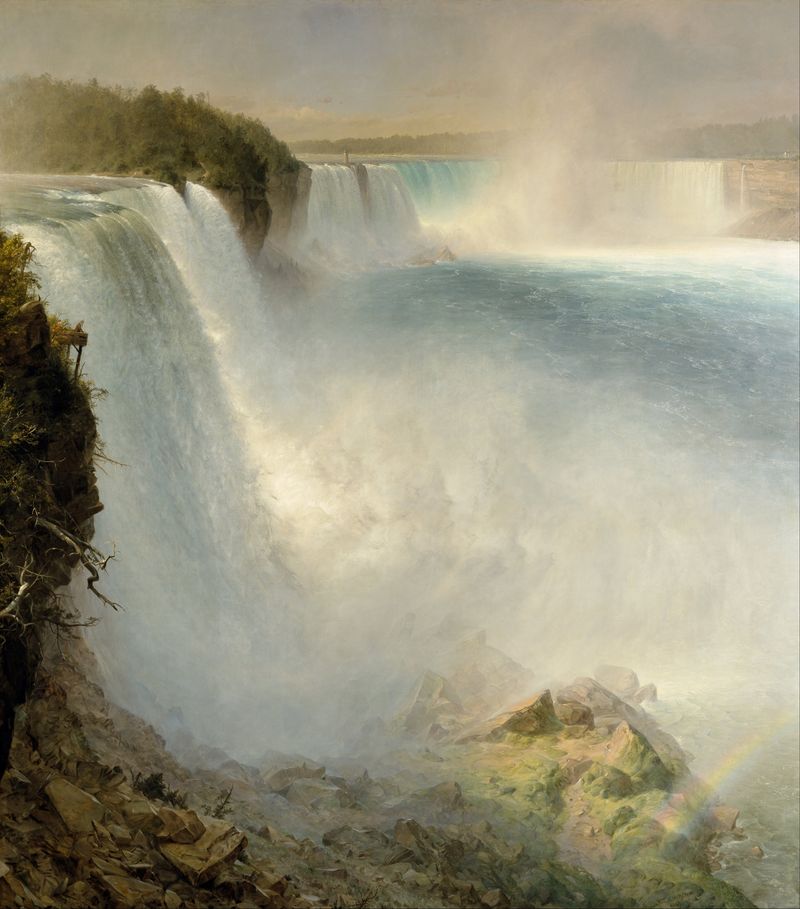
Niagara Falls, from the American Side
Frederic Edwin Church
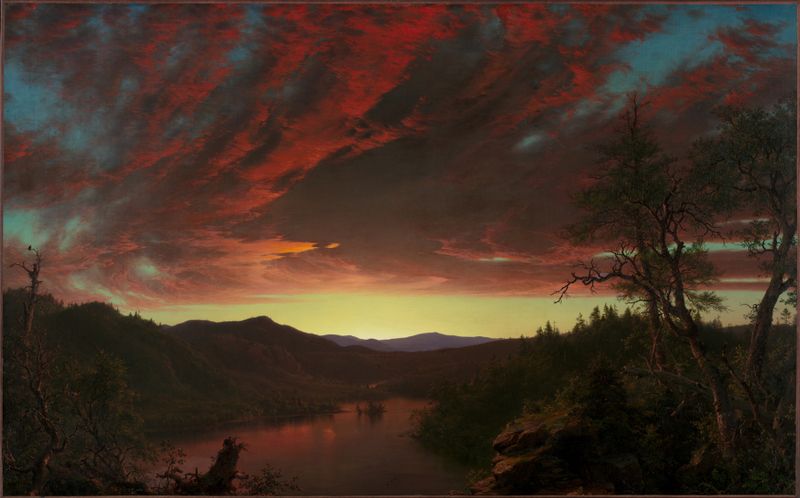
Twilight in the Wilderness
Frederic Edwin Church
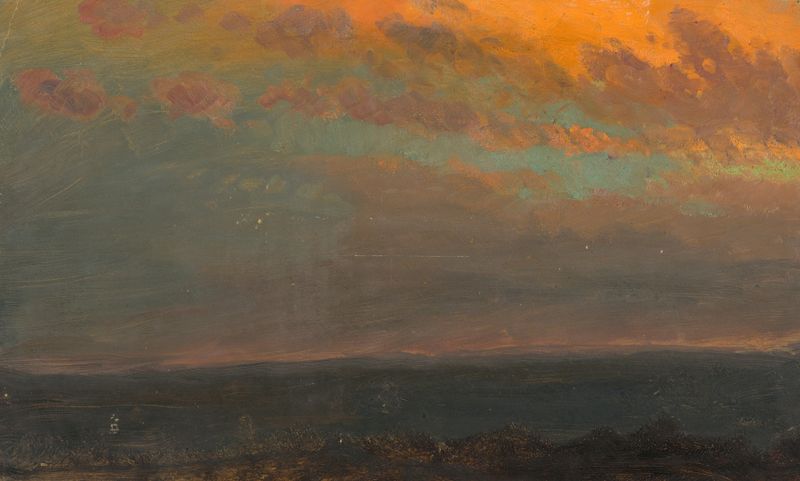
Hudson Valley at Sunset
Frederic Edwin Church
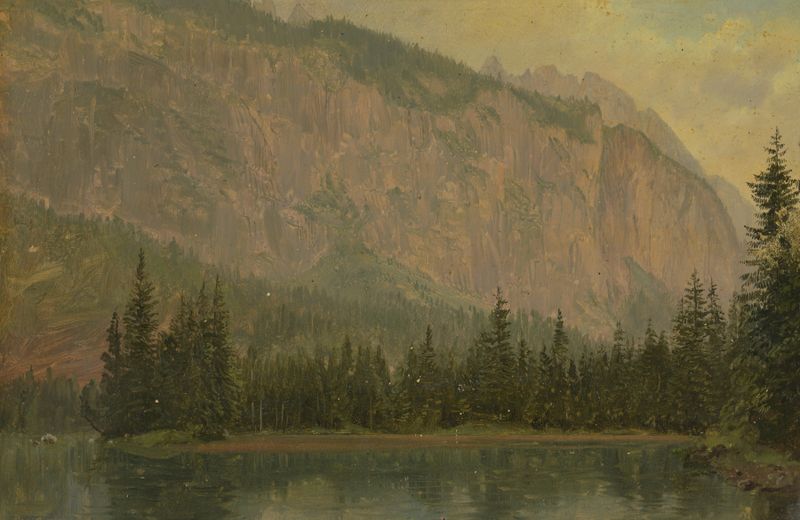
The Hintersee, near Berchtesgaden, Bavaria
Frederic Edwin Church
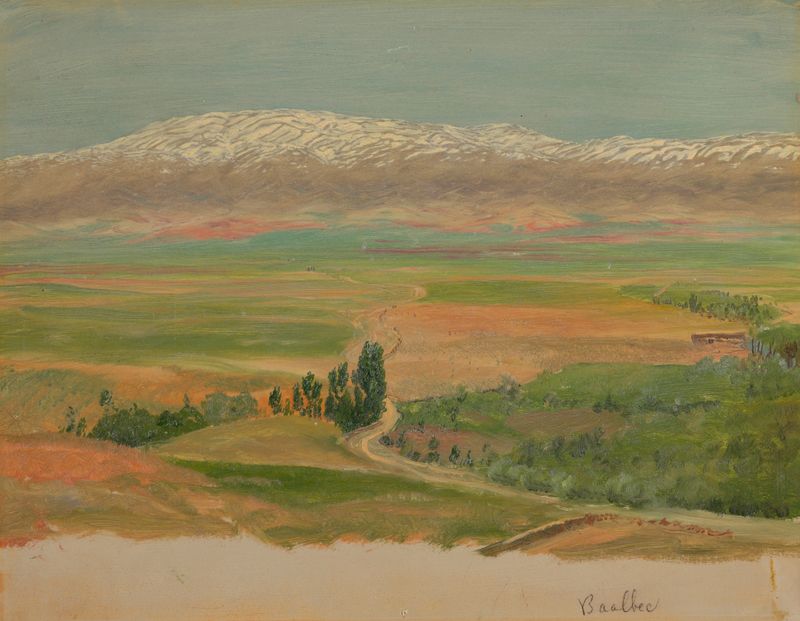
Mountains near Baalbec
Frederic Edwin Church
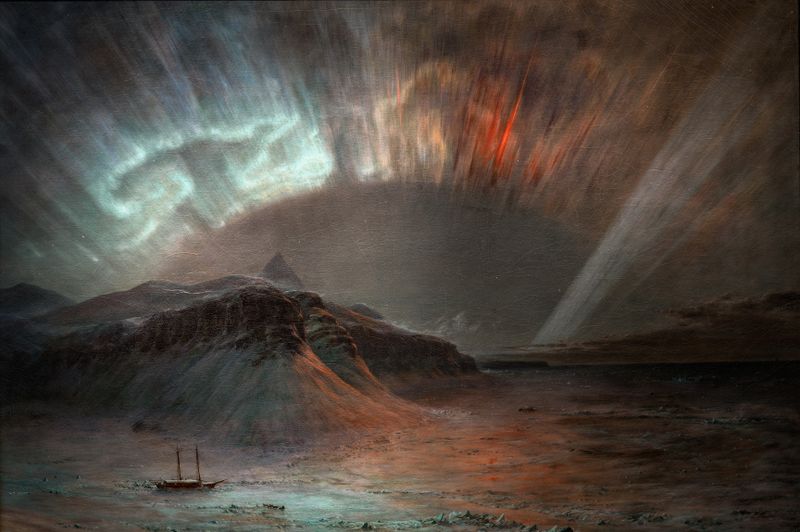
Aurora Borealis
Frederic Edwin Church
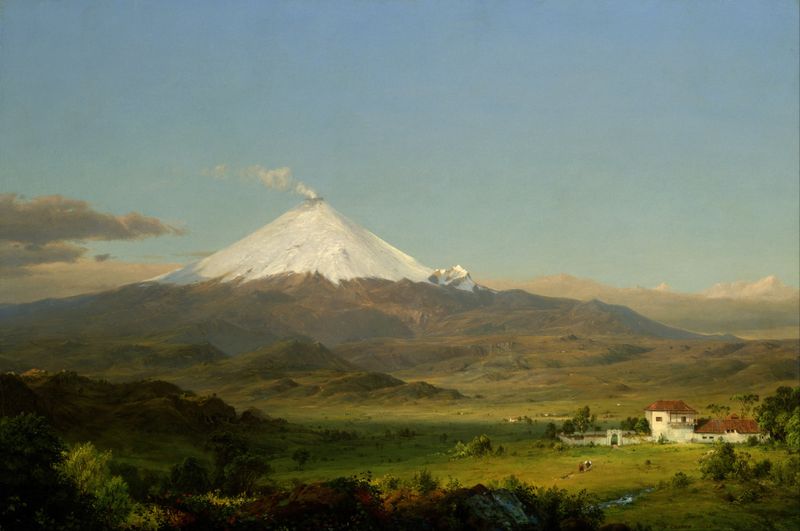
Cotopaxi
Frederic Edwin Church





