
Processie in de omgeving van Cerignola — History & Facts
When did color learn to lie? In a world where hues clash and merge in a cacophony of emotions, one must question the truths hiding beneath the surface. Focus on the multitude of figures gathered within the scene, their vivid attire a dance of reds, golds, and greens that creates an electric atmosphere. Look closely at the swirling sky, painted in turbulent strokes of gray and blue, hinting at the chaos that looms above the festive procession. Notice how the artist's deft brushwork captures the movement of the crowd, imbuing each figure with a sense of urgency and life, while the architecture recedes in softer tones, grounding the vibrant chaos. The juxtaposition of the lively procession against the darkening skies speaks volumes about the nature of celebration and the unseen turmoil that threatens it.
Each character, from the ornate horse-drawn carriage to the solitary figure on the periphery, embodies a narrative of joy and tension, a collective experience that hints at deeper societal unrest. The brilliance of color, while captivating, becomes a veil over the lurking anxieties of the time, revealing a paradox that invites further introspection. Abraham-Louis-Rodolphe Ducros created Processie in de omgeving van Cerignola in 1778 while residing in Rome, where he was influenced by the burgeoning neoclassical movement. This period saw a rise in interest in picturesque landscapes and historical themes, as artists sought to capture the essence of human experience amidst the grandeur of nature.
Ducros was part of a larger trend that sought to blend emotion with the idyllic, reflecting the dynamic tensions of his era through the chaos of color and form in his work.
More Artworks by Abraham-Louis-Rodolphe Ducros
Browse all →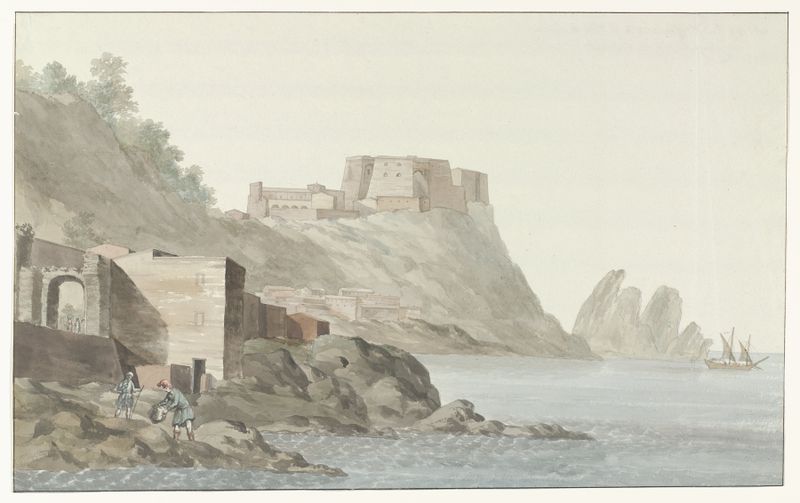
Rots en stad Scilla in de regio Calabrië aan de oostkust
Abraham-Louis-Rodolphe Ducros
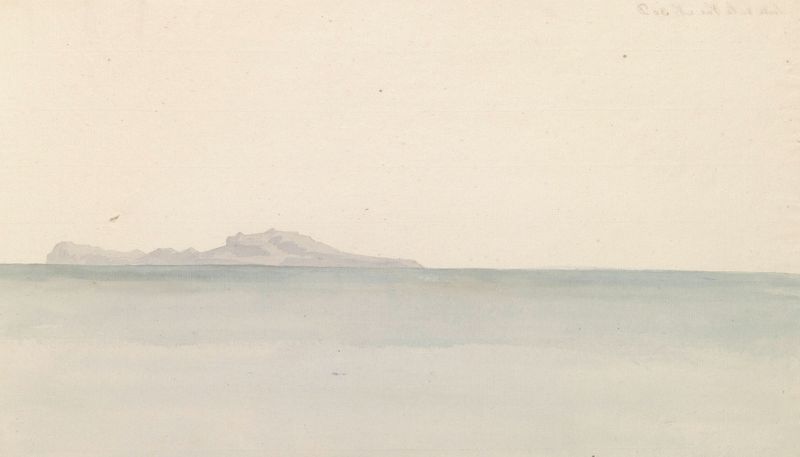
Gezicht op Golf van Napels vanaf kade bij kerk Santa Maria del Carmine
Abraham-Louis-Rodolphe Ducros
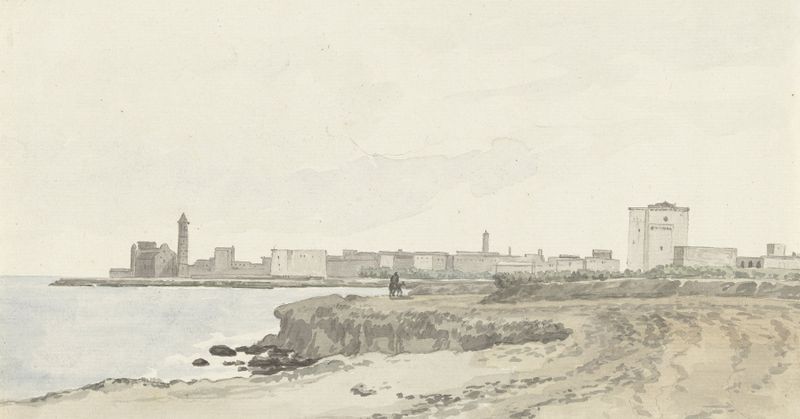
Gezicht op Trani gelegen aan de kust
Abraham-Louis-Rodolphe Ducros
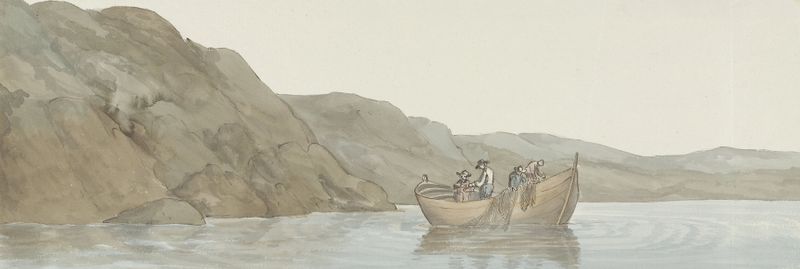
Gezicht op Kaap Paceco in Calabrië nabij de stad Scilla
Abraham-Louis-Rodolphe Ducros
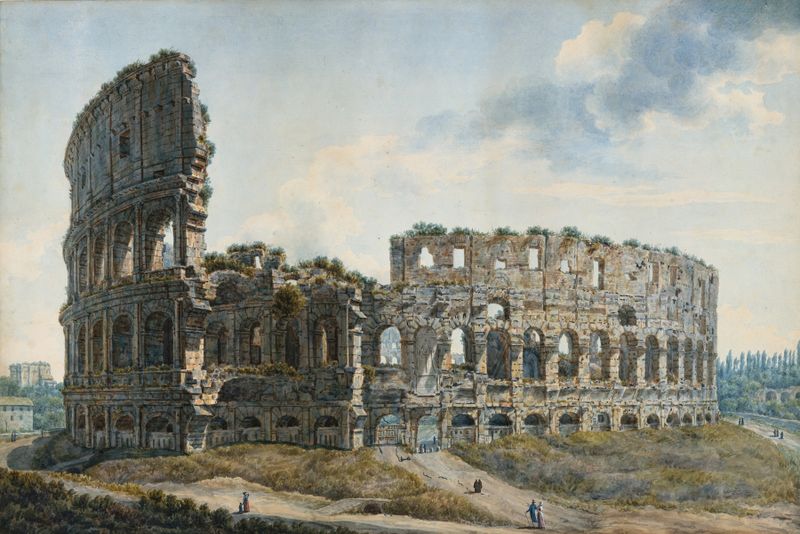
The Colosseum, Rome.
Abraham-Louis-Rodolphe Ducros
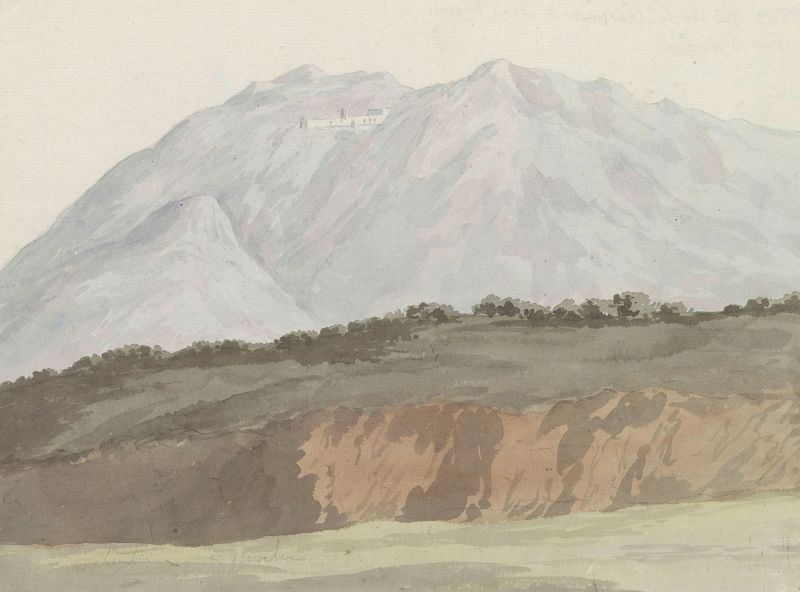
Gezicht op kartuizerklooster van Monte Vergine hoog gelegen boven Avellino
Abraham-Louis-Rodolphe Ducros
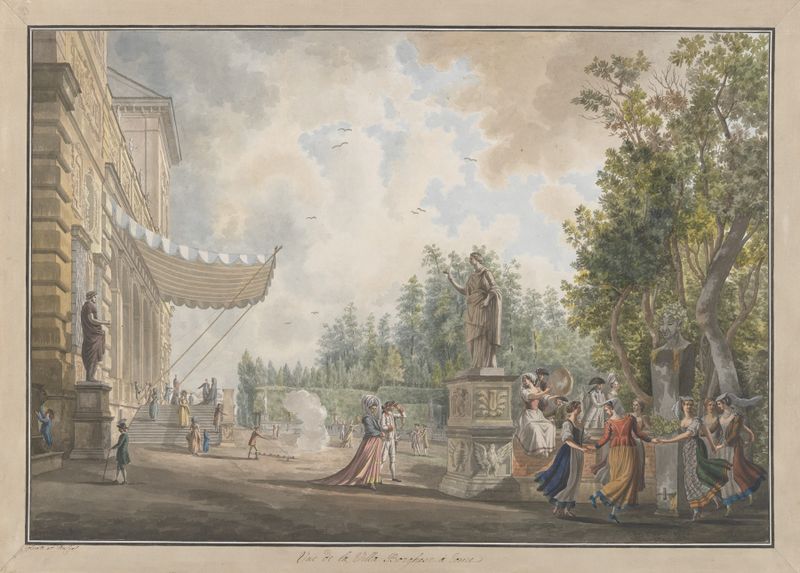
Villa Borghese
Abraham-Louis-Rodolphe Ducros
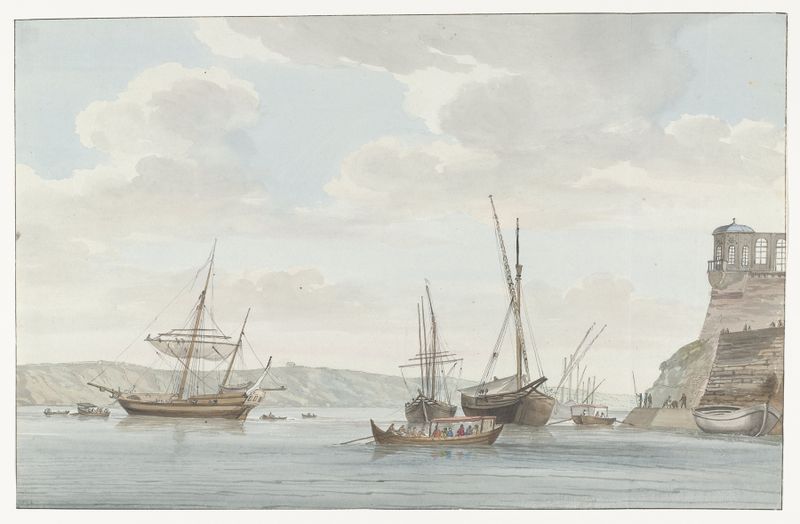
Tuinhuis van de Jardin du Grand Maître uittorend boven de haven met galei schepen op Malta
Abraham-Louis-Rodolphe Ducros
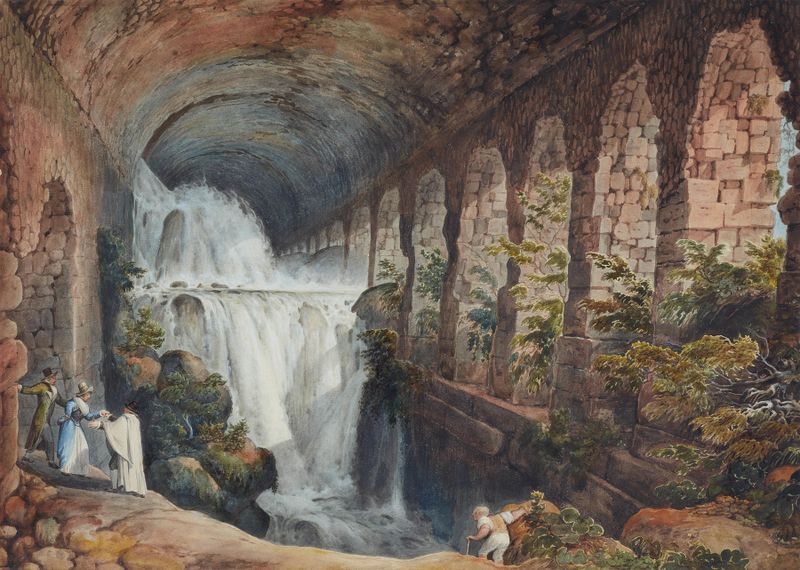
Aquädukt unter der Villa des Maecenas in Tivoli
Abraham-Louis-Rodolphe Ducros
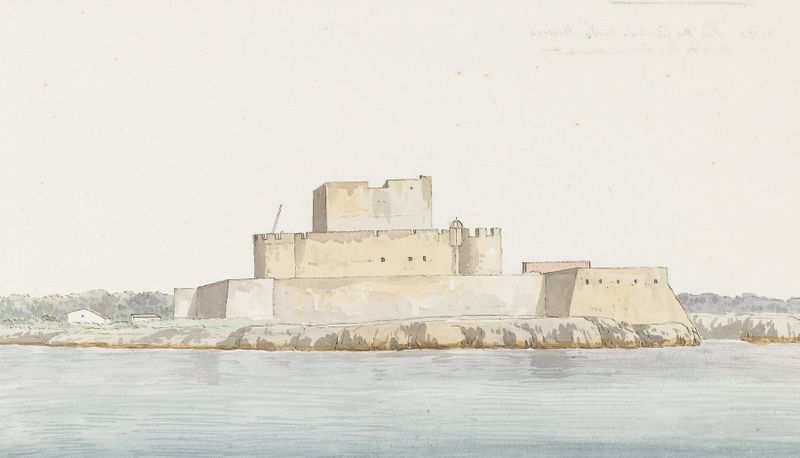
Gezicht op kasteel van San Mauro la Bruca vanaf zee bij aankomst
Abraham-Louis-Rodolphe Ducros





