
Profetie van Zacharia — History & Facts
Where does light end, and longing begin? In the haunting depths of Profetie van Zacharia, a palpable sense of fear breathes life into the canvas. Look to the center, where the figure of the prophet stands solemnly, surrounded by a gathering of witnesses. The artist employs a muted palette of browns and grays, juxtaposed with the ethereal glow of the prophet's halo. The light cascades from above, illuminating his face and beckoning the viewer to delve into the depths of his foreboding vision.
Notice the tension in the expressions of those who surround him, their faces caught between reverence and dread, radiating an air of urgency that permeates the scene. As you take in the details, consider the contrasting elements at play. The prophet's steady gaze embodies a firm resolve, yet the anxiety reflected in the eyes of the onlookers suggests a deep-seated fear of the unknown. The sweeping lines of the drapery mirror the turbulent emotions of the figures, creating a sense of movement that encapsulates a moment of impending revelation.
Within this single frame, Holbein captures the universal struggle between faith and fear, the weight of prophecy resting heavily on the human heart. In 1538, Holbein was immersed in the vibrant yet tumultuous environment of Reformation-era Europe, a time of spiritual upheaval and transformation. Living in England, he was influenced by both the royal court and the shifting tides of religious belief. This painting reflects not just his artistic prowess but also the anxieties of a society grappling with the implications of prophecy, fate, and the very nature of divine light.
More Artworks by Hans Holbein (II)
Browse all →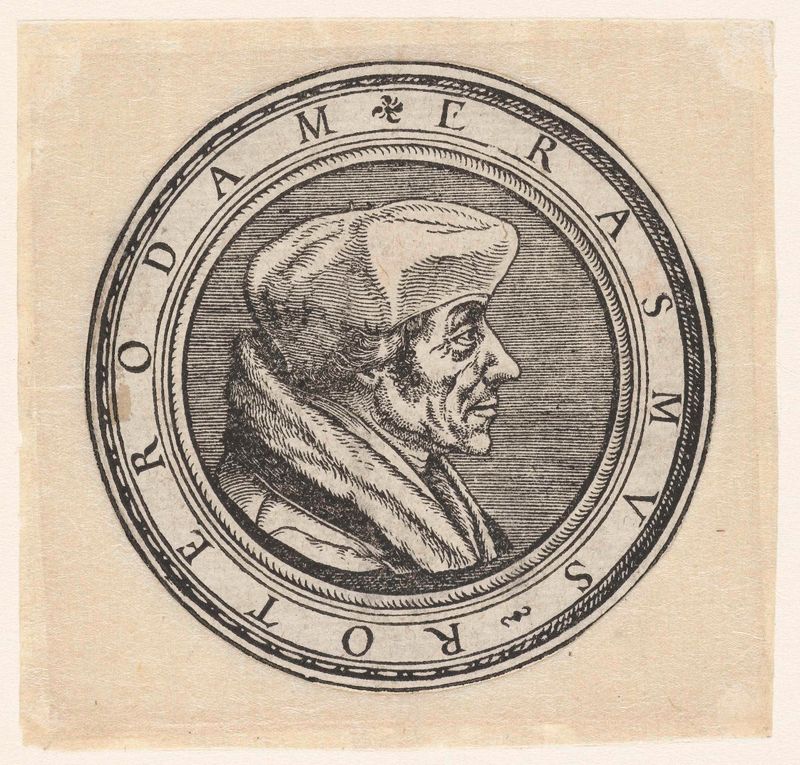
Portret van Erasmus
Hans Holbein (II)
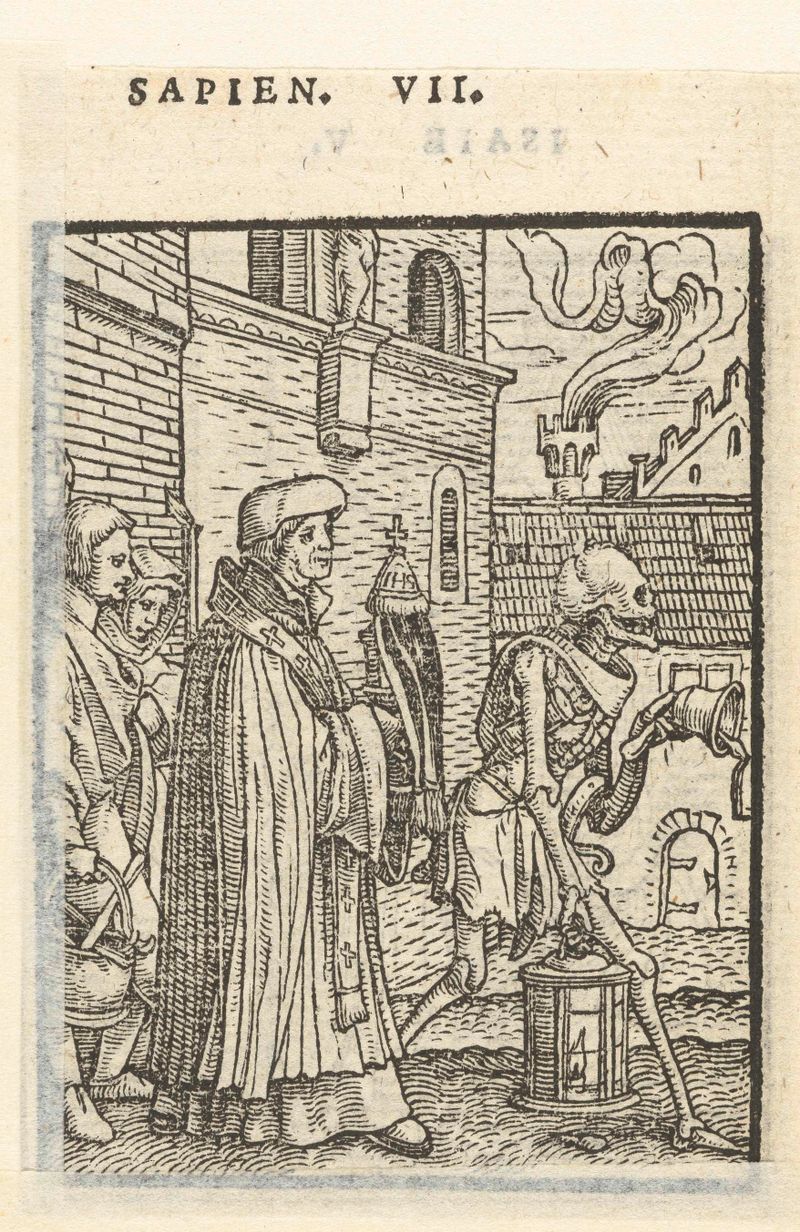
Priester en de Dood
Hans Holbein (II)
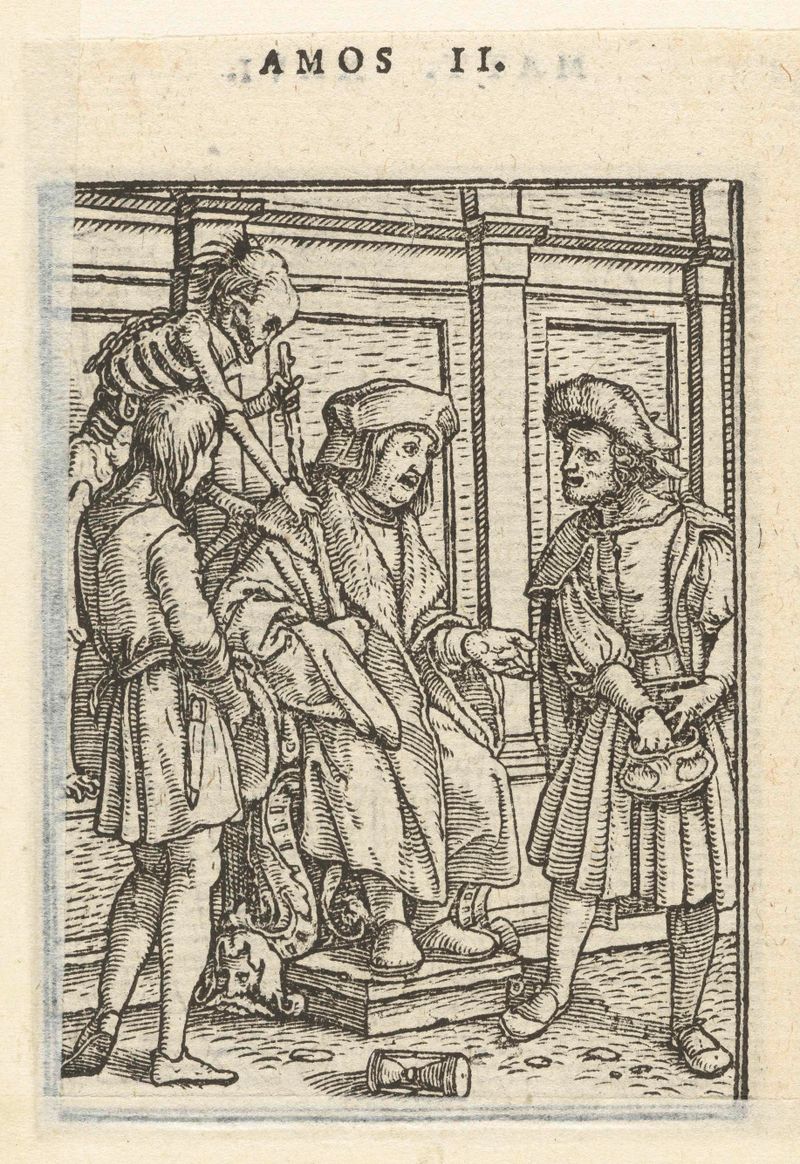
Rechter en de Dood
Hans Holbein (II)
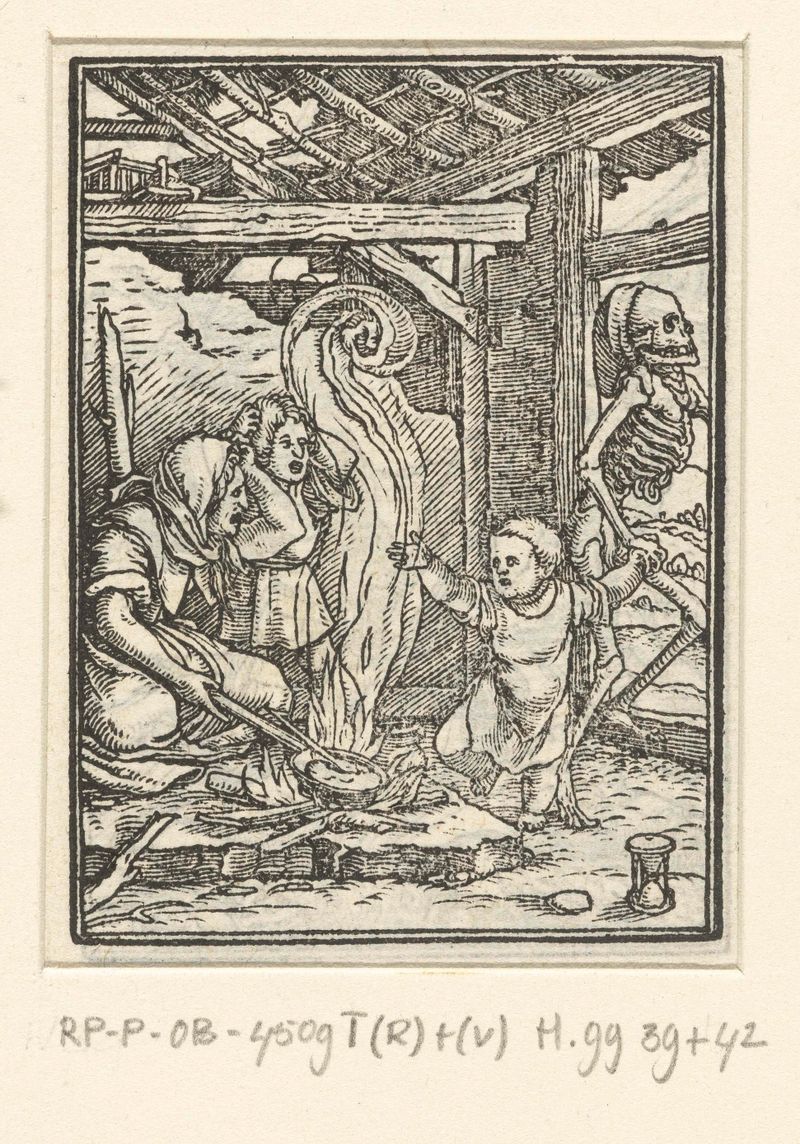
Kind en de Dood
Hans Holbein (II)
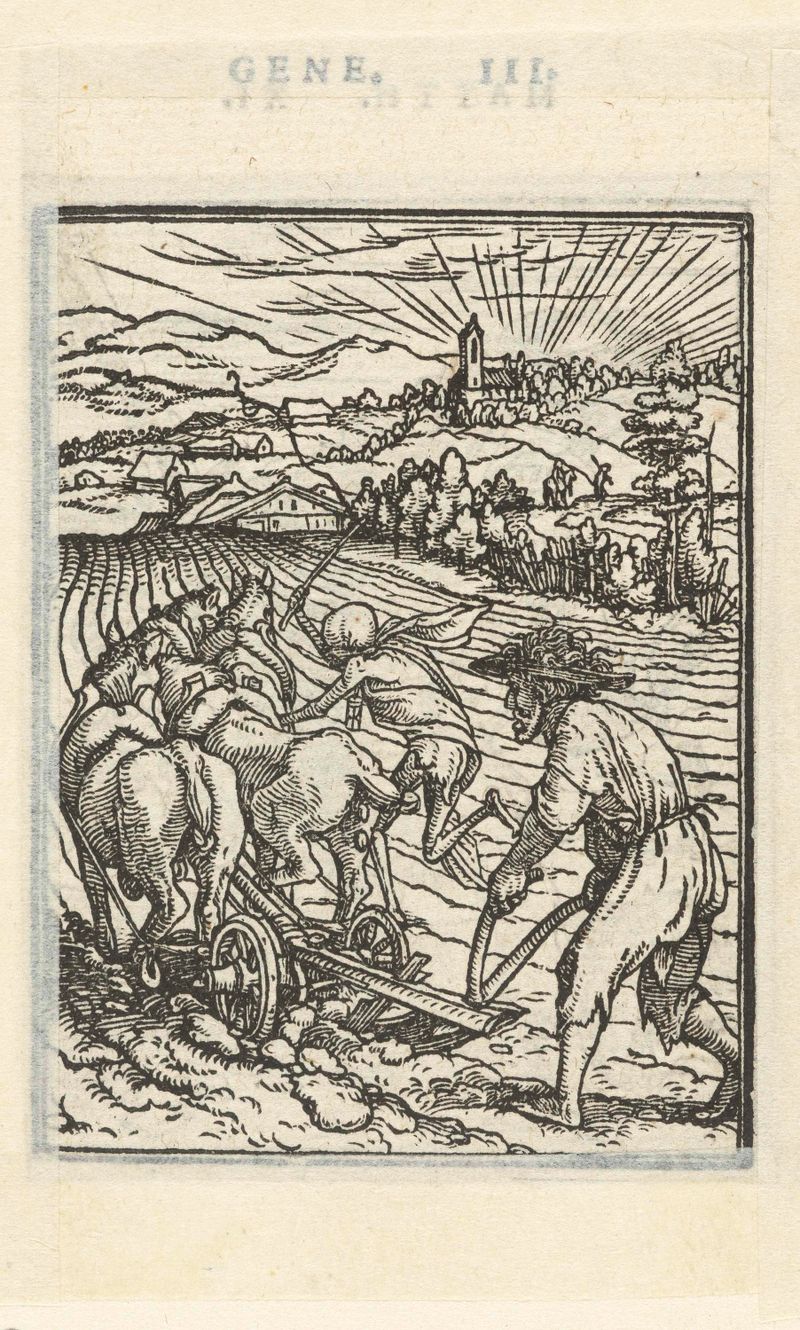
Boer en de Dood
Hans Holbein (II)
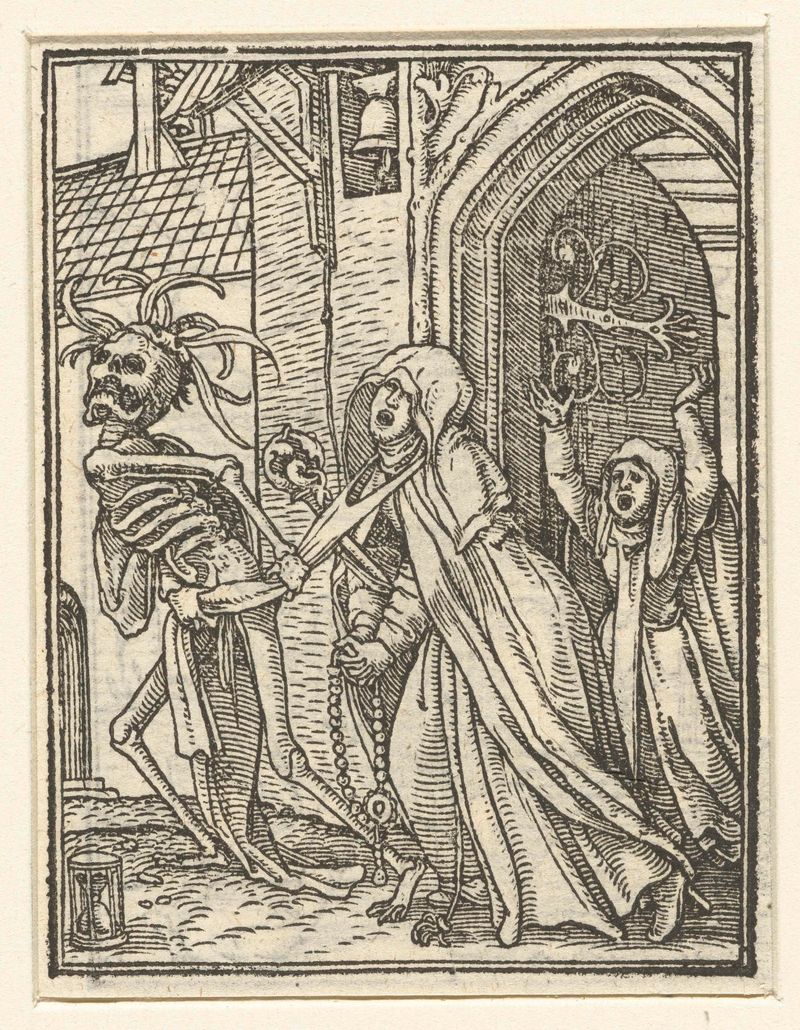
Abdis en de Dood
Hans Holbein (II)
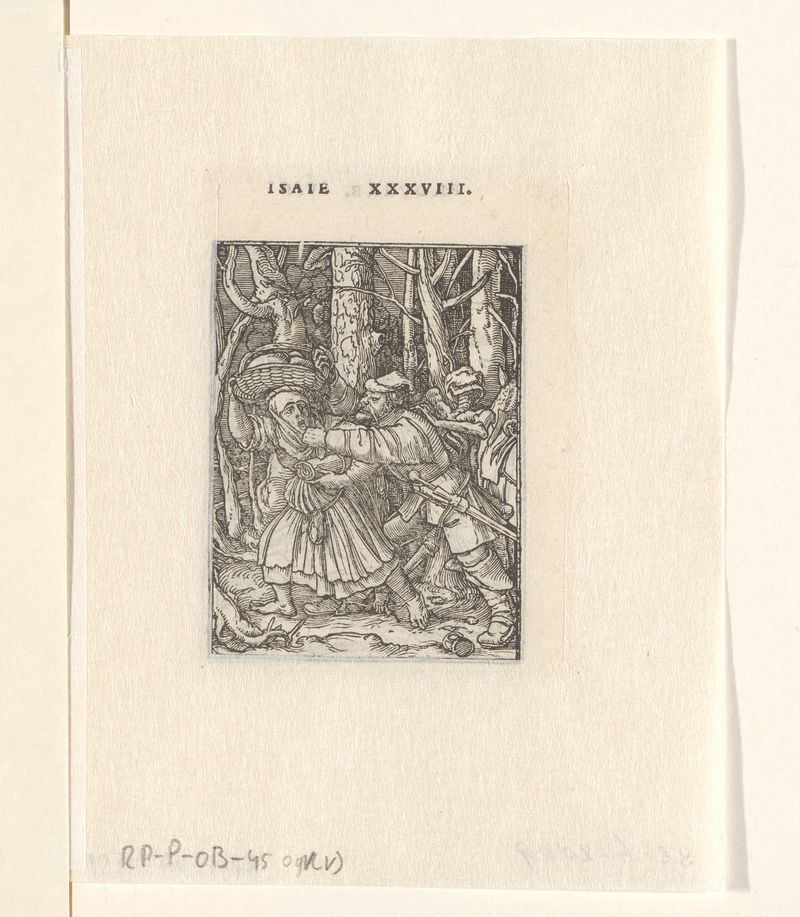
Dief en de Dood
Hans Holbein (II)
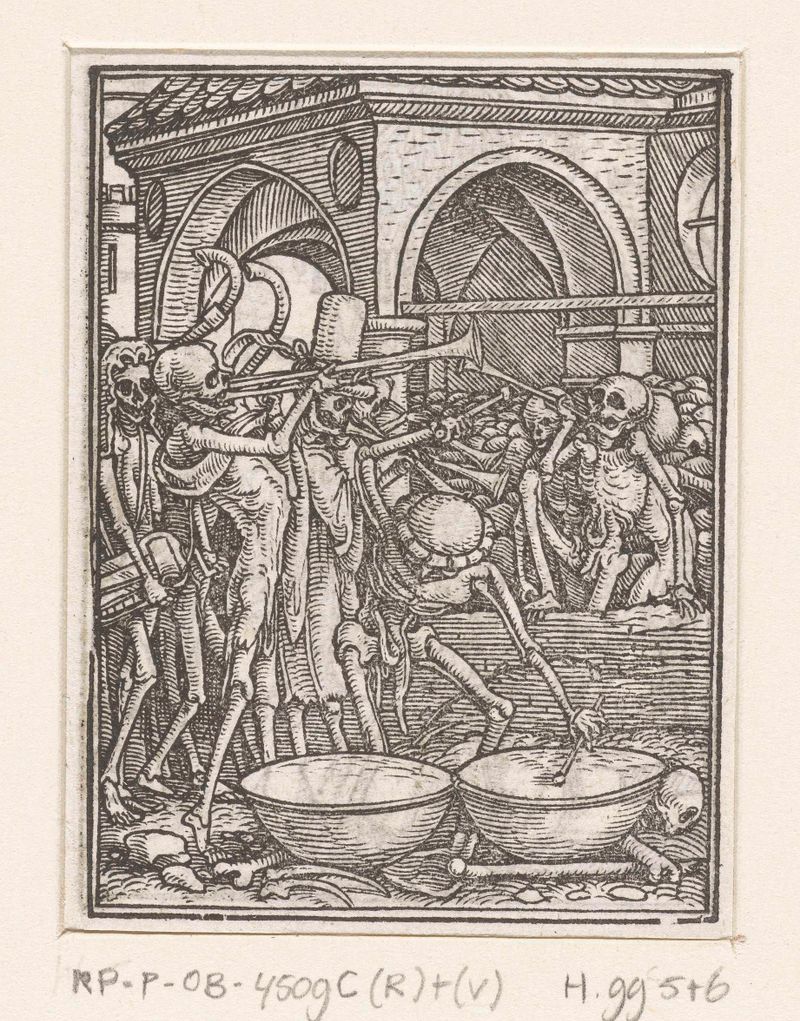
Skeletons Making Music from Dance of the Dead
Hans Holbein (II)
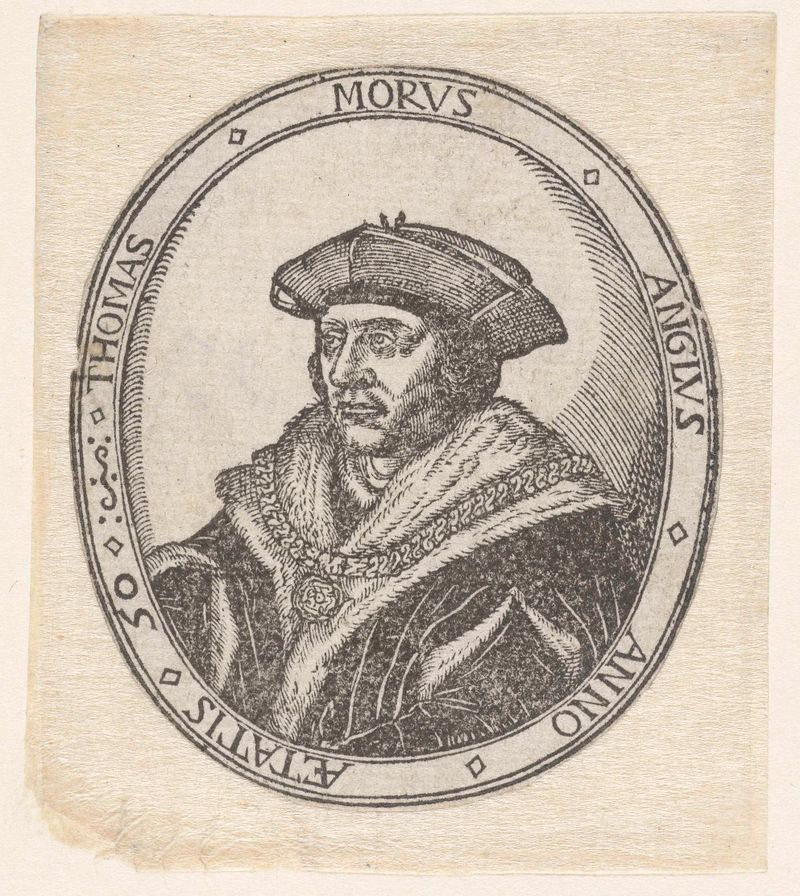
Portret van Thomas More
Hans Holbein (II)
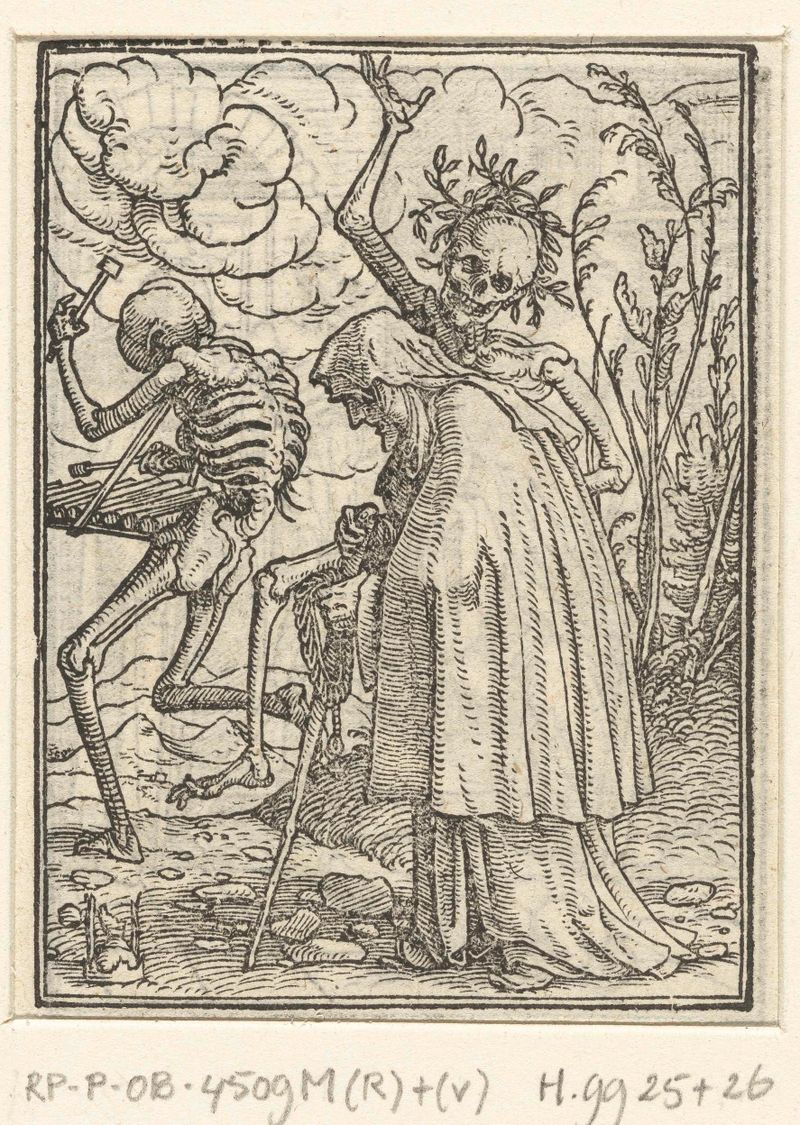
Oude vrouw en de Dood
Hans Holbein (II)
More Religious Art
Browse all →
The Return of the Prodigal Son
Rembrandt van Rijn

The Garden of Earthly Delights
El Bosco

Count Orgaz’ funeral
El Greco

The Hundred Guilder Print: the central piece with Christ preaching, the plate arched
Rembrandt van Rijn

The Descent from the Cross
Rogier van der Weyden

The return of the prodigal son
Rembrandt van Rijn