
Provincial Street — History & Facts
Each brushstroke yearns for the observer’s gaze, inviting them to unravel the layers of reality and imagination within its confines. What stories dwell in the folds of time that a single street might narrate? Focus on the lower left corner, where the cobblestone pavement glistens with remnants of a recent rain. Notice how the artist captures the subtle interplay of light and shadow, the warm ochres of the buildings contrasting sharply with the cool blues of the sky.
The perspective draws the viewer's eye deeper into the scene, as if beckoning them to wander down the street and immerse themselves in its quiet charm. In the quiet bustle of life depicted here, hidden tensions emerge. The dilapidated facades speak of history and decay, whispering of forgotten stories, while the vibrant colors suggest a lingering vitality. The solitary figure silhouetted at the end of the street embodies both presence and isolation, hinting at the duality of community and solitude within the provincial landscape. Zolo Palugyay painted Provincial Street in 1930 amidst growing changes in the world around him.
Living and working in Hungary during a time of political and social transformation, he sought to capture both the beauty and the melancholy of everyday life. This work reflects his connection to the local environment, showcasing his skill at blending realism with an emotional depth that resonates with viewers even today.
More Artworks by Zolo Palugyay
Browse all →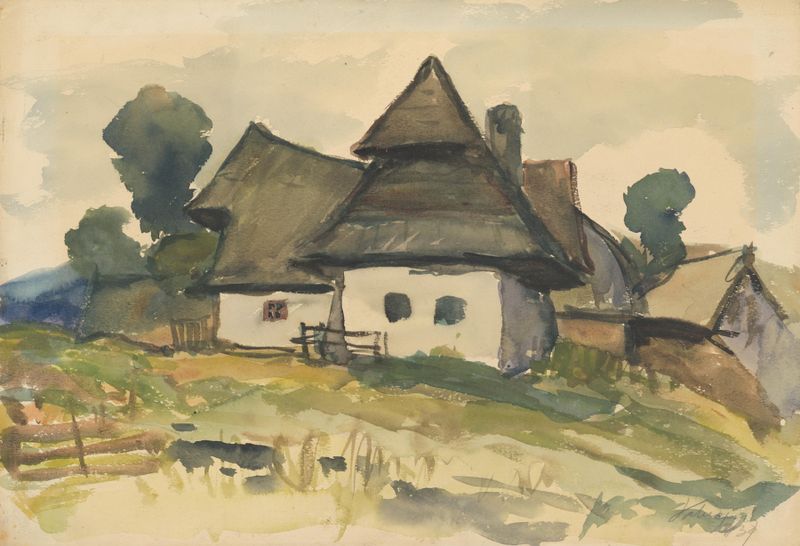
Dedinský motív
Zolo Palugyay
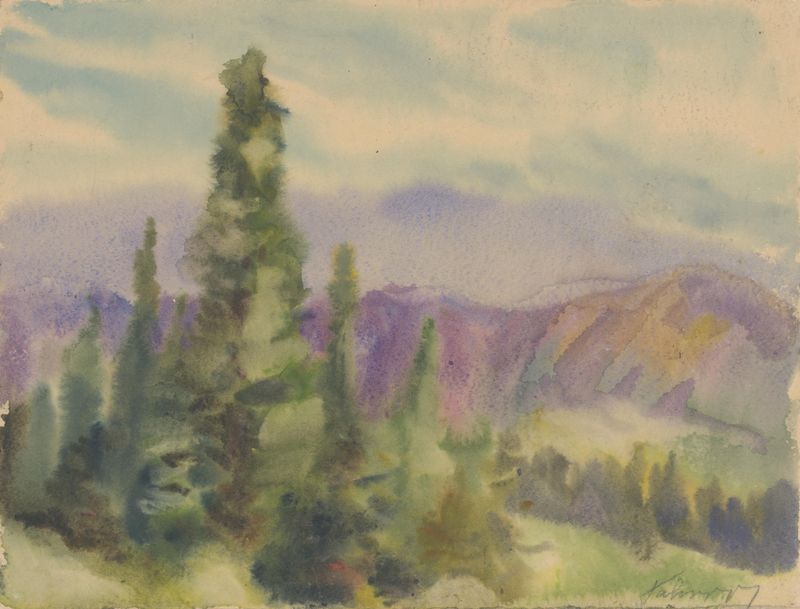
Motif from Liptov Mountains
Zolo Palugyay
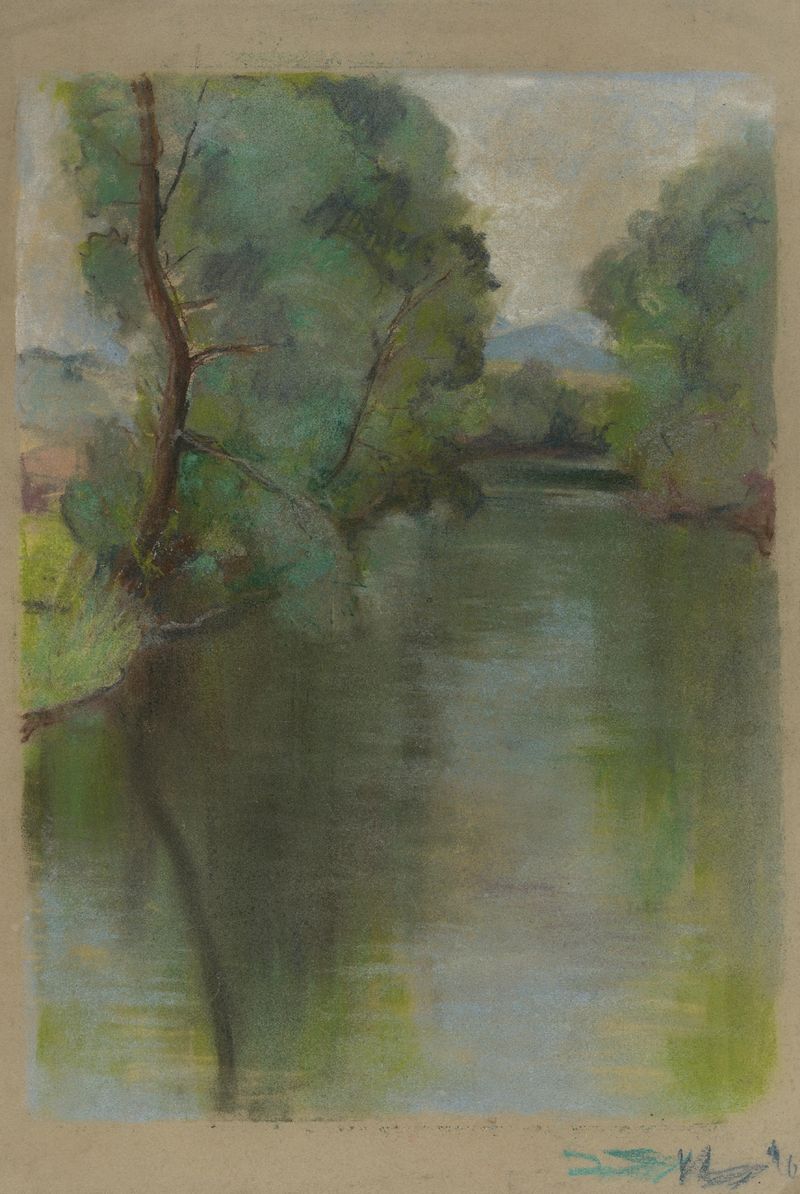
Silent River
Zolo Palugyay
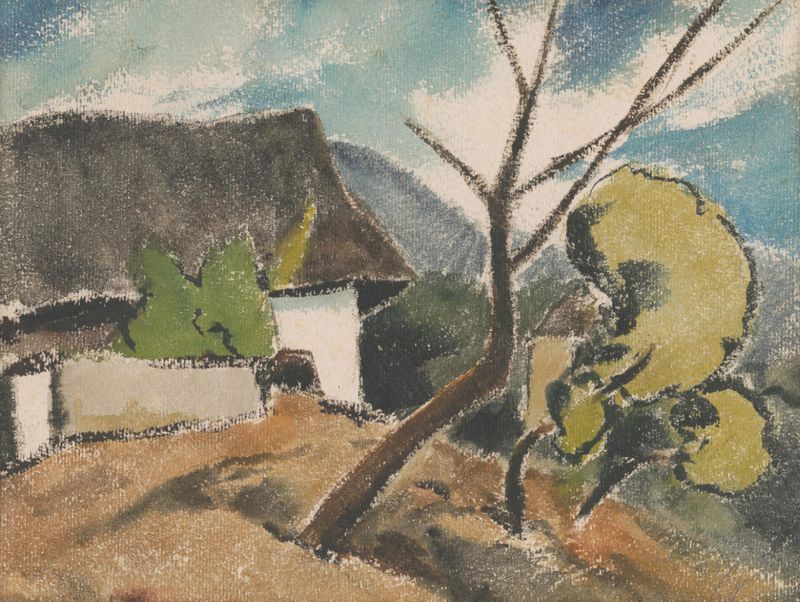
Oravská chalupa
Zolo Palugyay
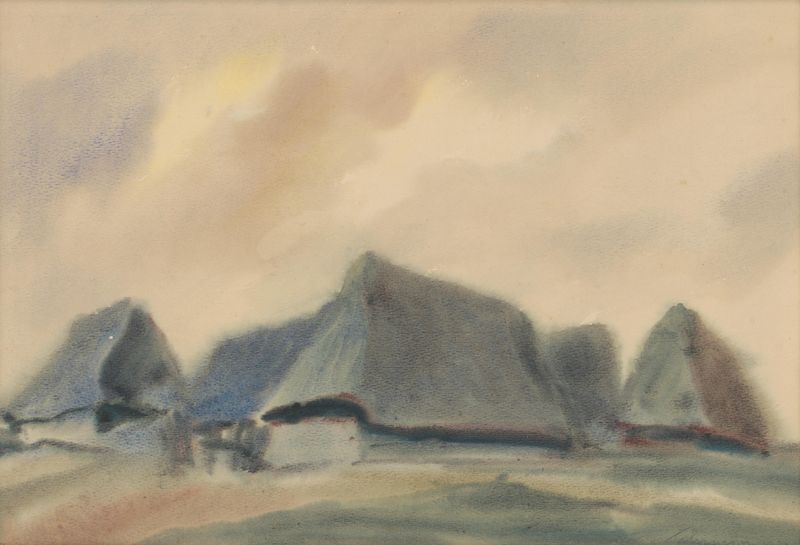
Modré chalupy
Zolo Palugyay
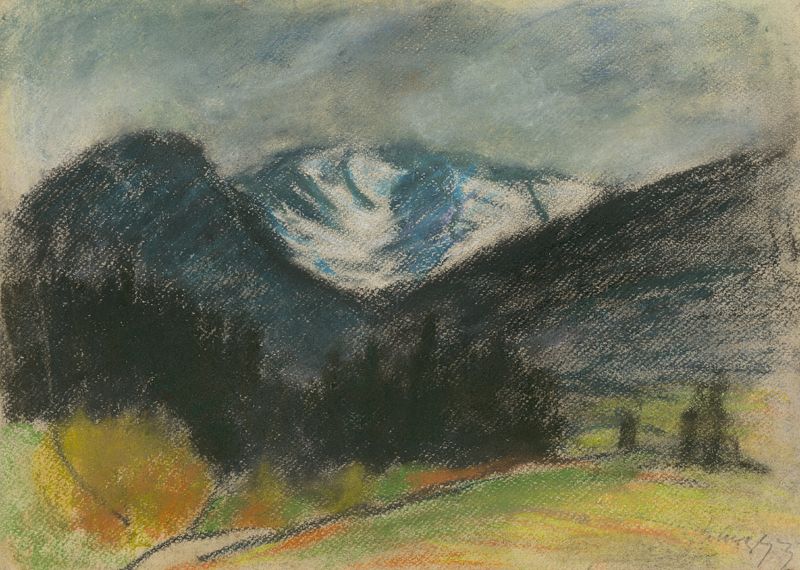
Mountain Landscape with Snowy Peaks
Zolo Palugyay
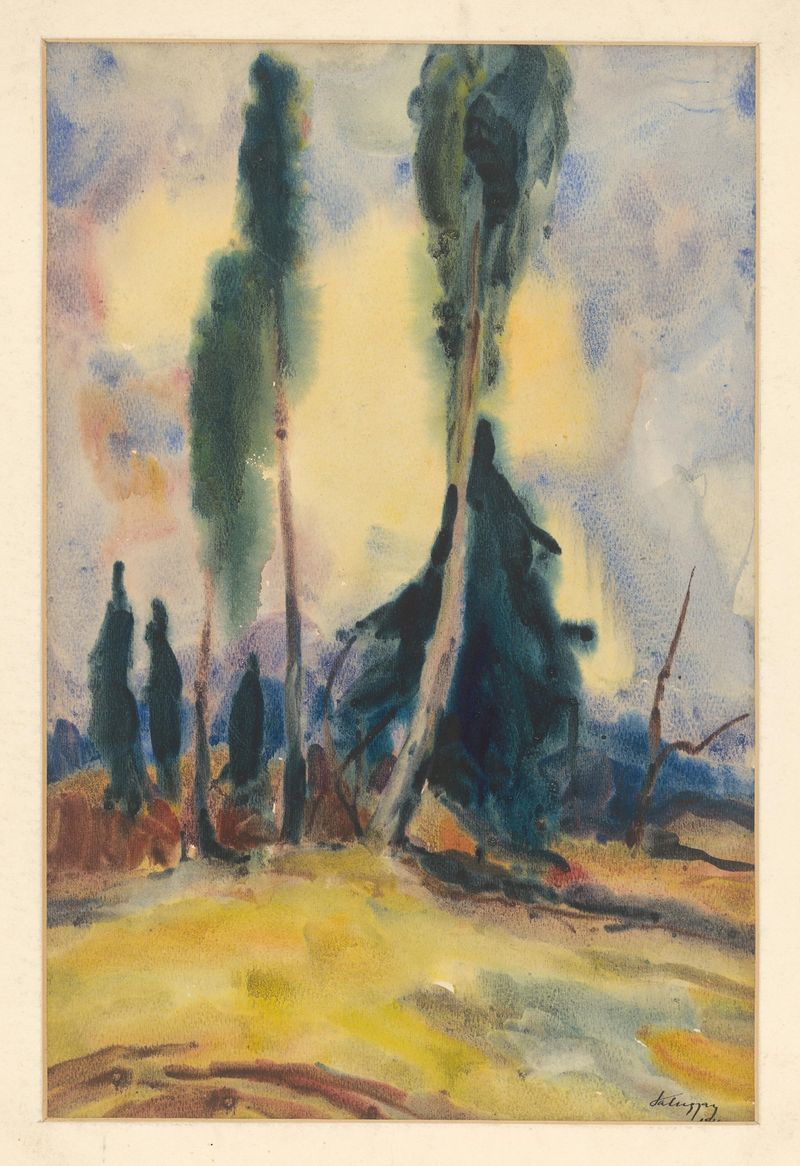
Three Trees on a Plain
Zolo Palugyay
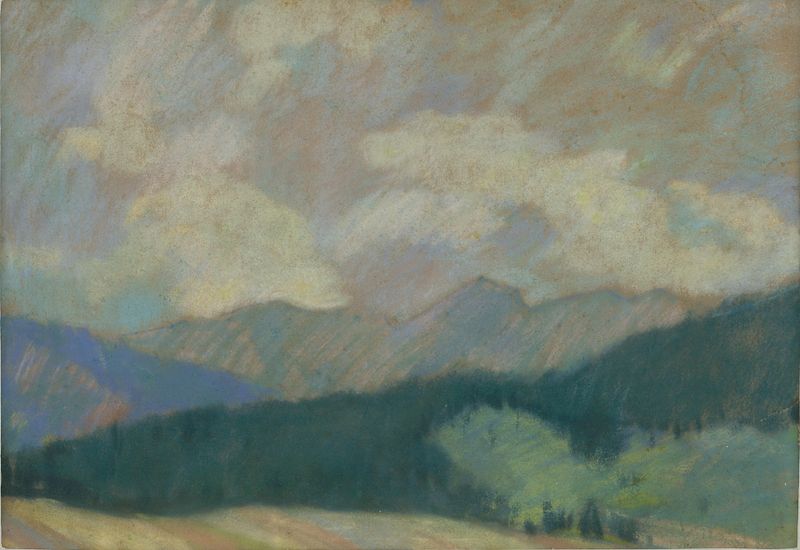
Horská krajina
Zolo Palugyay
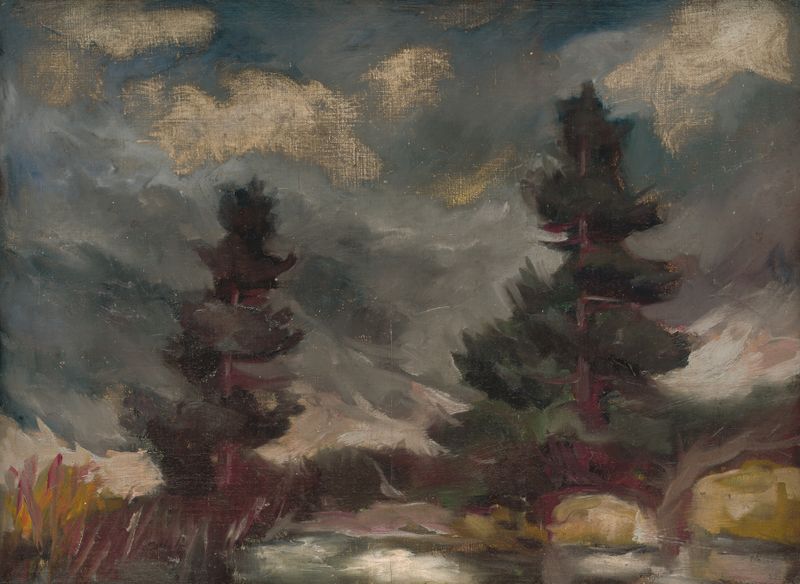
Tatra Landscape
Zolo Palugyay
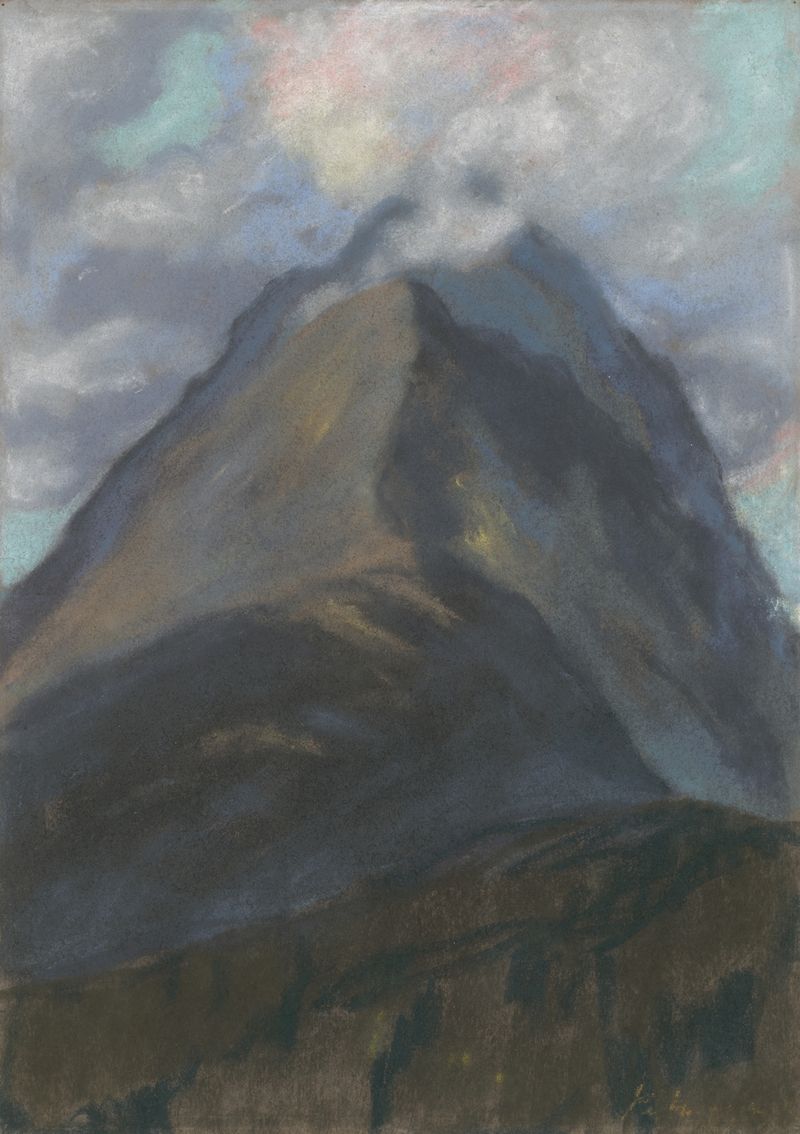
Spring Landscape
Zolo Palugyay





