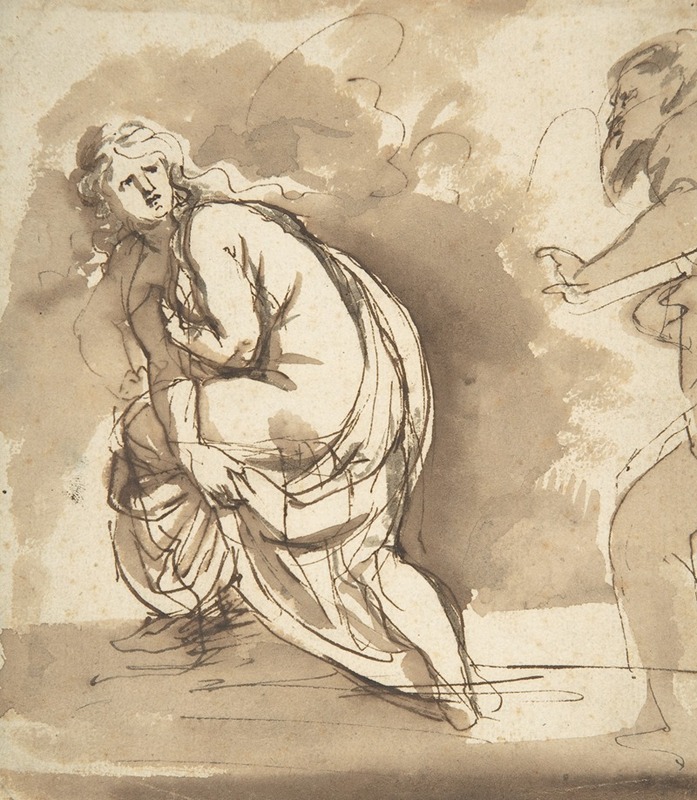
Discover insights about this artwork
Pygmalion and Galatea — History & Facts
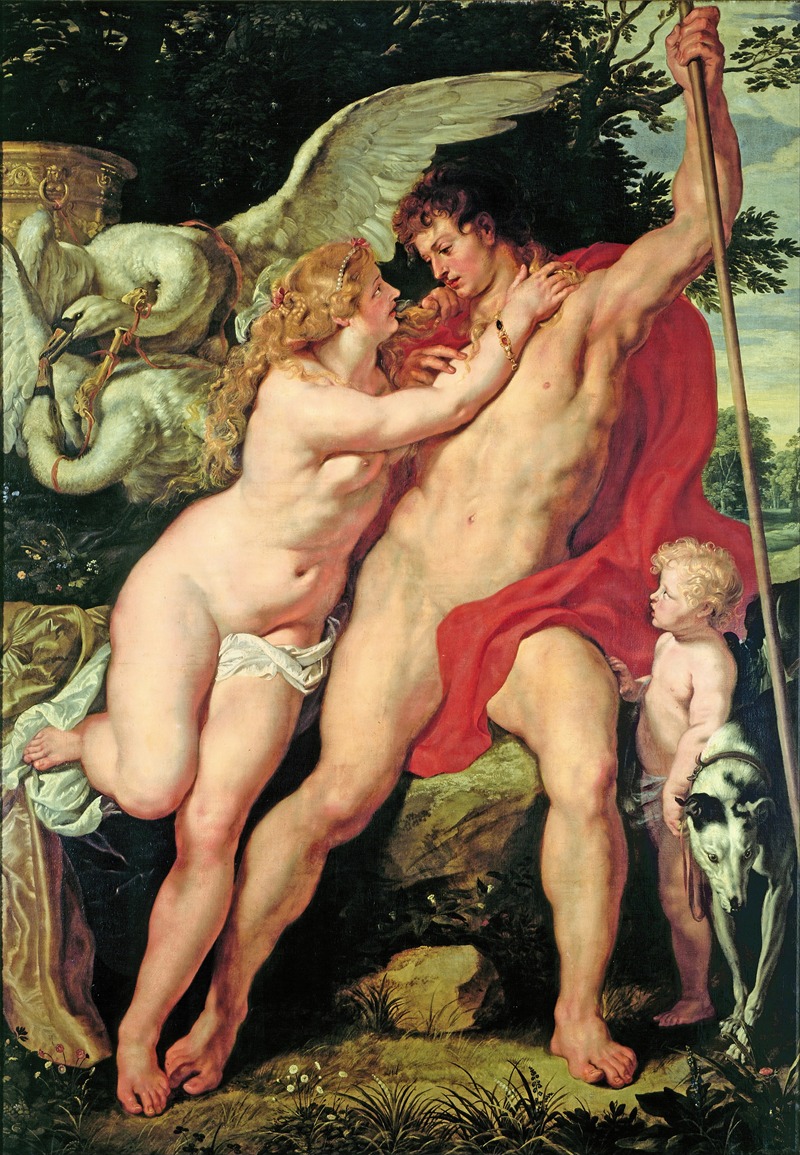
In Pygmalion and Galatea, Francisco de Goya presents a vibrant scene filled with rich colors. The figures of Pygmalion and Galatea are central, with Pygmalion depicted as a sculptor in awe of his creation. Galatea, a beautiful statue brought to life, radiates warmth and life.
The background features soft, flowing drapery and a serene atmosphere, enhancing the romantic theme. This painting is executed in oil on canvas, a medium that allows for deep color saturation and texture. Goya's brushwork is expressive, capturing the emotional intensity of the moment. The dimensions are approximately 100 x 150 cm, making it a substantial piece that draws the viewer in.
The composition is carefully balanced, with the figures harmonizing with the surrounding space. Francisco de Goya was a prominent Spanish painter known for his role in the transition from the Rococo to Romanticism. 'Pygmalion and Galatea' reflects his interest in mythological themes and human emotion. An interesting fact about this work is that it illustrates the idea of creation and love, resonating with Goya's own life experiences.
The painting is housed in the Museo del Prado, showcasing Goya's significant contributions to art history.
More Artworks by Francisco de Goya
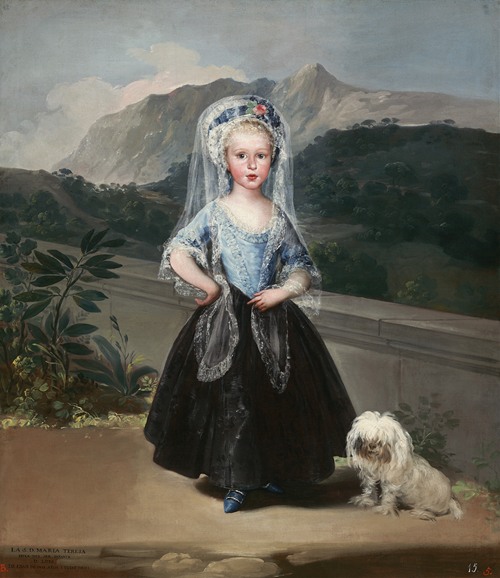
María Teresa de Borbón y Vallabriga,later Condesa de Chinchón
Francisco de Goya
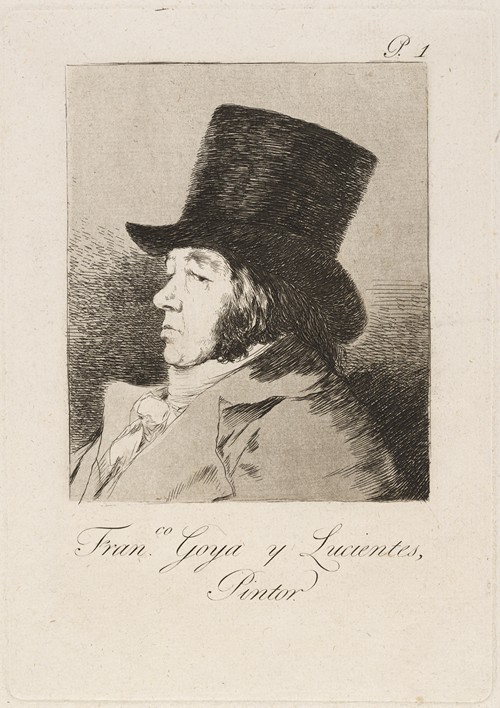
Francisco Goya y Lucientes, Pintor (Francisco Goya y Lucientes, painter)
Francisco de Goya
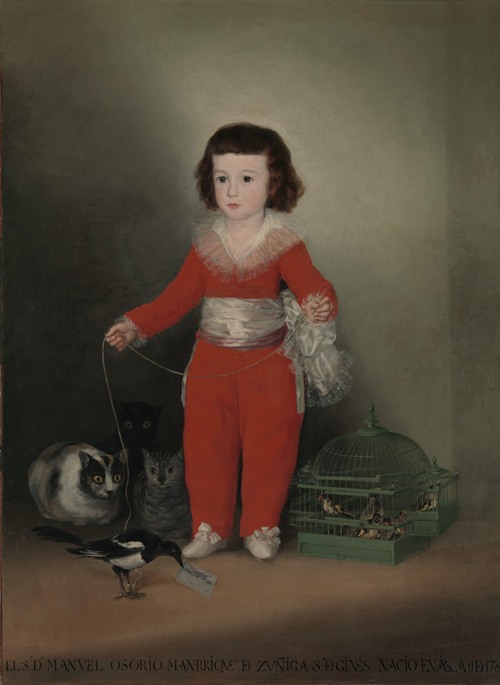
Manuel Osorio Manrique de Zuñiga (1784–1792)
Francisco de Goya
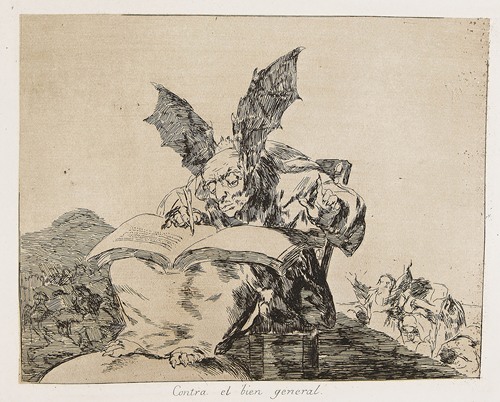
Los desastres de la guerra
Francisco de Goya
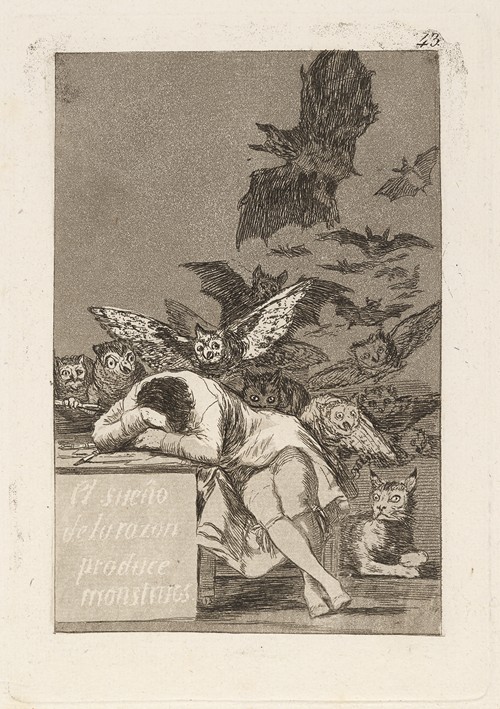
El sueño de la razon produce monstruos. (The sleep of reason produces monsters.)
Francisco de Goya
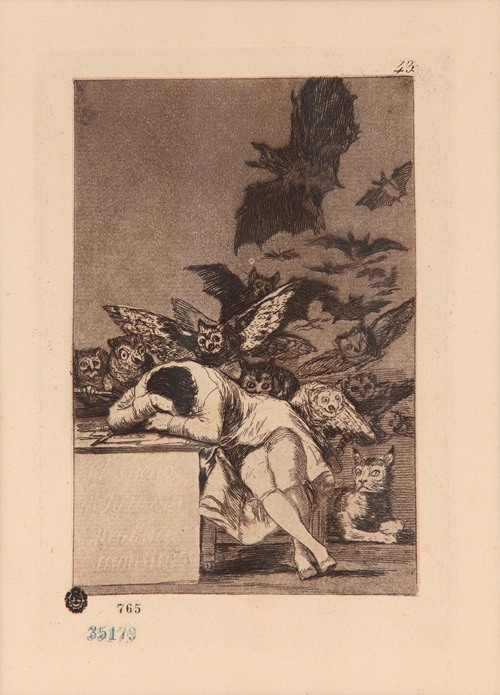
El sueño de la razon produce moustruos (Serie Caprichos)
Francisco de Goya
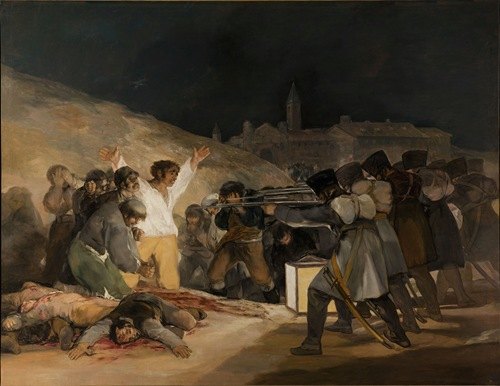
The Third of May
Francisco de Goya
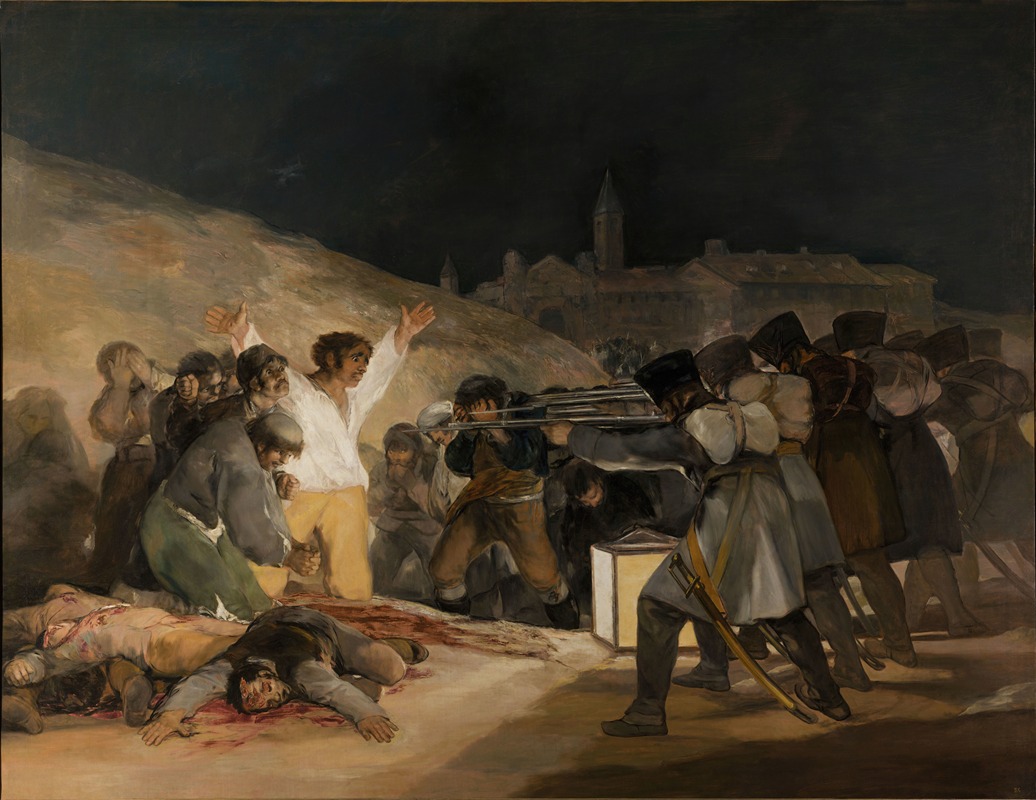
The Third of May 1808
Francisco de Goya
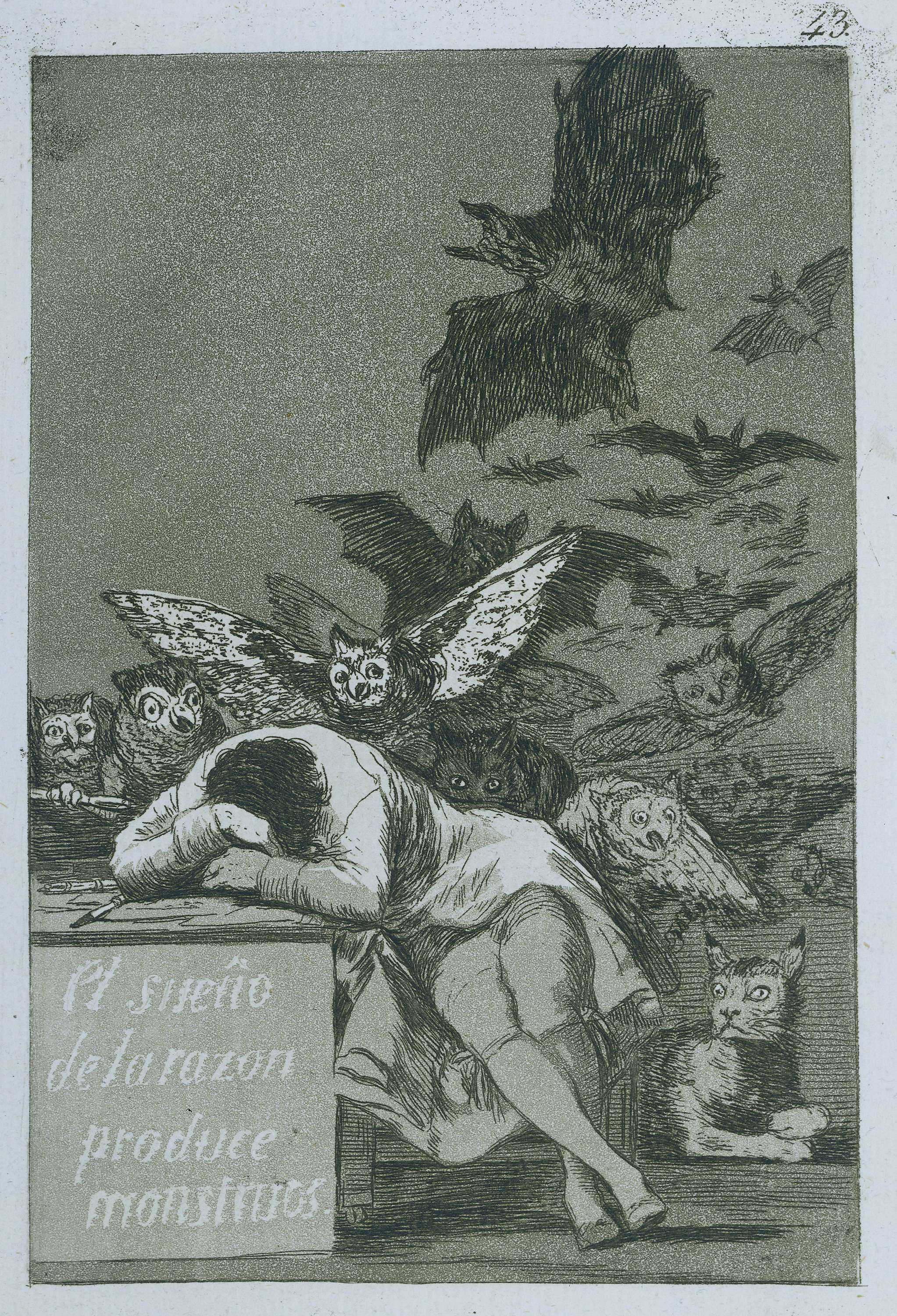
De slaap van de rede brengt monsters voort
Francisco de Goya
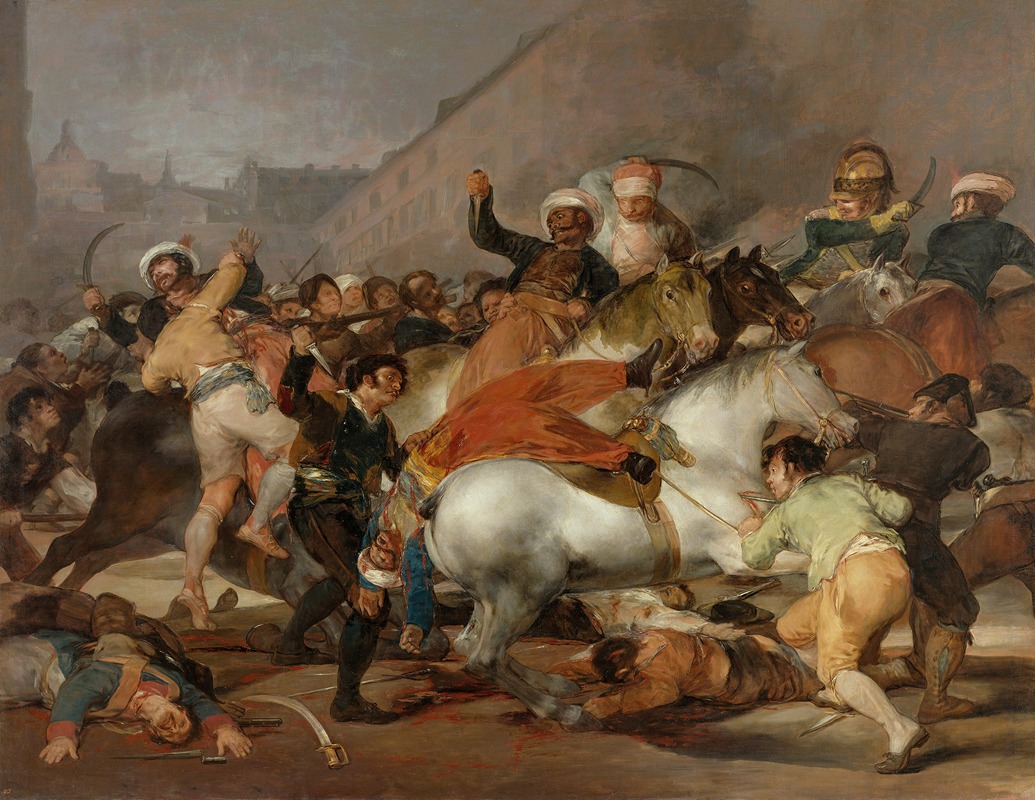
The Charge of the Mamelukes (1814)
Francisco de Goya