
Quai du Louvre — History & Facts
What if beauty was never meant to be finished? In Quai du Louvre, a fleeting moment of urban life collides with an undercurrent of violence, hinting at the chaos that lurks beneath the surface of tranquility. Look to the left at the figures ambling along the Seine, their silhouettes softened by the gentle strokes of impressionistic brushwork. Notice how the dappled sunlight dances upon the water, casting reflections that shimmer like whispers of the past. The palette of muted blues and earthy tones harmonizes, while the lively splashes of color in the pedestrians’ attire draw the viewer’s eye, inviting a deeper connection to the bustling energy of the scene. Yet, amidst this beauty, there is a tension that speaks volumes.
The tall architecture of the Louvre looms in the background, a silent sentinel of history, juxtaposing the ephemeral nature of the people below with the enduring weight of culture. The brushstrokes seem to pulse, suggesting the ever-present potential for violence — a reminder that behind every tranquil moment, turmoil may be waiting to emerge. Each figure's fleeting expression hints at stories untold, reflecting the fragility of joy within the bustling city. In 1889, while living in Paris, Childe Hassam was influenced by the vibrant atmosphere of the Impressionist movement.
This period marked a pivotal moment in art history, where the emphasis shifted from realism to capturing the essence of a moment. Surrounded by fellow artists and the tumult of an evolving society, he painted Quai du Louvre as a testament to the beauty and complexity of life, encapsulating both serenity and the inevitable shadows that accompany it.
More Artworks by Childe Hassam
Browse all →
Beach at Newport
Childe Hassam

Washington Arch, Spring
Childe Hassam

Thaxter’s Garden
Childe Hassam

New England Headlands
Childe Hassam

Rocks At Appledore, Morning
Childe Hassam
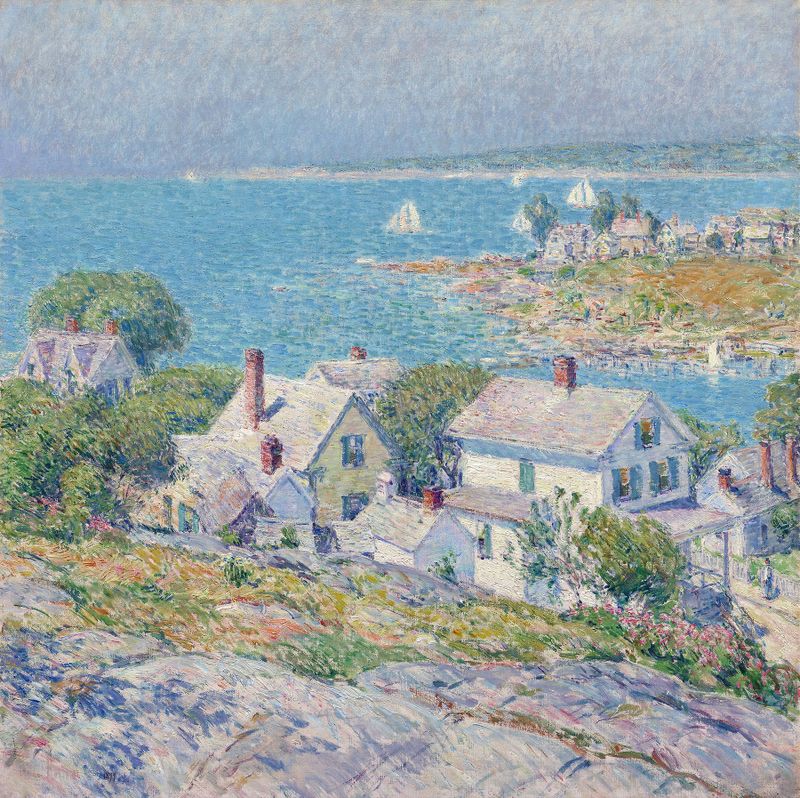
New England Headlands
Childe Hassam
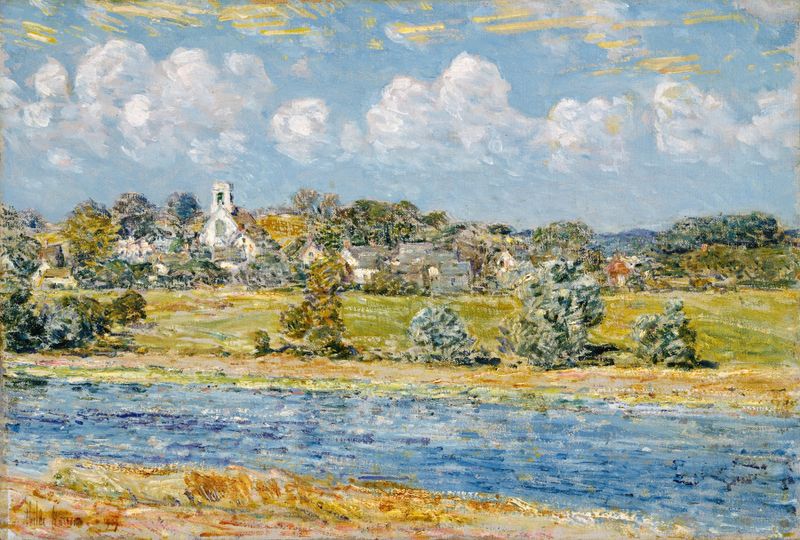
Landscape at Newfields, New Hampshire
Childe Hassam

Piazza di Spagna, Rome
Childe Hassam

The Harbor
Childe Hassam

Late Afternoon, New York, Winter
Childe Hassam





