
Quai in Hamburg — History & Facts
When did color learn to lie? The canvas reveals a vibrancy that masks an underlying tension, suggesting a world where beauty and fear coexist in disturbing harmony. Look to the left, where the sunlit quay is alive with figures, their postures radiating a sense of leisure; yet, their gazes betray an unspoken anxiety. The rich blues of the water contrast sharply with the warm yellows and browns of the boats and figures, creating an unsettling balance. Notice how the brushstrokes blend seamlessly, making the scene feel both inviting and unnervingly surreal, as if the idyllic setting could transform in an instant. Hidden within the lively atmosphere, small details hint at deeper narratives.
The fishermen’s worn faces tell stories of hard toil, their joy momentarily overshadowed by the fear of an uncertain future. The looming shadows cast by the boats can evoke a sense of foreboding, suggesting that beneath the surface of this lively scene lies an undercurrent of dread — perhaps a reflection of the social and political changes brewing in early 20th-century Europe. Max Liebermann painted Quai in Hamburg between 1900 and 1902 during a period when the art world was shifting dramatically. The Impressionist movement was in full swing, and Liebermann, a key figure within it, was influenced by his surroundings in Germany.
As modernity encroached upon traditional life, he captured a fleeting moment that revealed both the beauty and the anxieties of a rapidly changing society.
More Artworks by Max Liebermann
Browse all →
Die Blumenterrasse in Wannsee mit Blick auf den Fischotterbrunnen
Max Liebermann
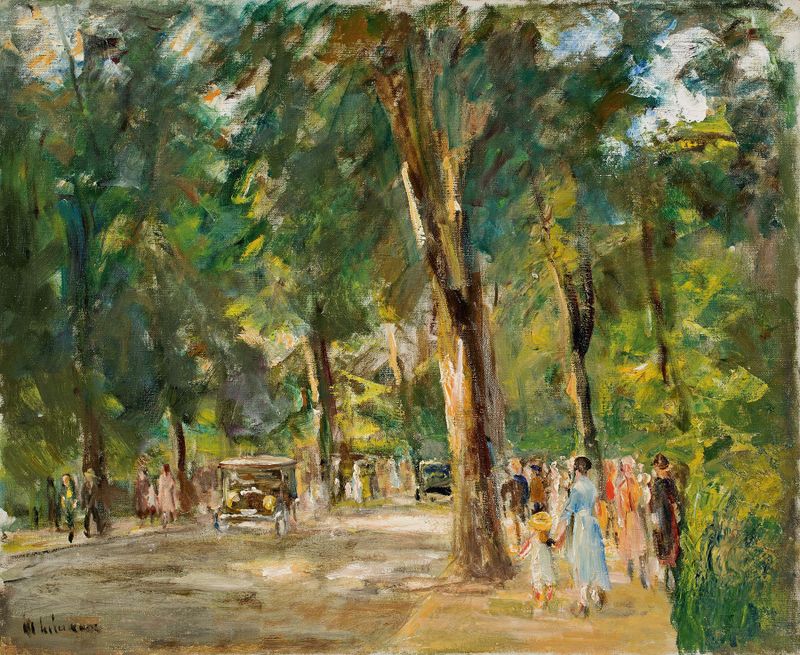
Die Große Seestraße in Wannsee mit Spaziergängern
Max Liebermann

Seitlicher Blick in den Wannseegarten
Max Liebermann

Der Rosengarten in Wannsee
Max Liebermann

Allee mit Spaziergängern und Automobilen
Max Liebermann

Blick in meinen Garten
Max Liebermann
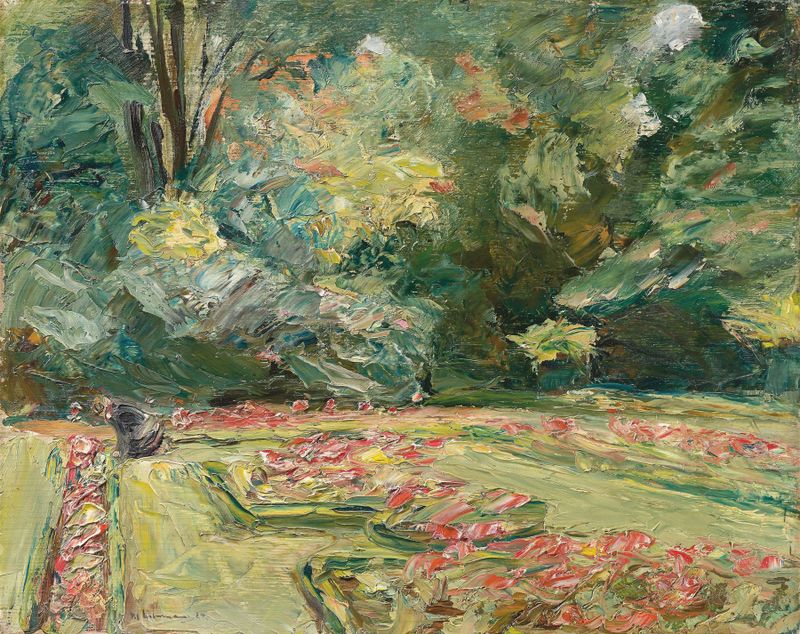
Die Blumenterrasse im Wannseegarten nach Norden
Max Liebermann

Spielende Kinder am Strand
Max Liebermann
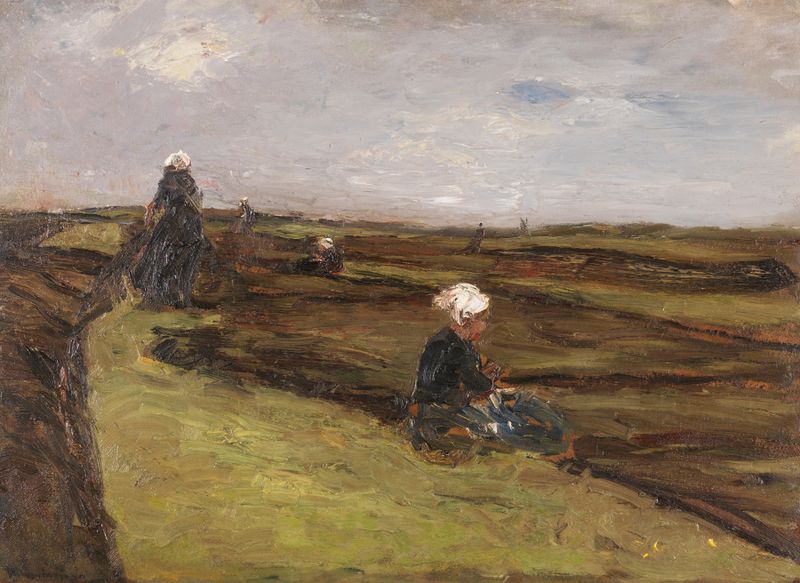
Die Netzflickerinnen
Max Liebermann

Am Strand von Noordwijk
Max Liebermann





