
Quaresmas — History & Facts
In this moment of reflection, fear coils tightly around the heart, masked by the vibrancy of life. It whispers of unspoken truths and the weight of unacknowledged emotions, revealing the tension between appearance and essence. Focus your gaze on the foreground, where a figure stands poised yet apprehensive. Notice how Visconti employs a palette of deep reds and muted browns to evoke a sense of urgency and inner turmoil.
The figure’s face, half-illuminated, draws you in—its expression oscillating between hope and despair. The play of light across the canvas amplifies this duality, casting shadows that suggest a lurking fear just beyond the surface. The composition unveils layers of meaning; the figure's hesitant stance contrasts sharply with the dynamic brushwork surrounding them, suggesting a world alive with chaotic emotion. Behind, abstract shapes blend and blur, embodying the fears that threaten to overwhelm.
It is a powerful reminder of the unseen battles waged within us, where beauty and dread coalesce, inviting the viewer to confront their own vulnerabilities. In 1942, while living in Brazil, Visconti created Quaresmas, a work that reflects the tumultuous period of World War II and his own existential questioning. The artist was deeply engaged with modernist ideas and explored themes of identity and emotional depth, capturing a moment when the world grappled with uncertainty and change. This canvas stands as a testament to that era, resonating with the fears that echo through time.
More Artworks by Eliseu Visconti
Browse all →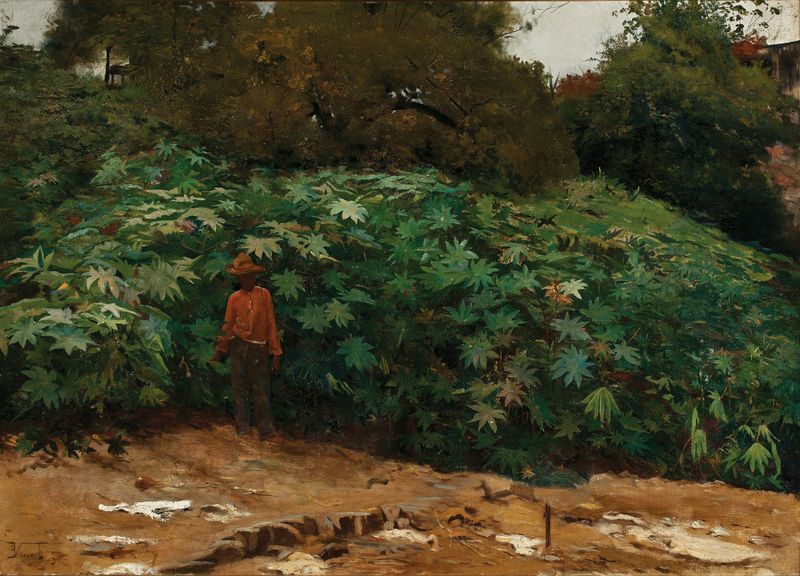
Mamoneiras – Morro de São Bento
Eliseu Visconti
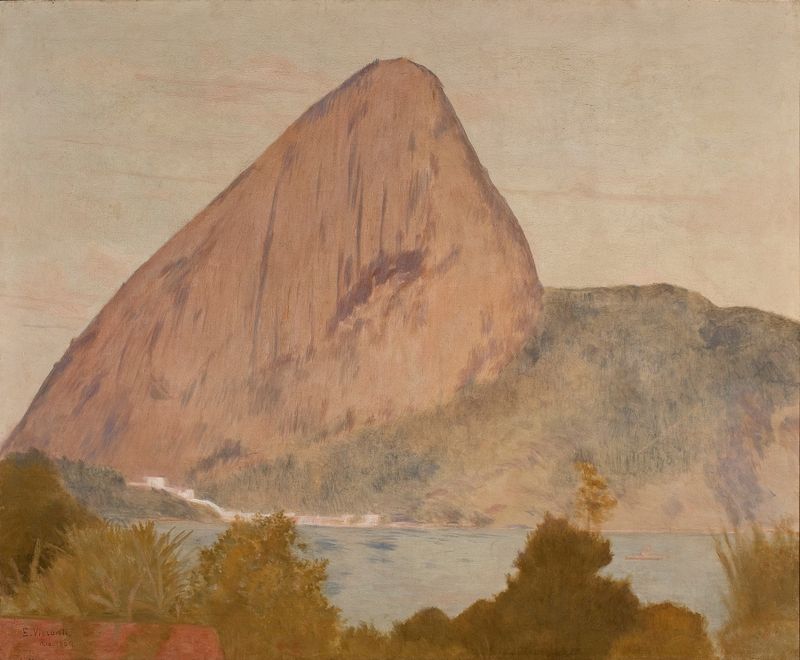
Marina com Pão de Açúcar
Eliseu Visconti

O batismo da boneca
Eliseu Visconti
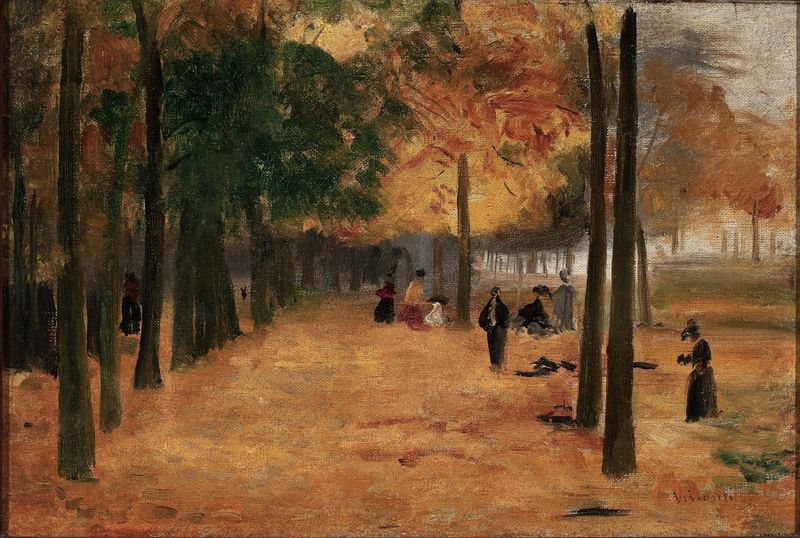
Canto de Luxemburgo (Outono)
Eliseu Visconti
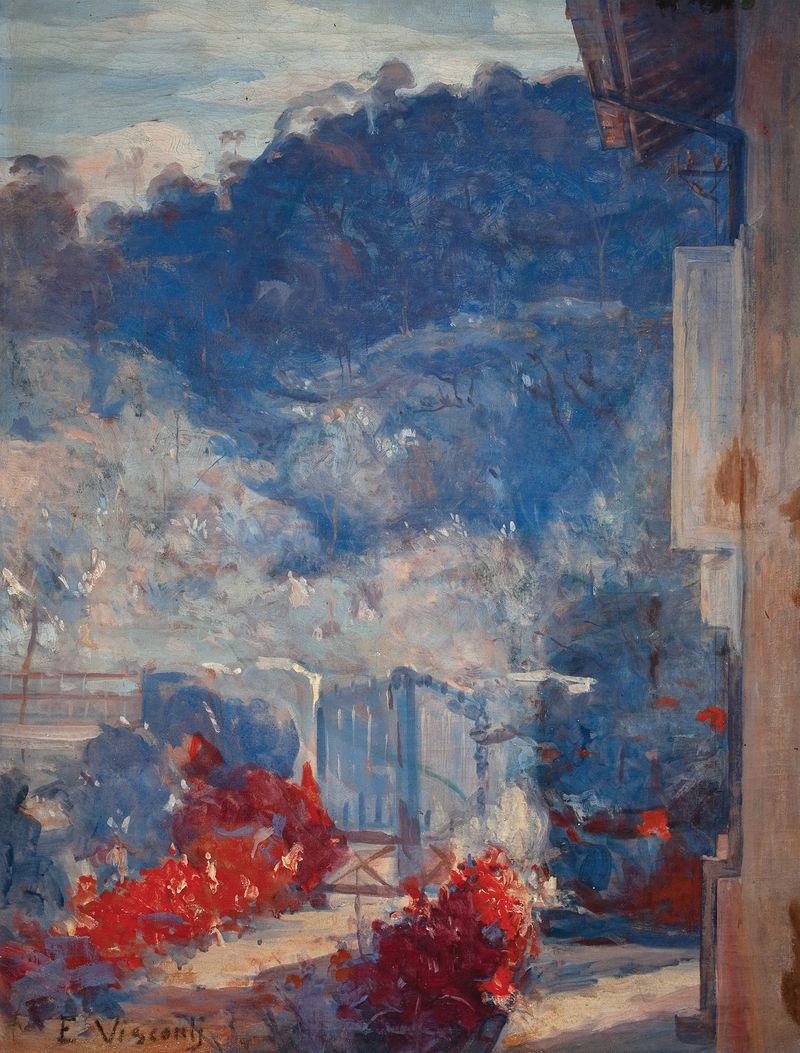
Raios de sol
Eliseu Visconti
Tarde em Saint Hubert
Eliseu Visconti

Efeito matinal
Eliseu Visconti
A Igrejinha (Copacabana)
Eliseu Visconti

A caminho da escola
Eliseu Visconti

Flores da rua
Eliseu Visconti





