
Queen Square, London — History & Facts
In the tranquil embrace of Queen Square, the stillness captures whispers of a past long faded, echoing the lives once lived in its midst. Look to the center of the canvas, where elegant facades rise like guardians, their muted colors of ochre and soft gray harmonizing with the overcast sky. The careful arrangement of trees flanks the square, providing a delicate contrast to the rigid lines of the buildings. Observe how the subtle variations in light play across the cobblestones, creating a gentle dialogue between shadow and illumination, inviting a sense of calm contemplation. Beneath this serene exterior, an undercurrent of nostalgia flows.
The emptiness of the square speaks volumes about absence—perhaps a reflection on the transient nature of human presence. The solitary figures in the background are mere silhouettes, representing the whispers of those who once thrived in this vibrant space, leaving behind only echoes of their laughter and sorrows. This interplay of presence and absence crafts a profound tension, as the viewer is left pondering what stories remain untold among the stillness. In 1786, Edward Dayes painted this scene during a period marked by significant social and political changes in England.
As an artist known for capturing urban life, he focused on the evolving landscapes of London, reflecting both the architectural beauty and the quieter moments of its streets. It was an era when the city was waking up to modernity, yet Dayes chose to immortalize the serene resilience of a square that, even in silence, speaks of its enduring history.
More Artworks by Edward Dayes
Browse all →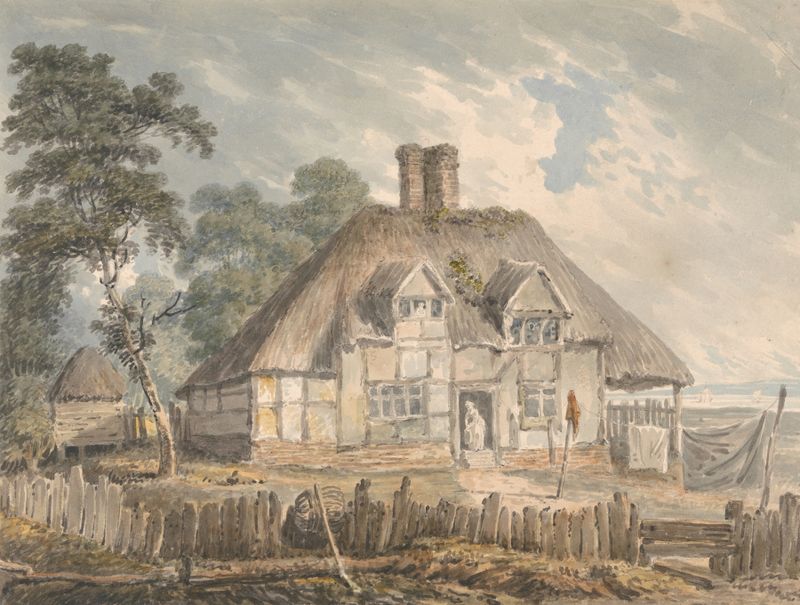
A Cottage near Southampton
Edward Dayes
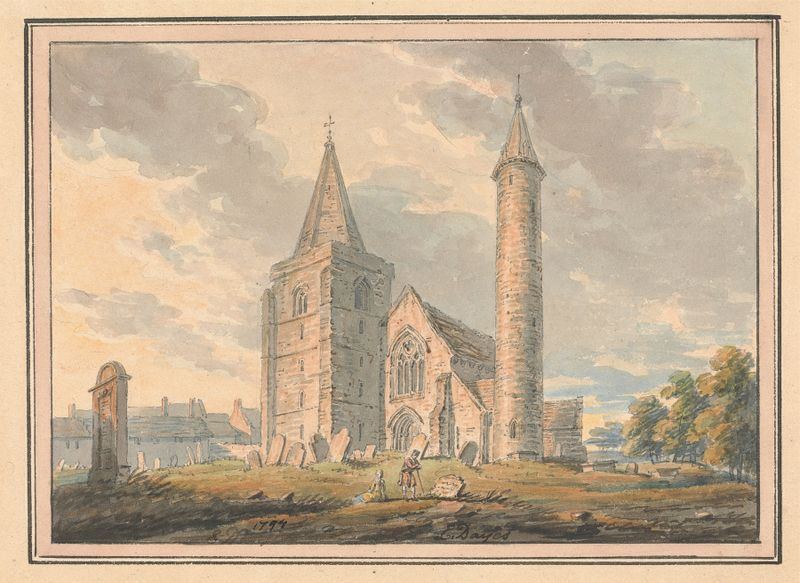
Brechin Cathedral and round tower, Forfarshire, Scotland
Edward Dayes
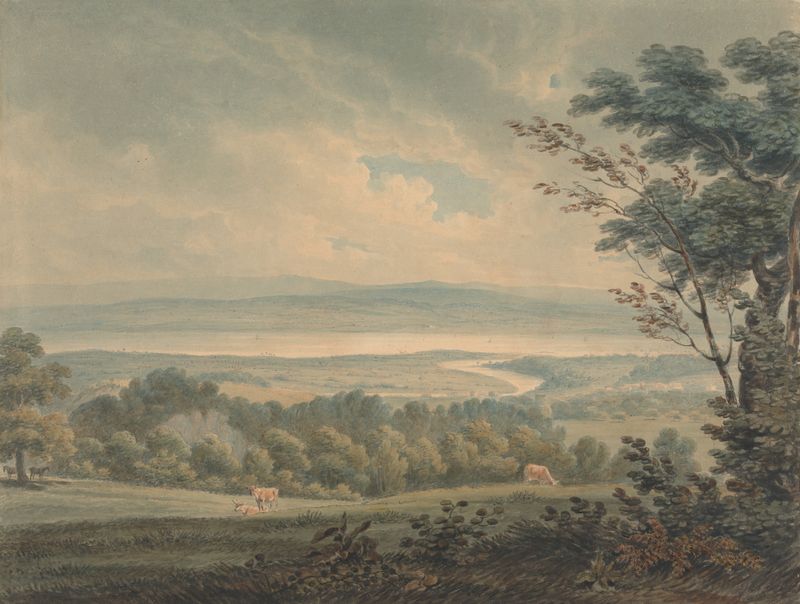
The Meeting of the Rivers Severn and Wye, near Chepstow
Edward Dayes

Ruins of the Old Kirk, Isle of Bute
Edward Dayes
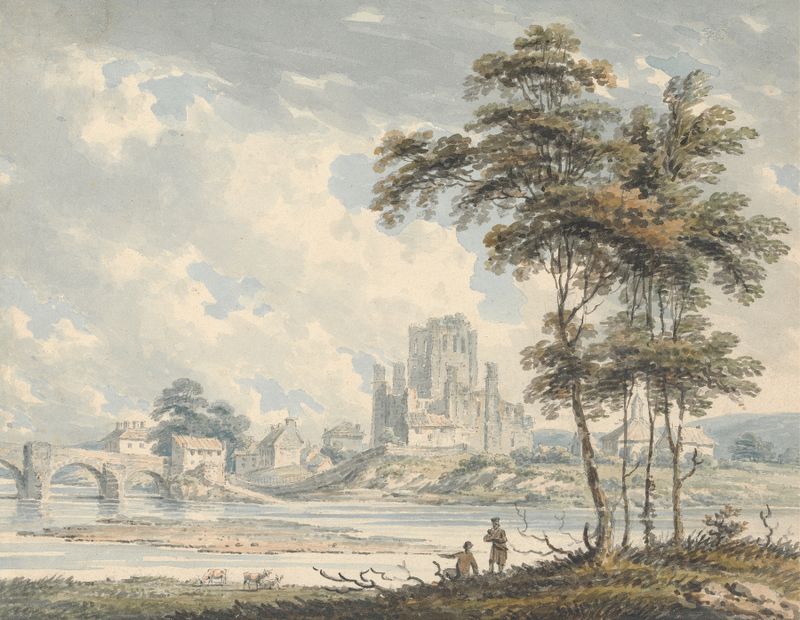
Kelso Abbey, Rosburghshire
Edward Dayes
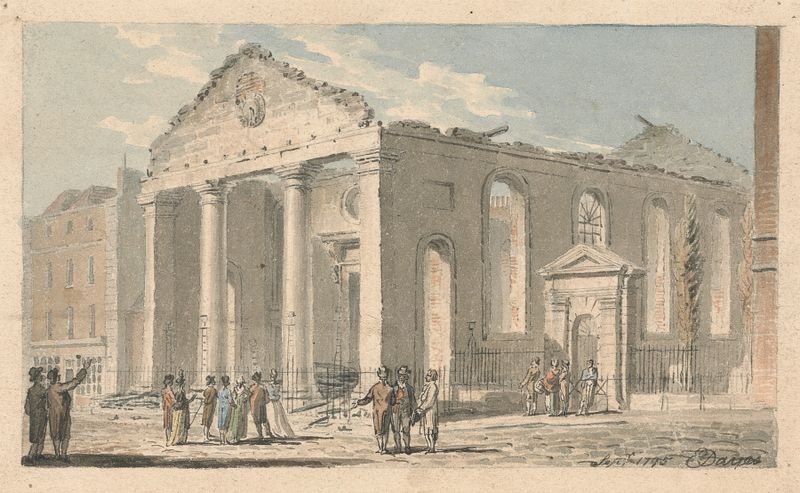
St. Paul’s Church, Covent Garden, after the fire
Edward Dayes
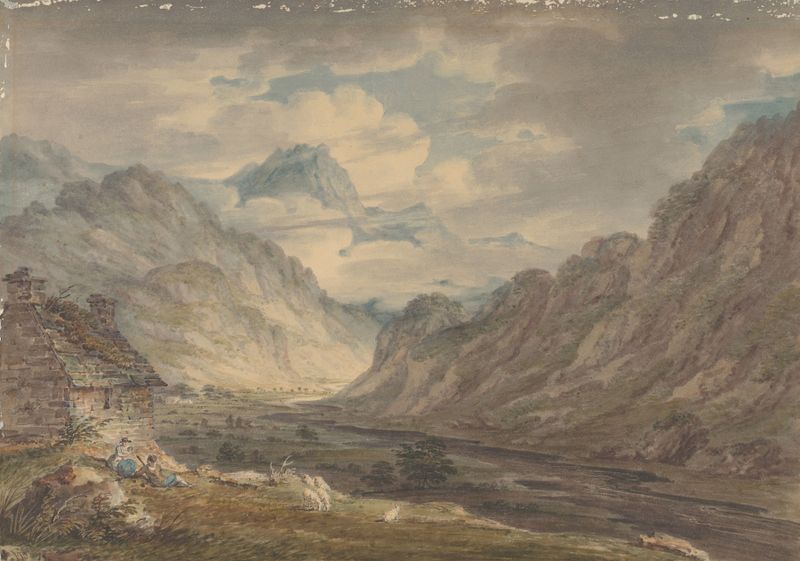
The Honister Pass from Gatesgarth Farm, Gatesgarthdale, Lake District
Edward Dayes
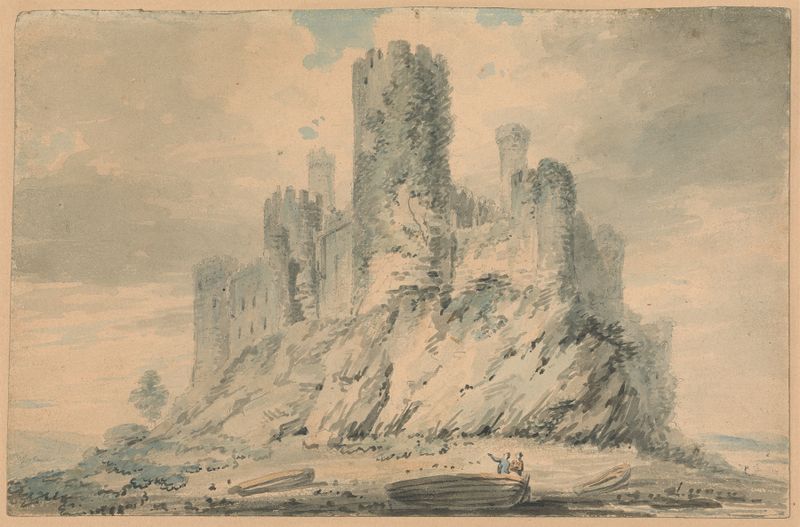
Conway Castle, Caernarvonshire
Edward Dayes
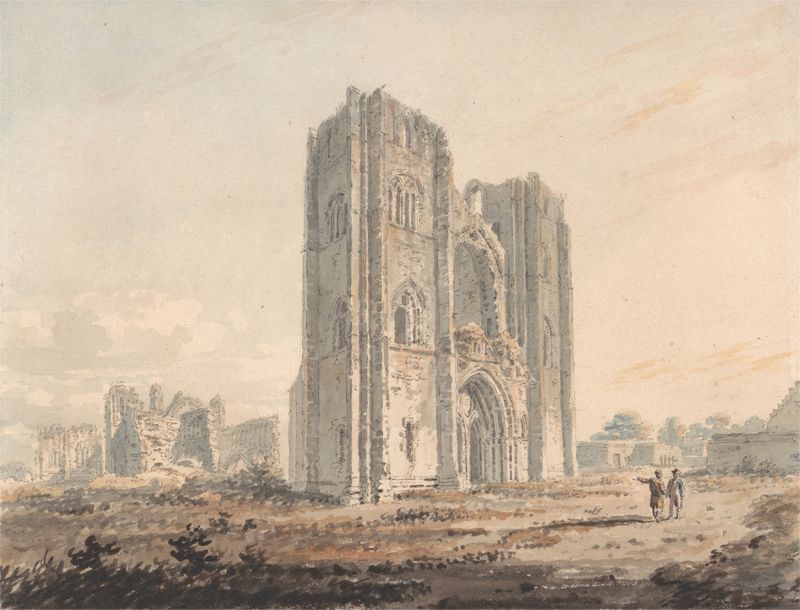
Elgin Cathedral, Moray
Edward Dayes

Lake scene
Edward Dayes
More Architecture Art
Browse all →
The statue of Liberty
Frédéric Auguste Bartholdi

View of Houses in Delft, Known as ‘The Little Street’
Johannes Vermeer

View of Houses in Delft, Known as ‘The Little Street’
Johannes Vermeer

The Cathedral in Rouen. The portal, Grey Weather
Claude Monet

The yellow house
Vincent van Gogh

The Church in Auvers-sur-Oise, View from the Chevet
Vincent van Gogh