Quiberville — History & Facts
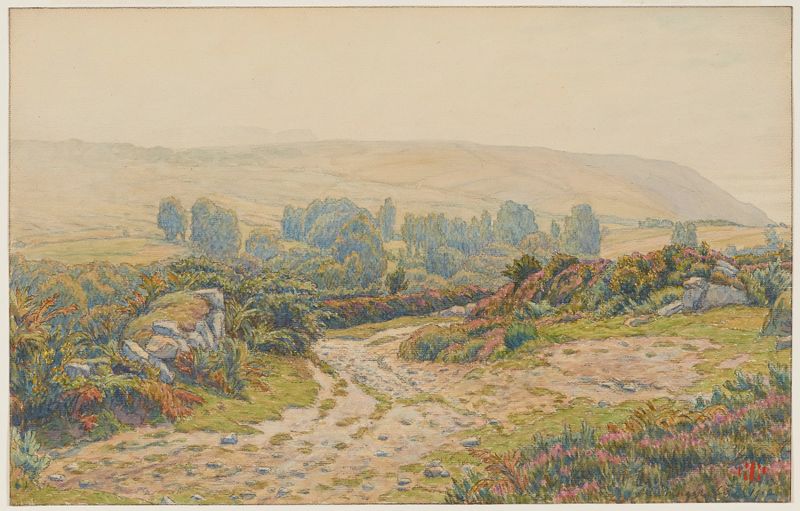
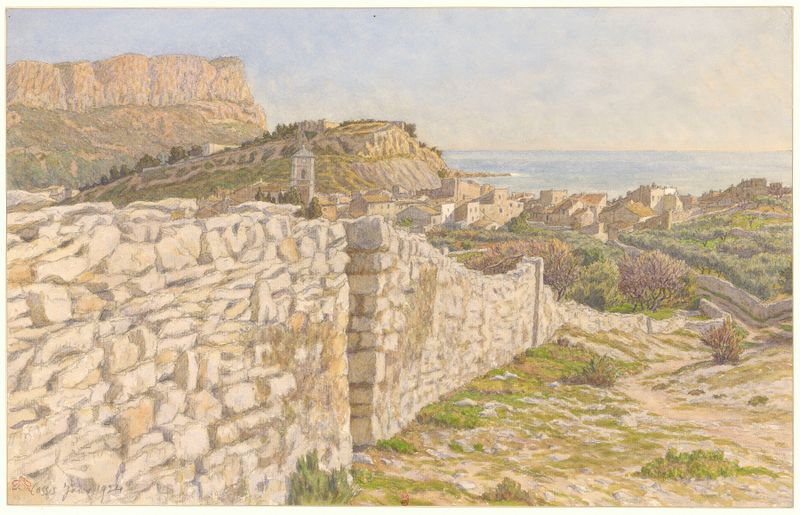
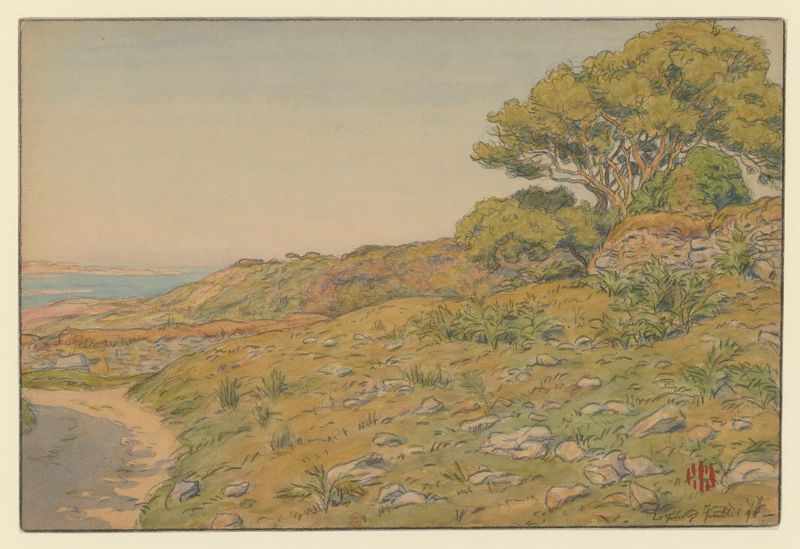
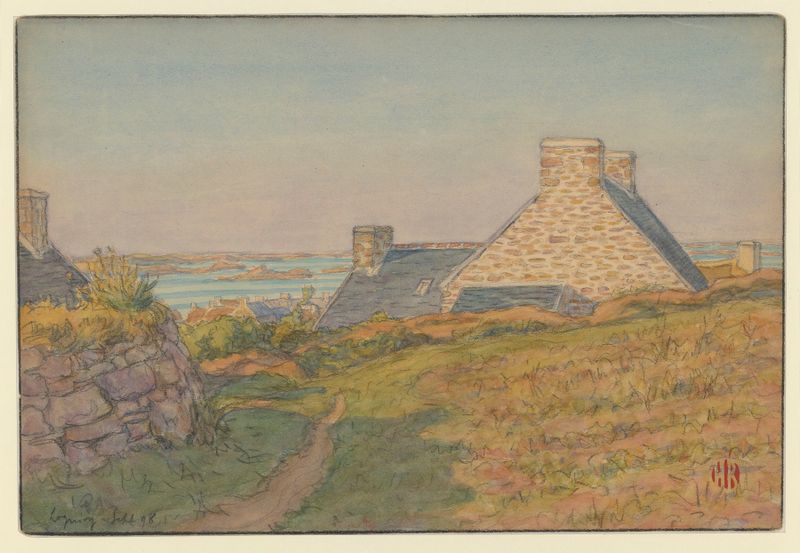
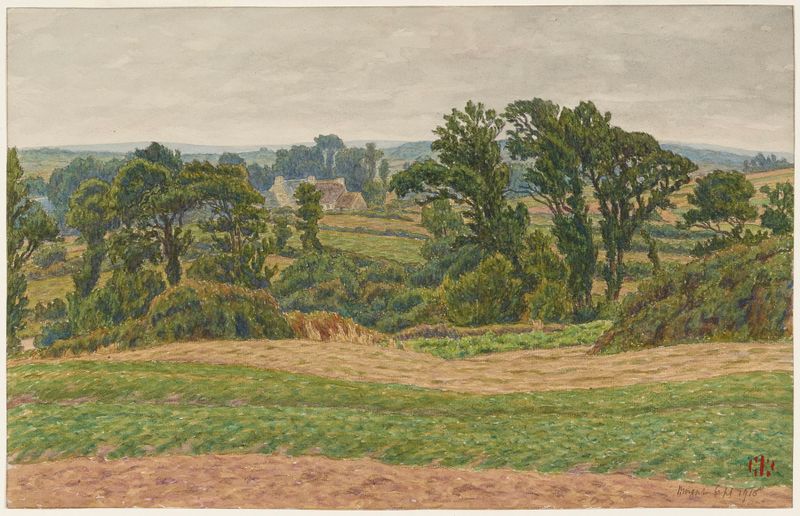
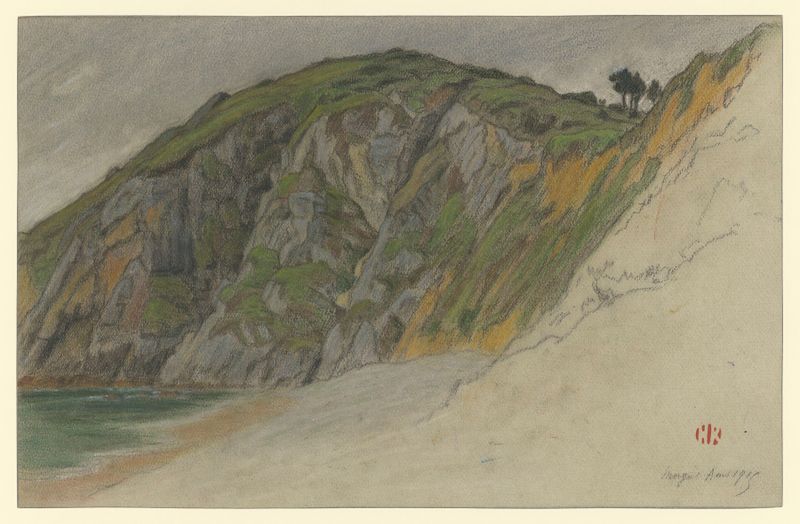
When did color learn to lie? In Quiberville, the delicate interplay of hues whispers secrets of hope amidst the fleeting nature of perception. Focus first on the vibrant blues, where the sea meets the horizon. The gentle waveforms undulate, their swirling patterns almost inviting the viewer to lose themselves in the depths. Notice how the painter's brushstrokes create a dance of light upon the water, hinting at moments of reflection and solitude.
The sandy shore, a warm golden hue, cradles the shoreline, contrasting sharply with the coolness of the ocean, inviting contemplation on the meeting of land and sea. Within this tranquil setting lies an emotional tension—an interplay between the serene beauty of nature and the underlying fears of isolation. The seemingly idyllic scene carries a weight, a sense of longing that pervades the composition. Look closely at the clouds, their soft forms capturing the essence of fleeting thoughts—reminders of dreams that may or may not be realized.
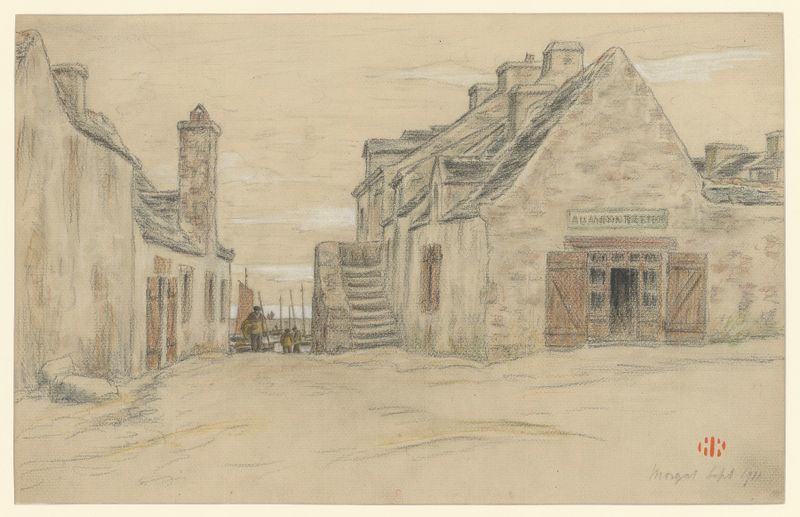
They frame the horizon, suggesting both distance and possibility, embodying the essence of hope that permeates this work. Created in 1926, Quiberville emerged during a period of art marked by shifts towards abstraction and expressionism. Rivière, while residing in France, was exploring the relationship between color and emotion, seeking to capture fleeting moments of beauty in his landscapes. At that time, he was influenced by the coastal scenery of Normandy, which profoundly shaped his artistic journey, reflecting his desire to convey deeper meanings through simplicity and color.