Quiberville — History & Facts
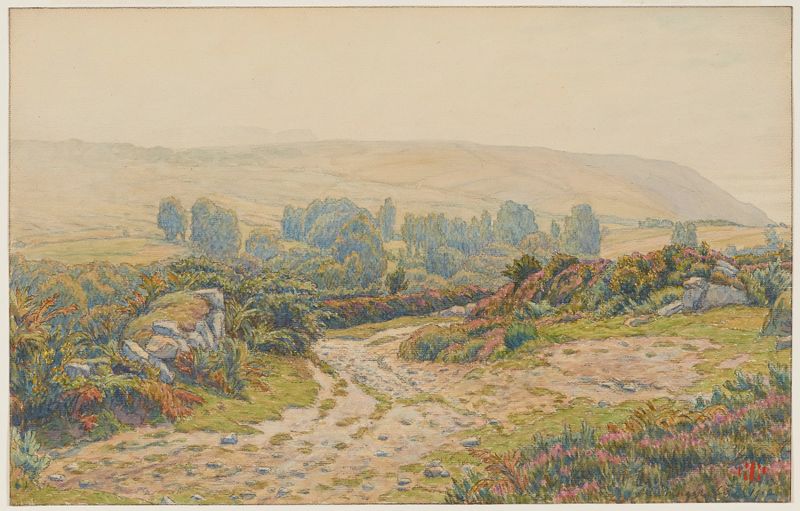
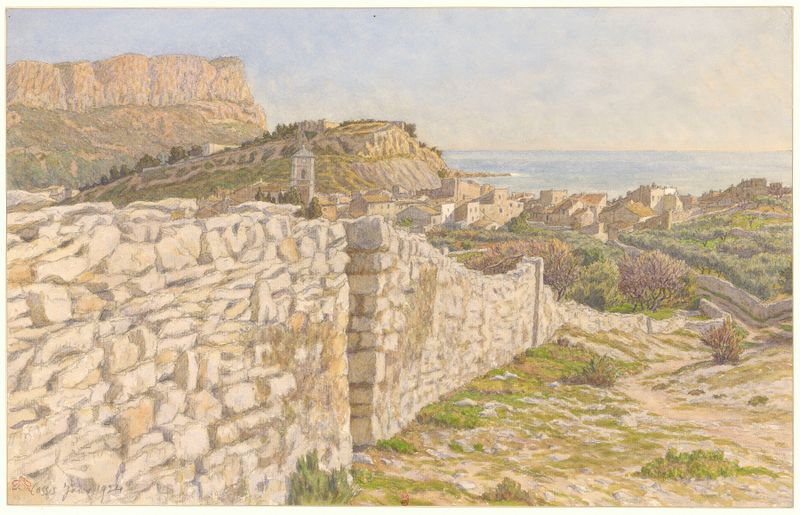
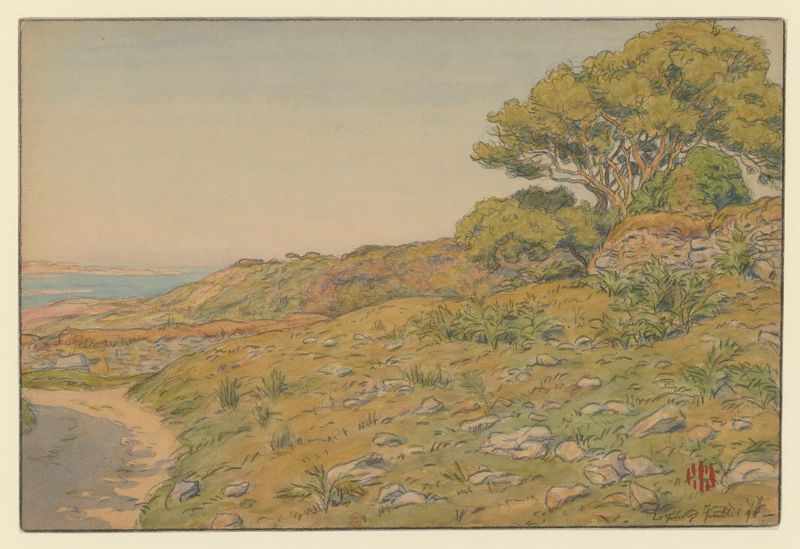
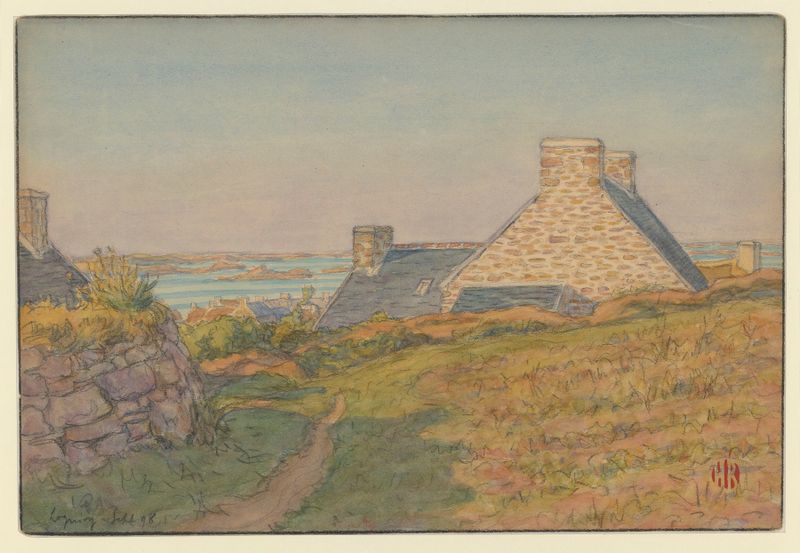
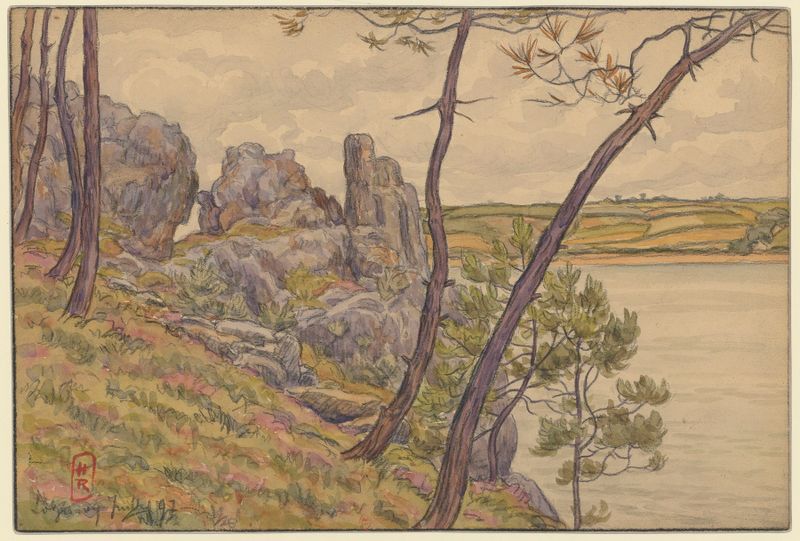
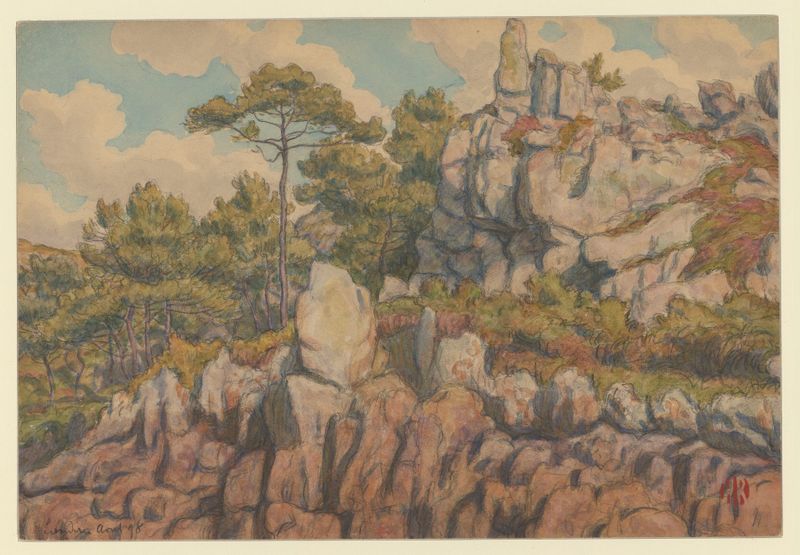
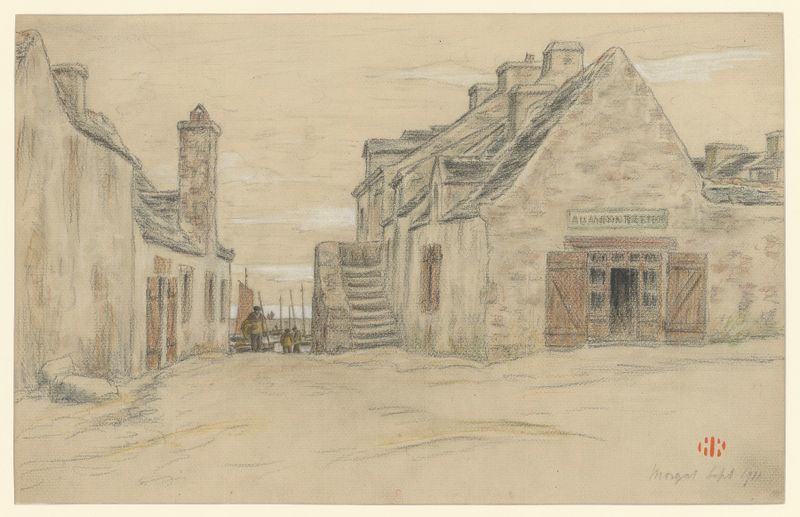
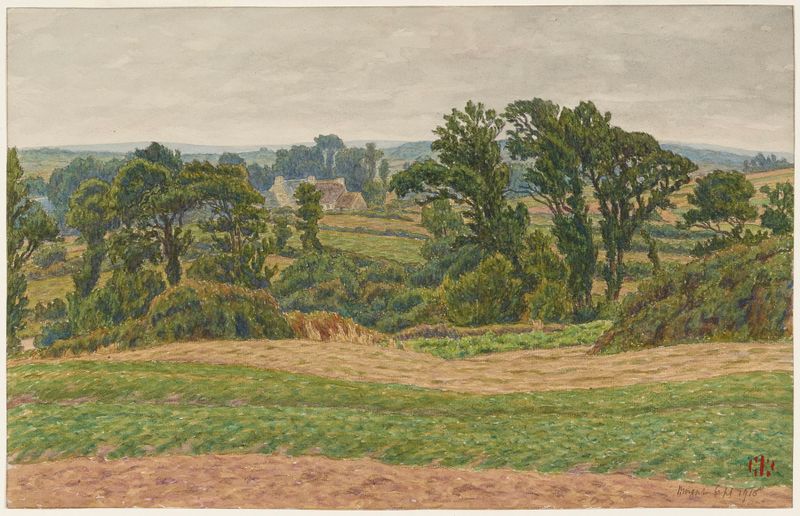
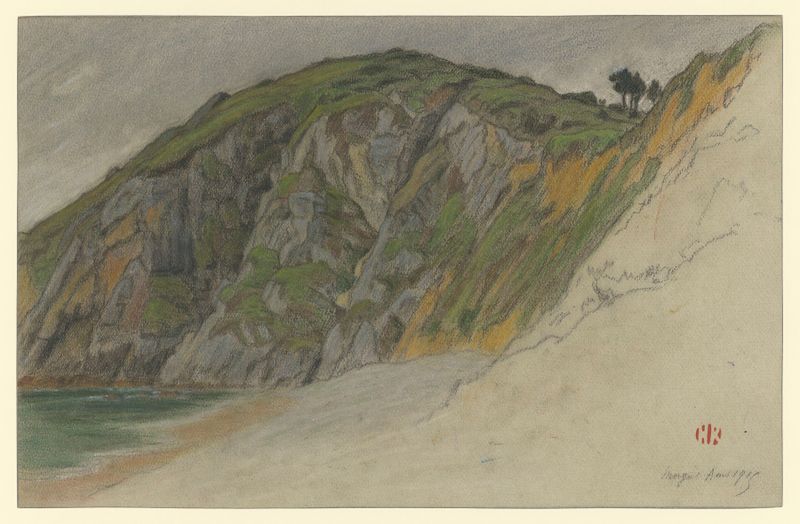
Can paint confess what words never could? In Quiberville, chaos unfurls across the canvas, a tumult of emotions captured in vibrant hues and sweeping forms. Look to the center, where abstracted waves crash against a distant shore, each brushstroke a whisper of the tumultuous sea. Notice how deep blues and greens collide, swirling with hints of lighter tones that pulse like a heartbeat, revealing Rivière's mastery of color and texture. The horizon line, almost imperceptible, draws the eye upwards, inviting contemplation of the vastness beyond the tumult—a sky that mirrors the tumult of the sea below. Within this vibrant chaos, there lies an undercurrent of tension—between calm and storm, the known and the unknown.
Elements appear to dance and clash, suggesting a dialogue between nature's wildness and the structures humanity attempts to impose upon it. A fleeting glance at the textured surface reveals hidden stories, as if each layer of paint holds within it a fragment of whispered secrets or unexpressed fears. In 1925, Rivière painted Quiberville amid a shifting post-war artistic landscape, where movements like Impressionism and Fauvism were evolving. Living in a period marked by experimentation and emotional exploration, the artist sought to convey the raw power of nature through abstraction.
This work reflects his desire to transcend traditional representation, instead capturing the chaotic beauty of existence in a time when the world was still grappling with the aftermath of conflict.