Quiberville — History & Facts
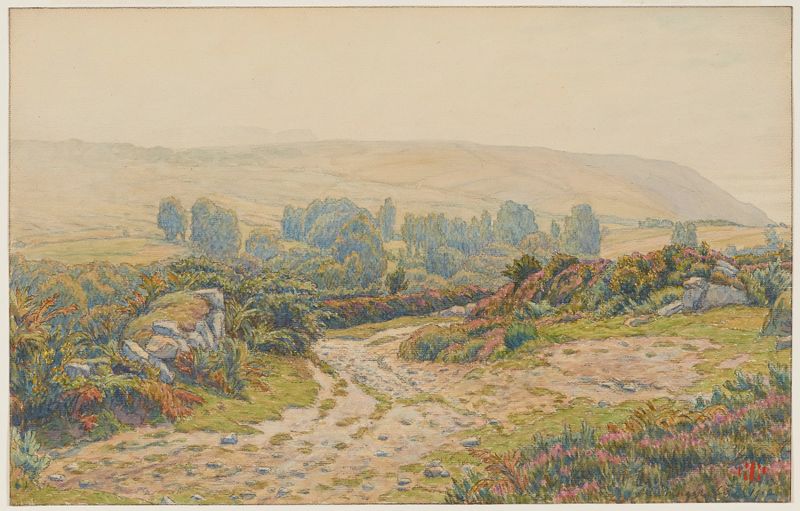
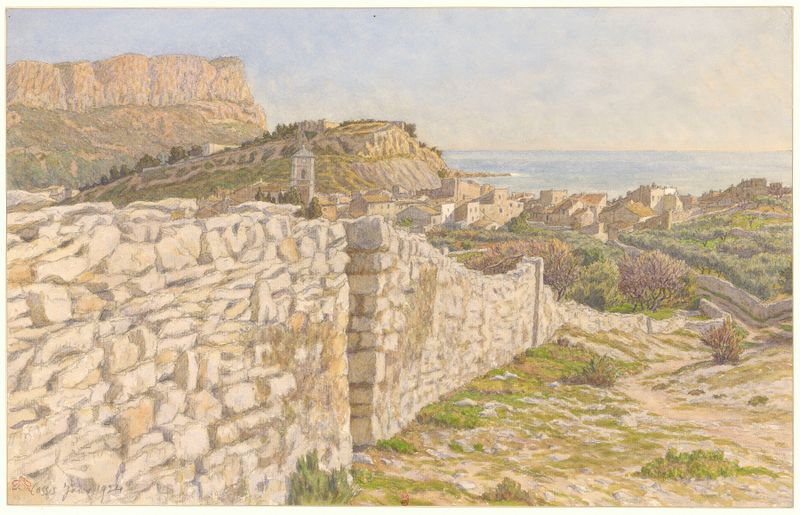
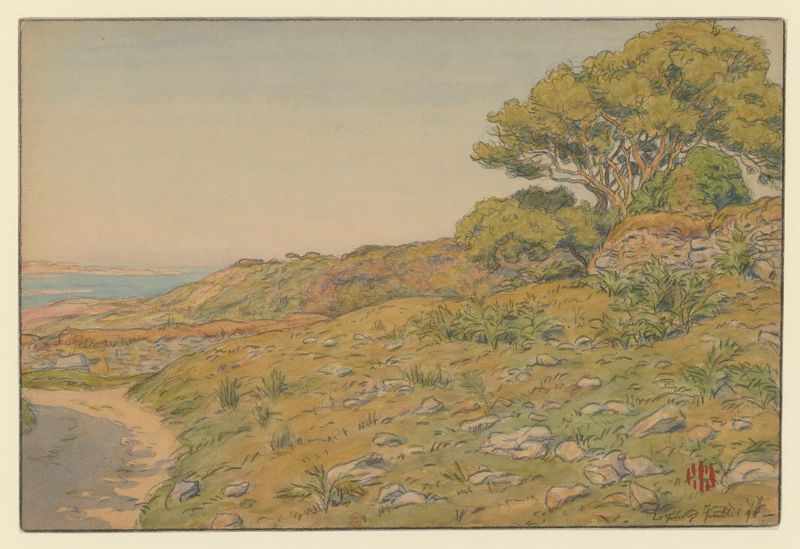
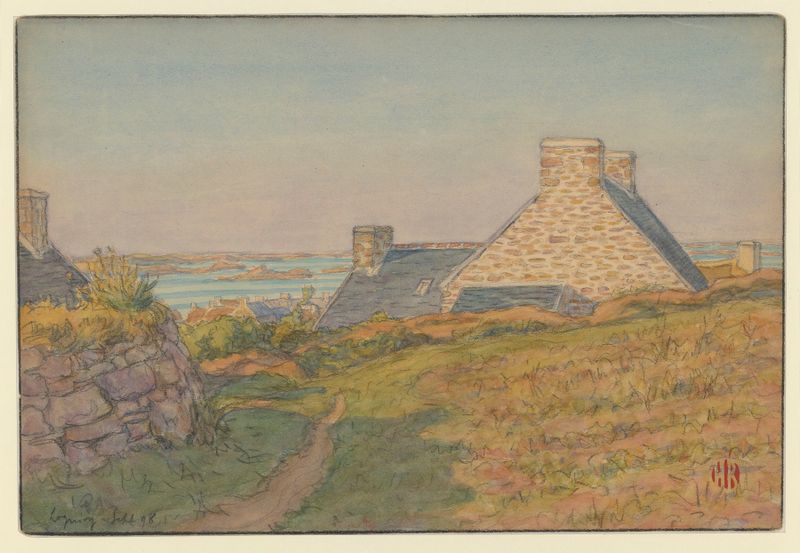
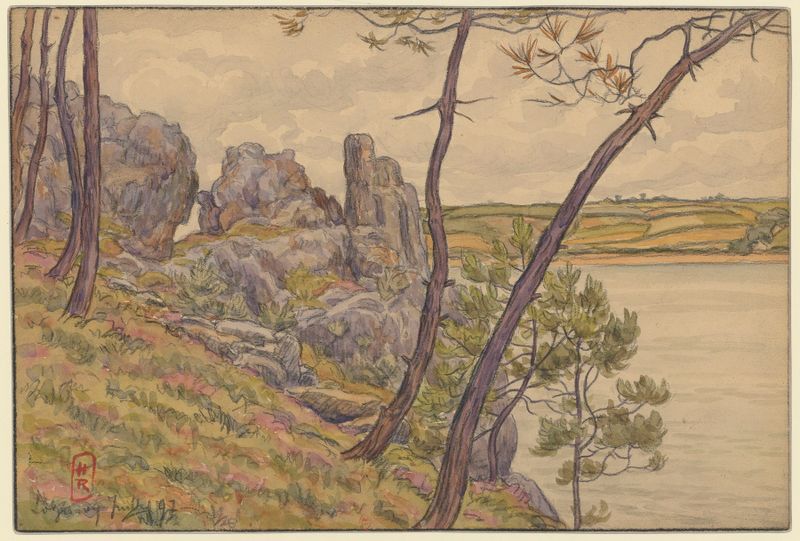
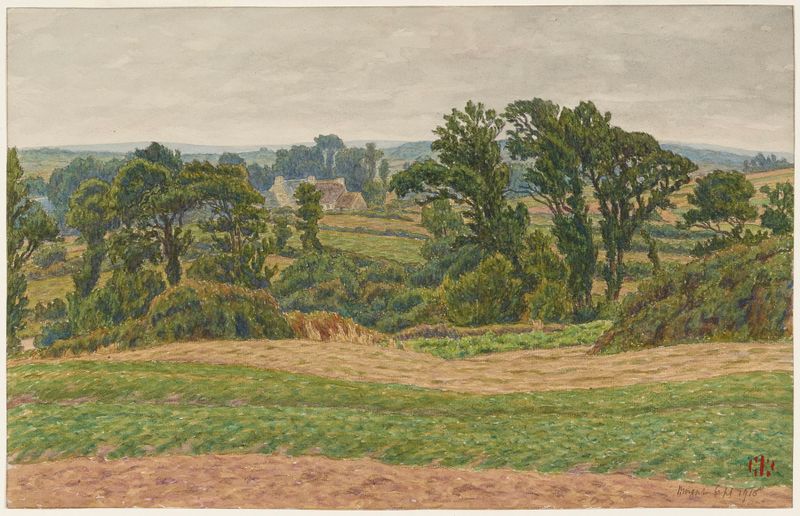
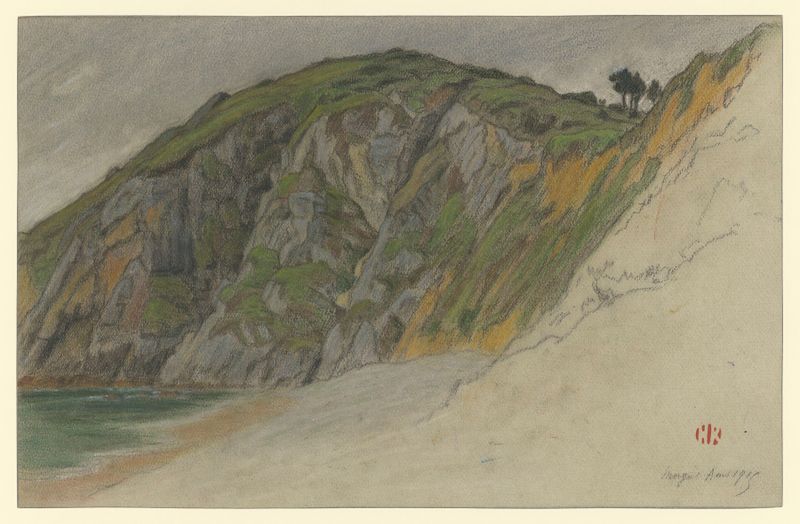
Can beauty exist without sorrow? In Quiberville, the answer is woven into the soft strokes of a shoreline that whispers secrets of longing and hope. This painting encapsulates the delicate dance between desire and the inevitable transience of life, a moment suspended yet filled with unfulfilled yearning. Focus your gaze on the gentle undulations of the sea, where the rich palette of blues and greens harmonizes with the sandy shores. The artist employs a nuanced technique, blending colors seamlessly to create a sense of depth and movement.
Notice how the light plays upon the water’s surface, shimmering like fleeting moments of joy against the steady, grounding force of the shore. Rivière invites you to explore the horizon, where sky and water meld into a tranquil embrace, seemingly promising adventure yet hinting at the bittersweet nature of unattainable dreams. The foreground, dotted with subtle figures, evokes a profound emotional tension; their silhouettes are imbued with a sense of longing, gazing towards the horizon but trapped in the present. This dichotomy—the pull of desire against the stillness of the moment—encompasses the viewer in a realm of introspection.
The contrast between the serene landscape and the figures’ silent yearning underscores the theme of desire, suggesting that the beauty of life resides not just in its fulfillment, but also in its unachieved aspirations. Created in 1925, this work emerged during a time when Henri Rivière was exploring the interplay of nature and human emotion in his art. Living in France, he was influenced by the rise of modernism, yet his dedication to capturing ephemeral beauty remained steadfast. This piece, like many of his works, reflects both personal and universal themes, embodying the delicate balance between desire and the reality of existence during an era of significant artistic evolution.