
Quiet Canal — History & Facts
In the stillness of Quiet Canal, loss lingers like a whispered farewell, inviting reflection on what has been left behind. Focus on the left side of the canvas, where soft, muted blues blend into tranquil grays, evoking a sense of melancholy. The water, almost like a mirror, reflects the delicate silhouettes of trees, their leaves rendered with gentle strokes, creating an ethereal serenity. Notice how the horizon, painted in subtle gradients, draws the eye toward a distant, almost elusive light, hinting at hope intertwined with nostalgia. The painting’s emotional weight unfolds in its contrasts.
The serene canal juxtaposes the tranquil beauty of nature with the haunting absence it suggests, as if the boats and figures are mere memories adrift in time. The absence of human activity amplifies the sense of solitude, while the gentle ripples on the water surface ripple the stillness, echoing the inner ripples of grief and longing. During the late 1870s, the artist found himself exploring themes of beauty and loss while living in London, a time when he was fiercely pursuing his vision of art as an experience beyond the mere representation of reality. Quiet Canal emerged during a period marked by personal struggles and a search for emotional depth, reflecting a profound connection between the artist's life and the art movement’s shift toward Impressionism, embracing the ephemeral qualities of light and atmosphere.
More Artworks by James Abbott McNeill Whistler
Browse all →
Nocturne in Blue and Silver
James Abbott McNeill Whistler
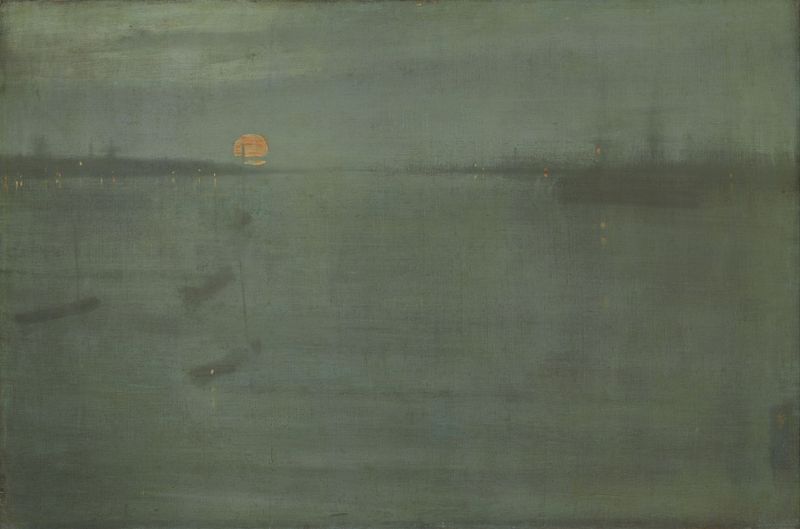
Nocturne: Blue and Gold–Southampton Water
James Abbott McNeill Whistler
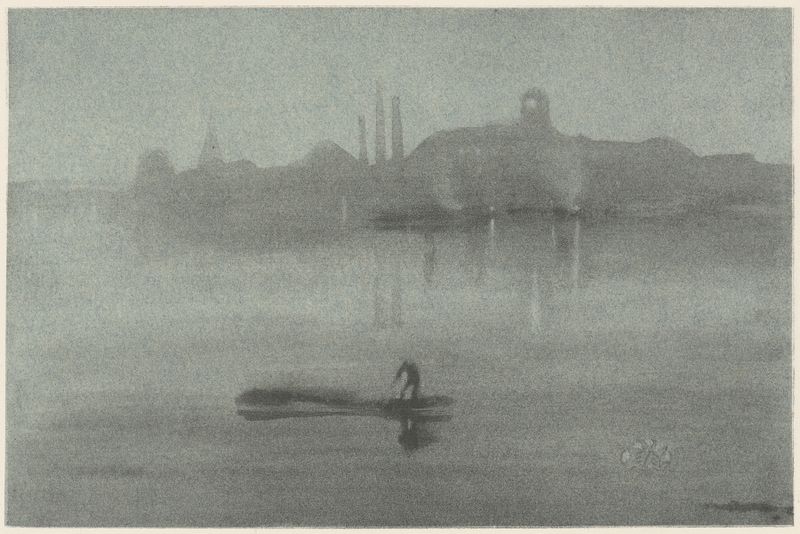
Nocturne
James Abbott McNeill Whistler
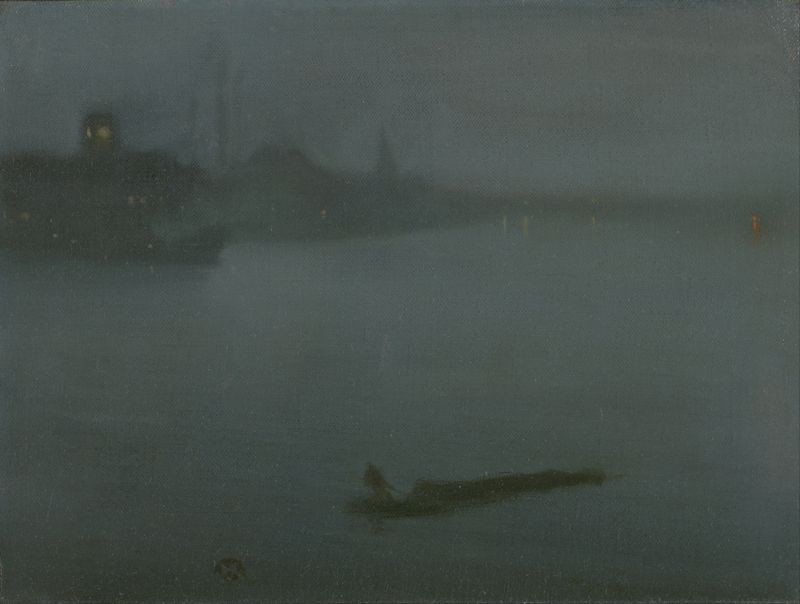
Nocturne in Blue and Silver
James Abbott McNeill Whistler
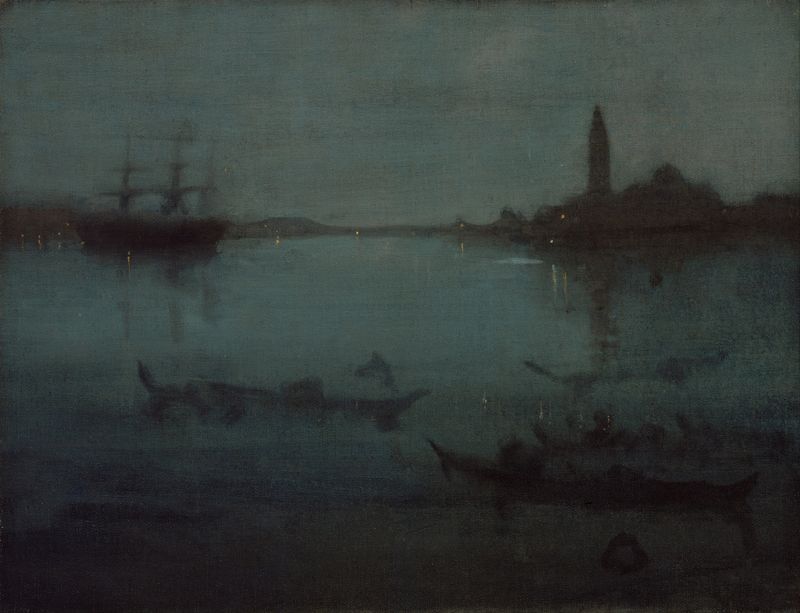
Nocturne in Blue and Silver- The Lagoon, Venice
James Abbott McNeill Whistler
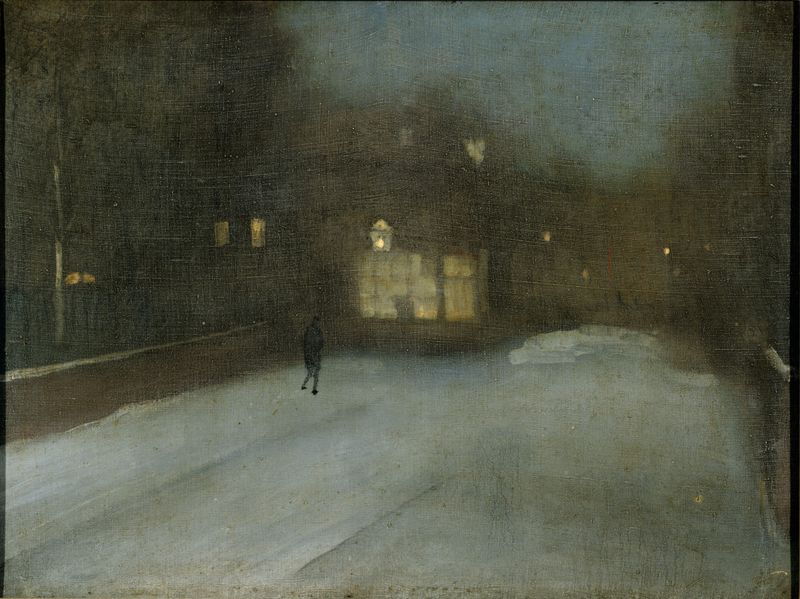
Nocturne in Grey and Gold: Chelsea Snow
James Abbott McNeill Whistler
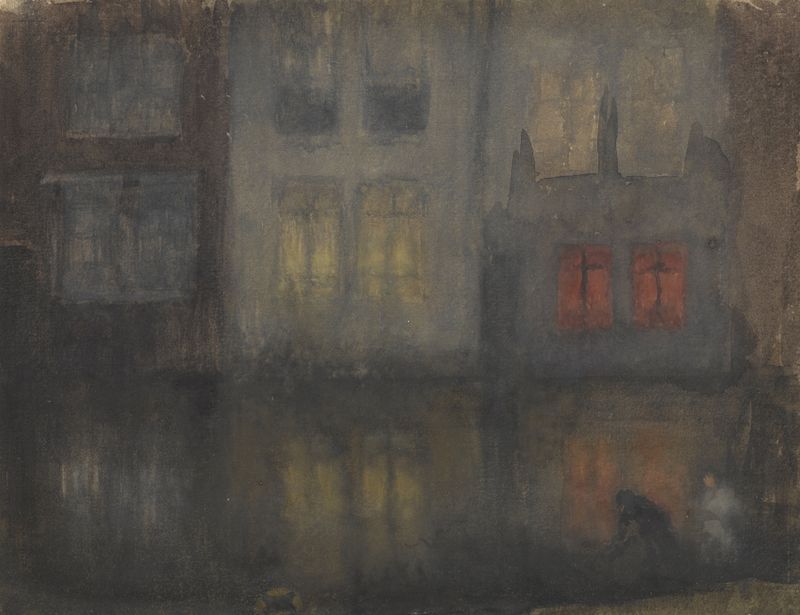
Nocturne: Black and Red—Back Canal, Holland
James Abbott McNeill Whistler
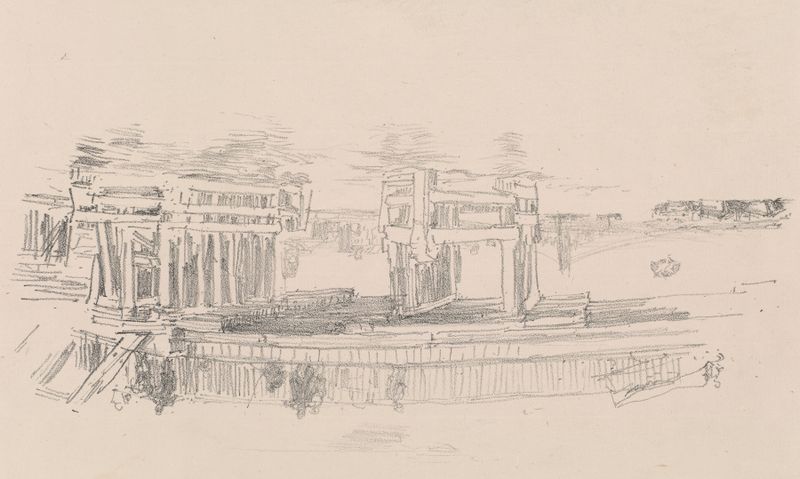
Old Battersea Bridge
James Abbott McNeill Whistler

Nocturne: Blue and Silver–Battersea Reach
James Abbott McNeill Whistler
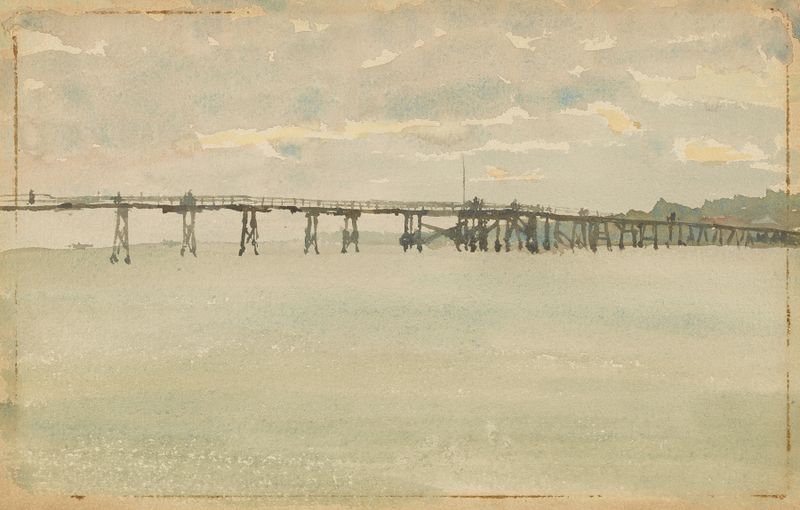
Grey and Silver–Pier, Southend
James Abbott McNeill Whistler





