
Railroad Bridge over the Marne at Joinville — History & Facts
A plume of black smoke carves a diagonal across the sky, drawing the viewer’s gaze to the heart of Railroad Bridge over the Marne at Joinville. The bridge’s brick arches stride confidently over the river, their reflection rippling in the blue-green water below. In the foreground, figures linger on the grassy bank—one intent on fishing, another shaded beneath a dark hat—while the train above barrels forward, a symbol of speed and modernity.
The contrast is striking: the quiet persistence of rural life set against the unstoppable advance of industry. Guillaumin’s brushwork gives the clouds a restless energy, echoing the tension between old rhythms and new forces. Painted between 1871 and 1875, this work belongs to a moment when France was rebuilding and redefining itself after the upheaval of war. Artists like Armand Guillaumin found inspiration in the changing landscape, where railways stitched together countryside and city, and the Marne’s banks became a stage for both leisure and labor.
Such scenes were rarely grand commissions; instead, they spoke to a new audience fascinated by the everyday and the ordinary transformed by light and movement. Today, the painting’s place in the Metropolitan Museum of Art’s collection is a quiet testament to how even an unassuming stretch of riverbank can capture the pulse of an era—inviting us to linger, as the fisherman does, and watch the world change.
More Artworks by Armand Guillaumin

La Seine À Charenton
Armand Guillaumin
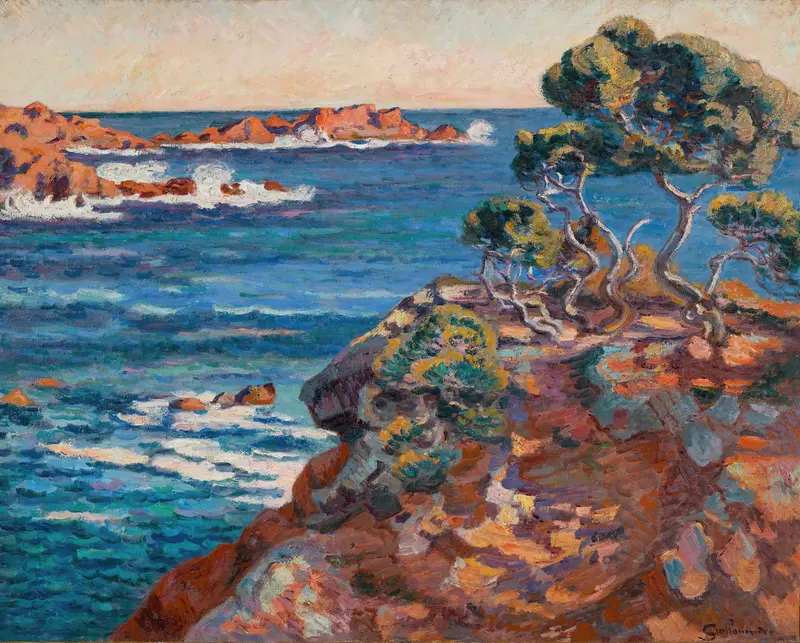
Bord De Mer À Agay
Armand Guillaumin
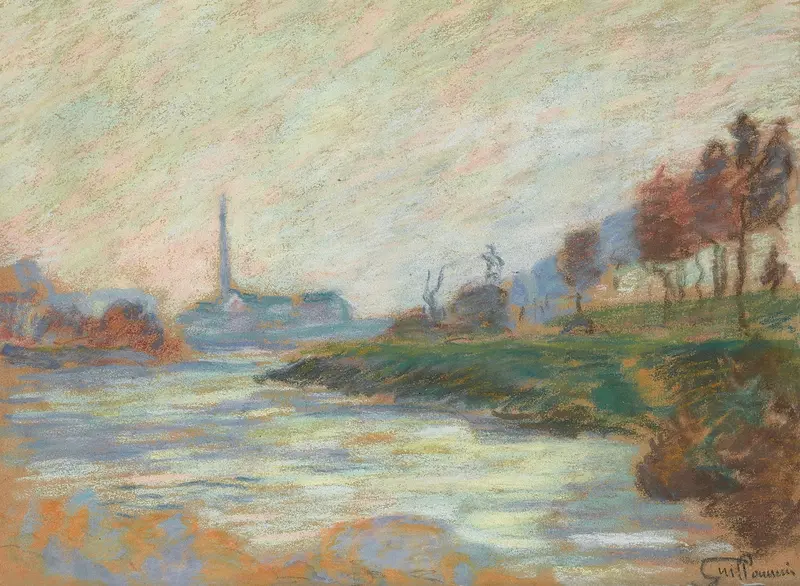
Confluent De La Marne Et De La Seine, Île De La France
Armand Guillaumin
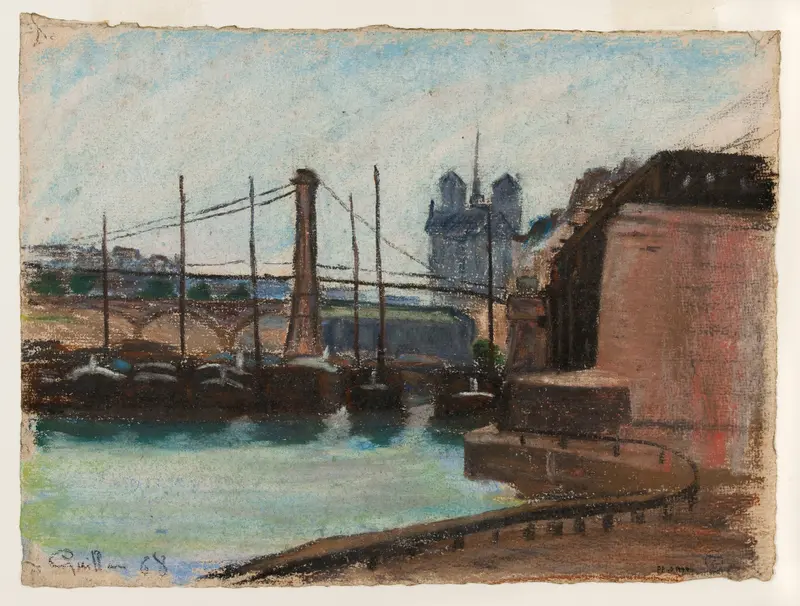
Le Pont d’Austerlitz
Armand Guillaumin
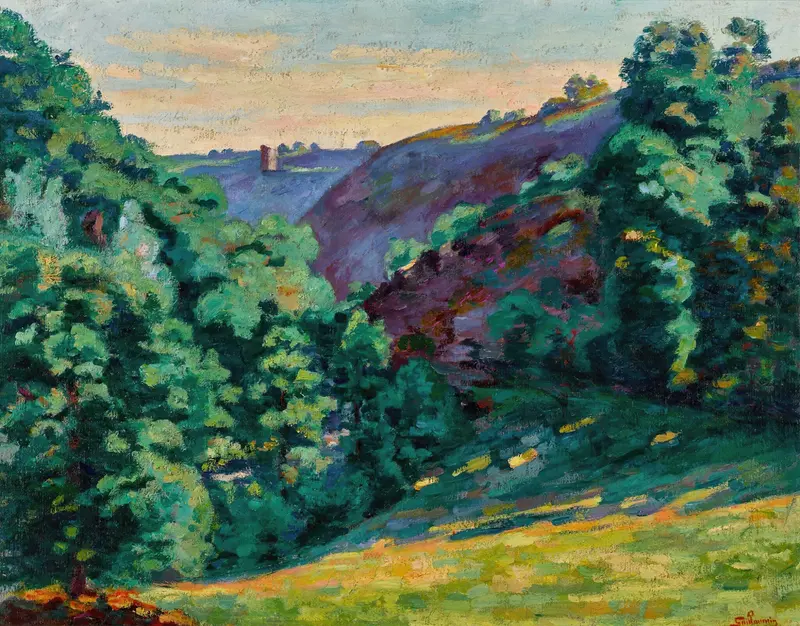
Le Ravin de la folie, vue de Chateau Crozant
Armand Guillaumin
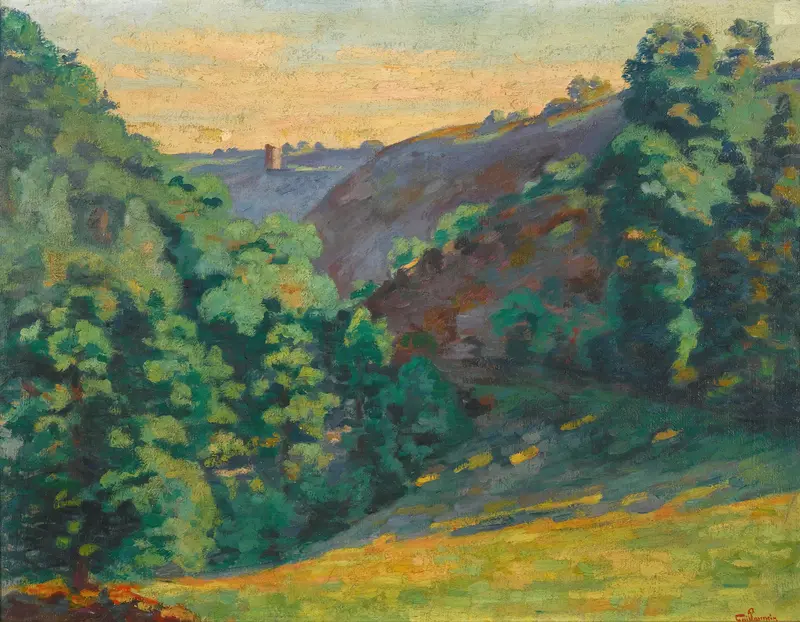
Crozant, Le Ravin De La Sedelle À La Folie
Armand Guillaumin
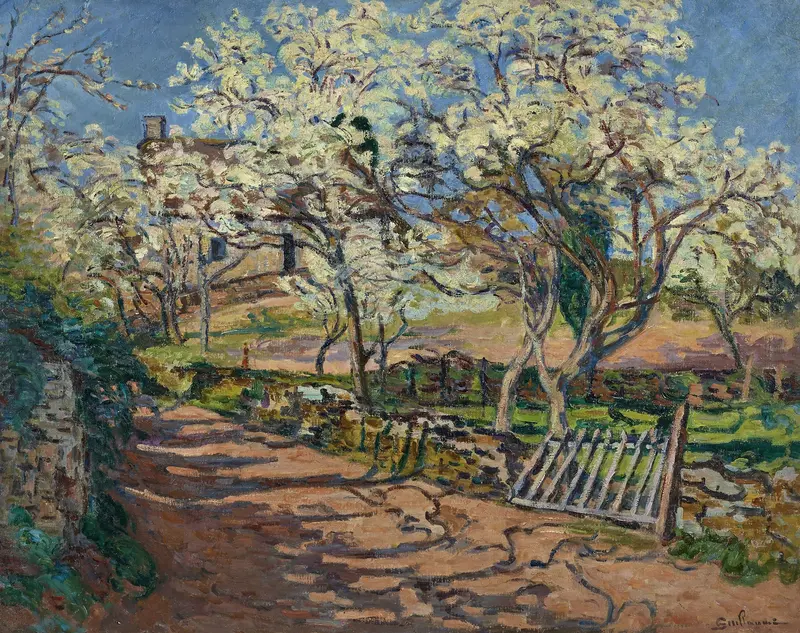
Paysage de Printemps
Armand Guillaumin
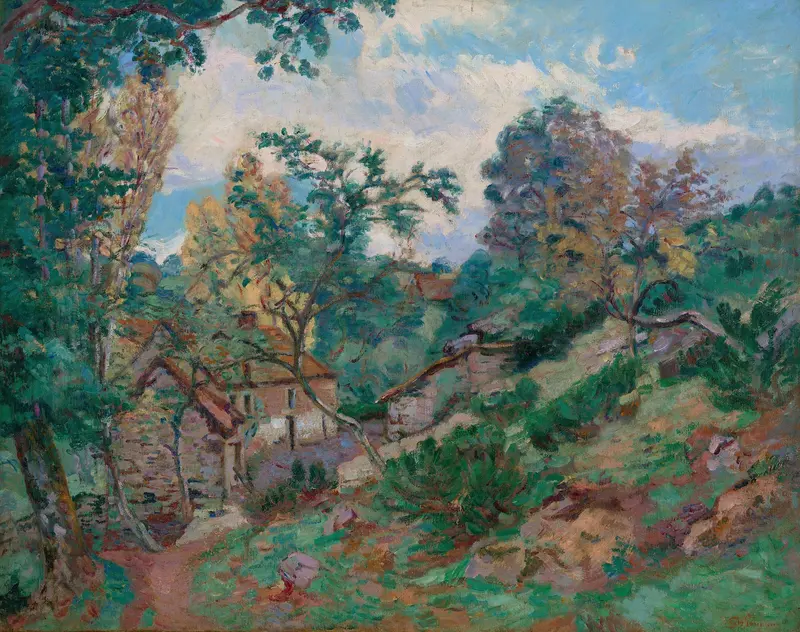
Paysage
Armand Guillaumin
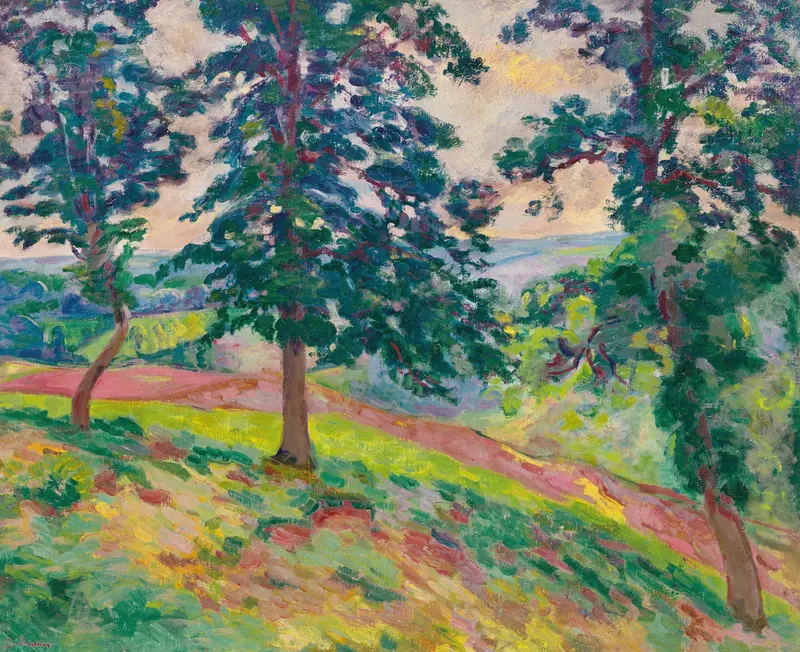
La vallée de la creuse
Armand Guillaumin
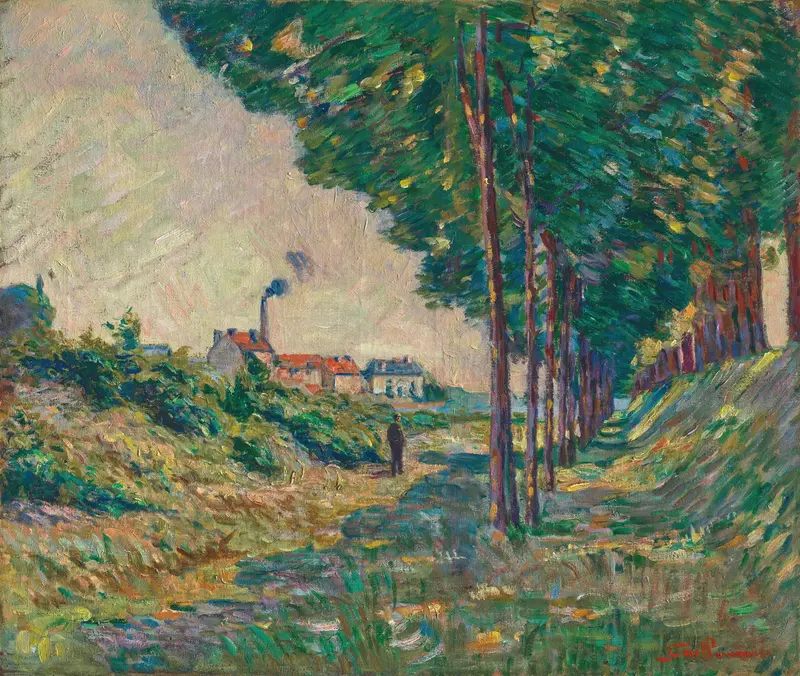
Le chemin de halage à Charenton, Ile de France
Armand Guillaumin
More Landscape Art

The Starry Night
Vincent van Gogh

View of Delft
Johannes Vermeer

Water Lilies
Claude Monet

The Grand Canal, Venice, looking north-west from the Ca' Corner to the Ca' Contarini degli Scrigni, with the campanile of Santa Maria della Carità
Canaletto

Windsor Castle
Canaletto

The Grand Canal looking North-East from the Palazzo Dolfin-Manin to the Rialto Bridge
Canaletto