Ram en ooien — History & Facts
When did color learn to lie? In Ram en ooien, hues speak a language of their own, crafting narratives that flirt with reality while teasing the imagination. This artwork invites us to peel back layers of perception and question the very essence of representation. Focus on the vibrant interplay of oranges and greens, where the light dances across the meticulously rendered sheep, creating a soft halo around their forms. The brushstrokes pulse with life, leading your gaze to the foreground, where a life-sized ram stands proudly.
Notice how the artist expertly captures the textures of the wool and the rippling grass beneath, each stroke revealing both the physical and emotional weight of the scene. The depth of the colors serves not merely to depict but to evoke a sense of warmth and intimacy. Yet, beneath this pastoral beauty lies a tension between the idyllic and the mundane. The sheep, with their inviting appearance, contrast sharply with the stark reality of their existence, suggesting themes of domesticity and the cycle of life.
It is a reminder of the dual nature of existence—nurture intertwined with fate. The delicate shadows hint at something deeper, suggesting how beauty can mask harsher truths, leaving the viewer both enchanted and contemplative. Simon de Vlieger painted this piece during the early 17th century, a time marked by the flourishing of Dutch Golden Age art. Living in Haarlem, he was immersed in a vibrant artistic community, grappling with the emerging art market and the complex social realities of his time.
His work reflects the period's fascination with naturalism and emotional resonance, capturing the essence of life while hinting at its underlying complexities.
More Artworks by Simon de Vlieger
Browse all →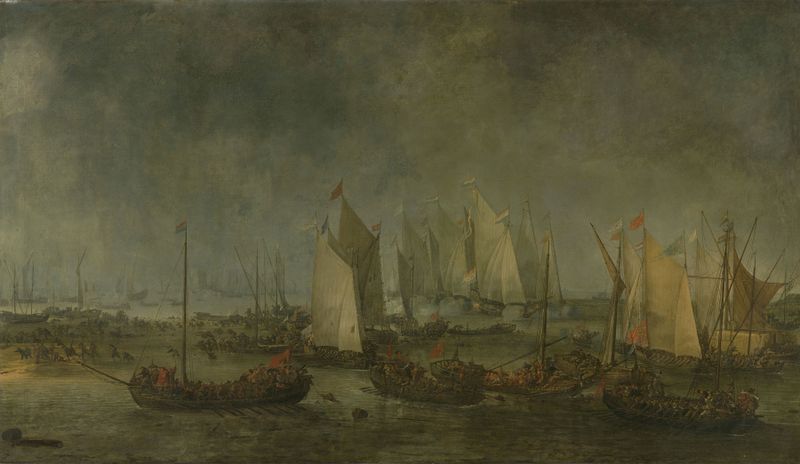
The Battle on the Slaak between the Dutch and Spanish Fleets during the Night of 12-13 September 1631
Simon de Vlieger

Stretch of coast by the Zuiderzee
Simon de Vlieger

Seaside in Scheveningen with fishing boats
Simon de Vlieger
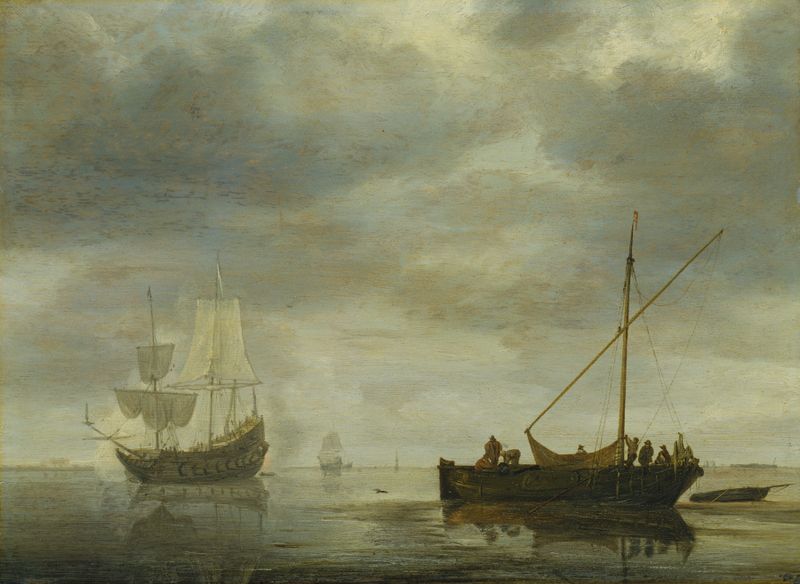
Single-Master and Frigate Firing Salute on a Calm Sea
Simon de Vlieger
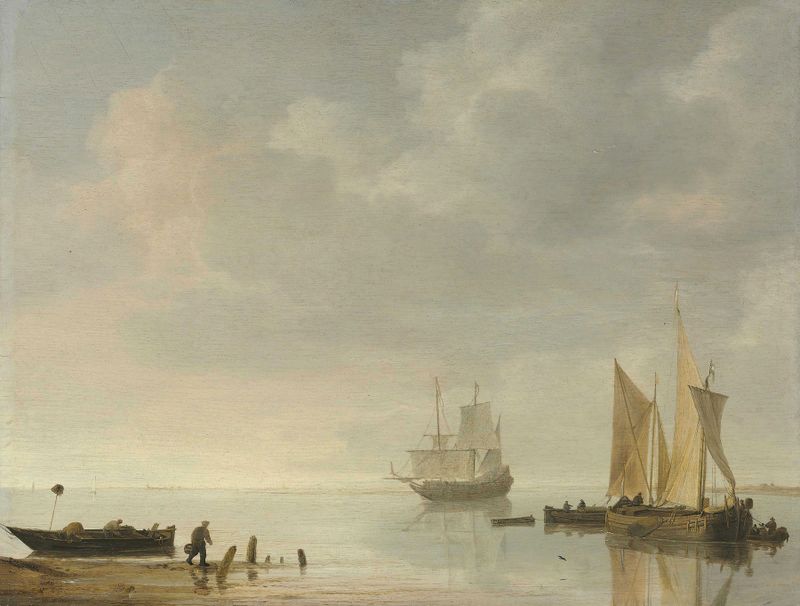
Coastal Scene With Ships Resting On Calm Waters
Simon de Vlieger

A calm estuary with a smalschip and a waterschip at anchor, with other ships in the distance
Simon de Vlieger
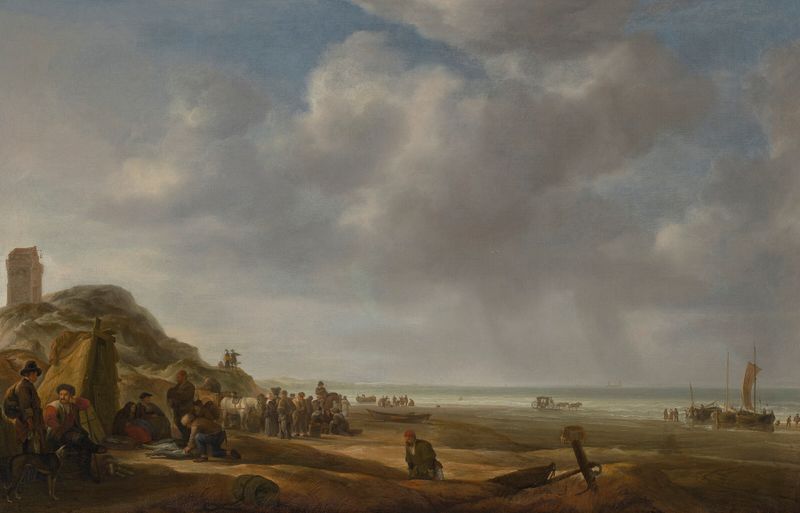
A beach scene with fishermen displaying their catch
Simon de Vlieger

Ship in Distress off a Rocky Coast
Simon de Vlieger
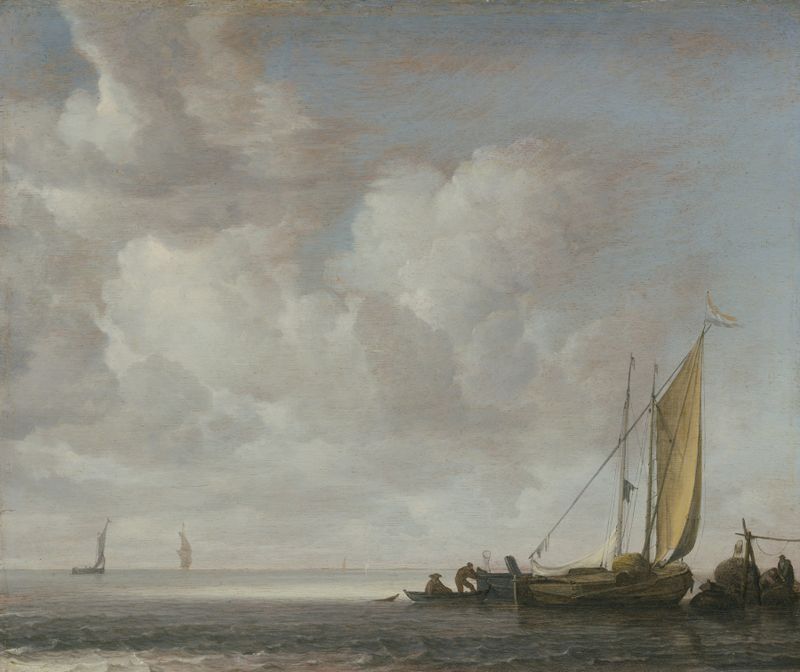
Calm Sea
Simon de Vlieger
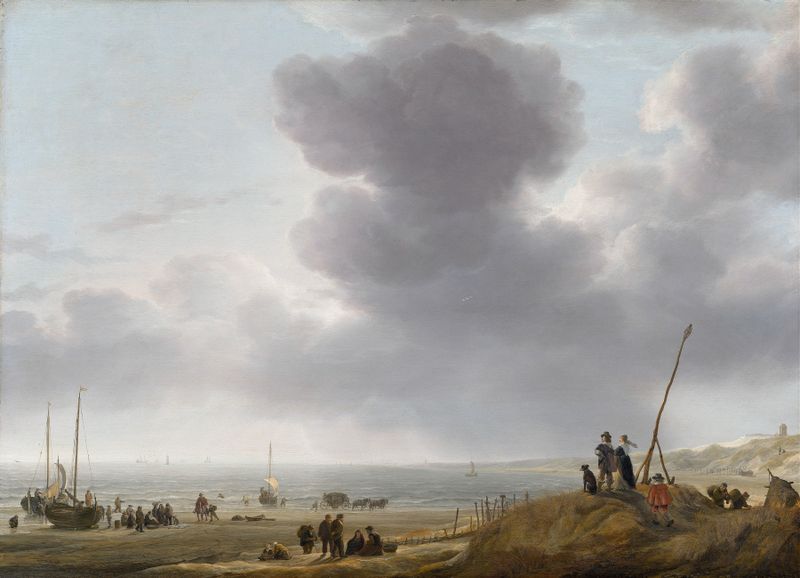
Beach View
Simon de Vlieger