
Rapid sketch of the Temple at Corinth — History & Facts
In moments of stillness, the innocence of a fleeting view can capture the essence of a place, a feeling, or a memory. Can a simple sketch convey the complexity of existence? Look to the lower left corner of Rapid Sketch of the Temple at Corinth and notice the delicate, almost ethereal strokes that define the temple’s imposing structure. The artist employs a light, airy palette, allowing soft blues and earth tones to harmonize in the fleeting light of dusk.
The gentle sweep of the brush captures the grandeur and fragility of ancient columns set against a backdrop of soft clouds, inviting the viewer into a sacred moment frozen in time. Beneath the surface, contrasts emerge — the solidity of the temple juxtaposed with the ephemeral nature of the surrounding sky. The sketch evokes a sense of nostalgia for lost civilizations while simultaneously highlighting the innocence of nature, as if the landscape itself cradles the ruins. Each stroke tells a story of impermanence, reminding us how beauty often lies in things that may not endure. Frederic Edwin Church created this piece in 1869 while living in New York.
At this time, he was deeply engaged with the Hudson River School, a movement celebrated for its romanticized landscapes. The world was evolving, and Church's work reflected a blend of scientific exploration and poetic sensibility, marking a significant moment in American art that sought to reconcile nature’s majesty with human experience.
More Artworks by Frederic Edwin Church
Browse all →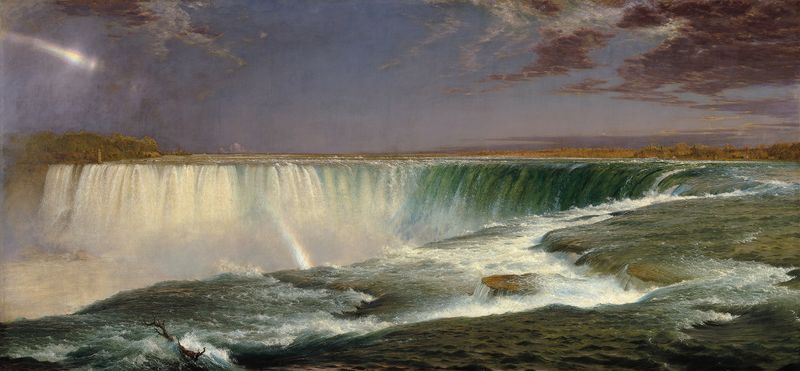
Niagara
Frederic Edwin Church
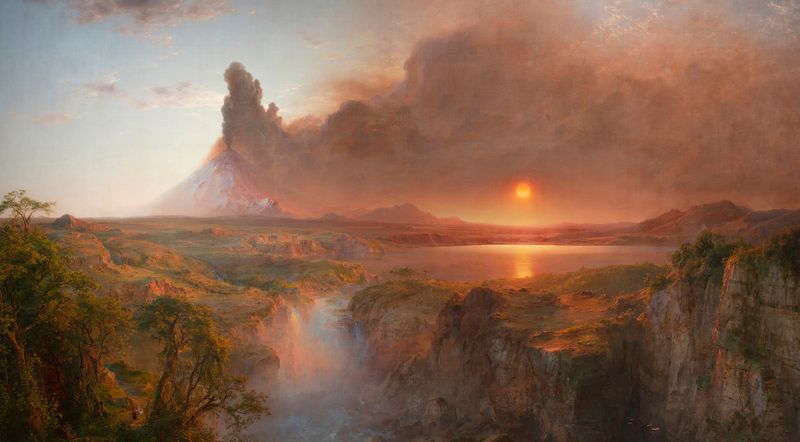
Cotopaxi
Frederic Edwin Church
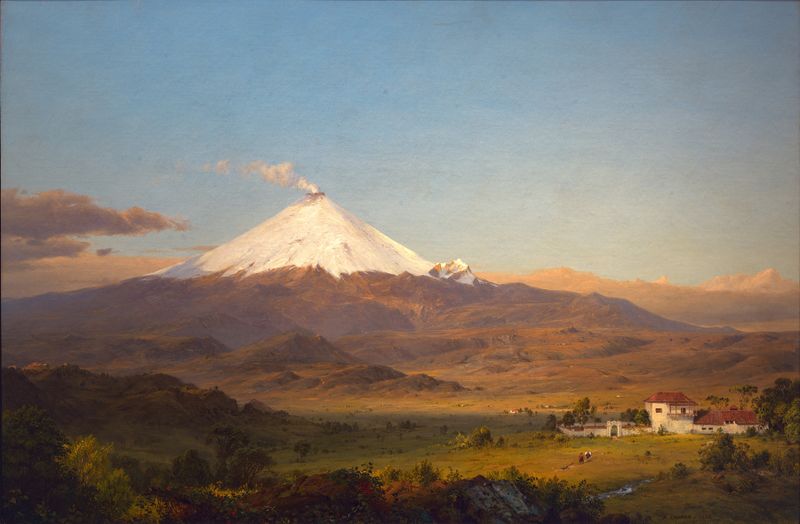
Cotopaxi
Frederic Edwin Church
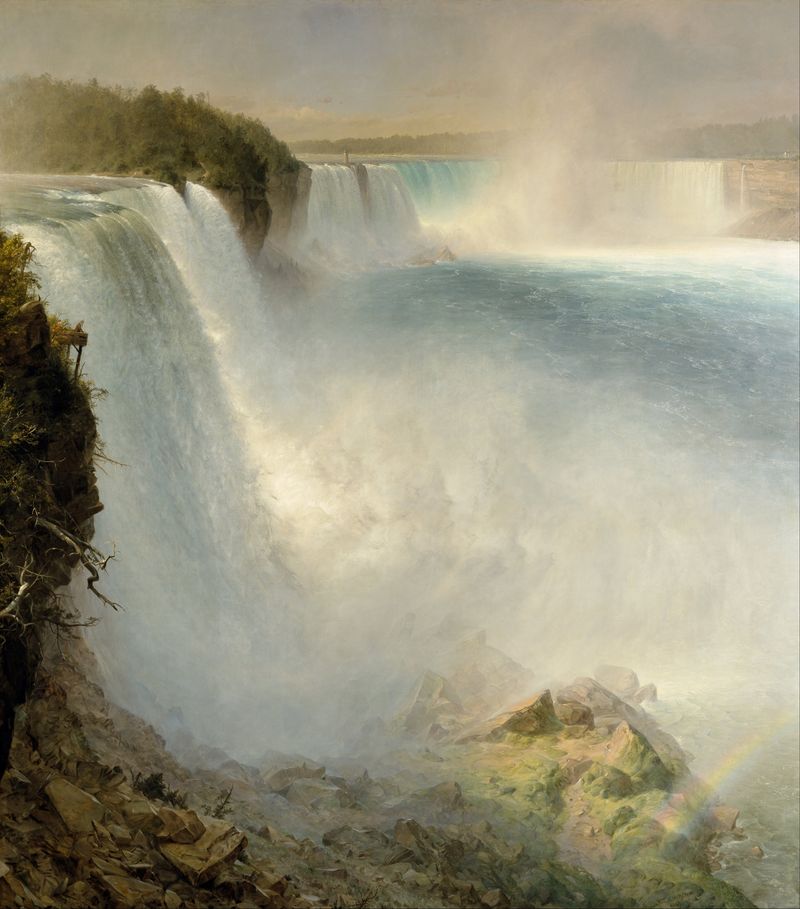
Niagara Falls, from the American Side
Frederic Edwin Church
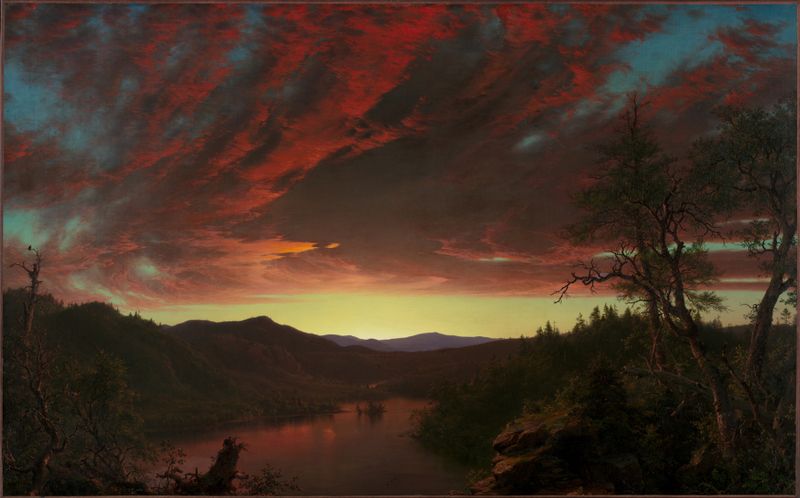
Twilight in the Wilderness
Frederic Edwin Church
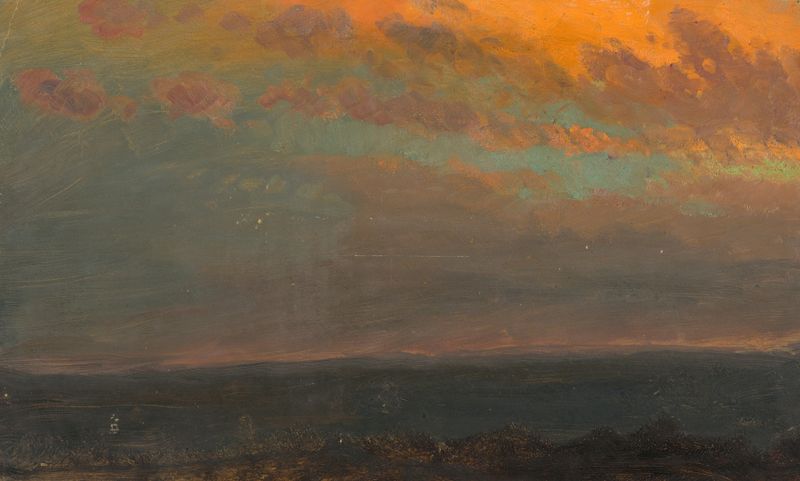
Hudson Valley at Sunset
Frederic Edwin Church
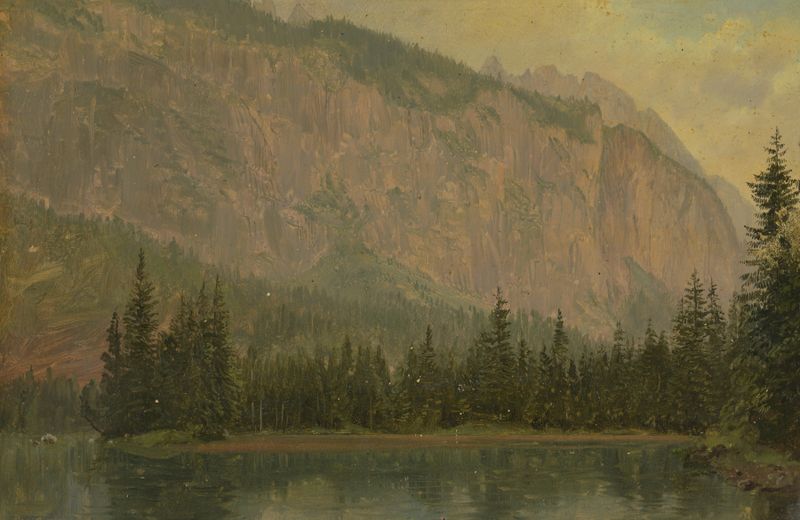
The Hintersee, near Berchtesgaden, Bavaria
Frederic Edwin Church
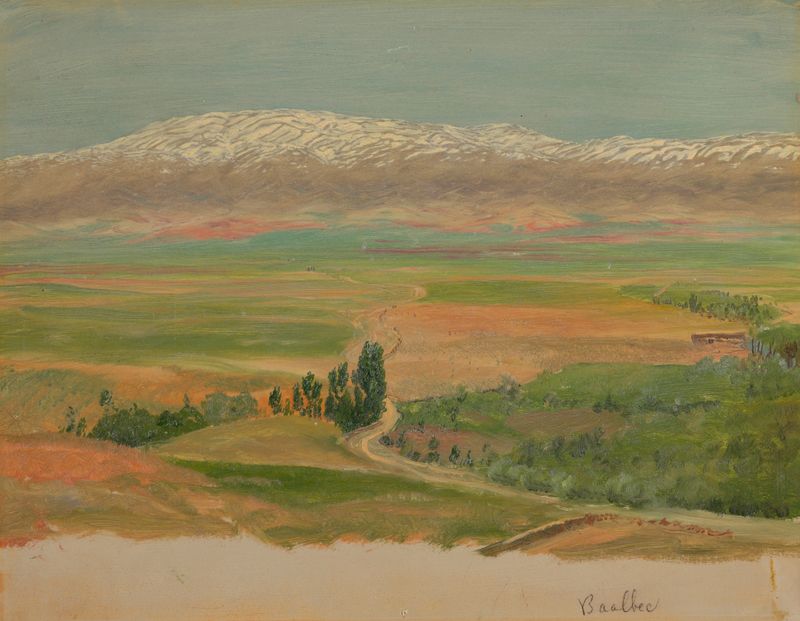
Mountains near Baalbec
Frederic Edwin Church
Aurora Borealis
Frederic Edwin Church
Cotopaxi
Frederic Edwin Church
More Architecture Art
Browse all →
The statue of Liberty
Frédéric Auguste Bartholdi

View of Houses in Delft, Known as ‘The Little Street’
Johannes Vermeer

View of Houses in Delft, Known as ‘The Little Street’
Johannes Vermeer

The Cathedral in Rouen. The portal, Grey Weather
Claude Monet

The yellow house
Vincent van Gogh

The Church in Auvers-sur-Oise, View from the Chevet
Vincent van Gogh