
Rauferei vor einem Wirtshaus — History & Facts
What if silence could speak through light? In Rauferei vor einem Wirtshaus, the tension of a brewing storm looms over the chaotic scene of brawling figures, where each gesture and shadow tells a deeper story of violence and conflict. Look to the center of the canvas, where the two main combatants grapple violently, their distorted bodies entwined in a dance of aggression. Notice how the artist uses a palette of muted earth tones with sharp contrasts of light, emphasizing the raw energy of the struggle. The flickering candlelight from the tavern casts an eerie glow, illuminating faces filled with rage and fear, heightening the emotional stakes.
The surrounding onlookers, frozen in astonishment, create a vivid backdrop, lending a sense of urgency and drama that pulls the viewer into the fray. Bürkel captures not only the physicality of violence but also the emotional aftermath that lingers in the air. The expressions of the spectators betray a mix of shock and morbid fascination, suggesting a societal commentary on human nature's attraction to chaos. Additionally, the contrasting warmth of the tavern's light against the cooler shadows highlights the duality of sanctuary and danger, evoking questions about safety in a world rife with conflict. Heinrich Bürkel painted this piece between 1855 and 1860, during a period when he was entrenched in the burgeoning German Romantic movement.
The mid-19th century was marked by social upheaval and political unrest, influencing many artists of his time. Bürkel's focus on everyday life and the raw, sometimes violent interactions among people reflected both the struggles of the era and the interest in capturing the visceral emotions of human experience.
More Artworks by Heinrich Bürkel
Browse all →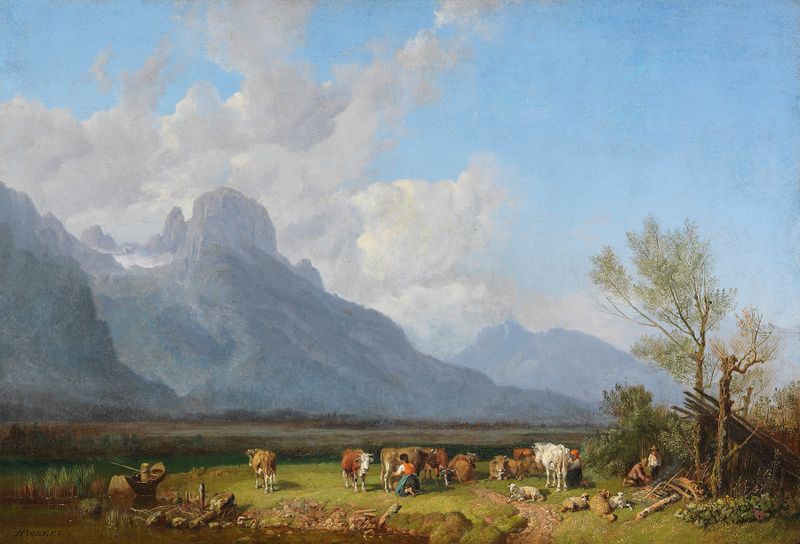
Viehhirten am Seeufer
Heinrich Bürkel
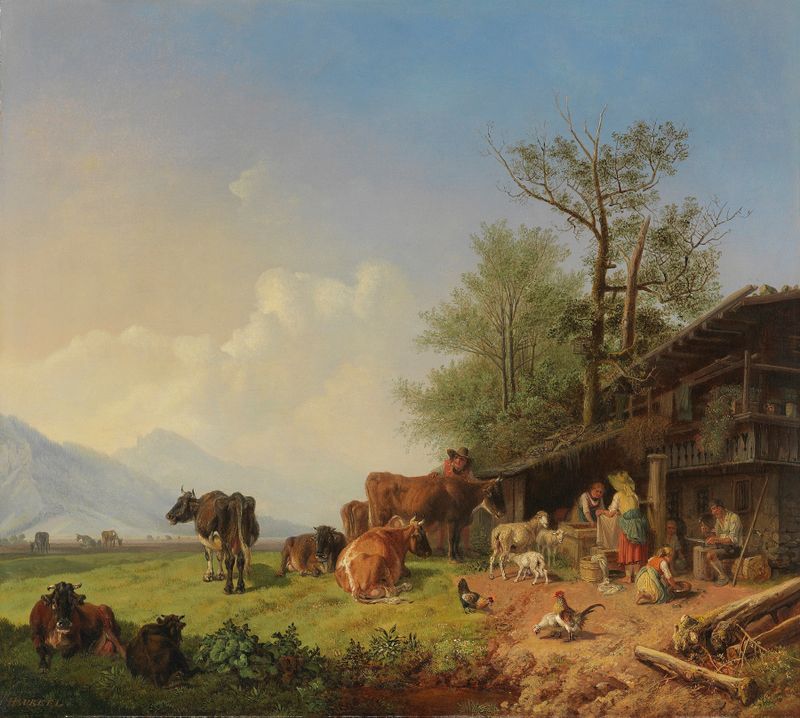
Bauernhof mit Brunnen
Heinrich Bürkel
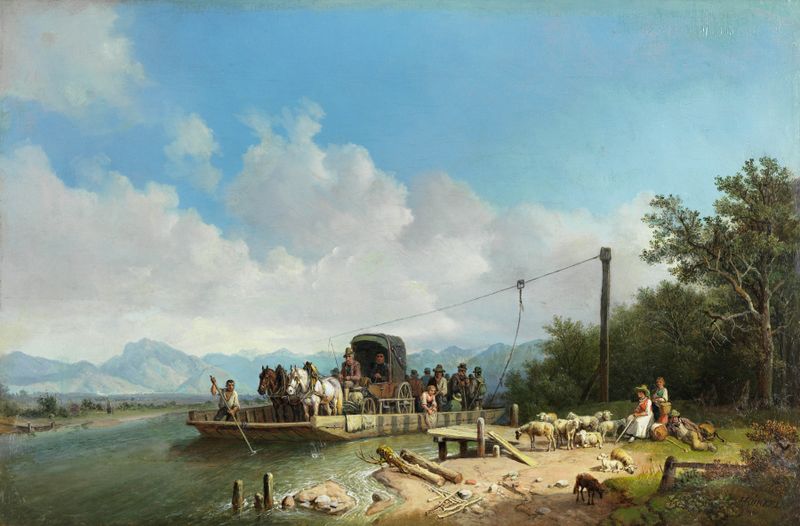
Fähre am Inn
Heinrich Bürkel

Am Dorfbrunnen in den italienischen Bergen
Heinrich Bürkel

Italienische Hirtenfamilie in der Felsenhöhle
Heinrich Bürkel
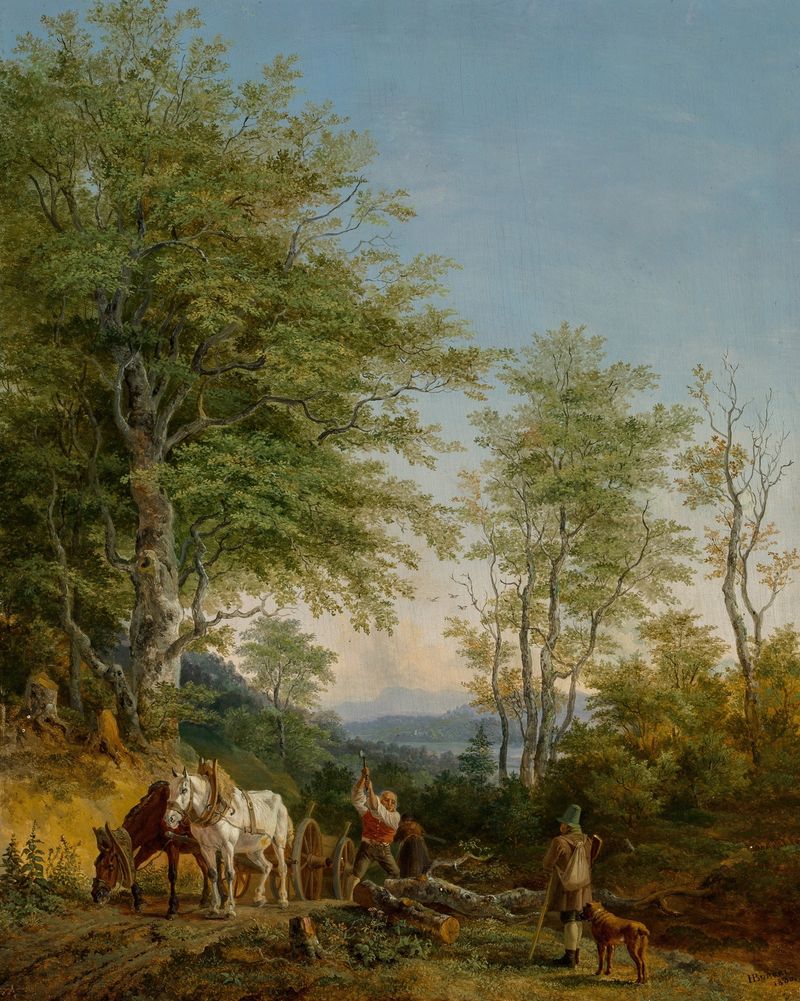
An Italianate wooded landscape with a woodcutter and his team of horses and a passerby with his dog
Heinrich Bürkel
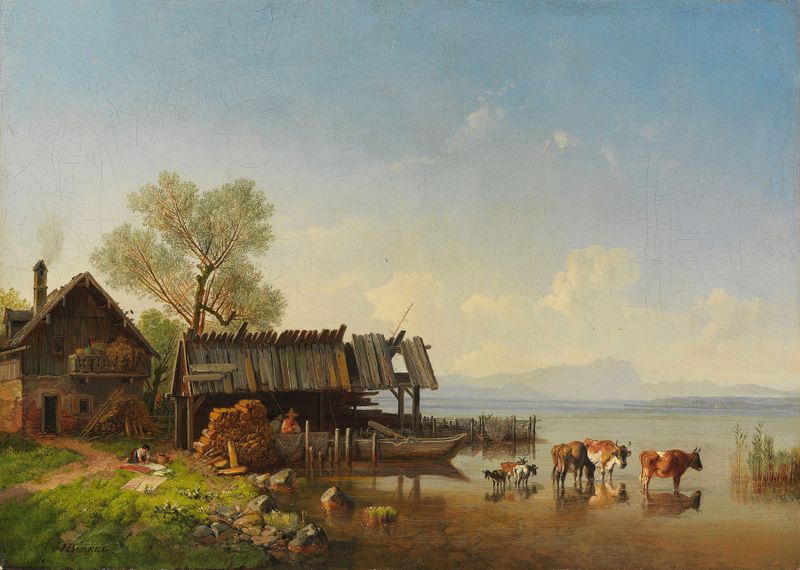
Der Starnberger See mit Blick auf das Wettersteingebirge
Heinrich Bürkel
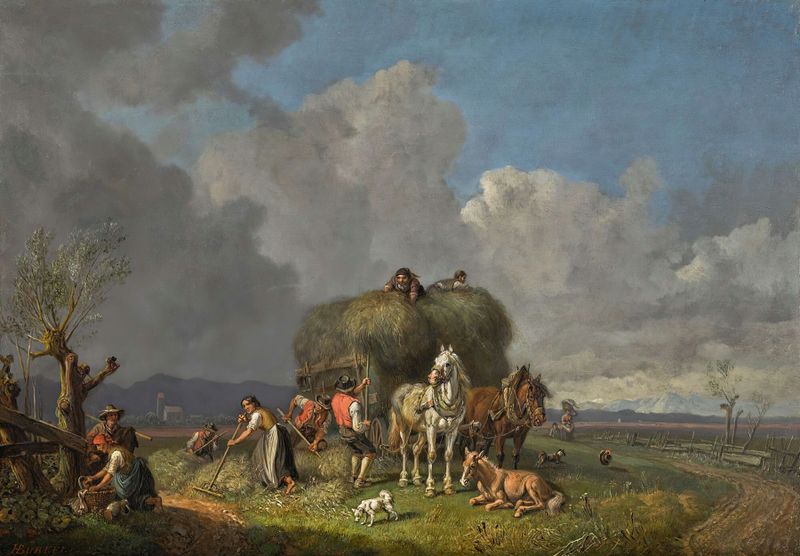
The Hay Harvest
Heinrich Bürkel
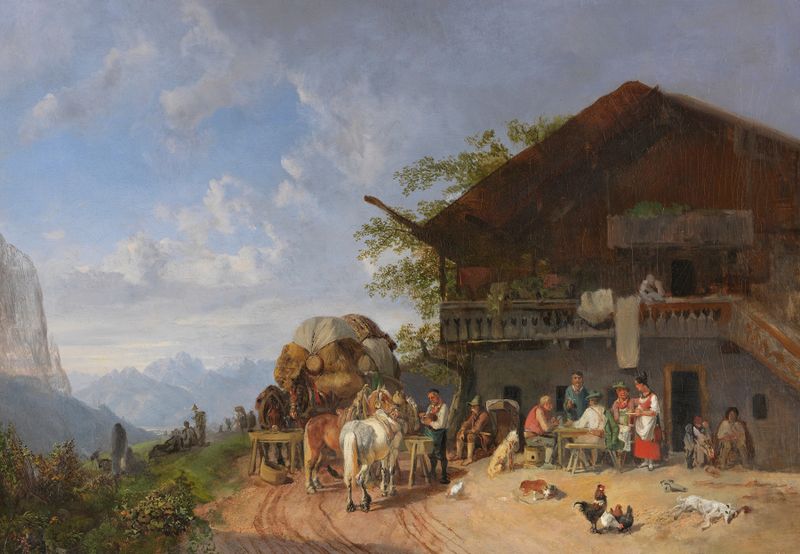
Rast vor einem Gasthof in den Bergen
Heinrich Bürkel

Blick auf den Monte Circeo
Heinrich Bürkel





