
Ravenna — History & Facts
Can beauty exist without sorrow? In Ravenna, a haunting stillness envelops the viewer, as the passage of time suspends both joy and melancholy in vibrant hues. Begin by looking to the left, where the delicate arches and intricate mosaics draw you into a world steeped in history. The warm ochres and soft blues blend seamlessly, inviting admiration while hinting at the age and decay that permeate the scene. Notice how the light plays upon the ornate surfaces, highlighting both the craftsmanship of the past and the inevitable fading of its glory. Beneath the initial beauty lies a contrast between vibrancy and ruin.
The vivid colors evoke a sense of nostalgia, yet they also whisper the stories of those lost to time. Each fading detail suggests the impermanence of all things, prompting contemplation of the fleeting nature of existence. This duality — the allure of the seen and the shadows of what has been — creates a poignant emotional tension that lingers. In 1882, when this work was created, Edward Lear was residing in Italy, immersing himself in its rich landscapes and history.
Straddling the realms of illustration and fine art, he sought to capture the essence of places he visited, often reflecting his own introspections on beauty and loss. During this period, Lear faced personal challenges, yet his passion for art offered a means to articulate his complex relationship with both the physical world and his inner turmoil.
More Artworks by Edward Lear
Browse all →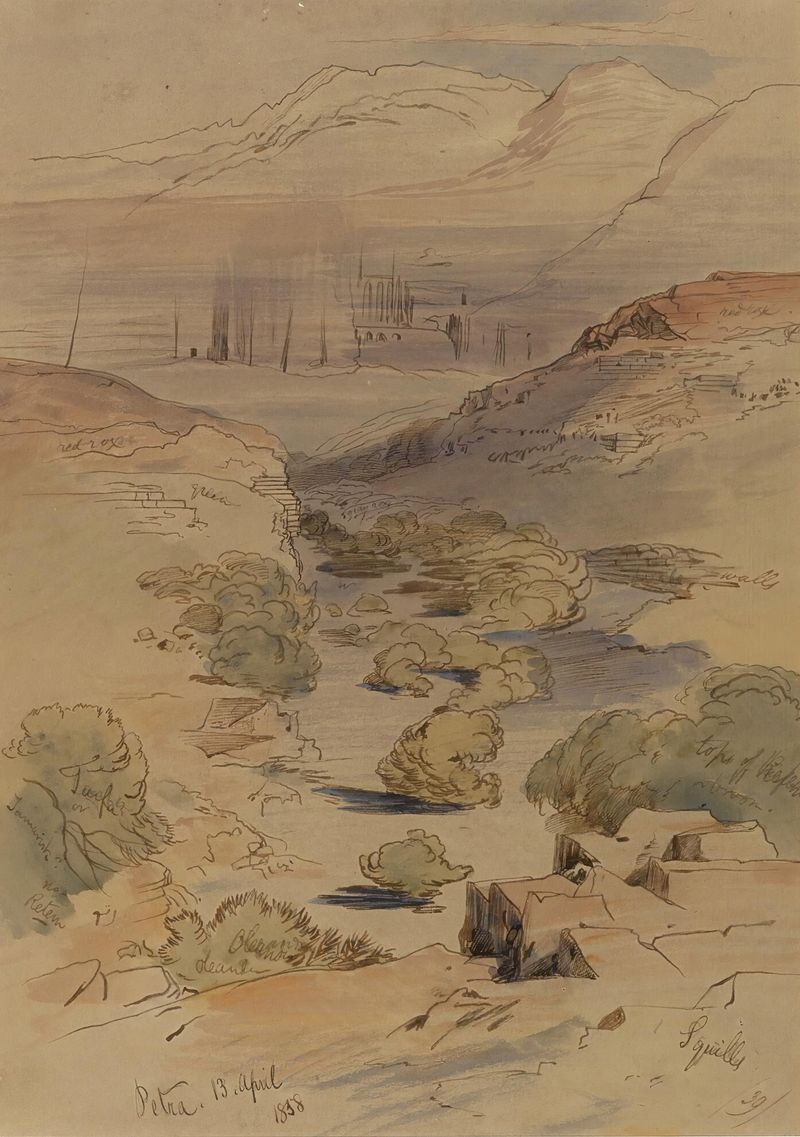
Petra
Edward Lear
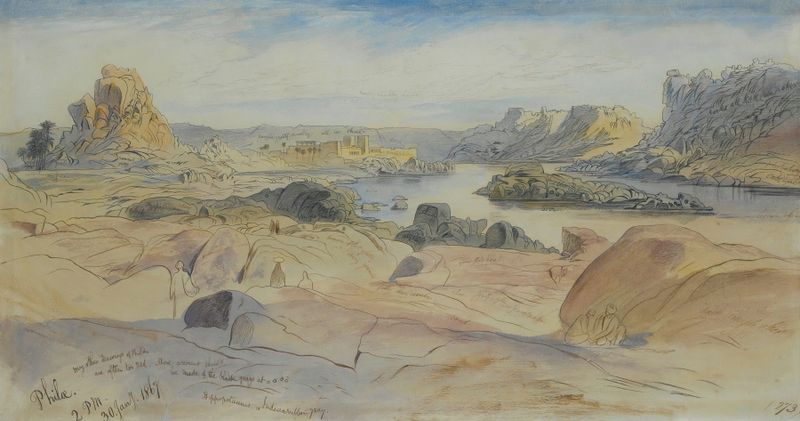
Philae, Egypt
Edward Lear
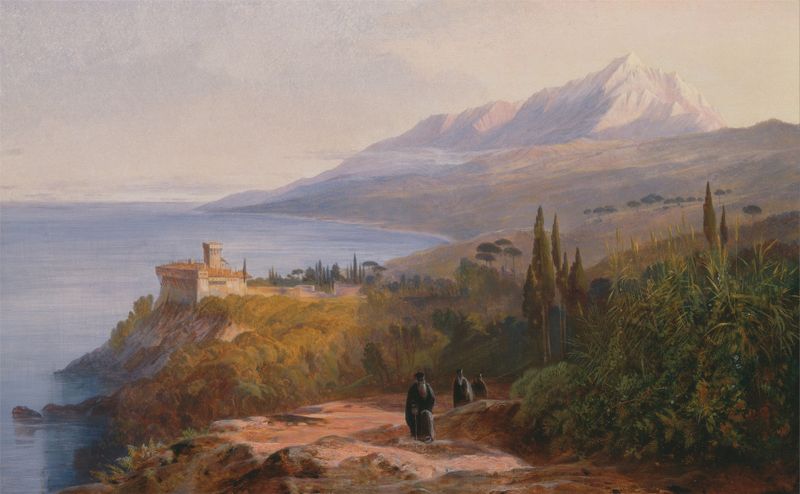
Mount Athos and the Monastery of Stavronikétes
Edward Lear
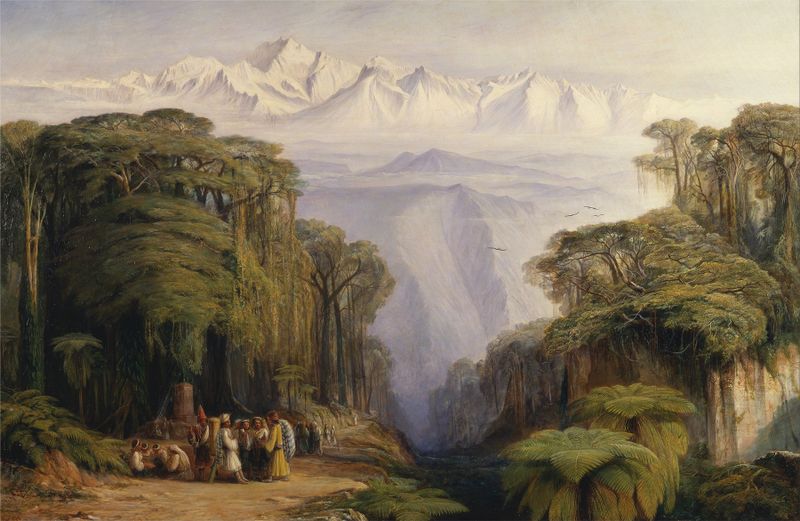
Kangchenjunga from Darjeeling
Edward Lear
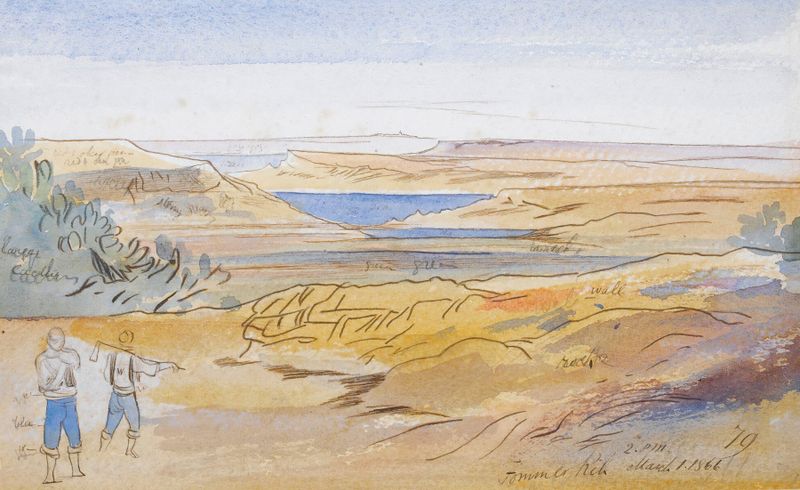
Fomm Ir-Rih, Malta
Edward Lear
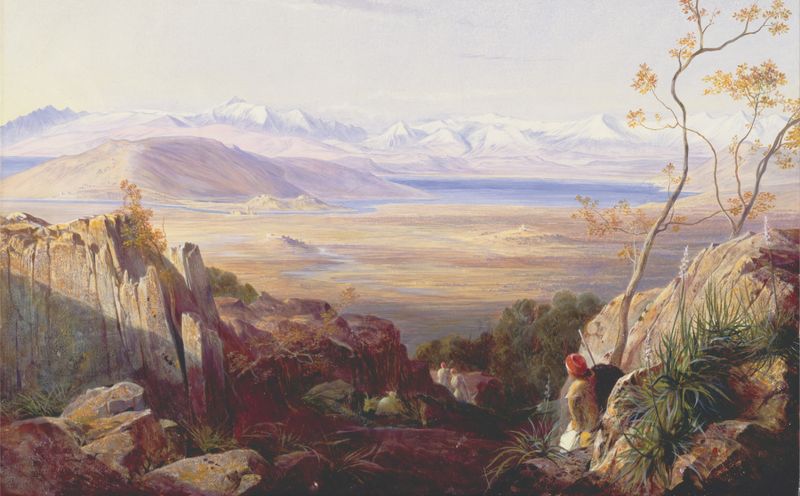
Butrinto, Albania
Edward Lear
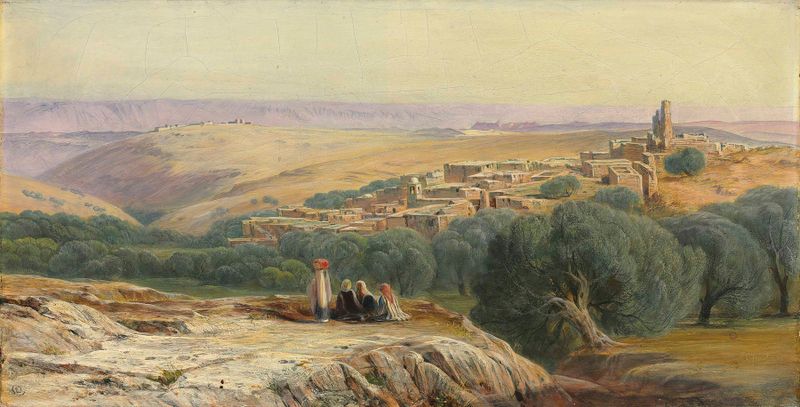
The Plains of Bethany
Edward Lear

Karnak, 9-30 pm, 22 January 1867
Edward Lear
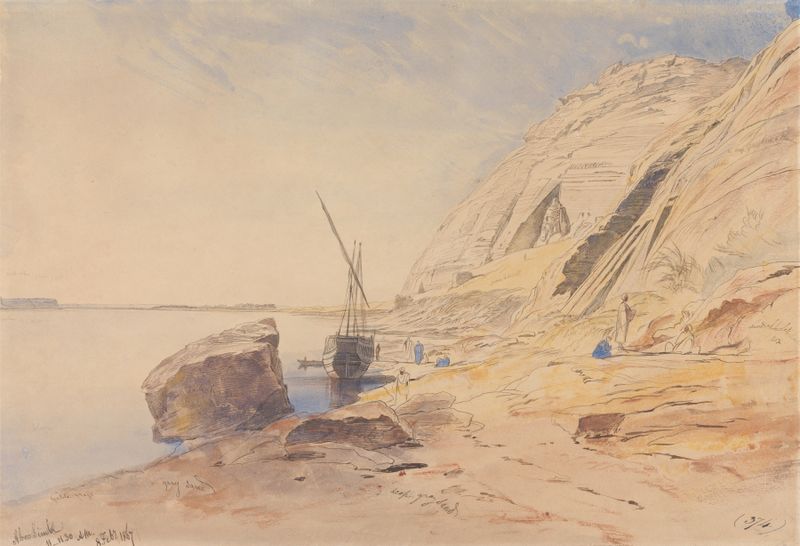
Abu Simbel, 11-11;30 am, 8 February 1867 (374)
Edward Lear

A View Of Mount Athos And The Pantokrator Monastery, Greece
Edward Lear
More Architecture Art
Browse all →
The statue of Liberty
Frédéric Auguste Bartholdi

View of Houses in Delft, Known as ‘The Little Street’
Johannes Vermeer

View of Houses in Delft, Known as ‘The Little Street’
Johannes Vermeer

The Cathedral in Rouen. The portal, Grey Weather
Claude Monet

The yellow house
Vincent van Gogh

The Church in Auvers-sur-Oise, View from the Chevet
Vincent van Gogh