Red Canna — History & Facts
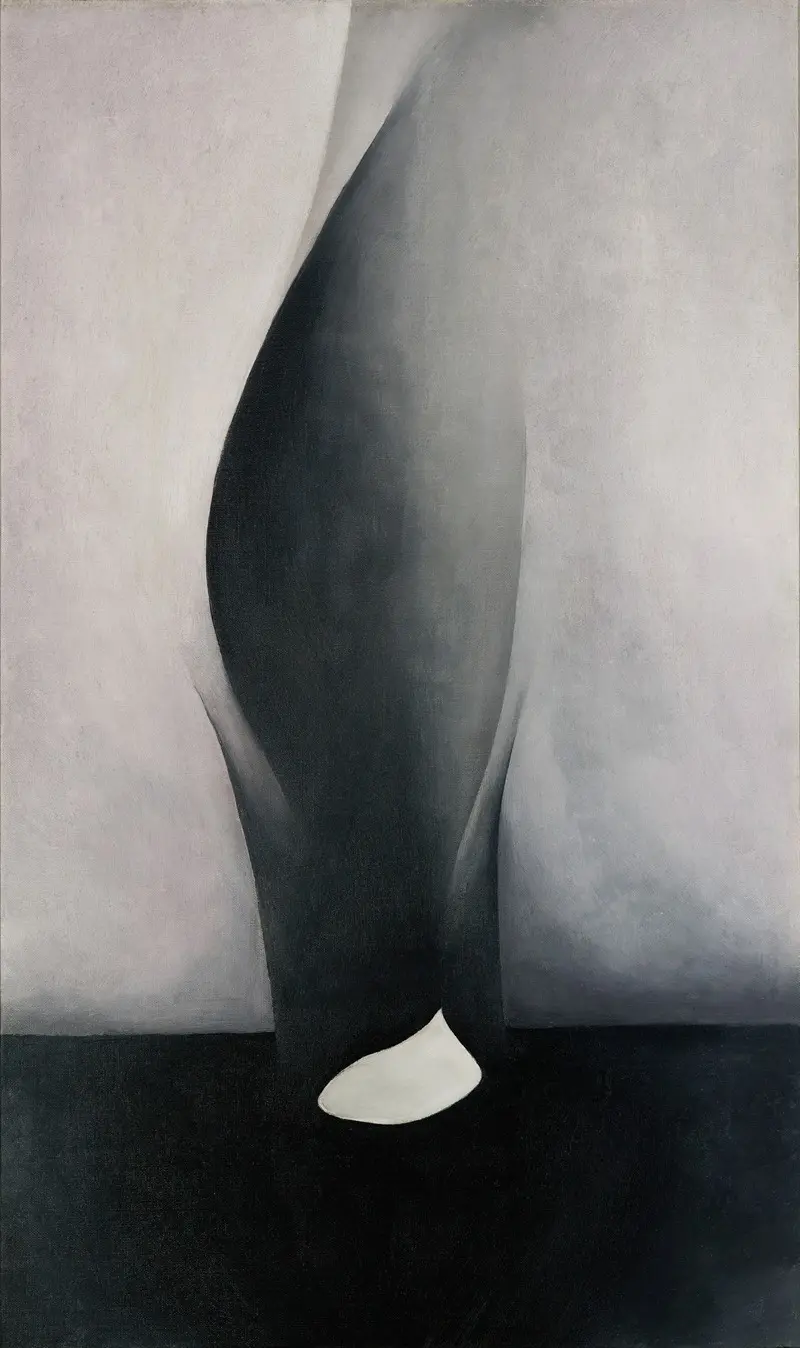
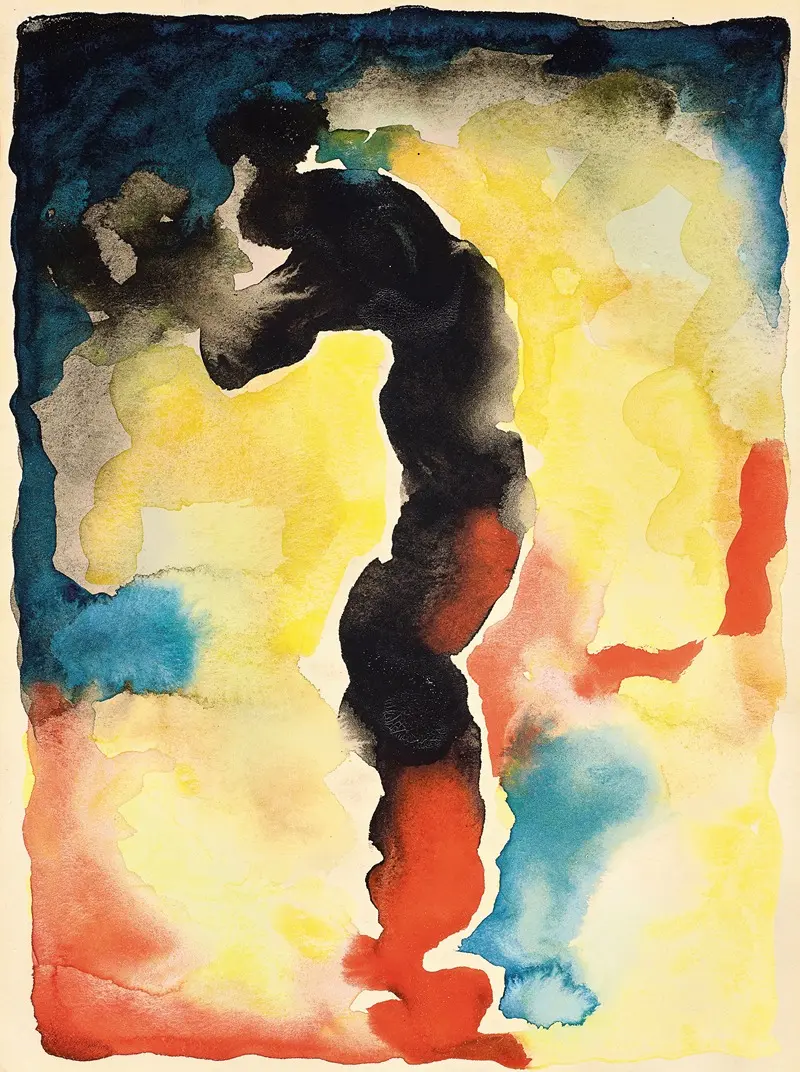
When Red Canna first appeared before the public, critics and viewers alike debated what, exactly, they were seeing. Was it a flower, or something more? Georgia O’Keeffe herself famously insisted, “Well—I made you take time to look at what I saw and when you took time to really notice my flower you hung all your own associations with flowers on my flower.” The painting became a lightning rod for discussions about gender and perception in American art, with some reading sensuality into its folds, while others saw only the grandeur of nature magnified. At the center of Red Canna, the viewer’s gaze plunges into a world of vibrant reds, oranges, and yellows, the petals unfurling like flames. O’Keeffe’s composition eliminates the flower’s context—no stem, no leaves, no background—inviting the eye to wander through the undulating forms.
The close-up perspective transforms the canna lily into an abstract landscape, where color and shape dominate over botanical accuracy. Unlike the precise, scientific renderings of flowers by earlier artists, such as Maria Sibylla Merian, O’Keeffe’s approach is intimate and monumental, asking us to see the familiar anew. The exact date and medium of this version of Red Canna remain uncertain, as O’Keeffe painted several works with this title throughout her career, each exploring the same subject with subtle variations. These paintings were never commissioned; rather, they grew out of O’Keeffe’s lifelong fascination with flowers and her desire to express their power on canvas.
Today, various versions of Red Canna reside in major American collections, and their bold forms have become icons of American Modernism. The painting stands as a testament to O’Keeffe’s singular vision, challenging viewers to look closely and reconsider the boundaries between abstraction and representation.