
Redding van Petrus door Christus — History & Facts
The intricate details of Redding van Petrus door Christus embody this poignant truth, where the interplay of light and shadow reveals the depths of betrayal intertwined with redemption. Focus first on the central figures, where Christ reaches out to Peter, a gesture that resonates with both compassion and impending sorrow. Observe how the radiant colors envelop the figures, particularly the vibrant reds and deep blues, creating a visual dichotomy that draws the eye. The fine detailing of their expressions—Christ’s serenity contrasted with Peter’s troubled gaze—invites the viewer to delve deeper into their emotional landscape, a moment frozen in time that speaks volumes. Upon closer inspection, the background elements subtly amplify the tension of the scene.
The darkness surrounding Peter stands in stark contrast to the illuminated figure of Christ, symbolizing his moral struggles and the weight of betrayal. The broken chains at Peter's feet hint at liberation, yet they also evoke the bittersweet taste of guilt and remorse. This duality underscores the complexity of human relationships, where acts of salvation are often shadowed by moments of profound doubt. Dirck Vellert painted Redding van Petrus door Christus in 1525 during a period marked by significant religious upheaval and artistic innovation.
The Northern Renaissance was flourishing, with artists exploring themes of faith and human experience in new, compelling ways. At this time, Vellert was in Antwerp, where he contributed to the burgeoning emphasis on emotional depth in religious art, reflecting both personal and societal struggles in his work.
More Artworks by Dirck Vellert
Browse all →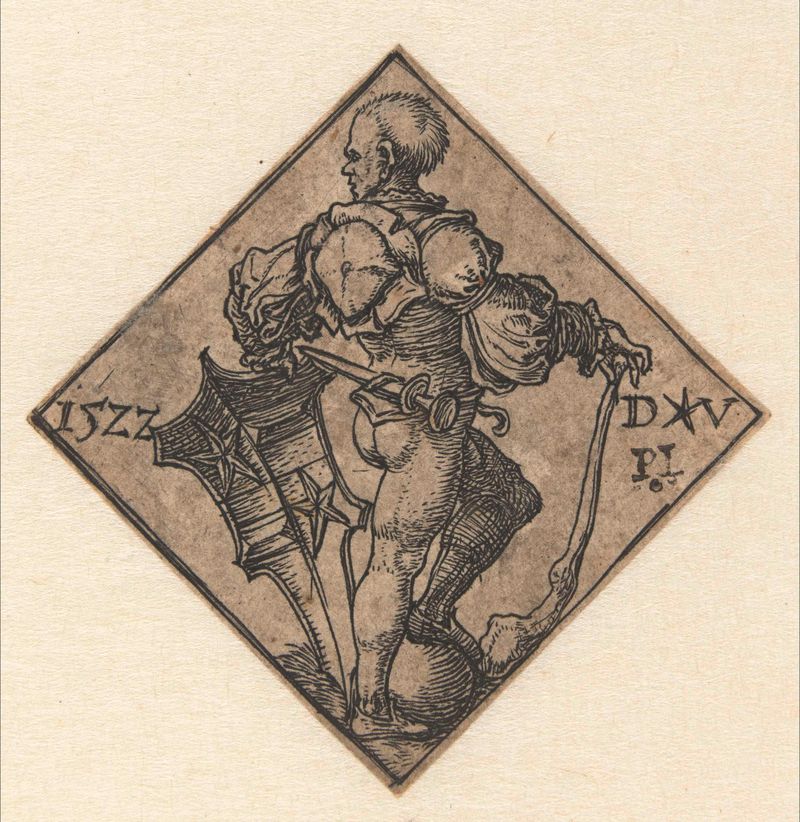
Soldaat met wapenschild
Dirck Vellert

Christus en de Samaritaanse vrouw
Dirck Vellert
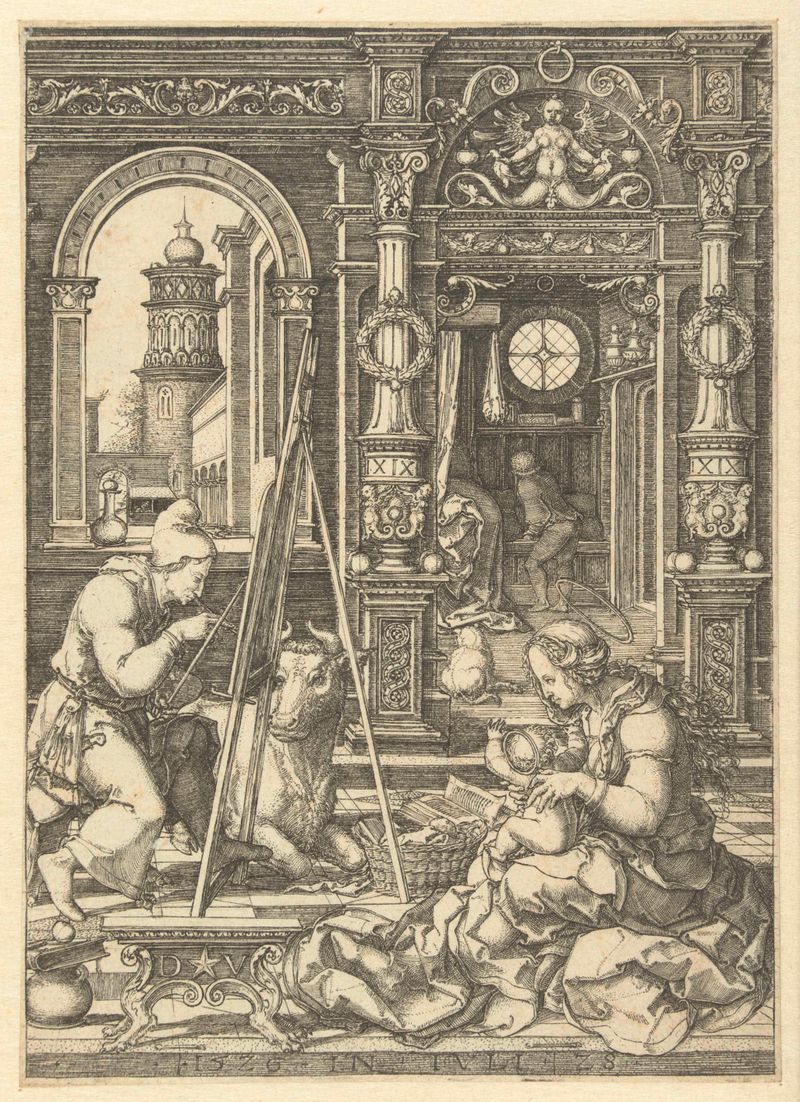
Heilige Lucas schildert Madonna met kind
Dirck Vellert

The Flight into Egypt
Dirck Vellert

Faun
Dirck Vellert
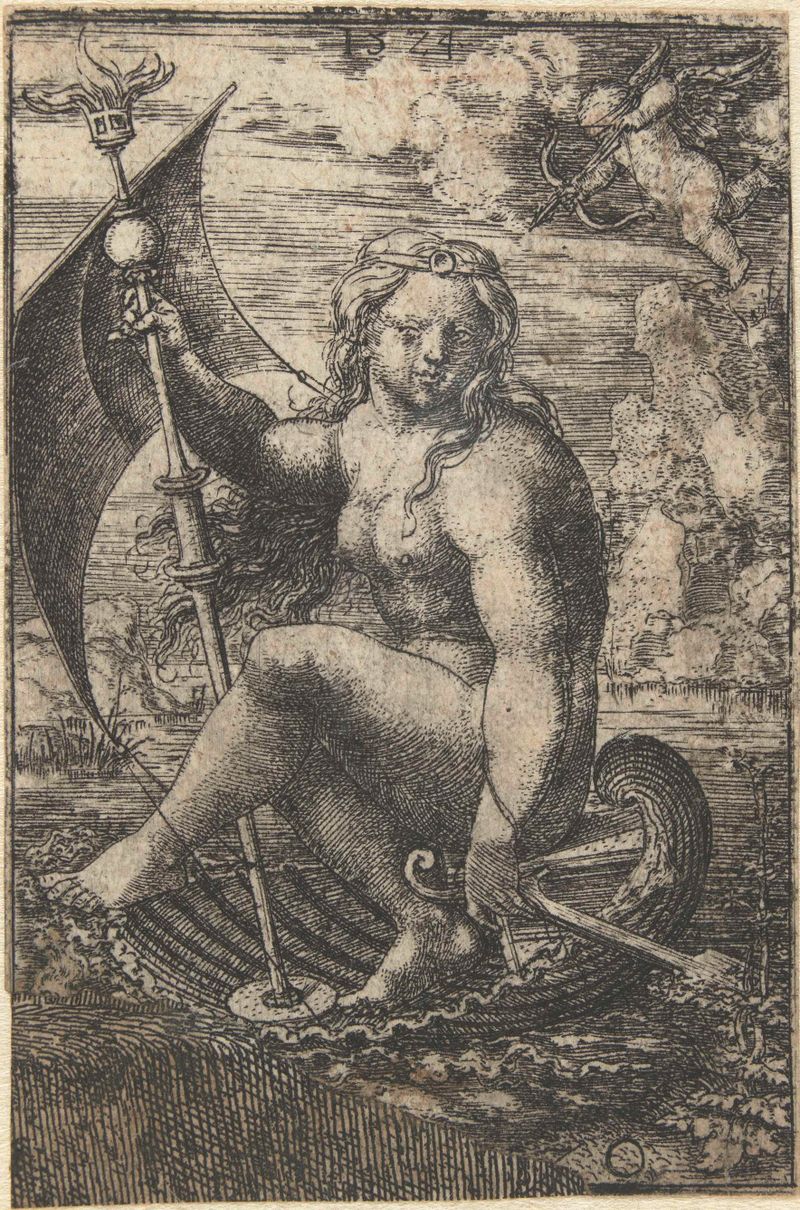
Venus zeilend in een schelp
Dirck Vellert
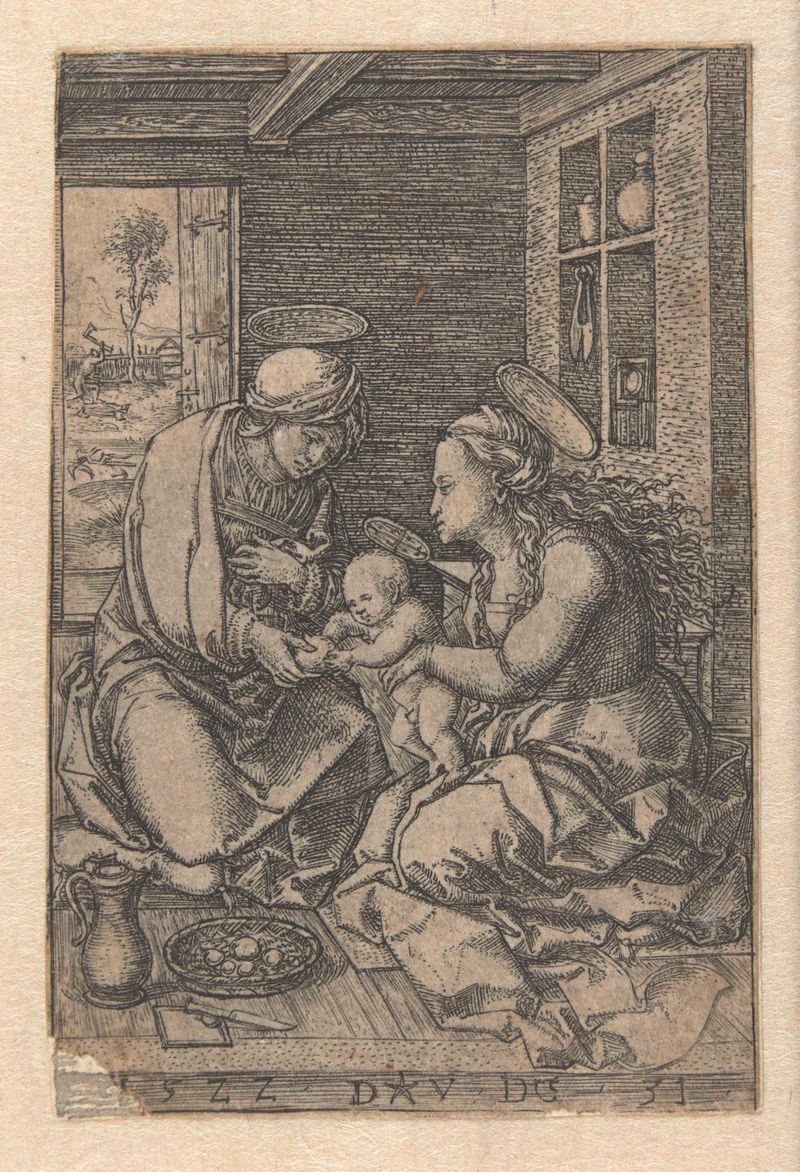
Maria met kind en heilige Anna
Dirck Vellert
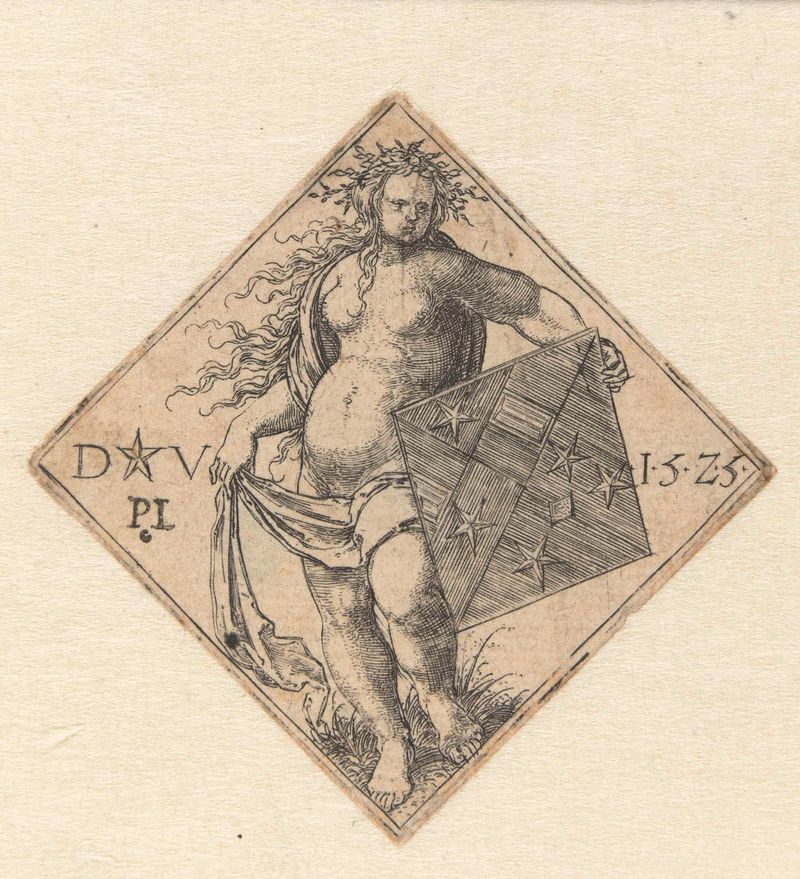
Naakte vrouw met wapenschild
Dirck Vellert
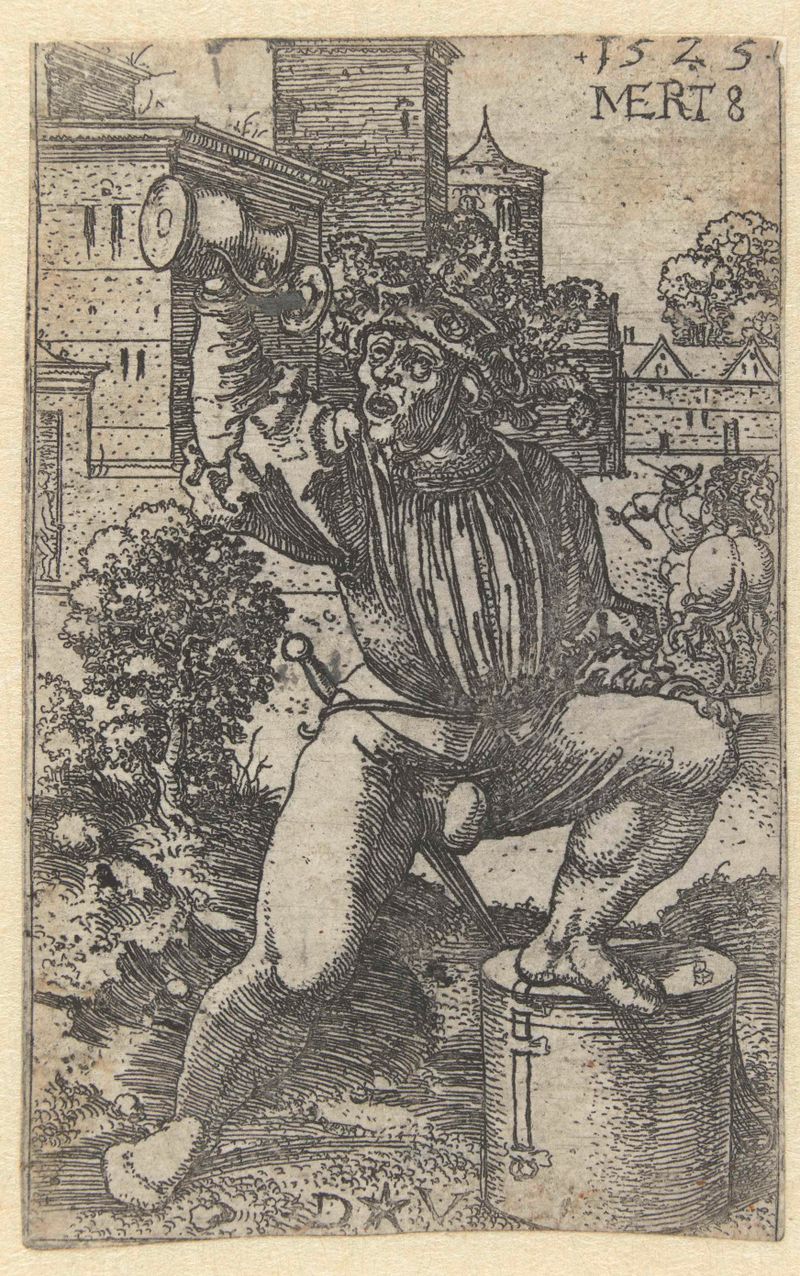
De dronken tamboer
Dirck Vellert

Eva en Kaïn
Dirck Vellert
More Religious Art
Browse all →
The Return of the Prodigal Son
Rembrandt van Rijn

The Garden of Earthly Delights
El Bosco

Count Orgaz’ funeral
El Greco

The Hundred Guilder Print: the central piece with Christ preaching, the plate arched
Rembrandt van Rijn

The Descent from the Cross
Rogier van der Weyden

The return of the prodigal son
Rembrandt van Rijn