
Reine de Joie — History & Facts
In Reine de Joie, Henri de Toulouse-Lautrec presents a lively scene filled with vibrant colors. The painting features a woman in a striking dress, embodying the joy of Parisian nightlife. Her expression is one of exuberance, reflecting the energy of the cabaret scene.
The background is filled with hints of movement and light, suggesting a bustling environment. This work is painted in oil on canvas, a common medium for Toulouse-Lautrec. The brushwork is loose and expressive, characteristic of the Post-Impressionism style. The colors are bold and saturated, enhancing the emotional impact of the scene.
The dimensions are approximately 60 x 80 cm, making it a medium-sized portrait. Henri de Toulouse-Lautrec was known for his depictions of the Parisian nightlife, particularly the cabaret culture. Reine de Joie is a celebration of this vibrant world, showcasing the performers and patrons of the Moulin Rouge. An interesting fact about this work is that it captures the essence of the Belle Époque, a period marked by cultural flourishing in France.
This painting exemplifies Toulouse-Lautrec's unique ability to blend art with the lively spirit of his time.
More Artworks by Henri de Toulouse-Lautrec
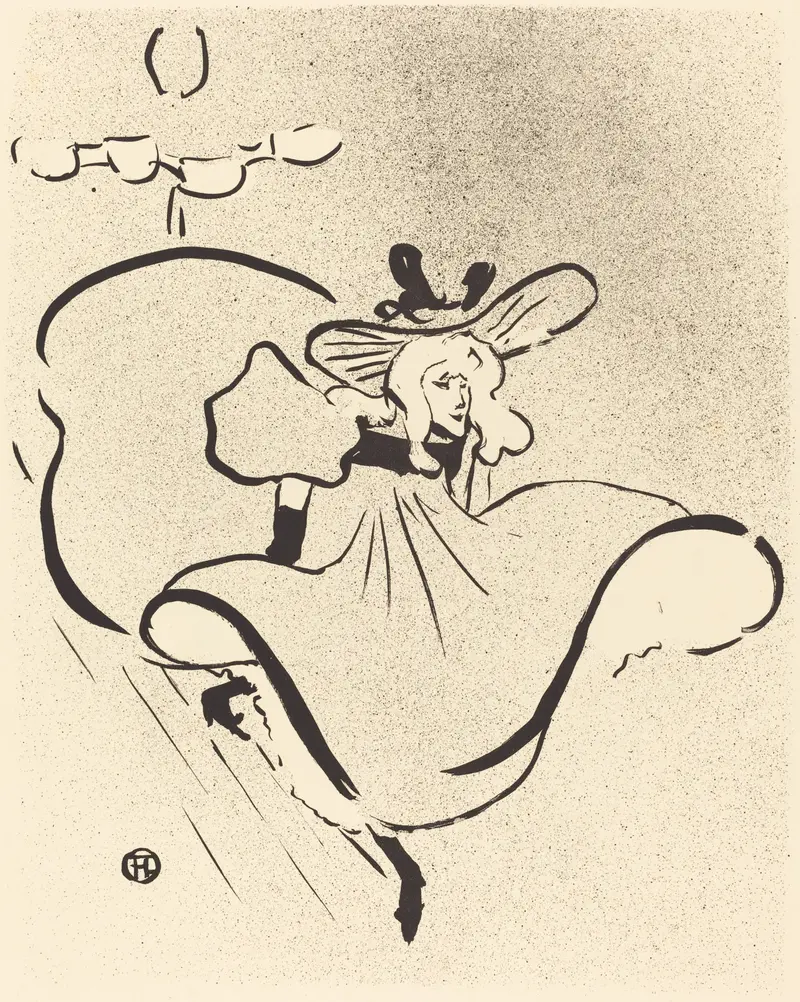
Jane Avril
Henri de Toulouse-Lautrec
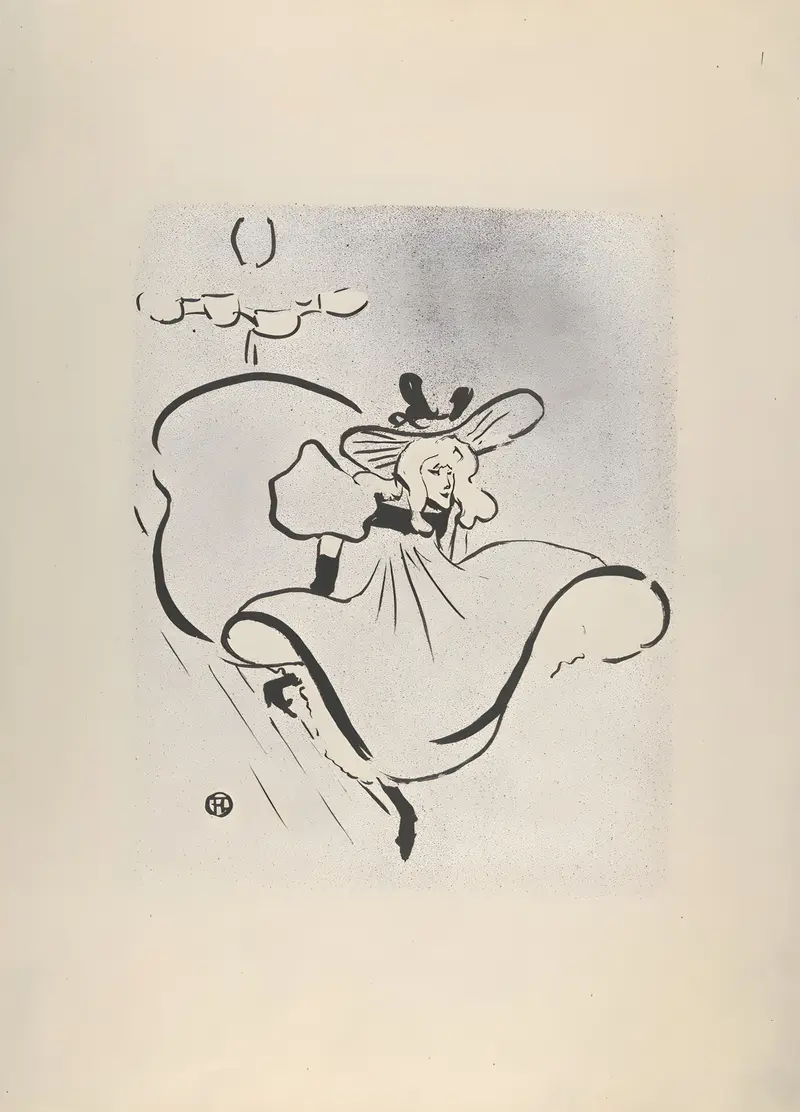
Jane Avril.
Henri de Toulouse-Lautrec

Quadrille at the Moulin Rouge
Henri de Toulouse-Lautrec
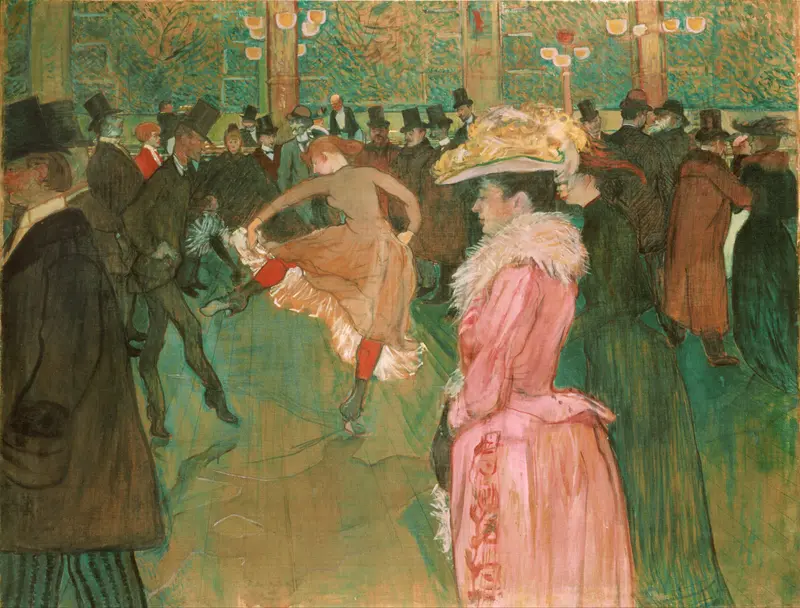
At the Moulin Rouge- The Dance
Henri de Toulouse-Lautrec
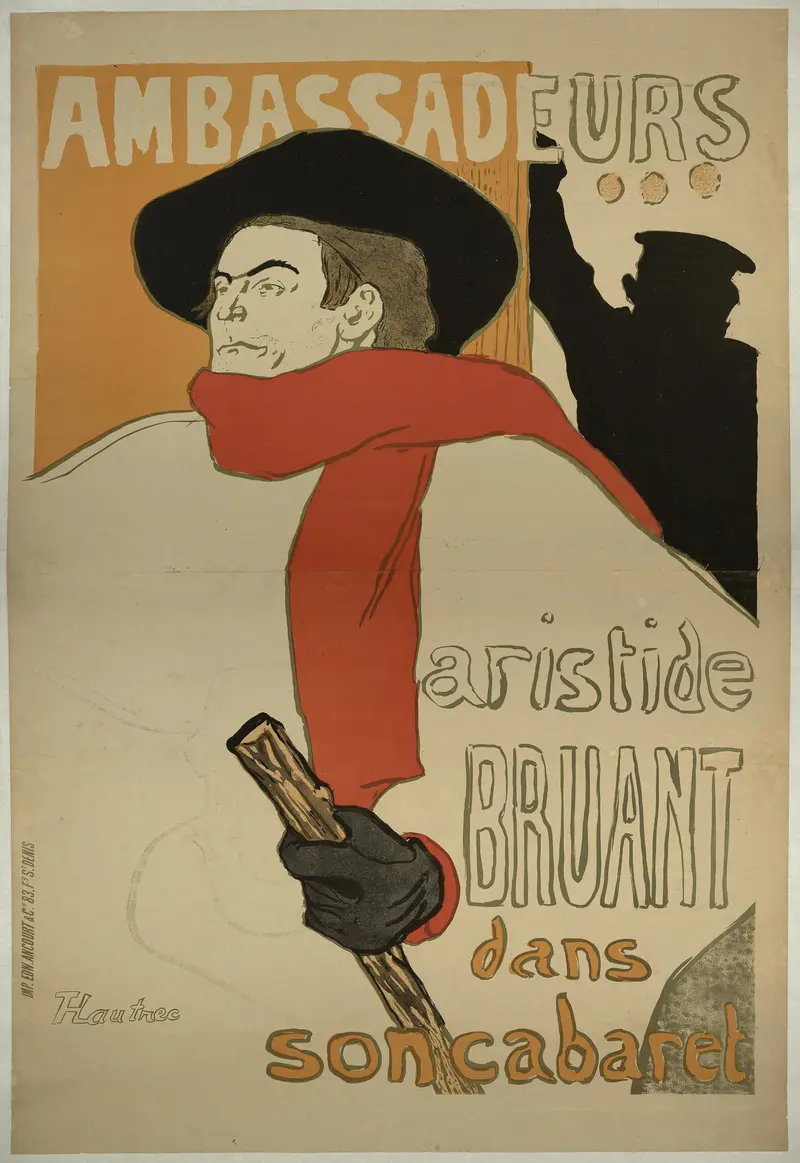
Ambassadeurs. Aristide Bruant dans son cabaret
Henri de Toulouse-Lautrec
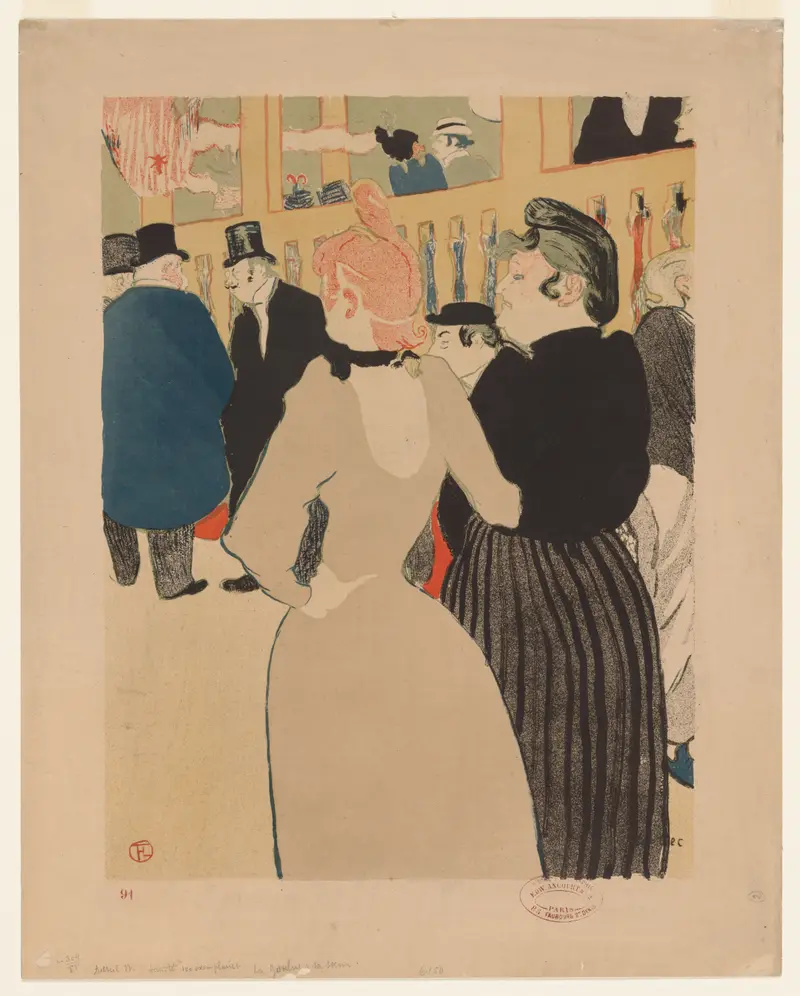
At the Moulin Rouge; La Goulue and Her Sister
Henri de Toulouse-Lautrec
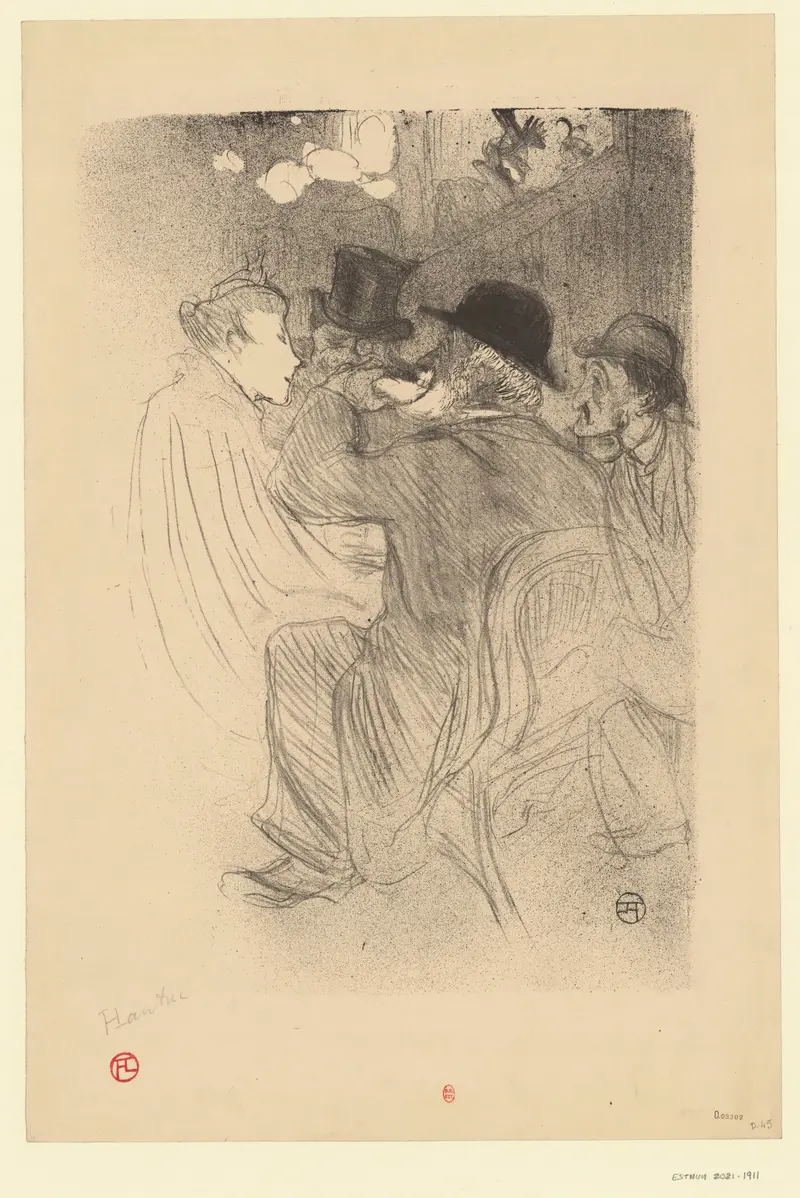
Au Moulin Rouge;Un Rude! Un Vrai Rude!
Henri de Toulouse-Lautrec
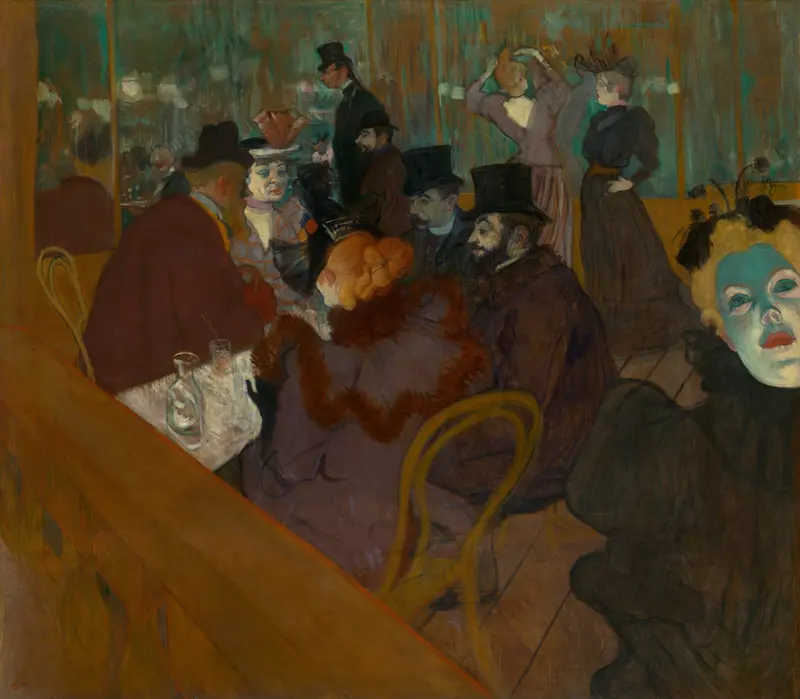
At the Moulin Rouge
Henri de Toulouse-Lautrec
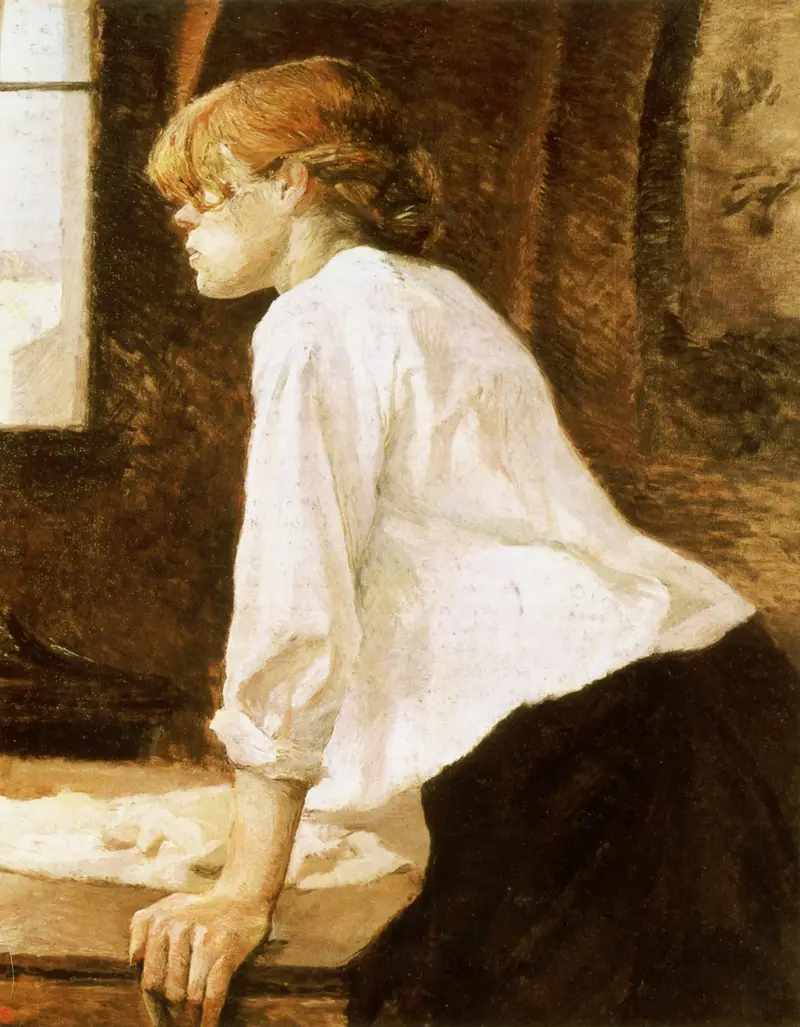
La Blanchisseuse
Henri de Toulouse-Lautrec
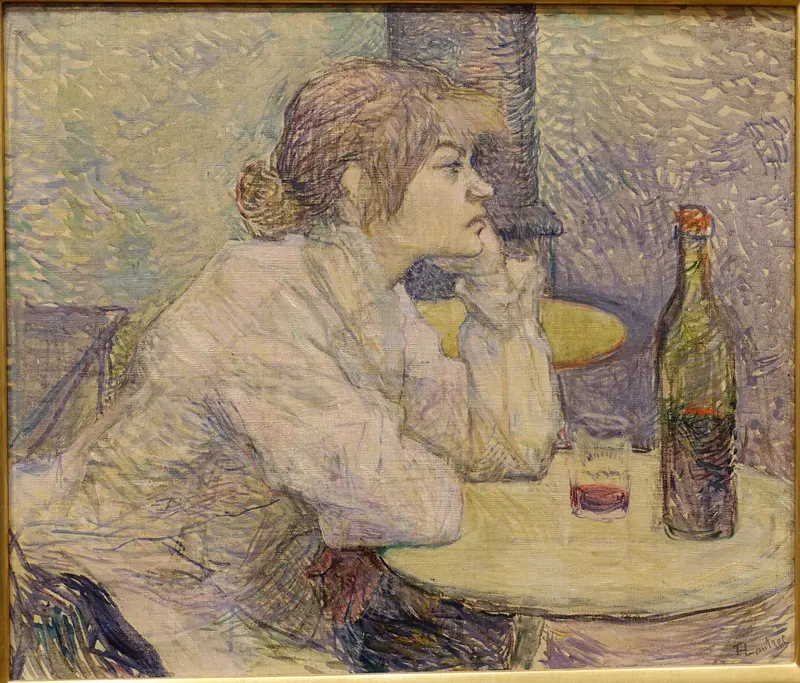
The Hangover (Suzanne Valadon)
Henri de Toulouse-Lautrec





