
Resting in the Pasture — History & Facts
Can beauty exist without sorrow? In Resting in the Pasture, Gustáv Mallý presents a serene landscape that invites contemplation, yet whispers of the poignant undertones of grief. Look to the center of the canvas, where a lone figure reclines amidst the gentle undulations of green grass, bathed in warm sunlight. The soft brush strokes blend earthy tones with hints of gold, creating a harmonious balance that draws the eye. Notice how the light dances upon the figure, accentuating the quietude of the moment, while casting elongated shadows that seem to reach beyond the physical realm into something more profound. As you take in the scene, consider the tension between tranquility and isolation.
The surrounding pasture, though lush and inviting, feels almost like a refuge from a world that may be filled with turmoil. The figure's relaxed posture juxtaposes an ineffable sadness that lingers in the air, suggesting that this moment of peace is fleeting. There’s a connection between the beauty of nature and the weight of memory, hinting at an emotional landscape shaped by loss. In 1941, Mallý painted this work during a tumultuous period, both in his personal life and the broader context of Europe overshadowed by war.
He was exploring themes of solitude and reflection as he grappled with the implications of conflict unfolding around him. This piece captures not just a moment of repose, but also a searching inquiry into the complexities of existence amid sorrow, encapsulating the artist's inner landscape as much as the physical one.
More Artworks by Gustáv Mallý
Browse all →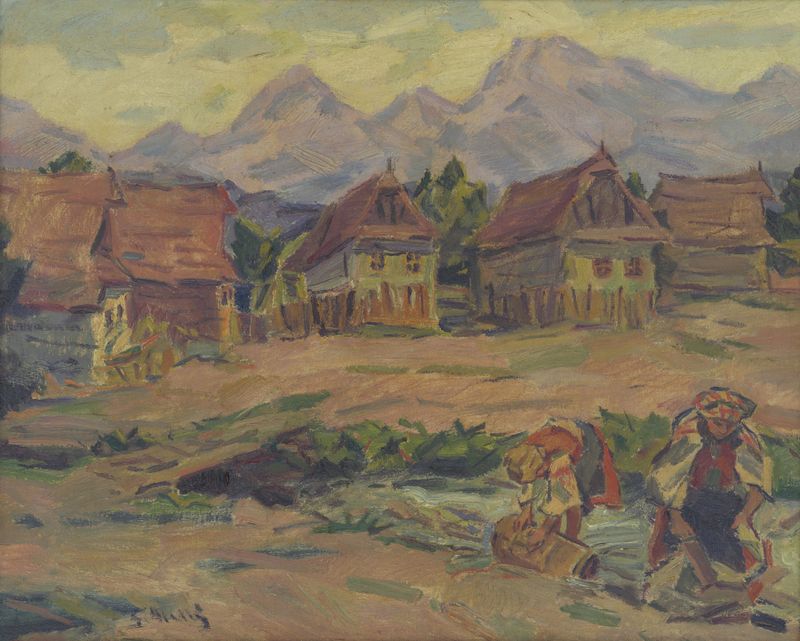
On a Brook below the Tatras
Gustáv Mallý
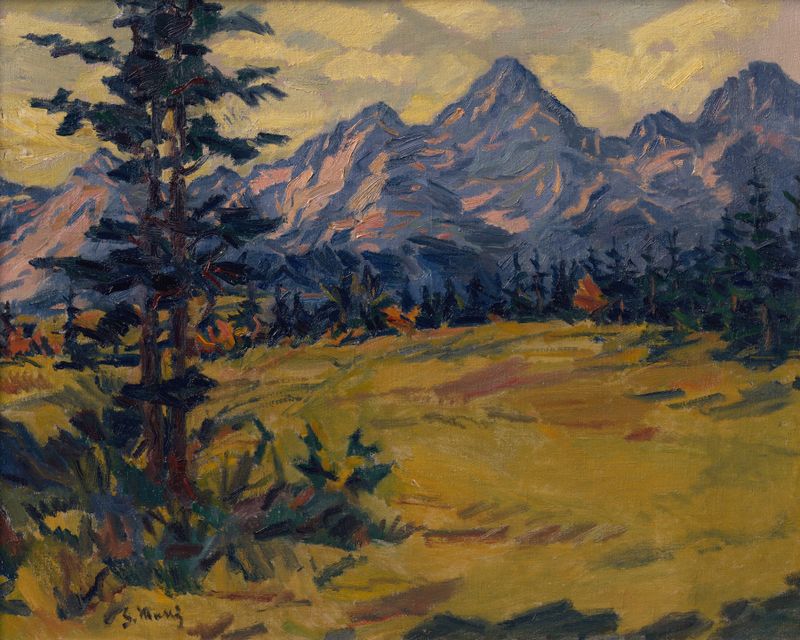
Tatras Landscape
Gustáv Mallý
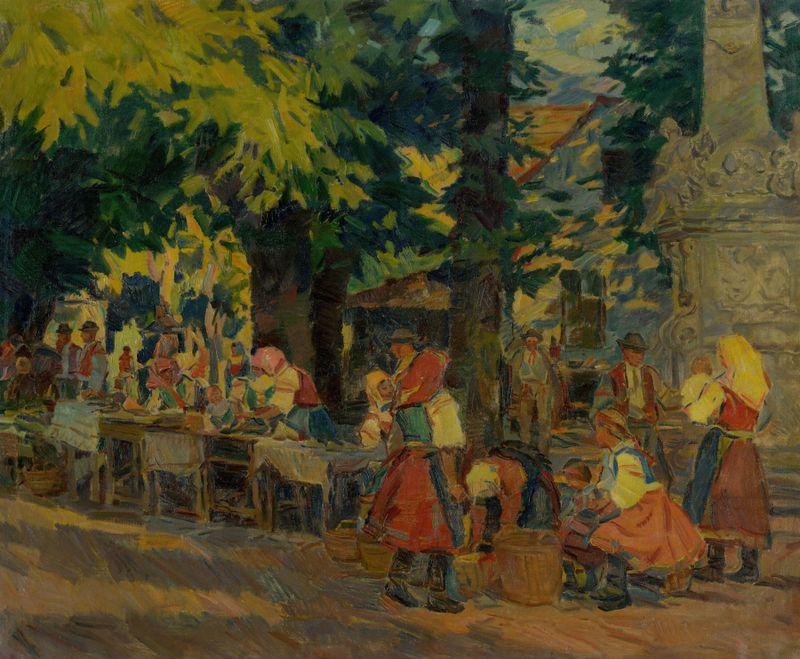
Fair in Marianka
Gustáv Mallý
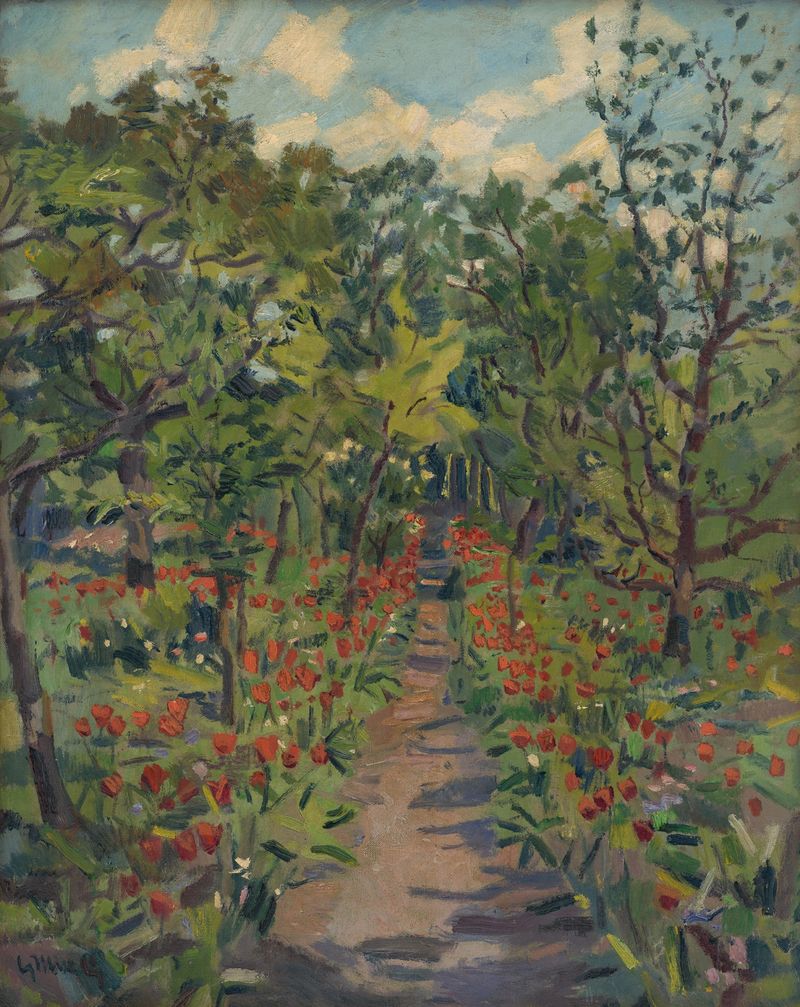
Walk in Petržalka Park
Gustáv Mallý

From the Tatras
Gustáv Mallý

Chief Shepherd with Sheep
Gustáv Mallý

Landscape from Petržalka
Gustáv Mallý
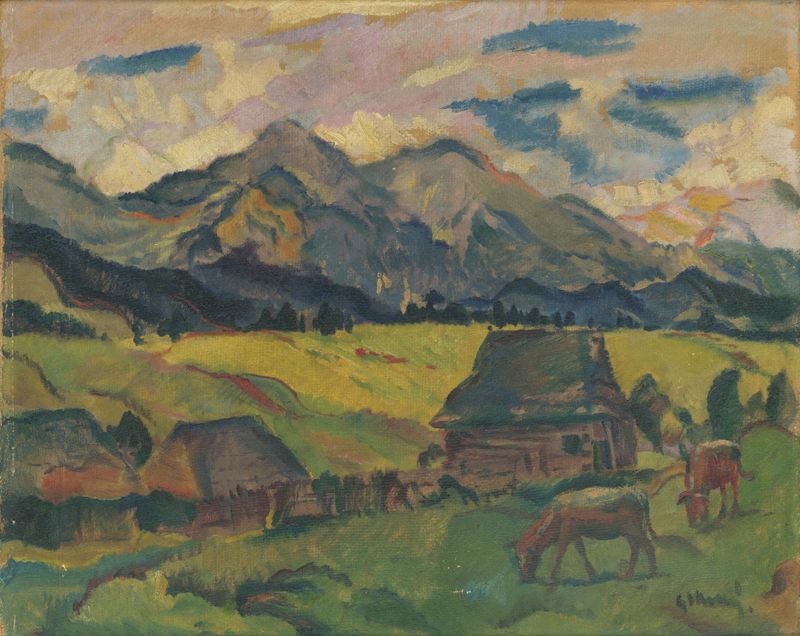
Motif from Ždiar
Gustáv Mallý
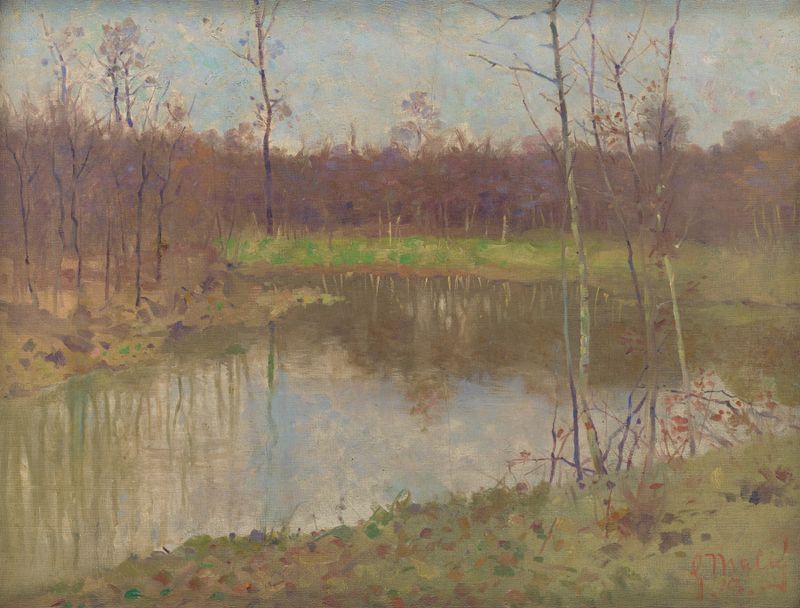
Landscape with a Fishpond
Gustáv Mallý
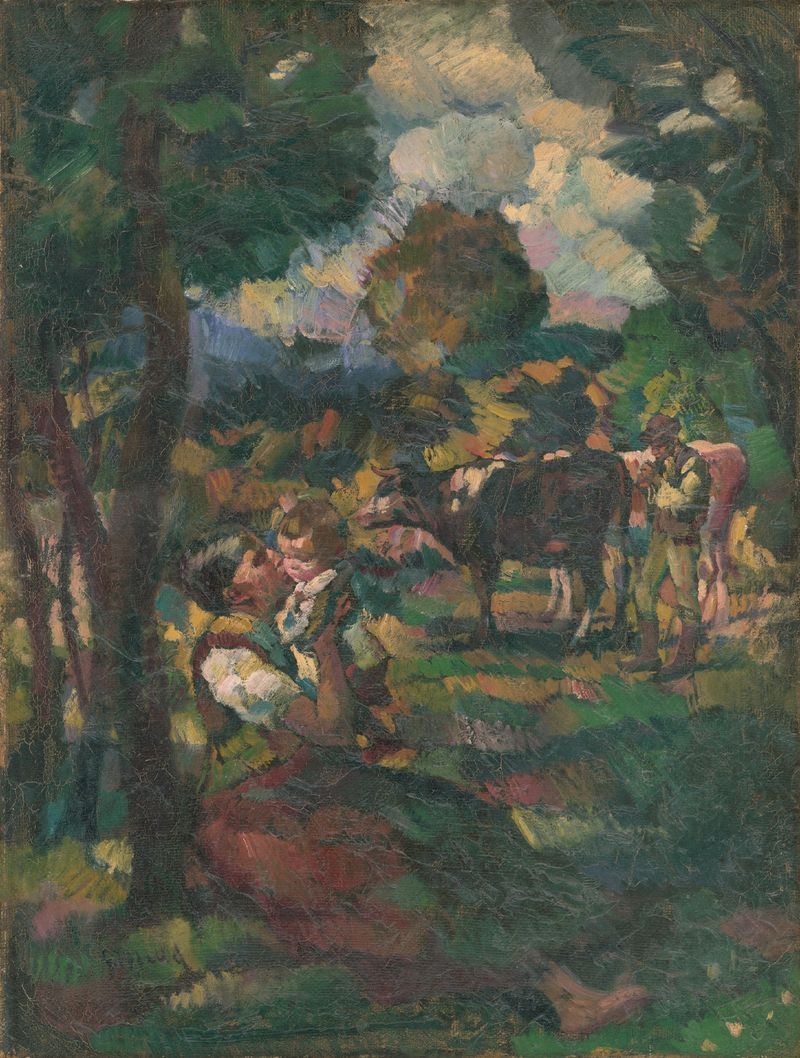
Summer
Gustáv Mallý





