
Resting Man — History & Facts
A figure sits with his back to us, swathed in a heavy red coat, his form pressed into the earth as if rooted there. The most striking detail is the anonymity: the face is hidden, the identity withheld, inviting us to inhabit the quiet moment ourselves. The light is low and cool, skimming across the rough terrain and catching on the folds of the coat, while the sky stretches pale and empty above.
The man’s posture—one knee bent, an arm slung carelessly over his side—suggests a pause, a surrender to fatigue or contemplation. The palette is earthy and subdued, with only the glint of a blue-green kerchief or glove breaking the dominance of browns and reds, a small note of individuality in an otherwise universal scene. Painted in 1850, Resting Man belongs to a world on the cusp of industrial and social transformation, when artists like Adolph von Menzel turned their attention to the realities of everyday life. In mid-19th-century Germany, such images often emerged from a fascination with the working classes and the rhythms of ordinary existence, sometimes destined for private collectors eager for glimpses of unvarnished truth.
The work now resides in the Staatliche Museen zu Berlin, a reminder that history has kept few traces of its subject’s story, but preserved the moment itself. The longer you look, the more the silence of the scene asks you to supply your own narrative.
More Artworks by Adolph von Menzel
The Berlin-Potsdam Railway
Adolph von Menzel
Mondschein über den Dächern von Berlin
Adolph von Menzel
Landscape
Adolph von Menzel
Building Site with Willows
Adolph von Menzel
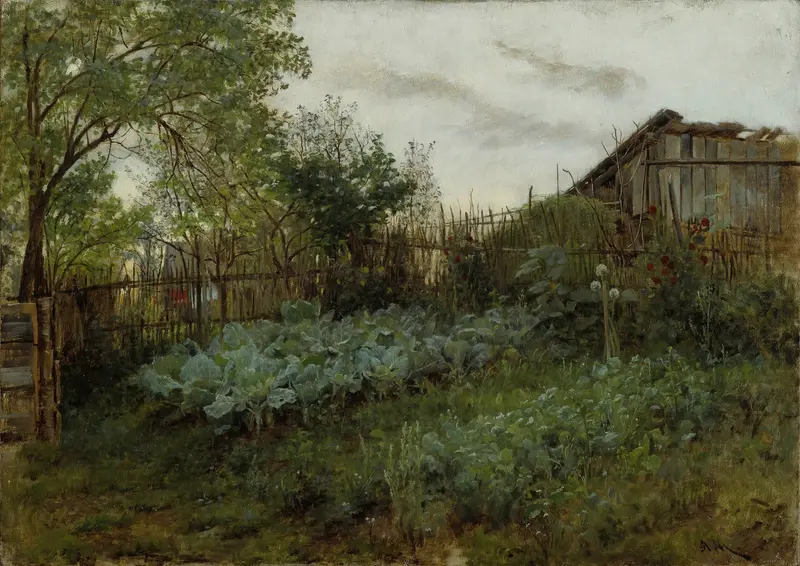
The Back Garden
Adolph von Menzel
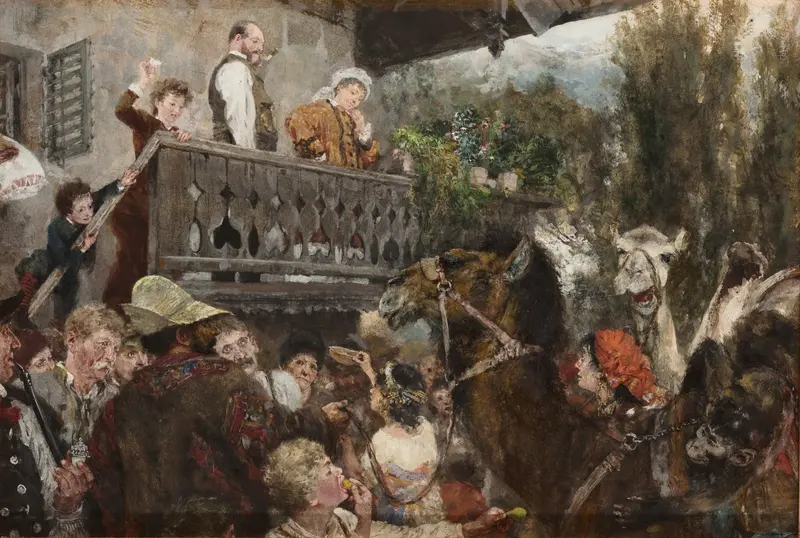
The wandering circus (Camel drivers in Partenkirchen)
Adolph von Menzel
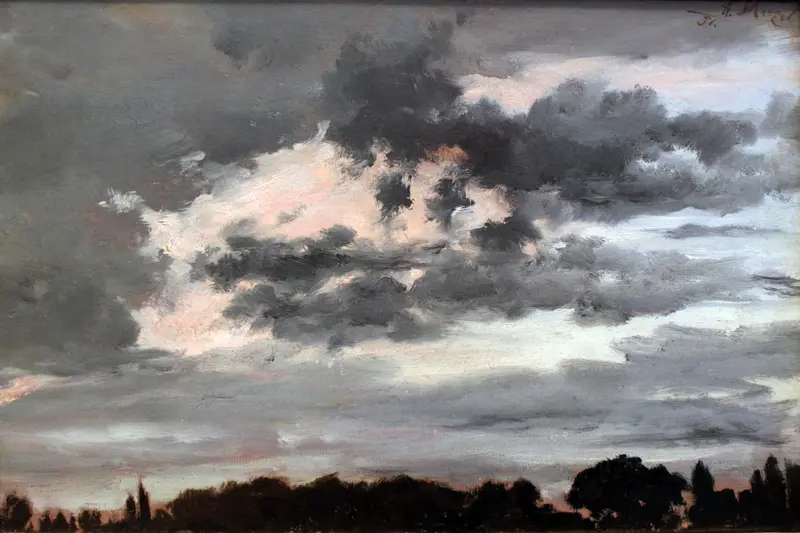
Cloud Study
Adolph von Menzel
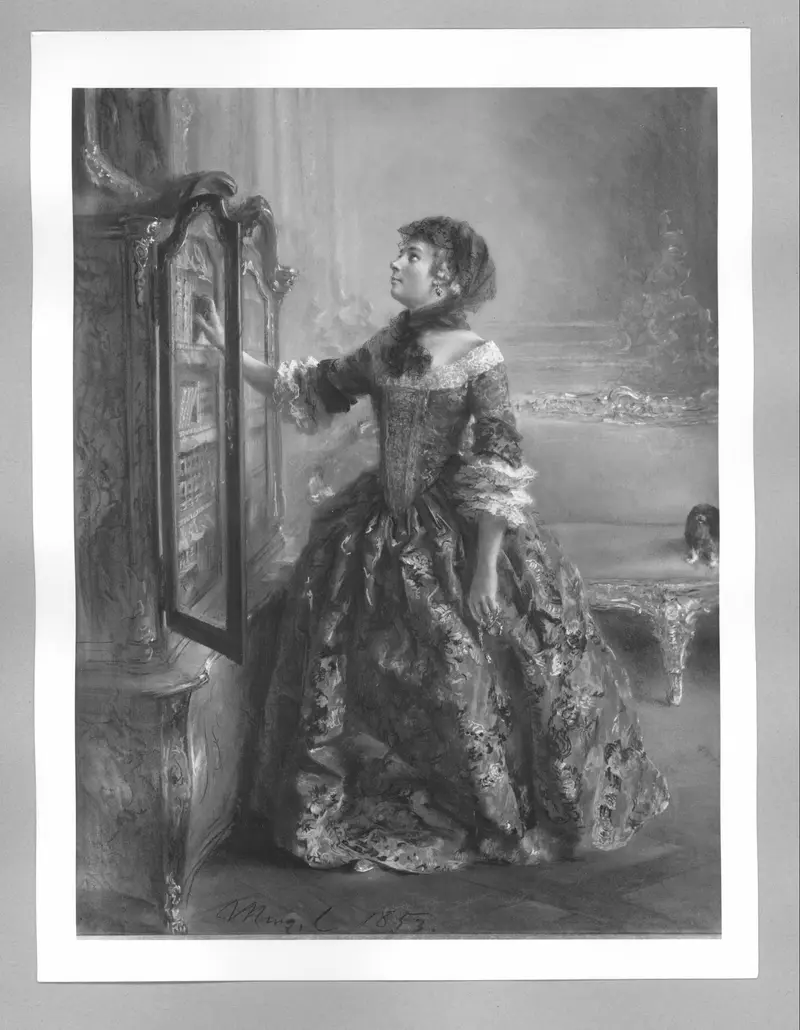
Adolf Friedrich Erdmann Menzel Dame in Rokoko Kostüm vor einem Bücherschrank (Prinzessin Amalie von Hohenzollern) 2320 Führermuseum
Adolph von Menzel
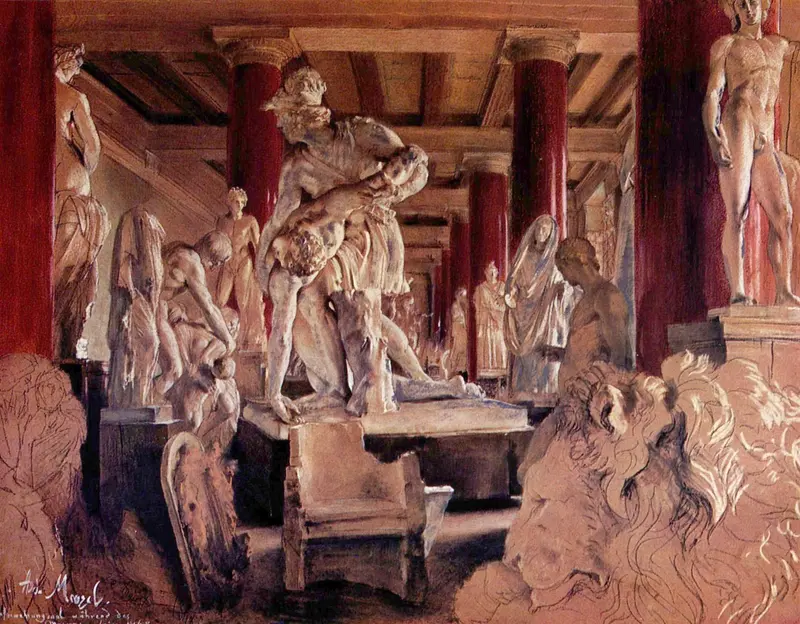
Aufbewahrungssaal während des Museumsumbaus Adolf Friedrich Erdmann von Menzel (Alte Nationalgalerie, Berlin)
Adolph von Menzel
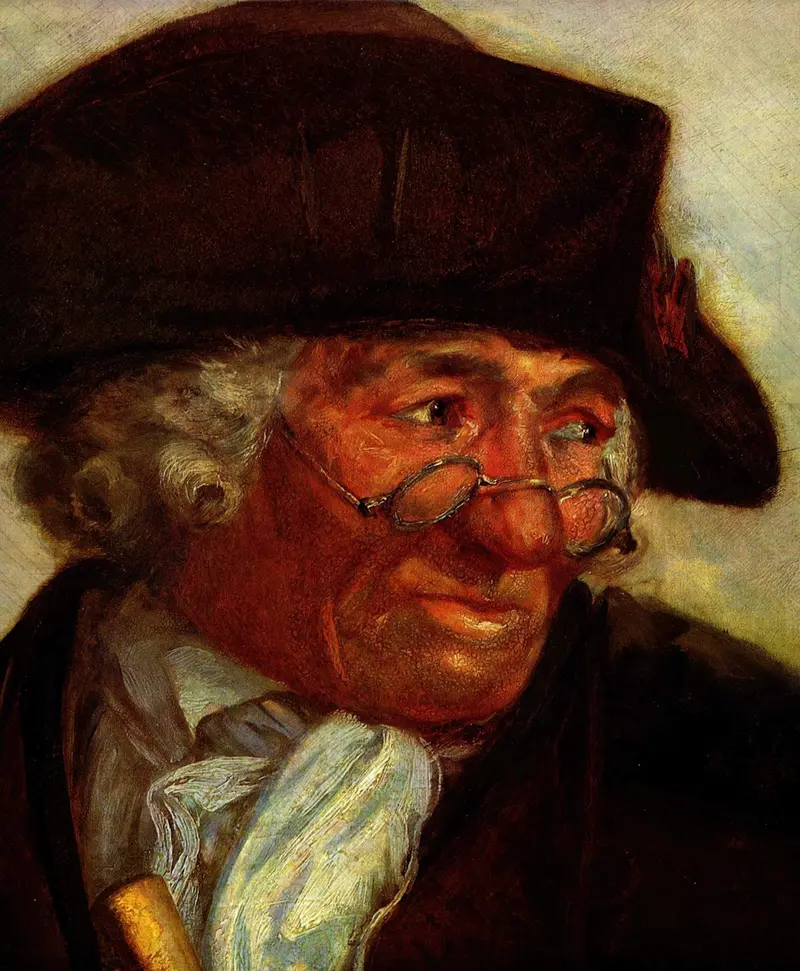
Chodowiecki on the Jannowitz Bridge
Adolph von Menzel
More Genre Scene Art

Banquet of the Officers of the St George Civic Guard
Frans Hals

Rembrandt and Saskia in the Scene of the Prodigal Son
Rembrandt van Rijn

Bal du moulin de la Galette
Pierre-Auguste Renoir

Quadrille at the Moulin Rouge
Henri de Toulouse-Lautrec

A Burial at Ornans
Gustave Courbet

When Will You Marry?
Paul Gauguin