
Retorica — History & Facts
Did the painter know this moment would outlive them? The unfolding of ideas captured in Retorica evokes a poignant reflection on the nature of art and illusion. Look to the left at the exquisite interplay of light and shadow. Notice how it dances across the elegant drapery of the central figure, illuminating the soft contours of her face while casting a subtle darkness on the background. The harmonious palette of warm golds and deep blues adds depth to the composition, drawing the eye towards the intricate details of her elaborate garments and the delicate features that convey a sense of wisdom and authority. In this work, juxtaposition plays a crucial role.
The serene expression of the figure belies the tension of her purpose; she embodies a complex blend of persuasion and vulnerability, representing the very essence of rhetoric. Small details—a book held delicately in her hand, the faint smile on her lips—whisper secrets of knowledge and the power of words, inviting the viewer to consider the weight of influence and the responsibilities that come with it. Georg Pencz created Retorica between 1539 and 1543 during a period when Northern Renaissance art was undergoing significant transformation. Living in Nuremberg, he was influenced by the humanist movement, which emphasized the importance of classical knowledge and eloquence.
At this time, artists were increasingly exploring themes of intellect and morality, making Pencz’s work a notable reflection of the era’s evolving values and aspirations in the world of art.
More Artworks by Georg Pencz
Browse all →
Parabel van de zaaier
Georg Pencz

Parabel van de arbeiders in de wijngaard
Georg Pencz
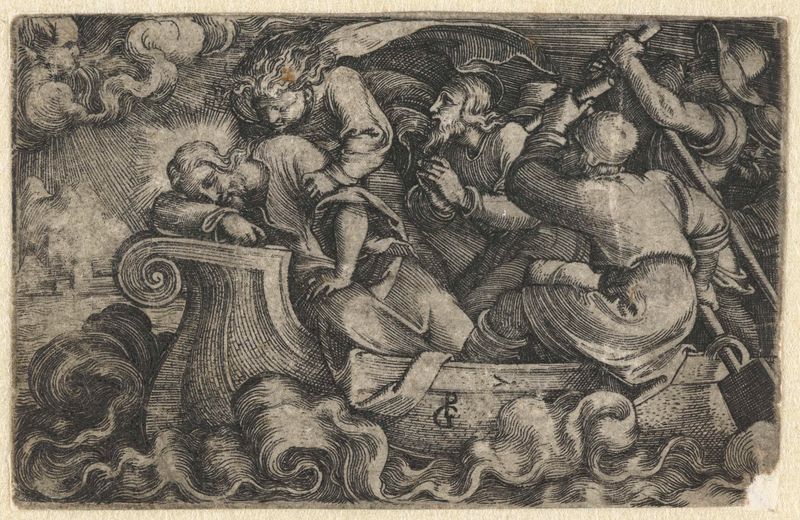
Discipelen wekken slapende Christus tijdens storm op Meer van Galilea
Georg Pencz

Afgunst (Invidia)
Georg Pencz
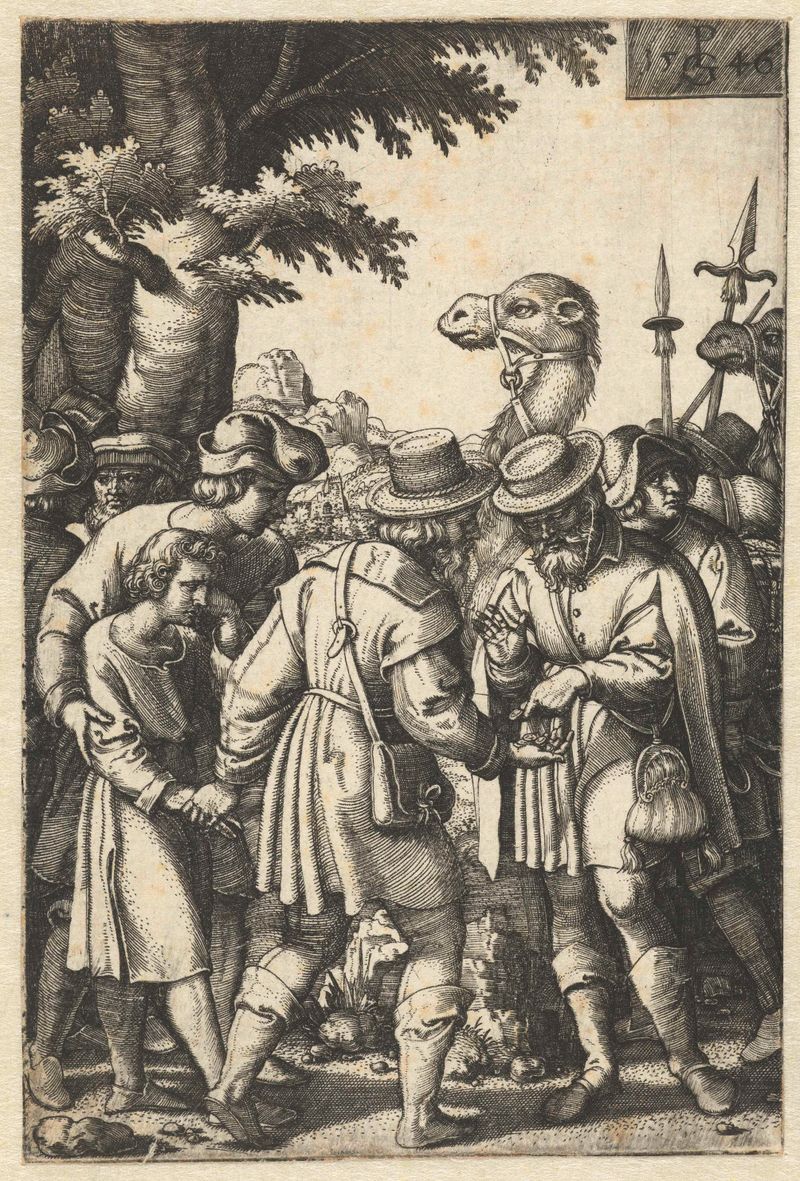
Jozef wordt verkocht aan kooplieden op weg naar Egypte
Georg Pencz

Aanbidding der koningen
Georg Pencz
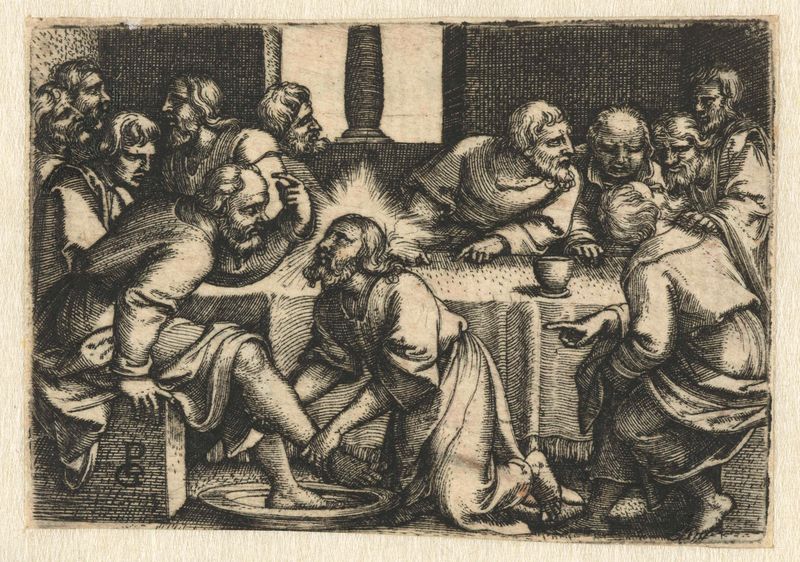
Petrus protesteert als Christus zijn voeten wast
Georg Pencz
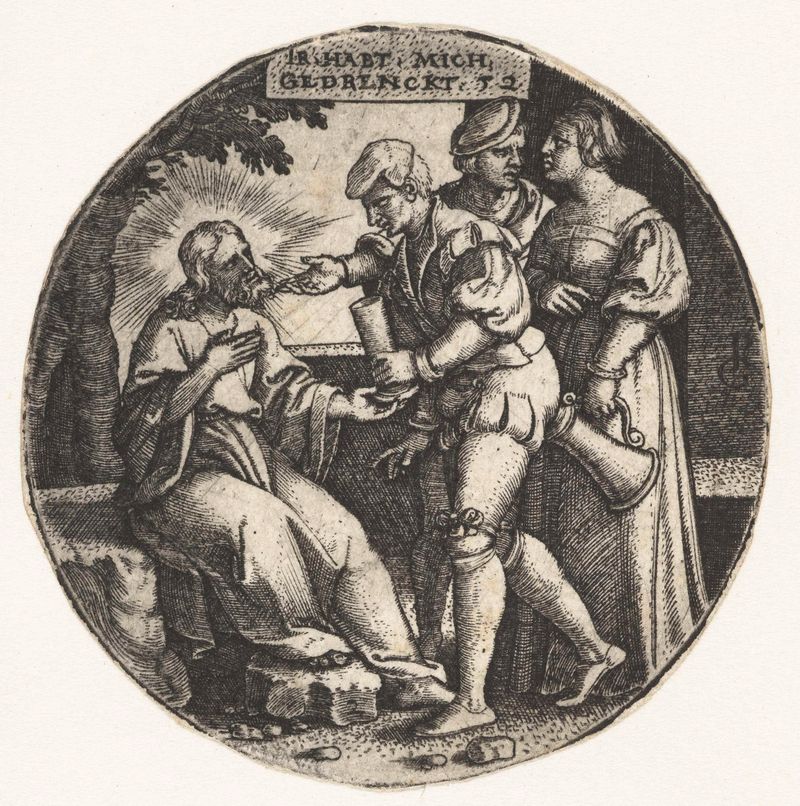
Christus heeft dorst en krijgt drinken aangeboden
Georg Pencz
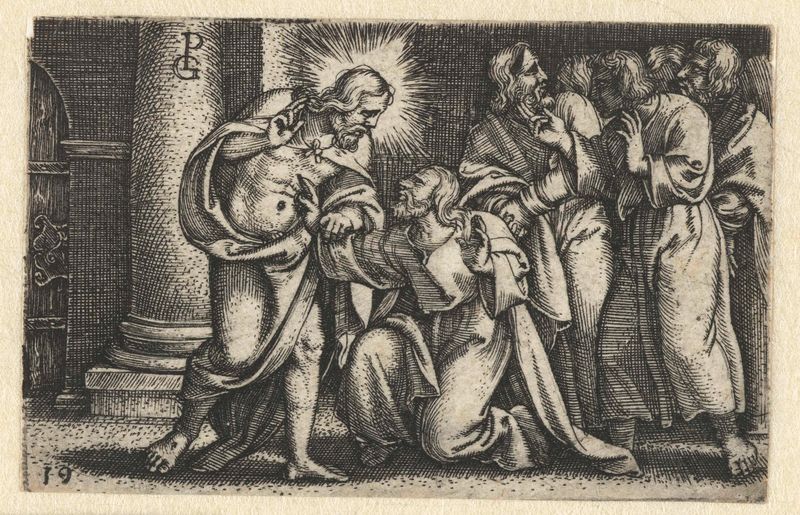
Ongelovige Thomas raakt wonden Christus aan
Georg Pencz

Offer van Abraham van Isaak
Georg Pencz





