
Retorica — History & Facts
Can beauty exist without sorrow? This haunting question lingers in the air when observing the delicate work before us, where melancholy unfurls like a forgotten whisper. Focus on the central figure, a woman draped in flowing garments, her face a blend of grace and longing. Notice how the soft light caresses her features, illuminating the contemplative sadness in her eyes, while shadows dance around her, suggesting an unseen presence. The color palette, a symphony of muted earth tones, evokes a sense of intimacy and isolation, inviting the viewer to delve deeper into her solitude. As you explore the painting, pay attention to the intricate details that abound.
The subtle tension between the softness of her expression and the rigid, almost oppressive architectural elements surrounding her reveals a world both beautiful and confining. The delicate flowers she holds in her hands symbolize fleeting moments of joy, contrasting with the weight of her loneliness, implying that beauty often comes at a cost and can coexist with profound sorrow. Georg Pencz painted this piece between 1539 and 1541, a period during which he was influenced by the Northern Renaissance's intricate attention to detail and emotive expressions. Working in Nuremberg, Pencz was part of an artistic community that championed precise realism, striving to depict the human experience with both fidelity and depth.
In this context, Retorica emerges not only as a portrait but as a reflection of the artist's own engagement with the complexities of beauty, loss, and the human condition.
More Artworks by Georg Pencz
Browse all →
Parabel van de zaaier
Georg Pencz

Parabel van de arbeiders in de wijngaard
Georg Pencz
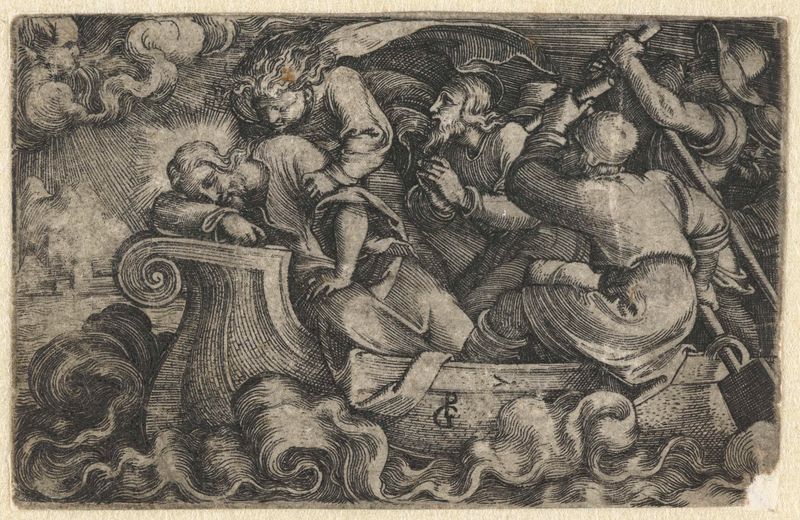
Discipelen wekken slapende Christus tijdens storm op Meer van Galilea
Georg Pencz

Afgunst (Invidia)
Georg Pencz
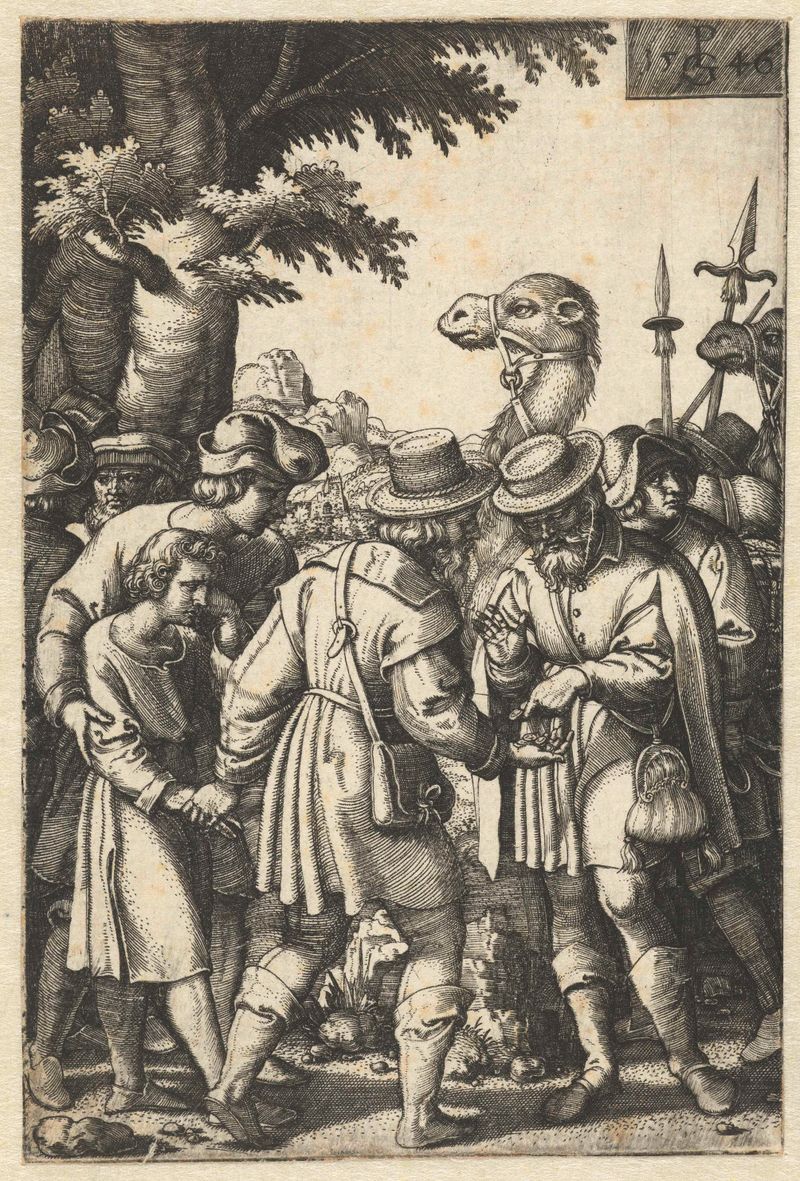
Jozef wordt verkocht aan kooplieden op weg naar Egypte
Georg Pencz

Aanbidding der koningen
Georg Pencz
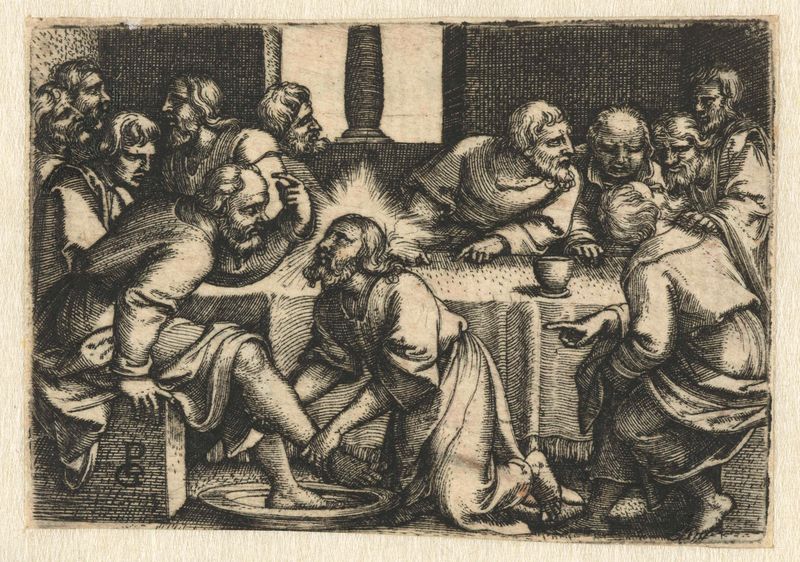
Petrus protesteert als Christus zijn voeten wast
Georg Pencz
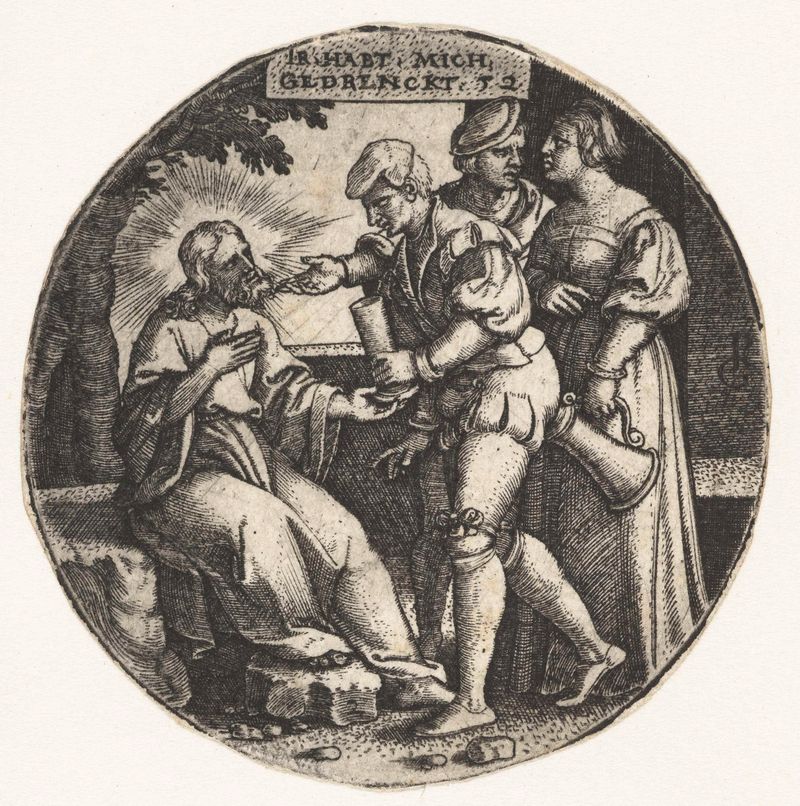
Christus heeft dorst en krijgt drinken aangeboden
Georg Pencz
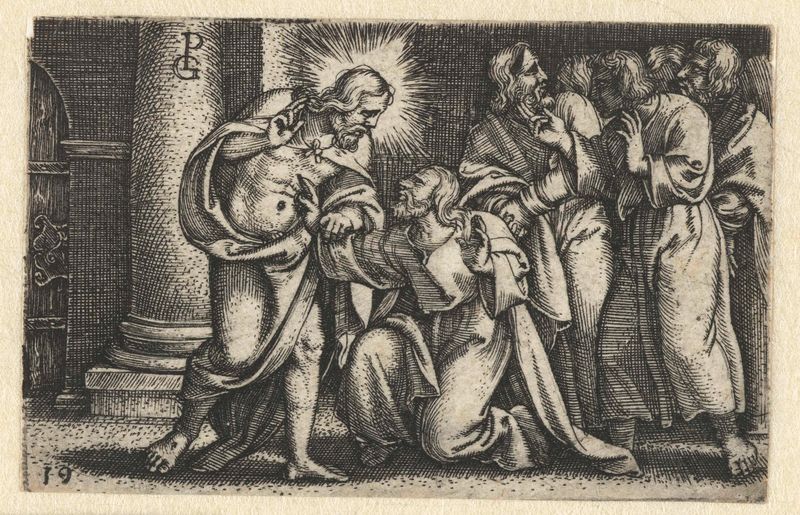
Ongelovige Thomas raakt wonden Christus aan
Georg Pencz

Offer van Abraham van Isaak
Georg Pencz





