
Returning Home in a Winter Landscape — History & Facts
Could a single brushstroke hold eternity? In Returning Home in a Winter Landscape, the brushstrokes pulse with the weight of madness concealed beneath a serene surface, inviting a deeper inquiry into the chaotic heart of tranquility. Look to the center of the canvas, where a solitary figure trudges through the snowy expanse. Their form, draped in muted colors, contrasts against the blinding white, creating a striking focal point that draws the eye. Notice how the light scatters across the snow, glimmering like broken glass, while the darkened trees loom alongside, their twisted branches adding to the scene’s tension.
The skillful use of chiaroscuro not only delineates space but evokes emotional depth, as shadows gather around the wanderer, suggesting both solitude and introspection against the chill of winter. The landscape teeters between calm and chaos, as the stillness of the snow belies the turmoil within the figure. Each footprint in the fresh snow represents a journey—perhaps toward sanity or away from it—while the encroaching darkness of the trees hints at the madness that lurks in the corners of the mind. The juxtaposition of the serene snowy landscape against the internal struggle of the traveler offers a profound commentary on isolation, where nature’s beauty is both a refuge and a reminder of the psyche’s fragility. During the early 19th century, the artist created this piece amidst the Romantic movement, which emphasized emotion and individualism.
Van Haanen, working in the Netherlands at this time, was deeply influenced by the contrasting ideals of nature and human experience. The era was marked by a growing fascination with the sublime, as artists sought to express the complex interplay between beauty and madness in their work, a theme that resonates powerfully in this evocative landscape.
More Artworks by Remigius Adrianus van Haanen
Browse all →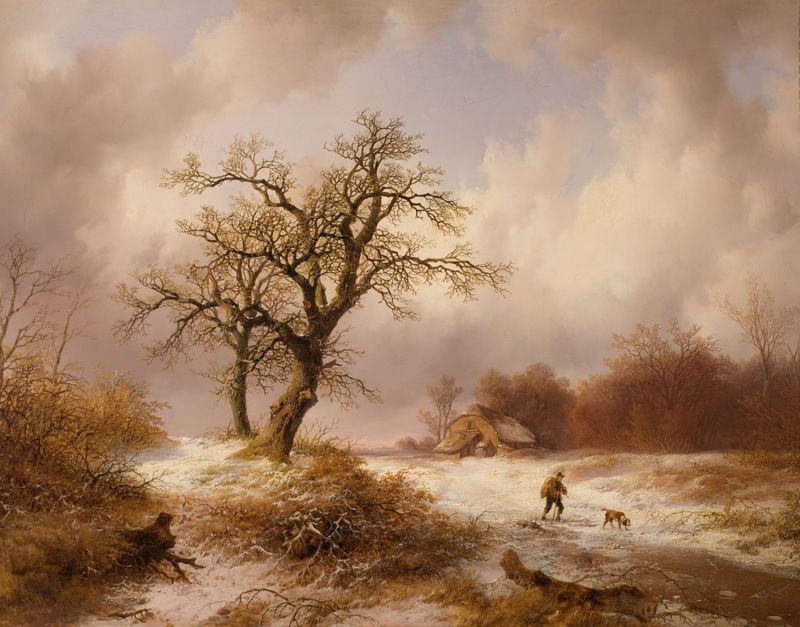
Winterlandschaft
Remigius Adrianus van Haanen
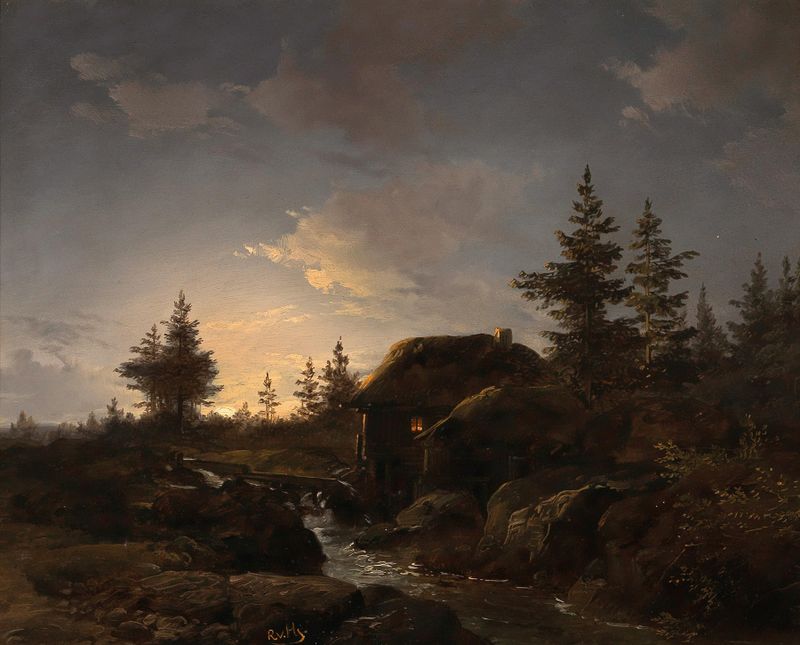
A Moonlit Night
Remigius Adrianus van Haanen
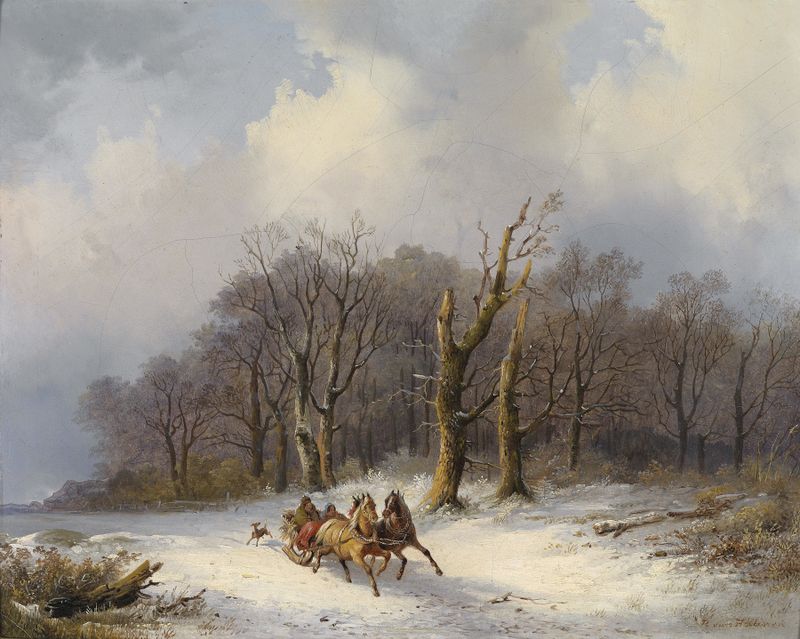
Winterlandschaft mit Pferdeschlitten
Remigius Adrianus van Haanen
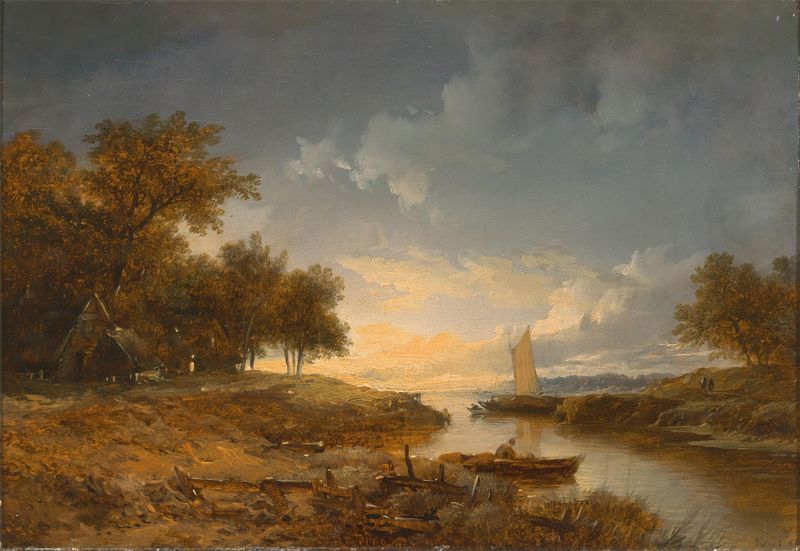
A Dutch River Landscape in the Evening Light
Remigius Adrianus van Haanen
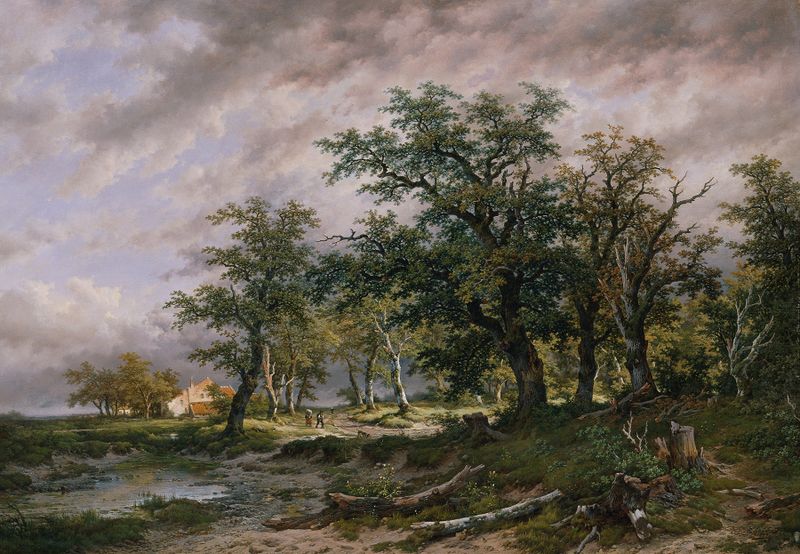
Große holländische Landschaft
Remigius Adrianus van Haanen
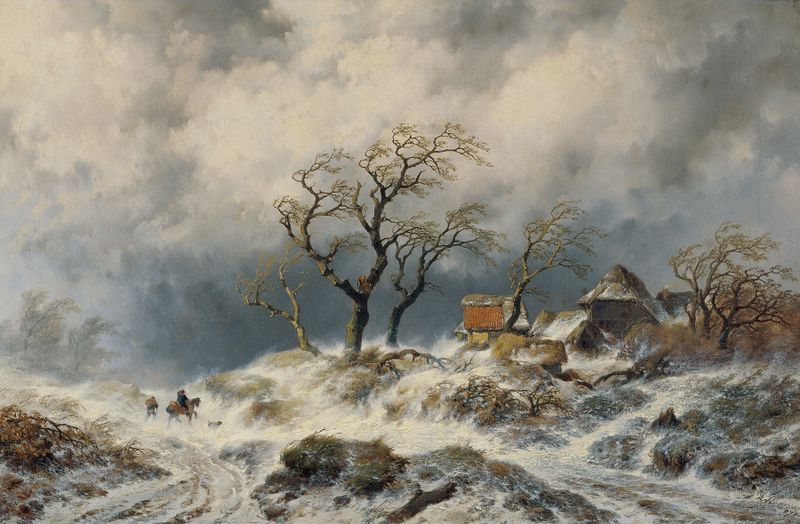
Holländische Winterlandschaft (Schneewehen)
Remigius Adrianus van Haanen
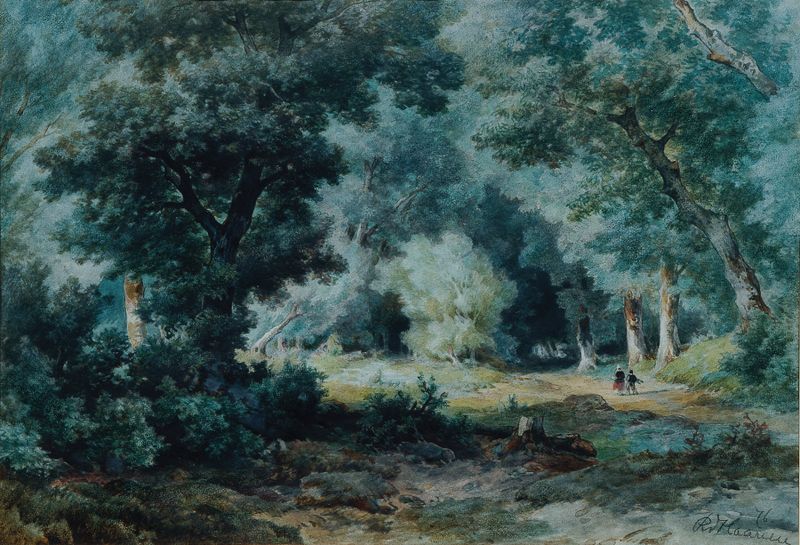
Waldinneres
Remigius Adrianus van Haanen
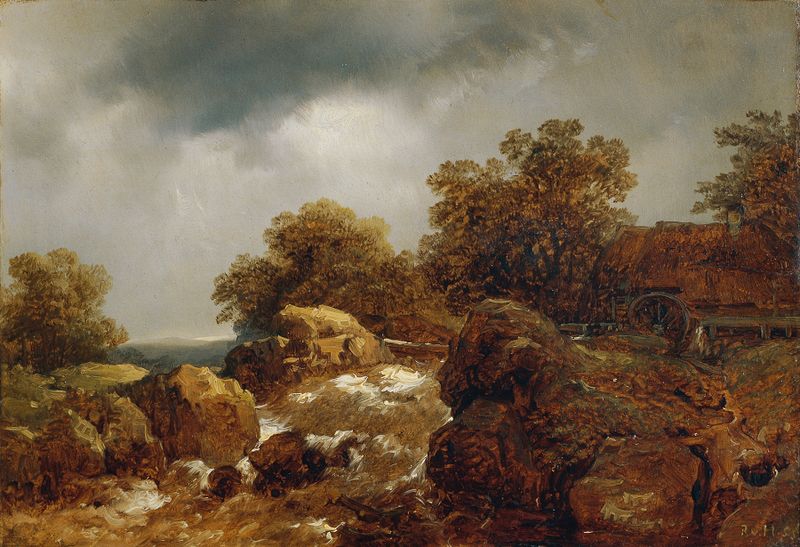
Felsige Landschaft
Remigius Adrianus van Haanen
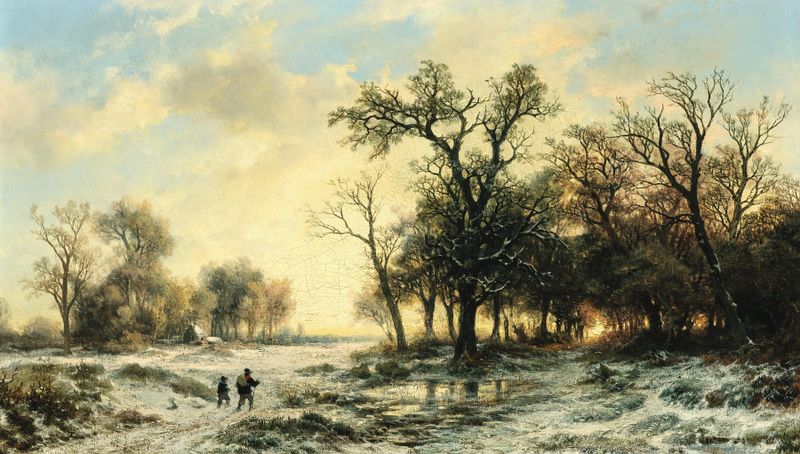
Returning Home at Dusk in Winter
Remigius Adrianus van Haanen
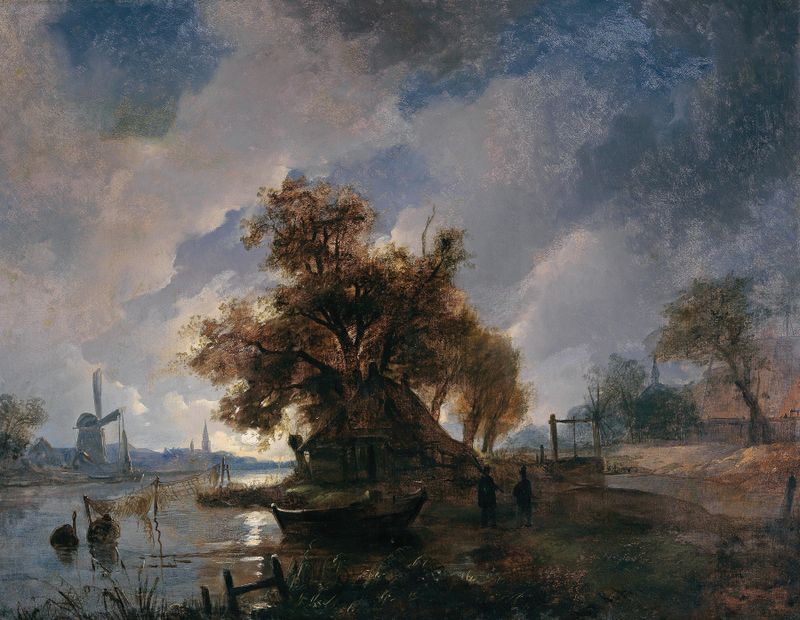
Holländische Flusslandschaft
Remigius Adrianus van Haanen





