Richard Strauss Gastspiele – Mozart, Don Juan, Zauberflöte — History & Facts
The first thing to catch the eye in Richard Strauss Gastspiele – Mozart, Don Juan, Zauberflöte by Emil Cardinaux is the playful contrast between the earthbound and the celestial. A woman in a vivid red and blue dress reclines in the shade, her gaze distant, while above her, a cluster of cherubic musicians floats on a cloud, their instruments raised in silent fanfare. The poster’s palette is bold but softened at the edges, guiding the viewer’s attention from the grounded figure upward to the animated cloud, where music seems to descend from heaven itself.
The composition draws a line between the everyday and the mythic, suggesting that opera—like the scene itself—bridges the two. Created for a series of performances in May 1917 in Zürich, Basel, and Bern, this work belongs to the golden age of the illustrated poster, when artists like Cardinaux were commissioned to turn public announcements into visual theater. Such posters were not merely advertisements but cultural events in their own right, designed to entice a modern urban audience with the promise of spectacle and escape. The use of Mozart’s name alongside Richard Strauss’s signals both tradition and innovation, a dialogue between past and present that was especially resonant in the turbulence of wartime Europe.
History has kept few traces of the individual journeys of these posters, but their purpose remains clear: to make the music visible, and to invite every passerby into its world.
More Artworks by Emil Cardinaux
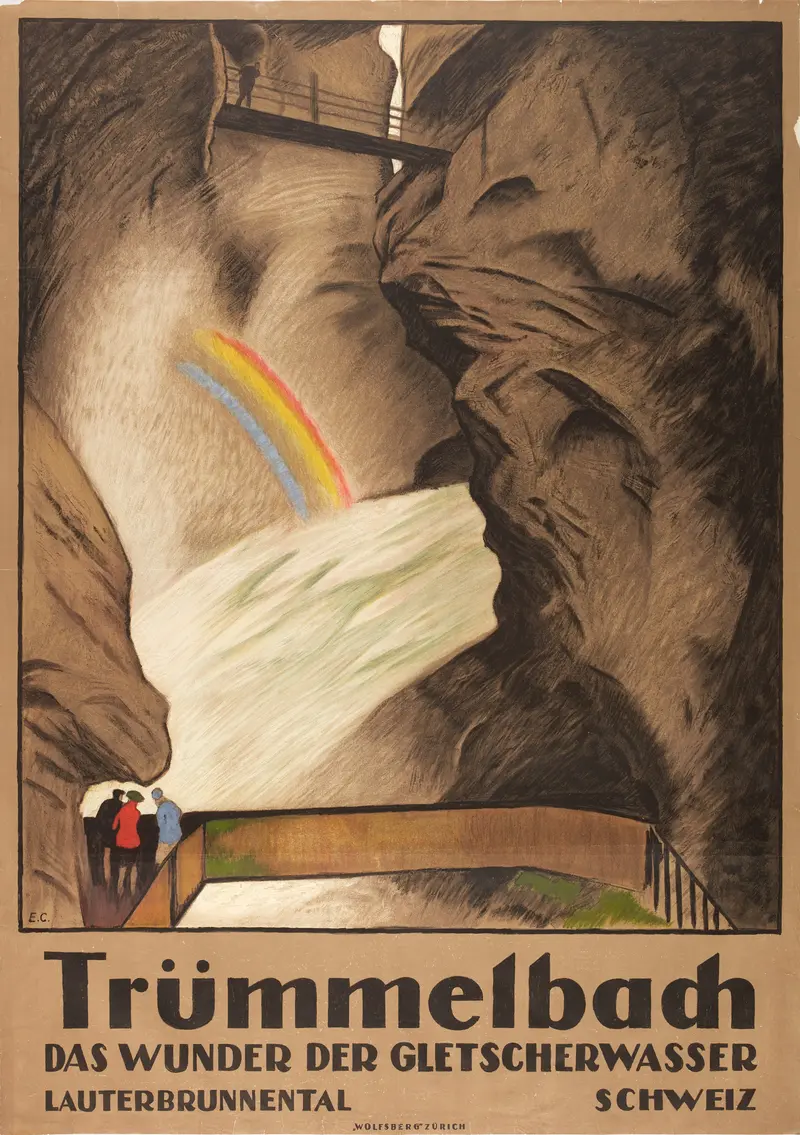
Trümmelbach
Emil Cardinaux
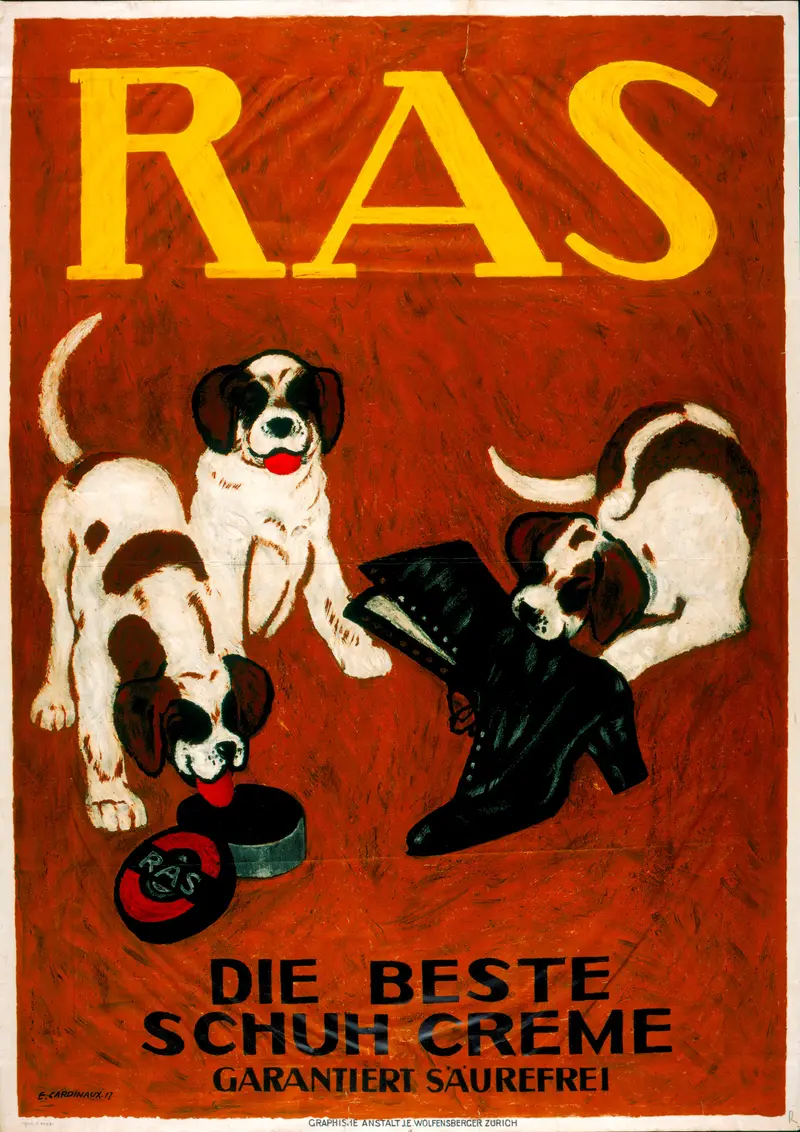
RAS, die beste Schuhcrème
Emil Cardinaux
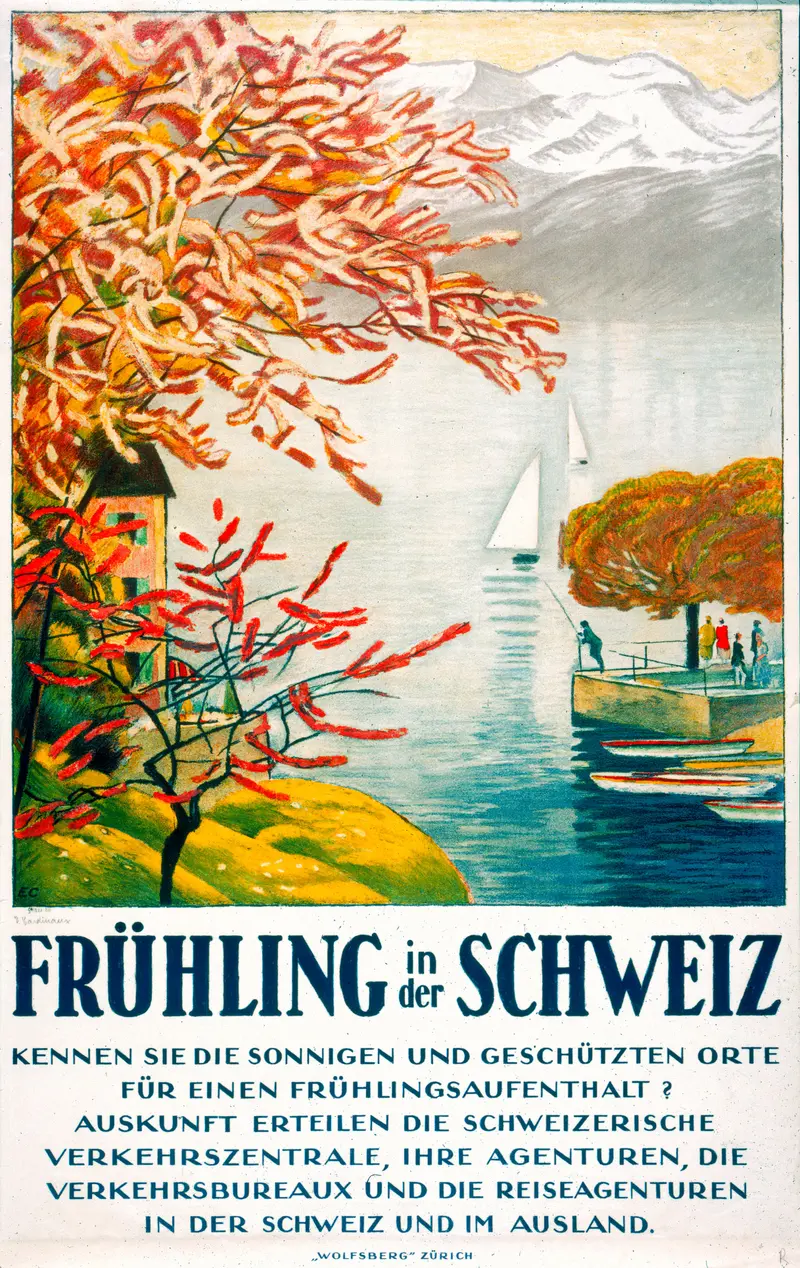
Frühling in der Schweiz
Emil Cardinaux
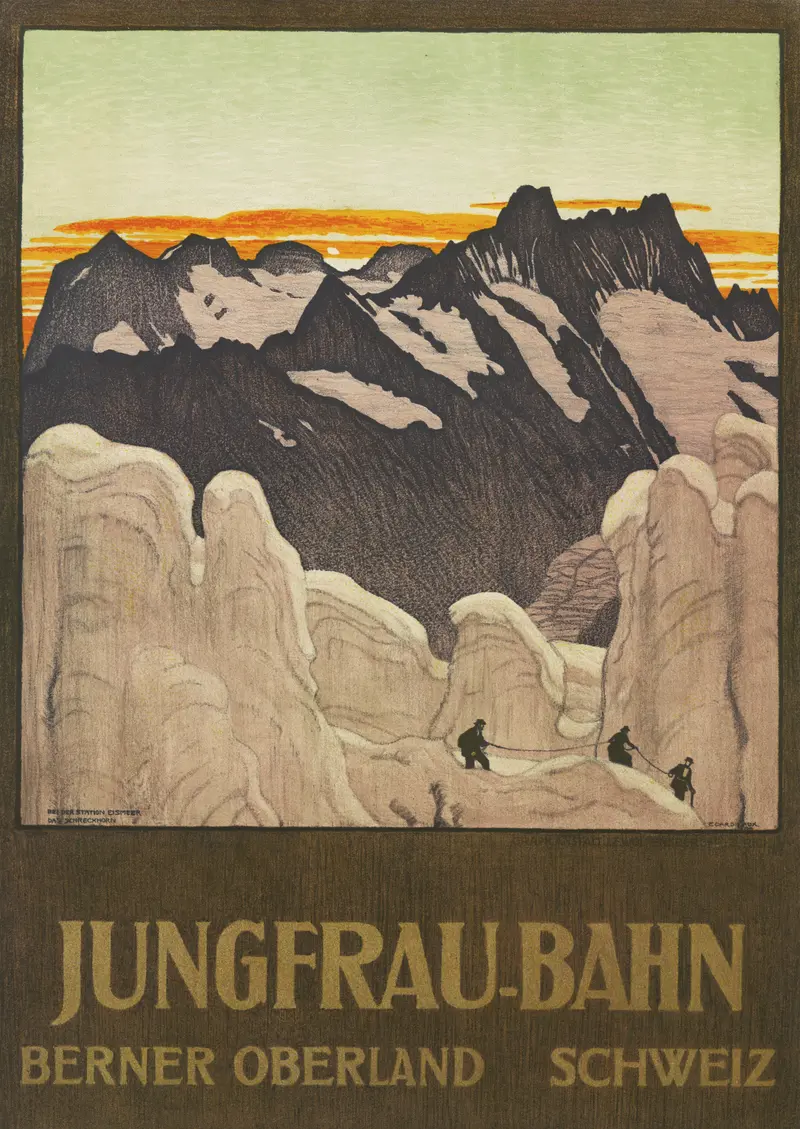
Jungfrau-Bahn, Berner Oberland
Emil Cardinaux
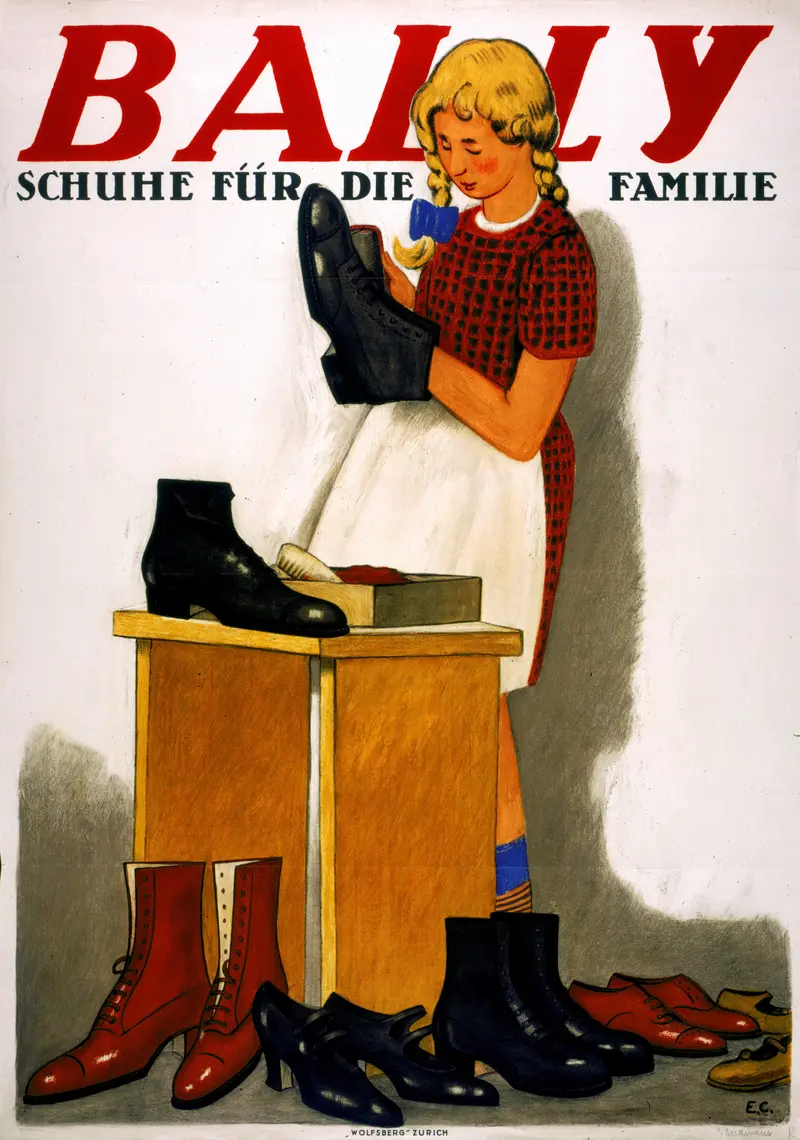
Bally – Schuhe für die Familie
Emil Cardinaux

Winter in Switzerland
Emil Cardinaux
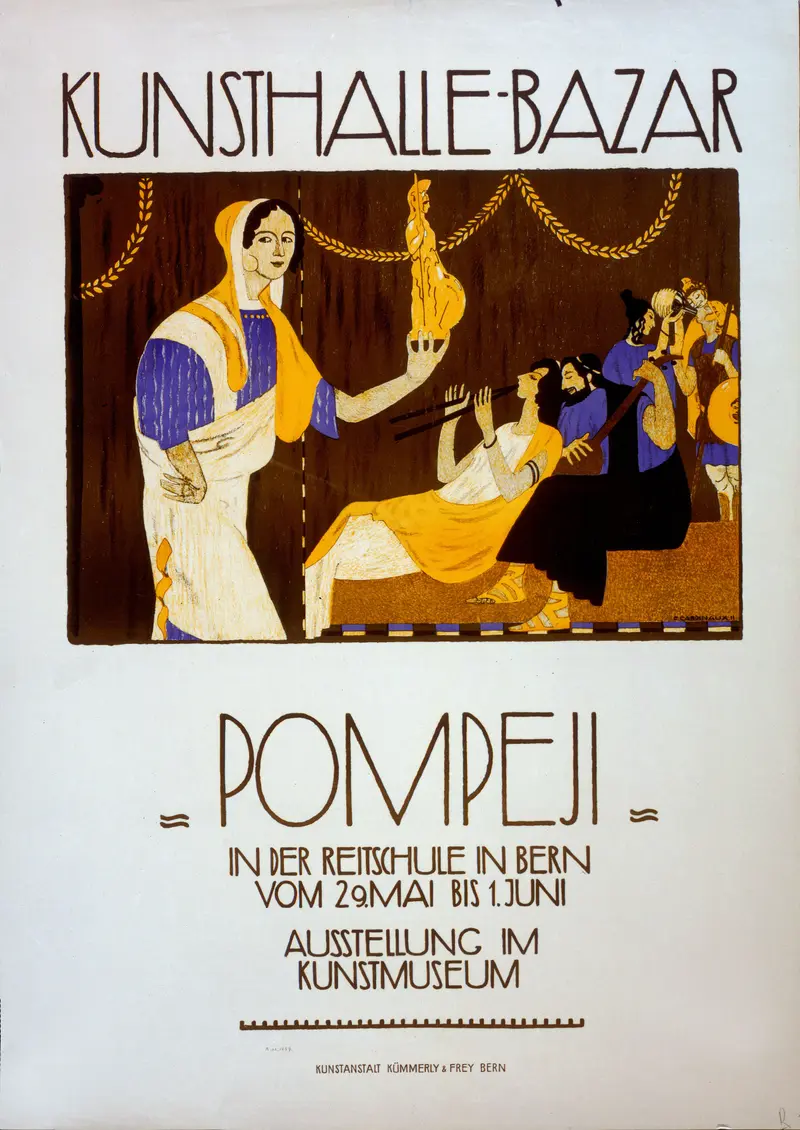
Kunsthalle-Bazar Pompeji, Bern 1911
Emil Cardinaux
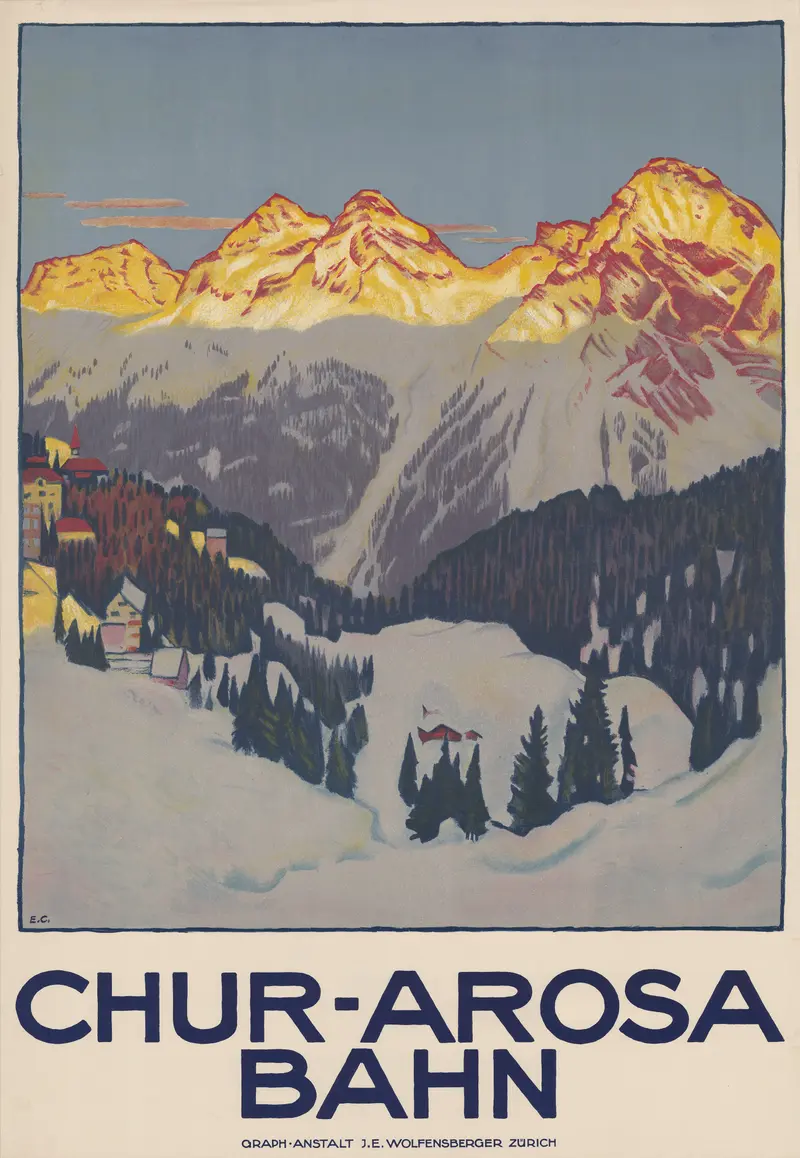
Chur-Arosa-Bahn
Emil Cardinaux
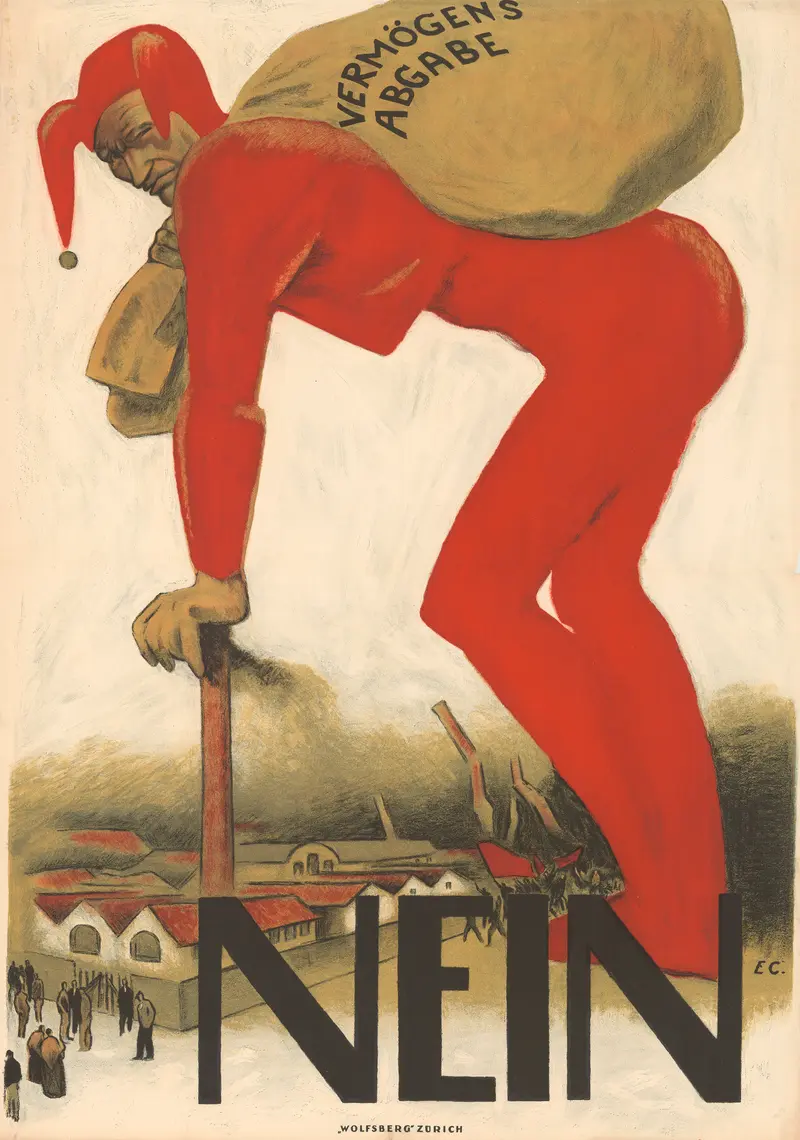
Vermögensabgabe – Nein
Emil Cardinaux
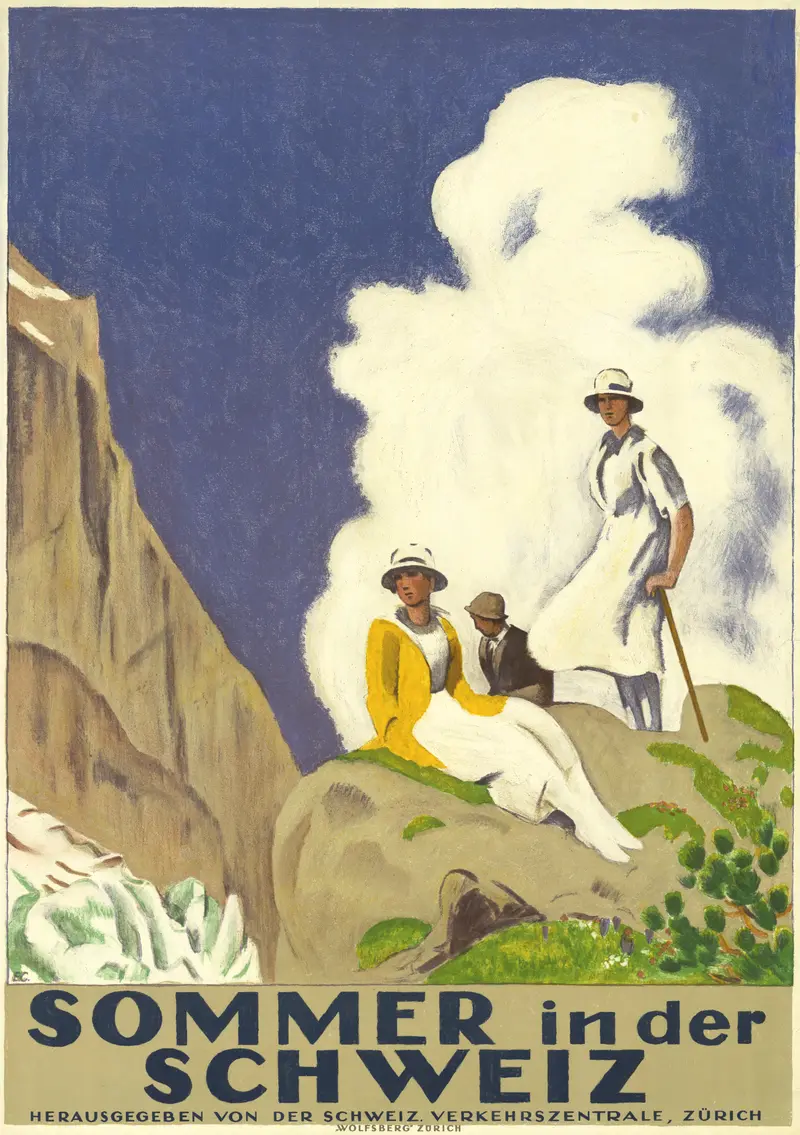
Sommer in der Schweiz
Emil Cardinaux