
Rickety Ole’ Cabin — History & Facts
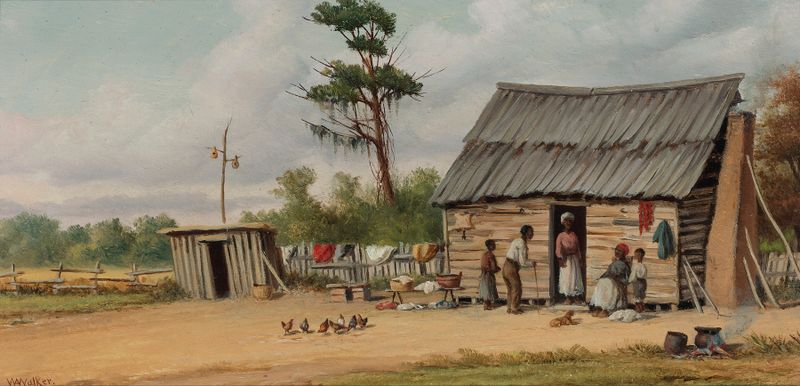
Within the frame of Rickety Ole’ Cabin, light spills through gaps in the weathered wood, revealing secrets whispered by time itself. The cabin stands alone, both a witness and a participant in the dialogue between nature and neglect, its presence heavy with unspoken stories. Look to the left at the sun-drenched facade, where shades of ochre and brown meld into an inviting warmth, despite the cabin’s disrepair. Notice how the light plays across the uneven surface, highlighting the texture of wood that has endured countless seasons.
The dappled illumination softly frames the windows, hinting at a life once vibrant inside, now a mere echo. The careful brushwork draws the viewer further in, revealing nuances of color that suggest a past rich with memories. The contrast of light and shadow serves not only to depict a physical space but to evoke emotional depth. The cabin, once a refuge, now appears as a relic of isolation, drawing attention to the solitude that seeps from its walls.
Each crevice whispers of abandonment, yet the light also carries a glimmer of hope, suggesting resilience. The surrounding foliage, lush yet untamed, embraces the structure, blurring the line between habitation and wilderness, inviting contemplation on the passage of time. William Aiken Walker painted Rickety Ole’ Cabin during a period marked by the Southern Impressionist movement, although the exact date remains uncertain. Living in the post-Civil War era, Walker experienced a transformed American landscape, grappling with themes of identity and memory in his work.
As he focused on landscapes and everyday scenes, he positioned himself within an artistic dialogue that sought to portray both beauty and decay, making the mundane extraordinary.
More Artworks by William Aiken Walker
Browse all →
A South Carolina Cabin
William Aiken Walker

Louisiana Cabin Scene
William Aiken Walker
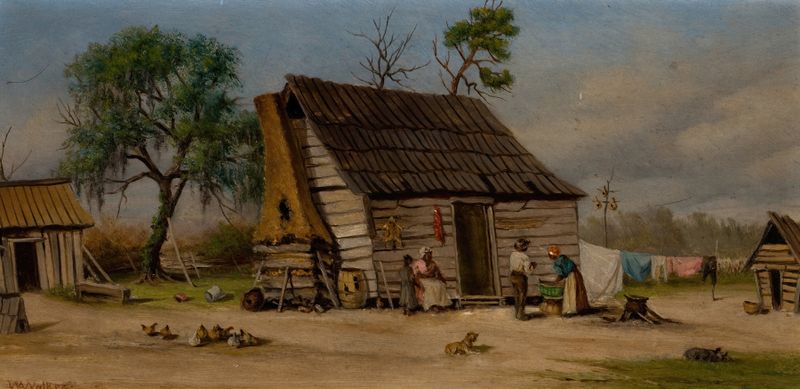
Cabin Scene
William Aiken Walker

Cabin Scene
William Aiken Walker

Cabin Scene, Wash Day
William Aiken Walker

Sharecroppers Gathering in the Yard
William Aiken Walker
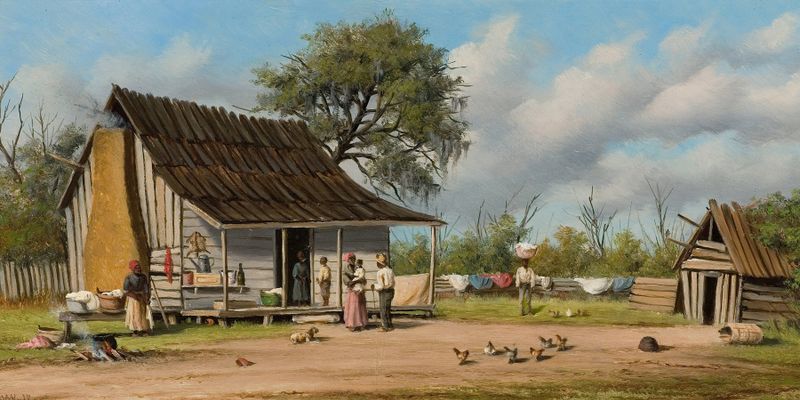
Cabin Scene
William Aiken Walker
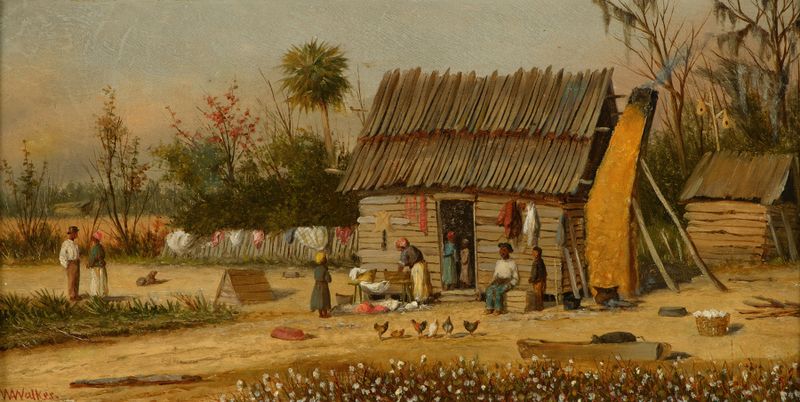
Wash Day
William Aiken Walker
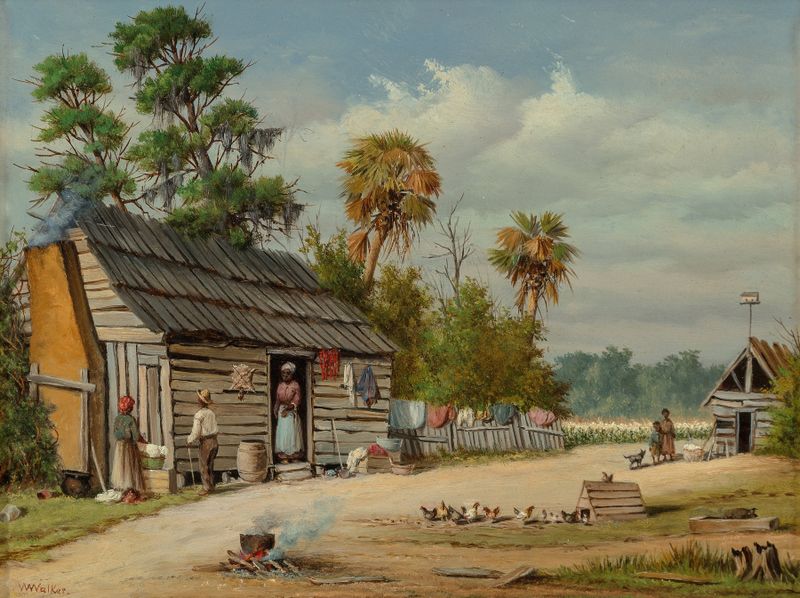
Cabin
William Aiken Walker
The Old Cabin
William Aiken Walker





