
Ricks of Corn — History & Facts
Can beauty exist without sorrow? In the realm of art, this question lingers, evoking a complex interplay of emotions that invites contemplation. Look closely at the rolling hills in Ricks of Corn, where golden stalks ripple like waves beneath a vast, cerulean sky. The artist employs a rich palette of yellows and greens, skillfully capturing the warm glow of sunlight filtering through the crops. Notice how the ricks rise like silent sentinels, their textures revealing the labor and care of harvest, while the distant landscape fades into a gentle blur, drawing our gaze toward the foreground. Within this serene setting, subtle contrasts emerge.
The vibrant hues of the corn juxtaposed with the muted tones of the earth suggest a harmony that belies the labor required to cultivate such beauty. The stillness of the scene evokes a sense of nostalgia, hinting at the transient nature of agricultural life and its inevitable cycles of abundance and loss. Each rick stands as a testament to the toil of hands that shaped the fertile land, bearing witness to both the joy of harvest and the melancholy of what once thrived. Jan Stanisławski painted Ricks of Corn between 1901 and 1905, during a time when he was deeply involved with the Polish artistic community.
His works reflect a growing interest in capturing the essence of rural life in Poland, inspired by the Symbolist movement's emphasis on emotional depth and color. This period marked a significant evolution in his style, showcasing not only his technical mastery but also his desire to evoke poignant feelings through landscapes that resonate with universal human experiences.
More Artworks by Jan Stanisławski
Browse all →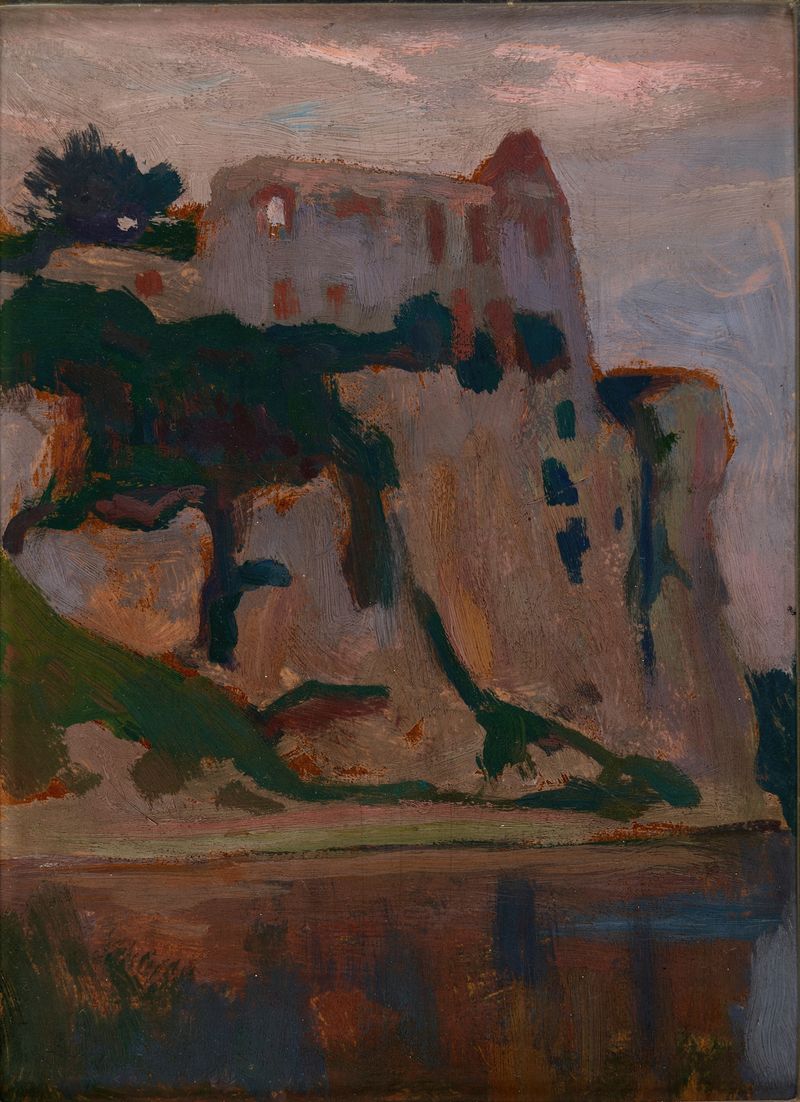
Tyniec at Dawn
Jan Stanisławski
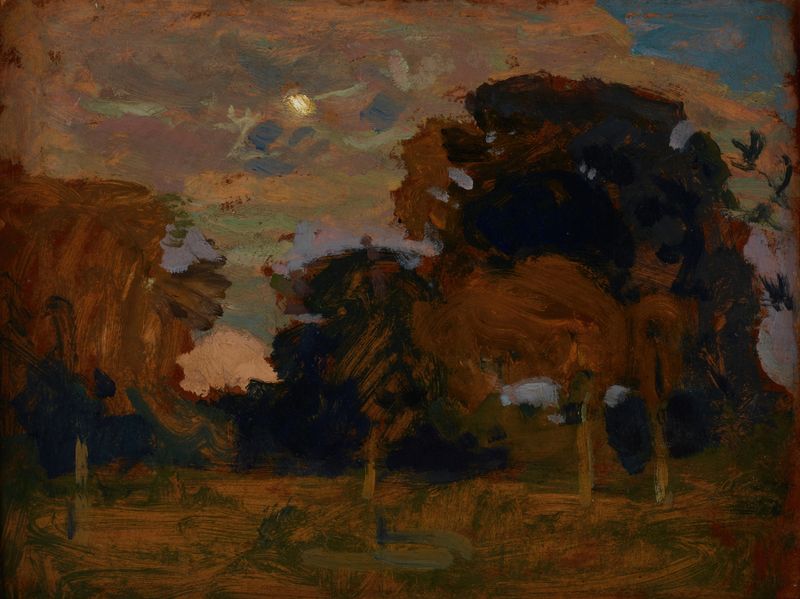
Moon in the Clouds
Jan Stanisławski
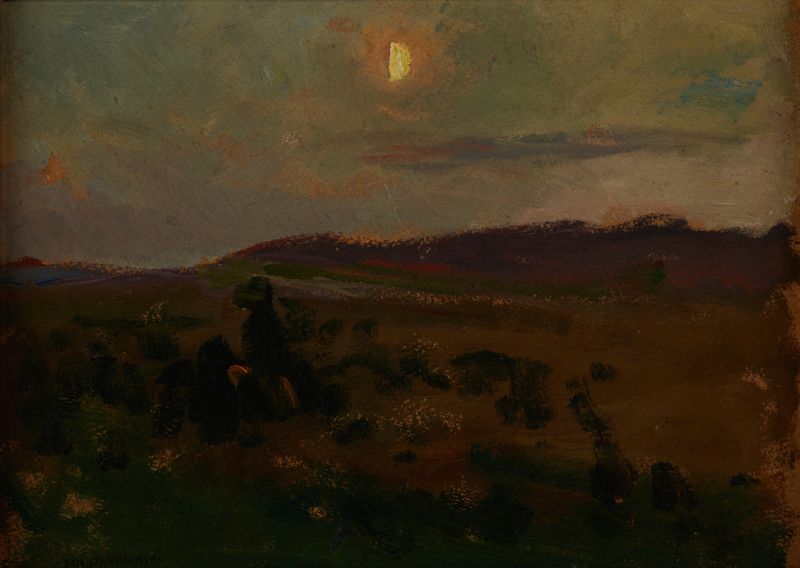
Moonrise
Jan Stanisławski
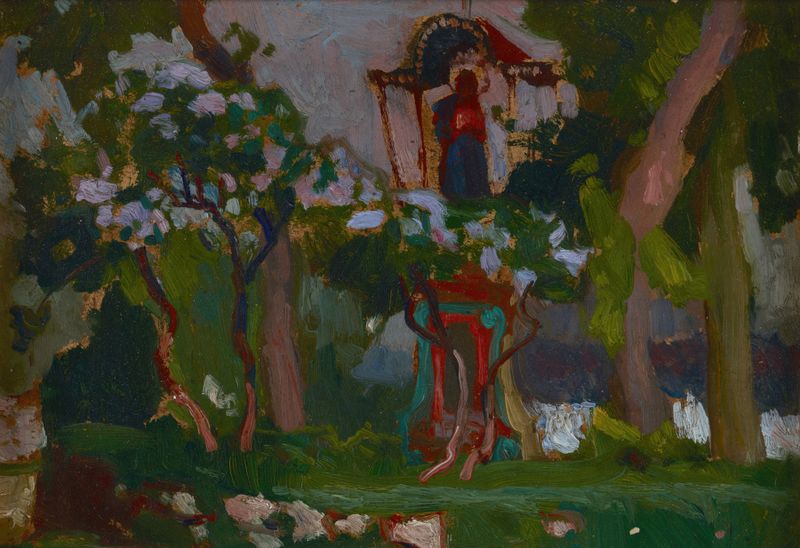
May
Jan Stanisławski
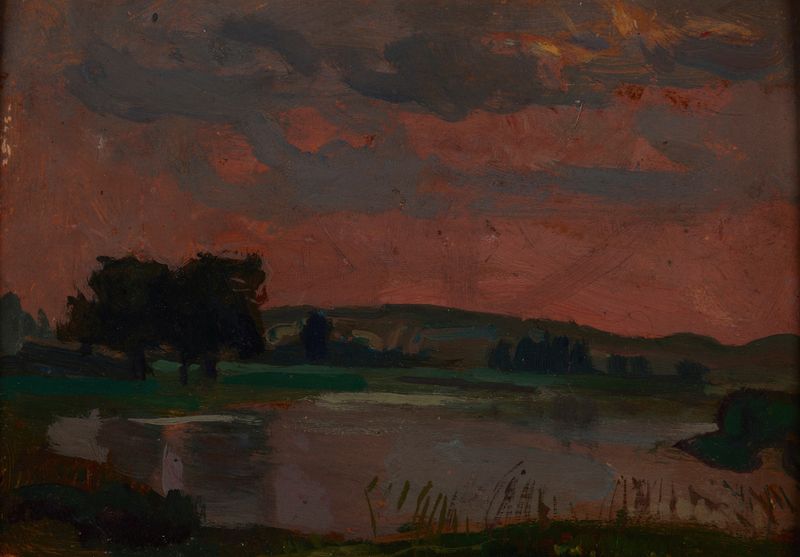
The Vistula in the Twilight
Jan Stanisławski
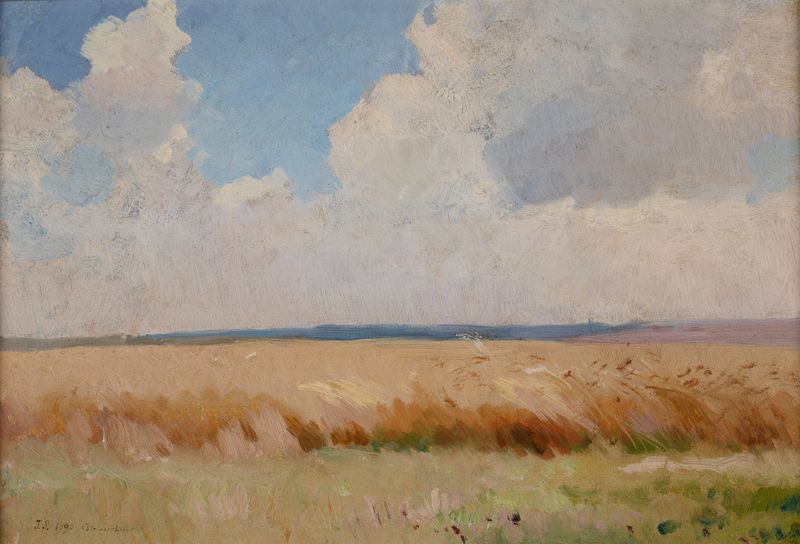
Field at Białocerkiew (Bila Tserkva)
Jan Stanisławski
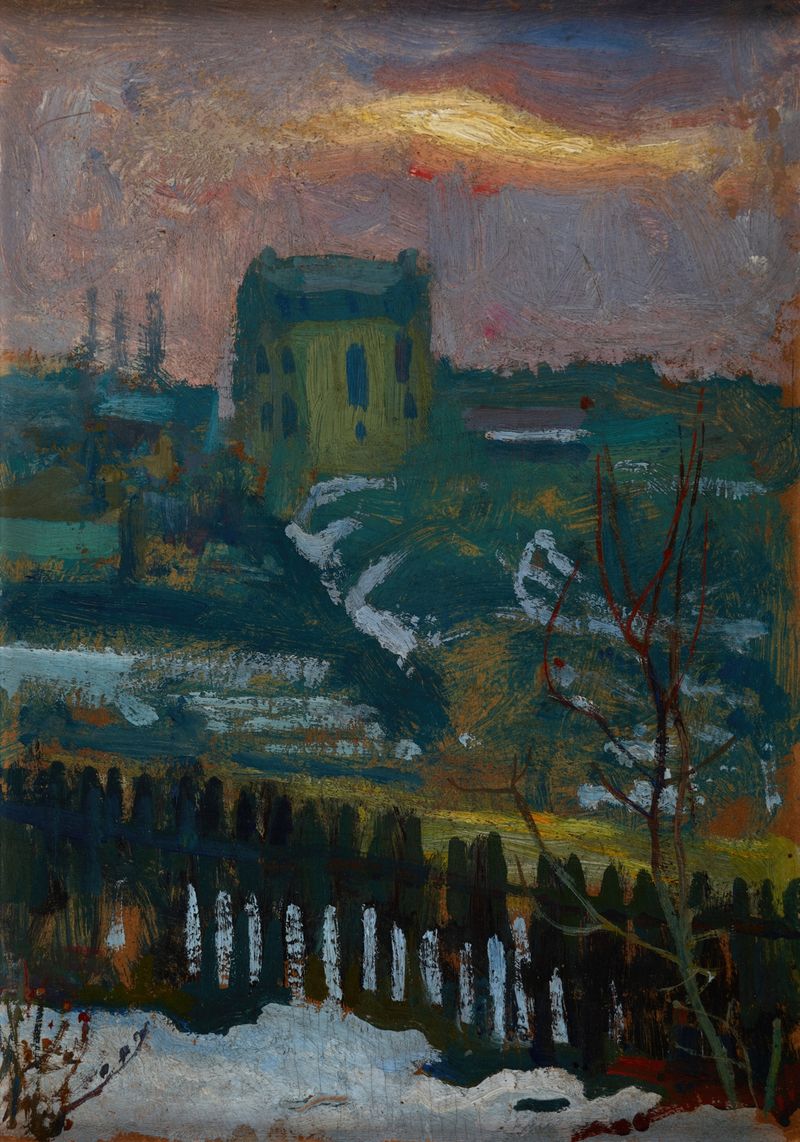
House in Winter
Jan Stanisławski
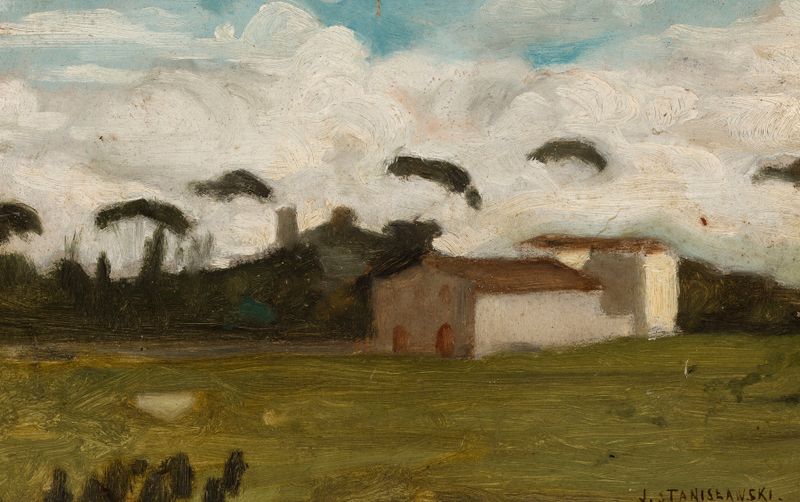
Landscape
Jan Stanisławski
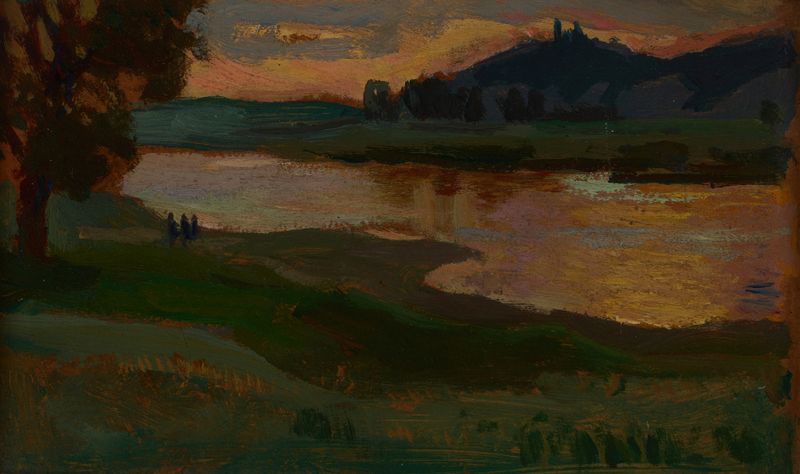
Bielany at Dusk
Jan Stanisławski
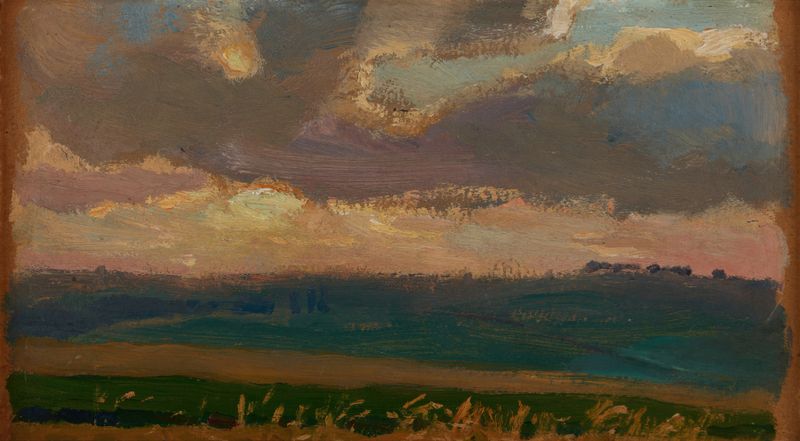
Fields at Proszowice
Jan Stanisławski





