
Rijke man op zijn sterfbed — History & Facts
In the depths of silence, we confront the weight of legacy, lingering like a shadow at the edge of consciousness. The moments captured in paint can unearth truths often obscured by the busyness of life, forcing us to reckon with our existence. Look to the center of the canvas, where the dying figure lies, draped in opulent fabrics that both signify wealth and underscore mortality. The contrasting darkness envelops him, accentuating the pallor of his skin, suggesting both the physical decay and the ephemeral nature of material riches.
The somber expressions of those surrounding him invite intrigue, each gesture a silent testament to the burden of impending loss—how they cling to or retreat from the morbid scene. There is a poignant juxtaposition between the lavish artifacts surrounding the man and the stark reality of his death. His wealth symbolizes a lifetime of acquisition, yet here it feels like a hollow victory against the inevitability of fate. Notice the mournful gazes exchanged among the onlookers, reflecting a collective contemplation of what remains after one departs—questioning not just what is lost, but what is left behind. Created between 1542 and 1543, this work emerged during a transformative time for Georg Pencz, who was establishing his voice in the northern Renaissance.
This period was marked by an exploration of humanism and the intricacies of personal legacy in art. The artist grapples with mortality, reflecting societal tensions between material wealth and spiritual existence, a theme that resonates deeply as artists began to prioritize individual experience over collective narrative.
More Artworks by Georg Pencz
Browse all →
Parabel van de zaaier
Georg Pencz

Parabel van de arbeiders in de wijngaard
Georg Pencz
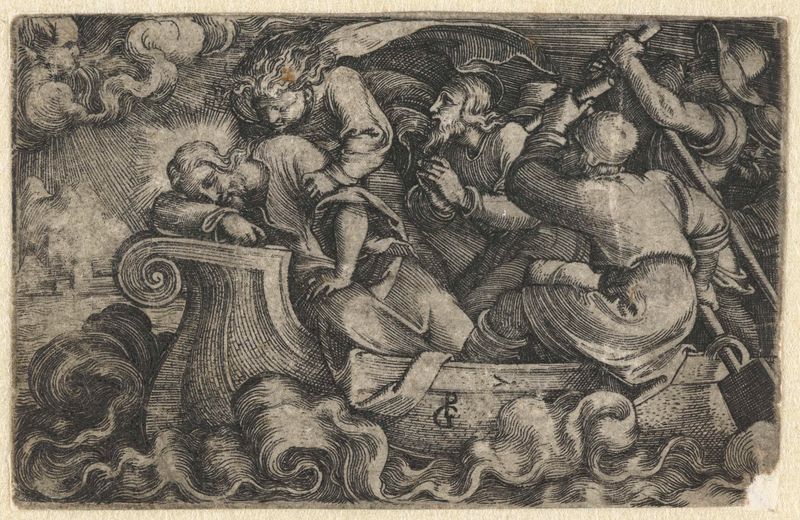
Discipelen wekken slapende Christus tijdens storm op Meer van Galilea
Georg Pencz

Afgunst (Invidia)
Georg Pencz
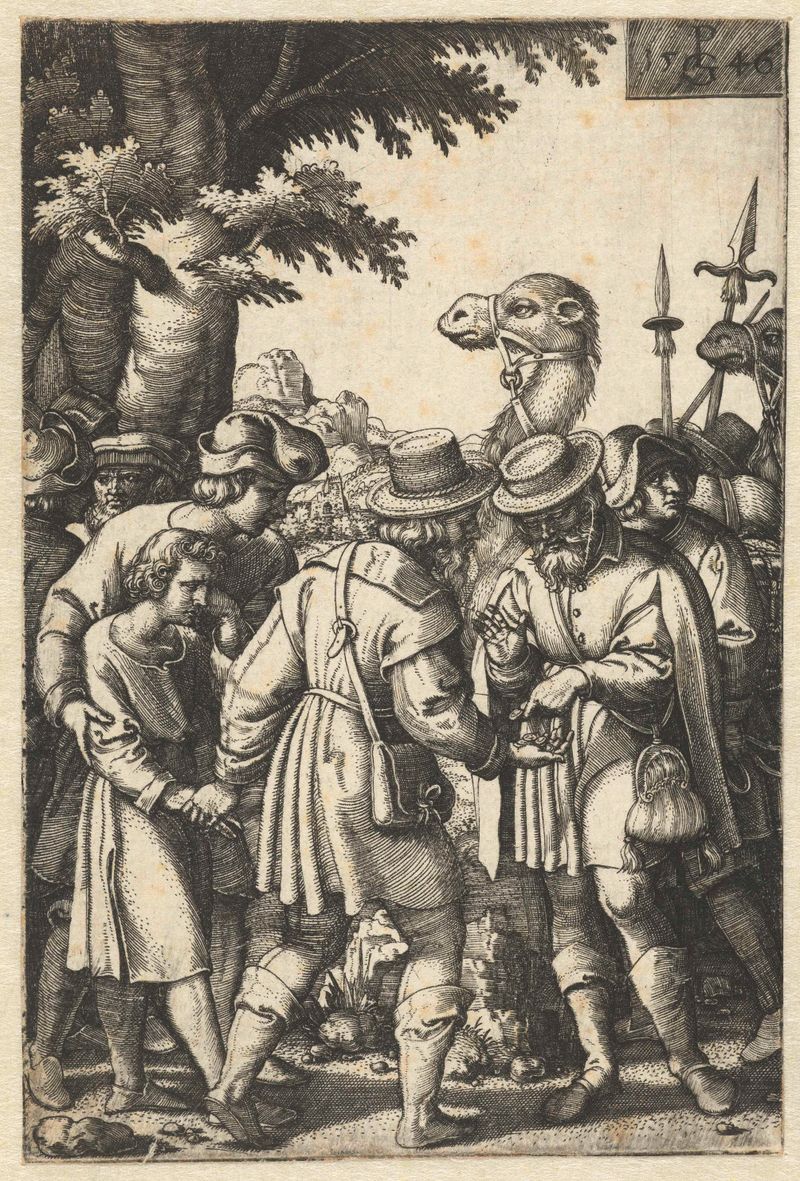
Jozef wordt verkocht aan kooplieden op weg naar Egypte
Georg Pencz

Aanbidding der koningen
Georg Pencz
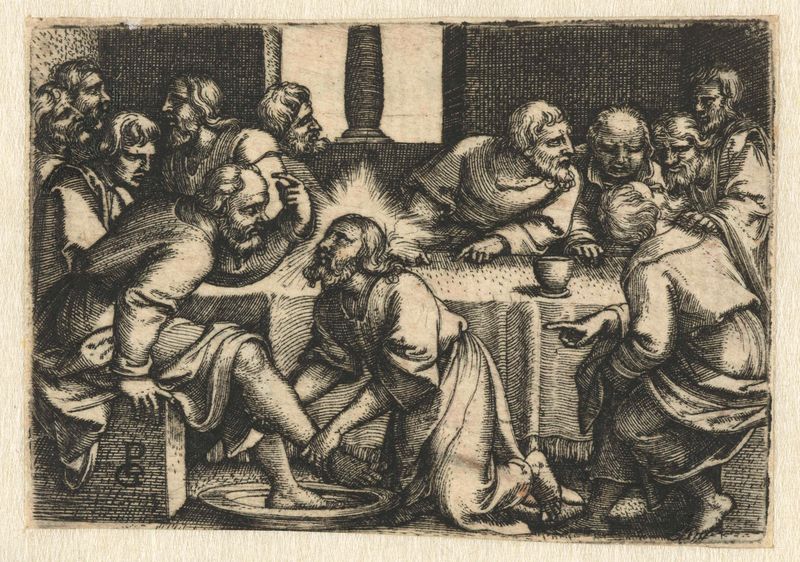
Petrus protesteert als Christus zijn voeten wast
Georg Pencz
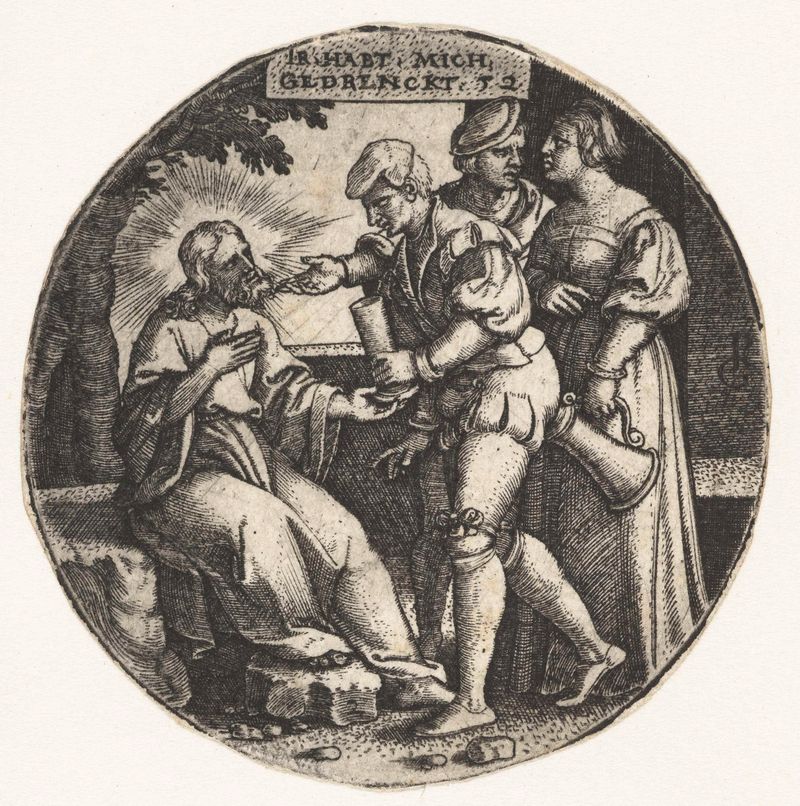
Christus heeft dorst en krijgt drinken aangeboden
Georg Pencz
Ongelovige Thomas raakt wonden Christus aan
Georg Pencz

Offer van Abraham van Isaak
Georg Pencz





