
Ripon Minster — History & Facts
In the hushed stillness of a cathedral, the weight of loss hangs palpably in the air. Shadows linger in the corners, whispering untold stories of those who came before, while every brushstroke carries the echoes of what once was. Look to the expansive arches rising majestically from the ground, their intricate details beckoning your gaze upwards. Notice how the soft golden light streams in through the stained glass, casting colorful patterns that dance gently upon the stone floor.
The muted palette of grays and browns evokes a solemn atmosphere, while flickers of vibrant hues celebrate the sanctity of the space, inviting contemplation and reverence. In this work, the contrast between light and shadow symbolizes the duality of remembrance and absence. The fallen leaves scattered near the entrance hint at the passage of time, suggesting that life’s beauty is intertwined with inevitable decay. The artist’s choice of muted colors conveys not just an aesthetic quality but also a deeper emotional resonance, embodying a collective mourning for what has been lost, both in this sacred space and in the souls who once filled it. Created during a time when the Gothic Revival was gaining momentum in England, the artist painted this piece as part of his exploration of architectural beauty and historical reverence.
Edward Dayes, active in the late 18th and early 19th centuries, was captivated by the interplay of nature and man-made structures, and Ripon Minster exemplifies his engagement with the themes of legacy and memory, set against the backdrop of a rapidly changing world.
More Artworks by Edward Dayes
Browse all →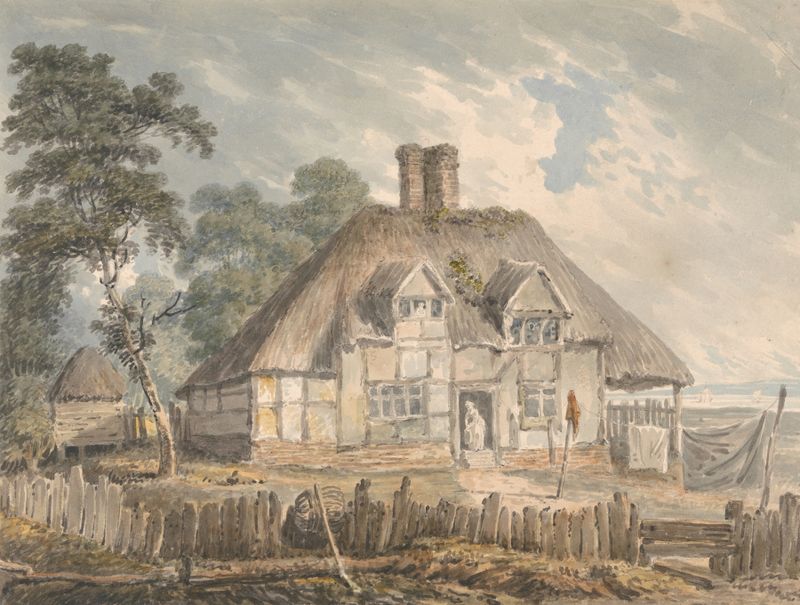
A Cottage near Southampton
Edward Dayes
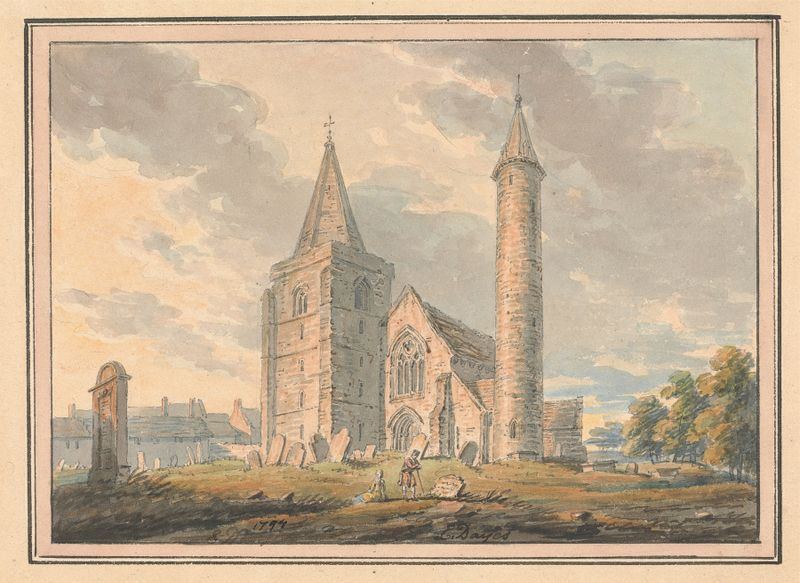
Brechin Cathedral and round tower, Forfarshire, Scotland
Edward Dayes
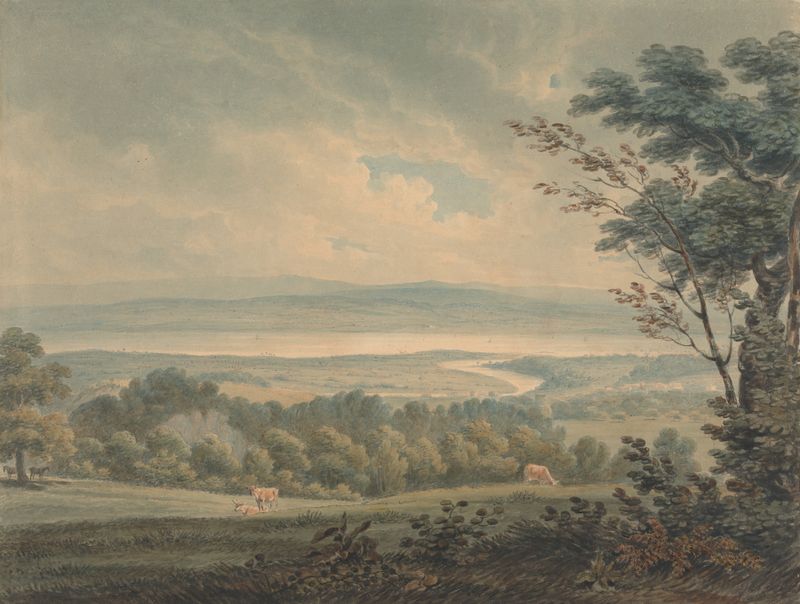
The Meeting of the Rivers Severn and Wye, near Chepstow
Edward Dayes

Ruins of the Old Kirk, Isle of Bute
Edward Dayes
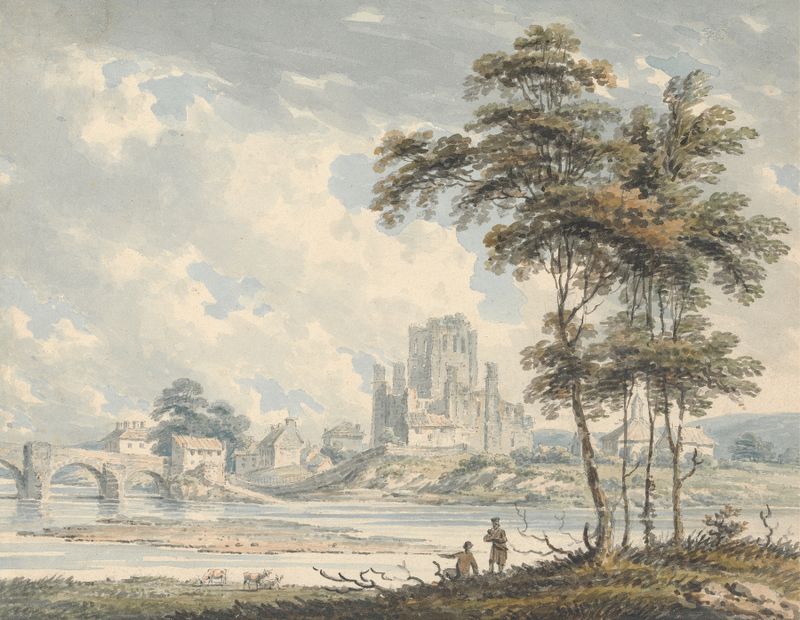
Kelso Abbey, Rosburghshire
Edward Dayes
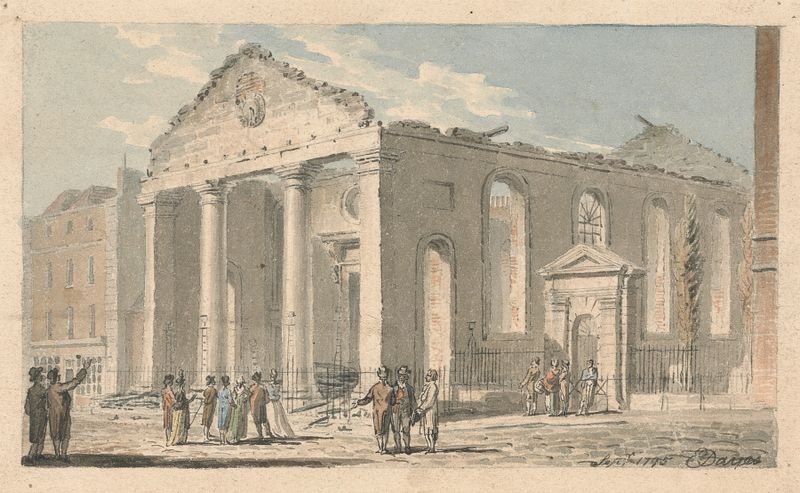
St. Paul’s Church, Covent Garden, after the fire
Edward Dayes
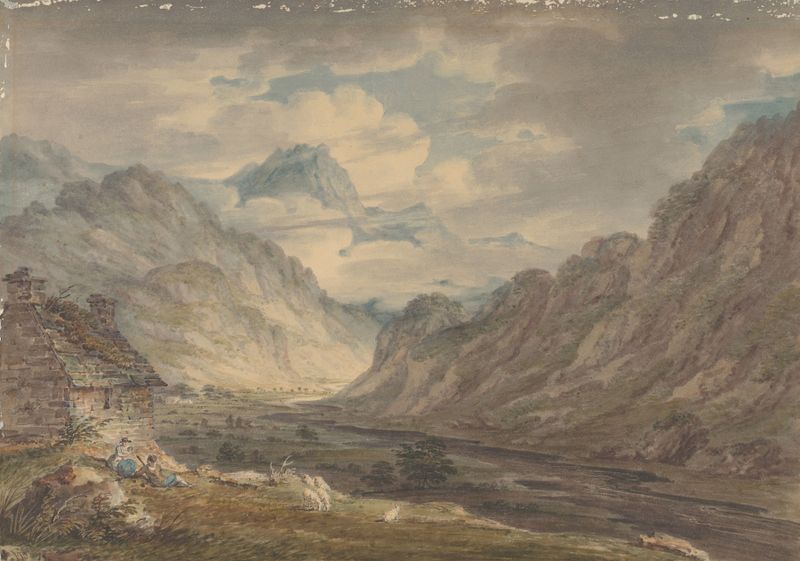
The Honister Pass from Gatesgarth Farm, Gatesgarthdale, Lake District
Edward Dayes
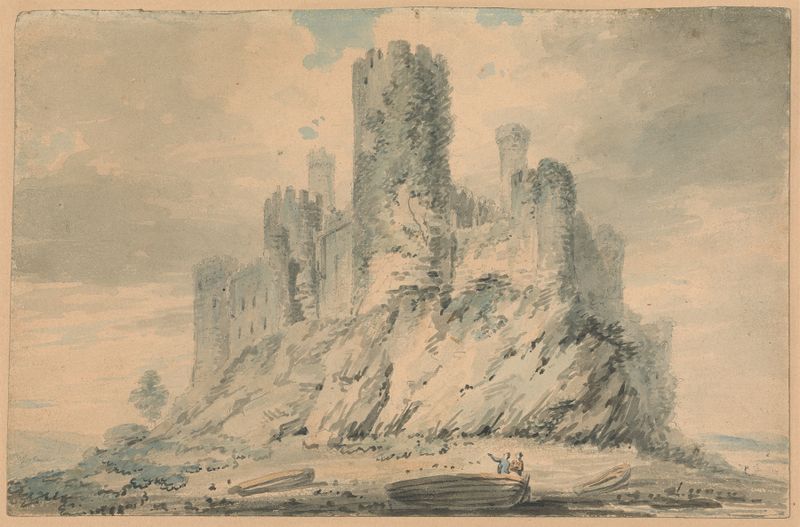
Conway Castle, Caernarvonshire
Edward Dayes
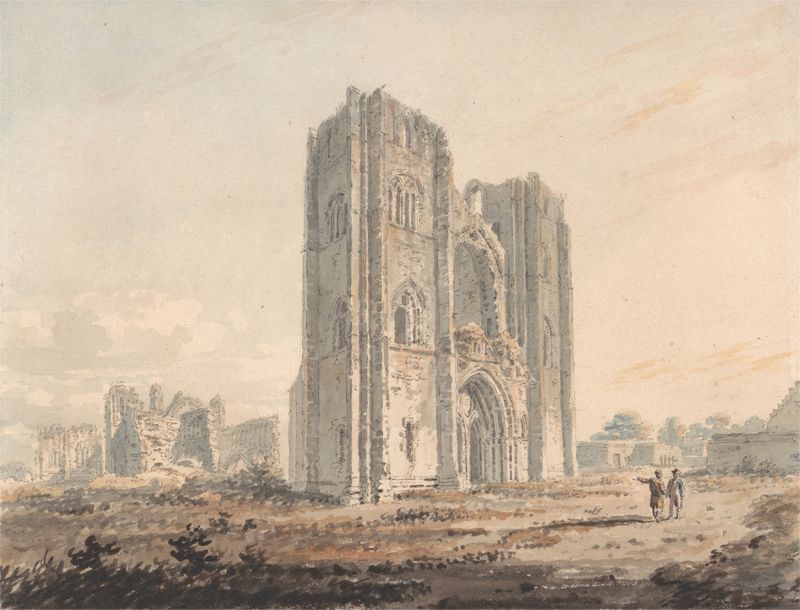
Elgin Cathedral, Moray
Edward Dayes

Lake scene
Edward Dayes
More Architecture Art
Browse all →
The statue of Liberty
Frédéric Auguste Bartholdi

View of Houses in Delft, Known as ‘The Little Street’
Johannes Vermeer

View of Houses in Delft, Known as ‘The Little Street’
Johannes Vermeer

The Cathedral in Rouen. The portal, Grey Weather
Claude Monet

The yellow house
Vincent van Gogh

The Church in Auvers-sur-Oise, View from the Chevet
Vincent van Gogh