
River Bank — History & Facts
In the realm of beauty, every stroke breathes life into the stillness, inviting us to linger and reflect. Look to the left at the soft curve of the river bank, where delicate greens blend seamlessly with wisps of golden light. The hues of twilight wash over the landscape, creating an ethereal glow that caresses the water’s surface. The gentle brushwork conveys a sense of calm, inviting the viewer’s gaze to dance across the tranquil scene.
Notice how the shadows elongate, creating a visual rhythm that pulls you deeper into this serene moment. The interplay of light and shadow unveils emotional depths, suggesting a stillness that resonates with introspection. The juxtaposition of vibrant colors against muted tones reveals a tension between nature’s beauty and the ephemeral quality of time. Hidden details, like the soft ripple of water or a distant bird in flight, underscore the fleeting nature of peace and the profound beauty found in simplicity. Osbert created this artwork during a period of transition in the art world, when Impressionism was giving way to Symbolism, likely in the late 19th century.
Living in France, he was influenced by the interplay between light and landscape, capturing ephemeral moments that evoke emotion. This piece reflects not only his mastery of color and composition but also the evolving artistic response to the world around him, as he sought to convey the beauty inherent in stillness.
More Artworks by Alphonse Osbert
Browse all →
Le coucher de soleil
Alphonse Osbert
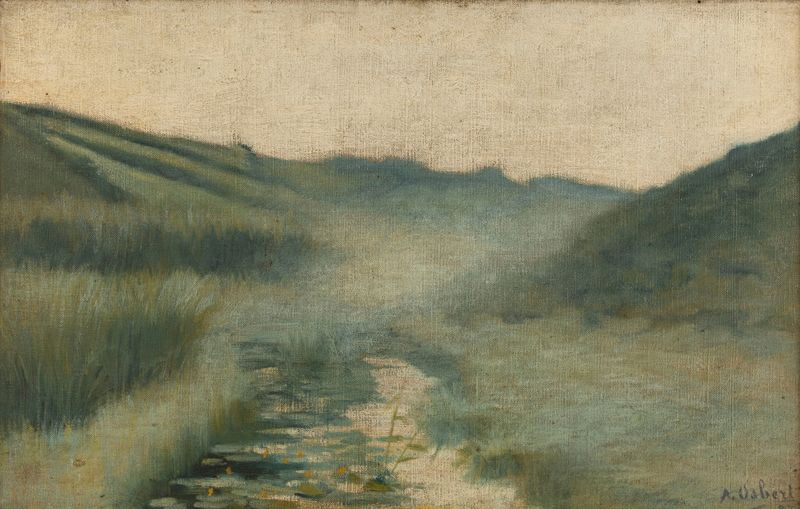
Brouillard du matin, Diélette – Flamanville
Alphonse Osbert
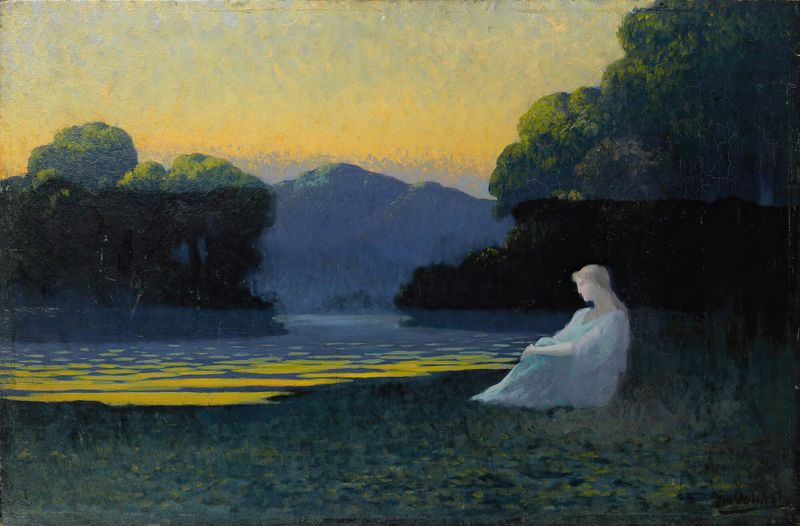
In The Evening’s Tranquility
Alphonse Osbert
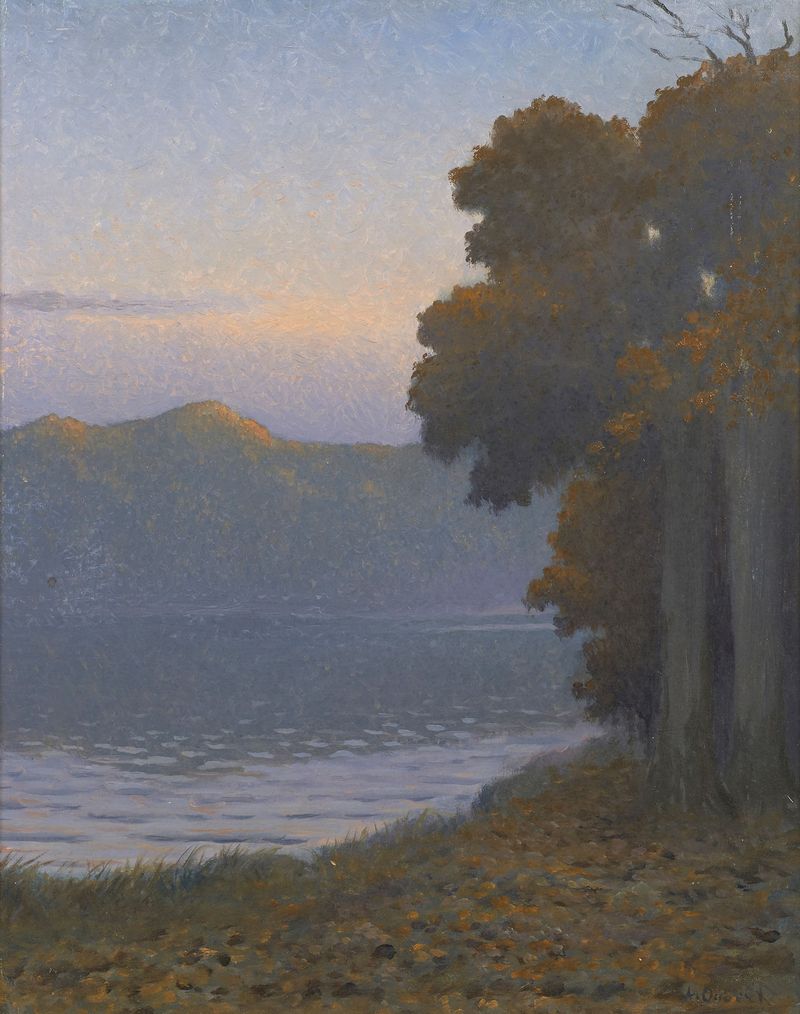
Le soir sur l’étang
Alphonse Osbert

Harmonie lunaire
Alphonse Osbert
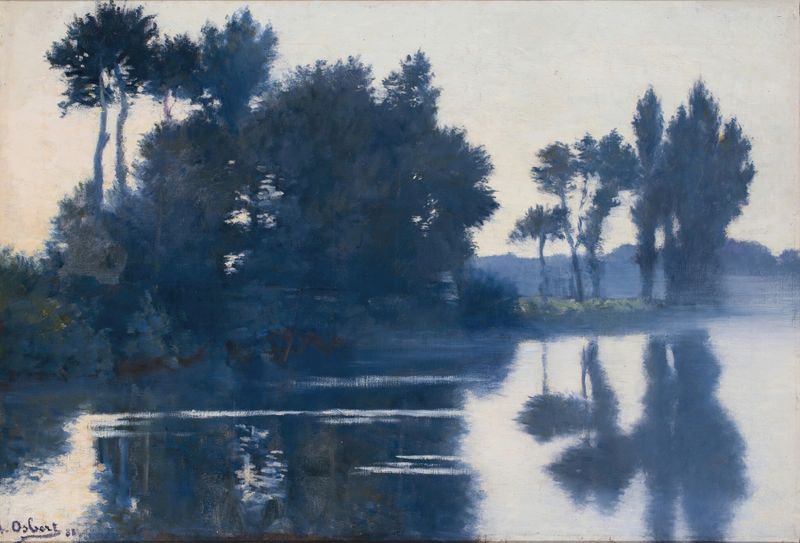
La tombée du soir sur l’Oise
Alphonse Osbert

Une mare dans les dunes, le soir, Siouville
Alphonse Osbert

Solitude
Alphonse Osbert

Dans les champs de Diélette (Manche)
Alphonse Osbert

A Morning’s Harmony
Alphonse Osbert





