
Riverbank — History & Facts
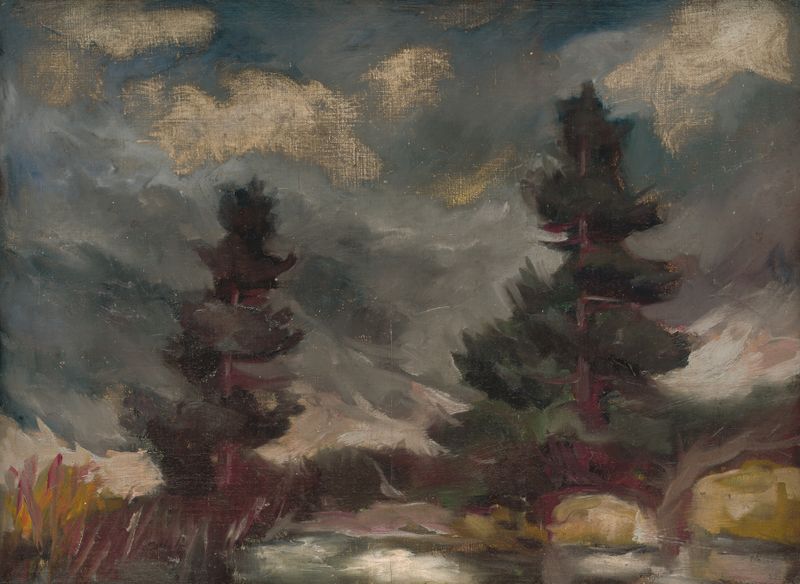
Can paint confess what words never could? Within the tranquil embrace of Riverbank, a palpable fear lingers just beneath the surface of serene waters, inviting viewers to explore the unspoken anxieties tethered to the landscape. Look to the left where the rippling river reflects the muted hues of twilight, its stillness contrasting with the tangled foliage that looms above. The artist’s brushwork evokes a sense of urgency in the wild, vibrant greens and deep shadows, drawing your gaze toward the ominous banks that seem to close in on the scene. Each stroke communicates a duality—beauty entwined with unease, suggesting that nature can harbor both comfort and trepidation in its depths. As you immerse yourself, notice the subtle play of light, casting elongated shadows that dance alongside the water’s edge.
The hints of soft lavender in the sky juxtapose the dark, brooding trees, indicating the tension between day and night, safety and danger. These contrasts resonate with deeper emotions, reflecting the fear of the unknown—a timeless theme that engulfs both the physical space and the human experience. Zolo Palugyay painted Riverbank between 1925 and 1933, a period marked by significant societal upheaval and personal turmoil. Living in Hungary during the interwar years, he faced the disquiet of a changing world, which influenced his work and themes.
This painting embodies the dual essence of nature’s beauty and its inherent threats, mirroring the artist's own grappling with external chaos and internal fears during a tumultuous era.
More Artworks by Zolo Palugyay
Browse all →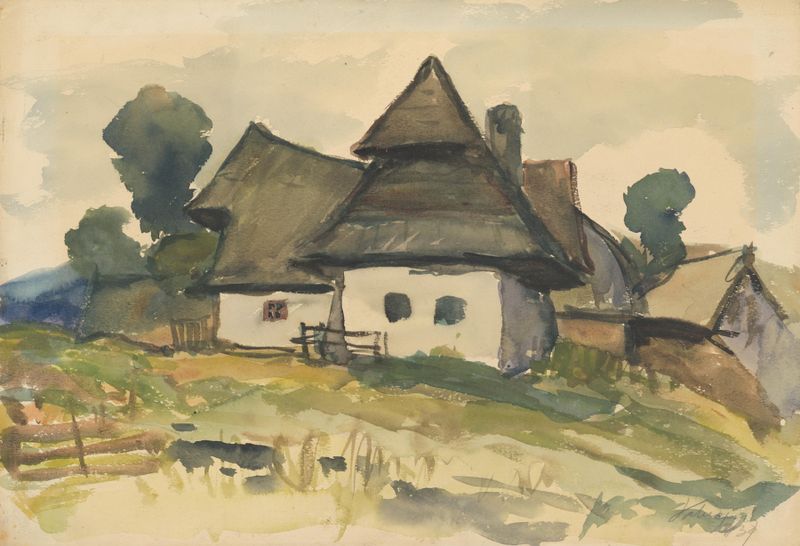
Dedinský motív
Zolo Palugyay
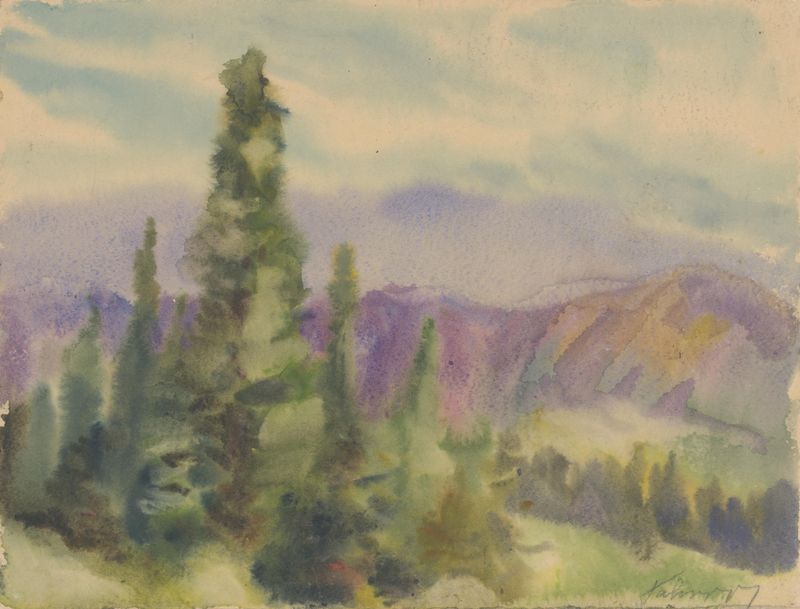
Motif from Liptov Mountains
Zolo Palugyay
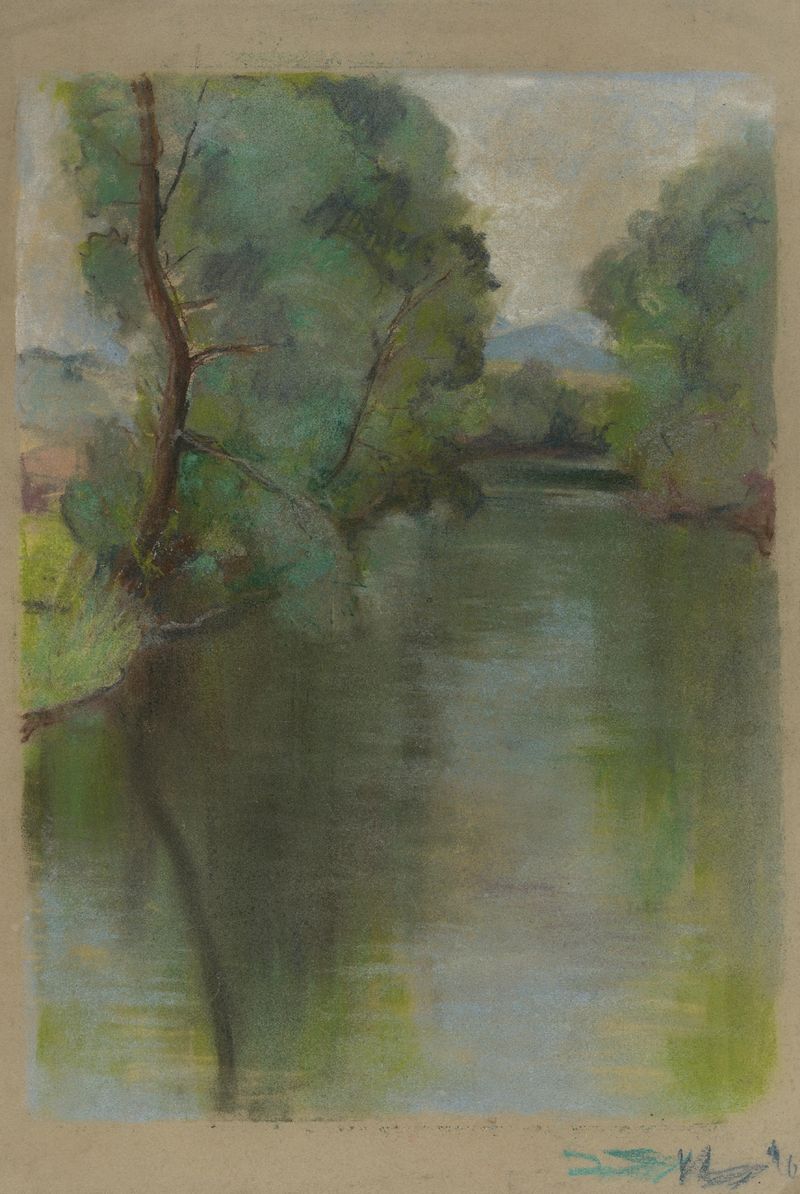
Silent River
Zolo Palugyay
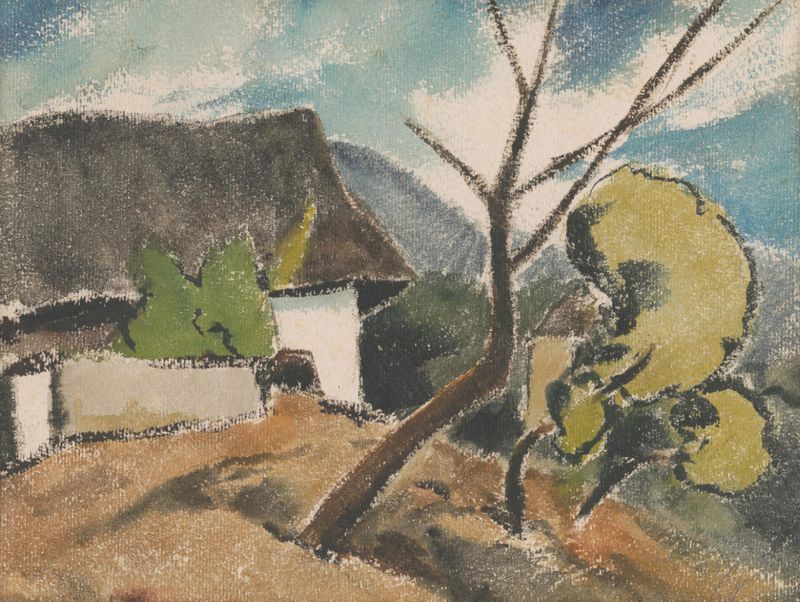
Oravská chalupa
Zolo Palugyay
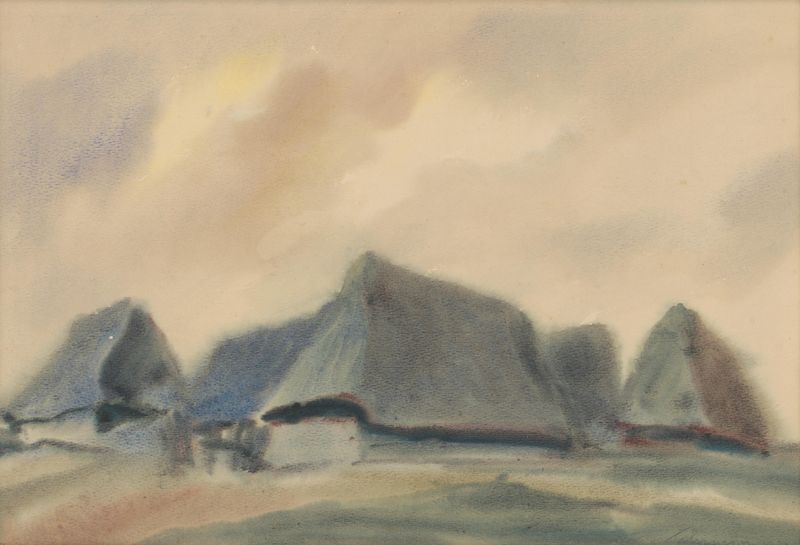
Modré chalupy
Zolo Palugyay
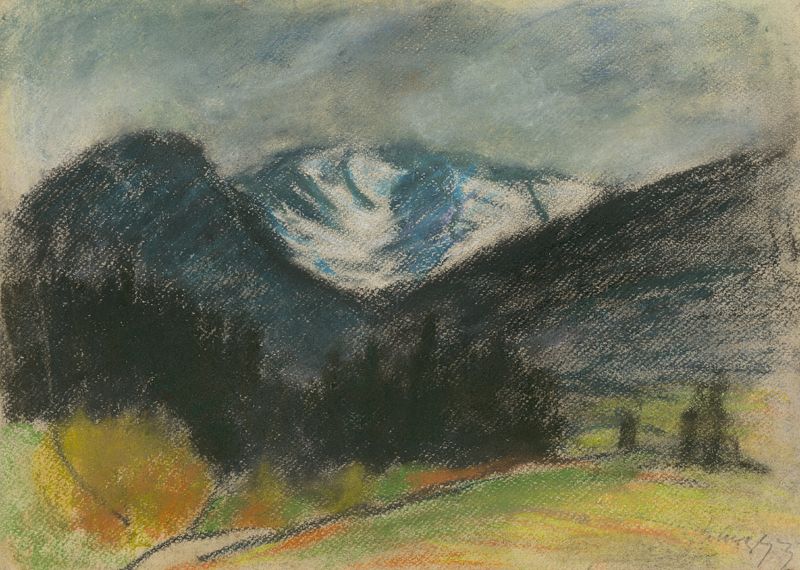
Mountain Landscape with Snowy Peaks
Zolo Palugyay
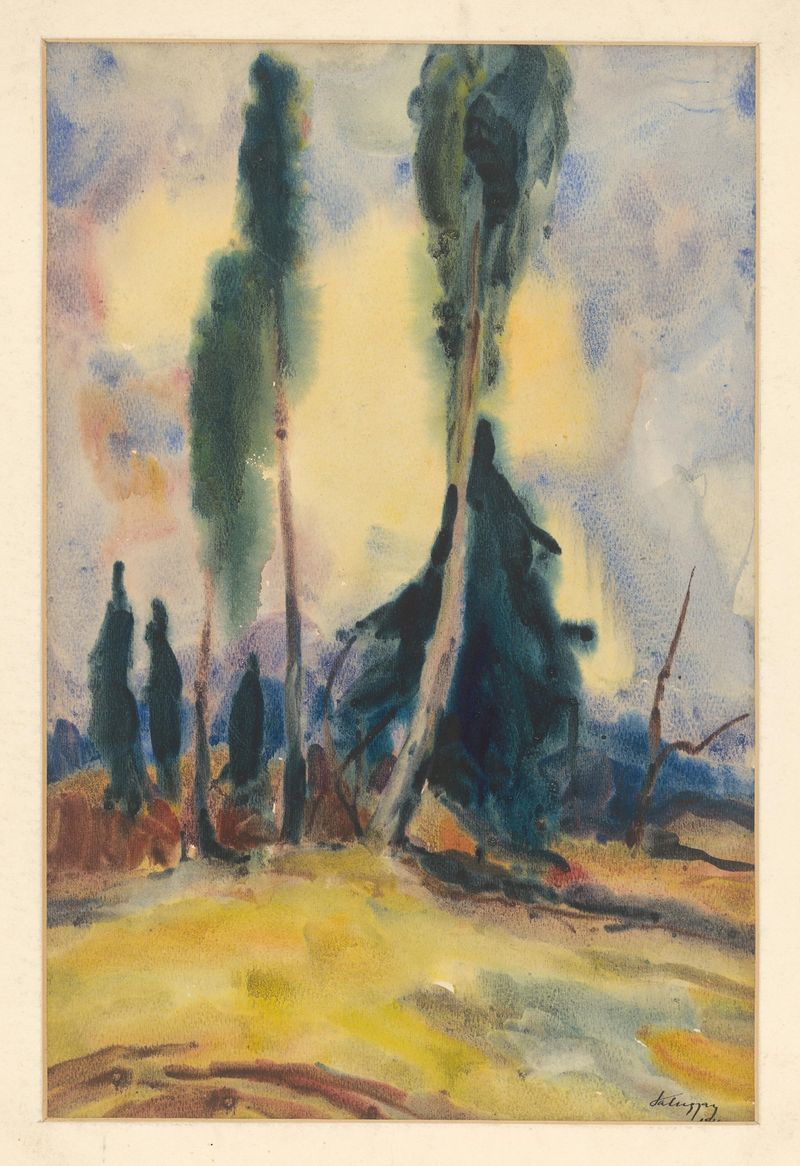
Three Trees on a Plain
Zolo Palugyay
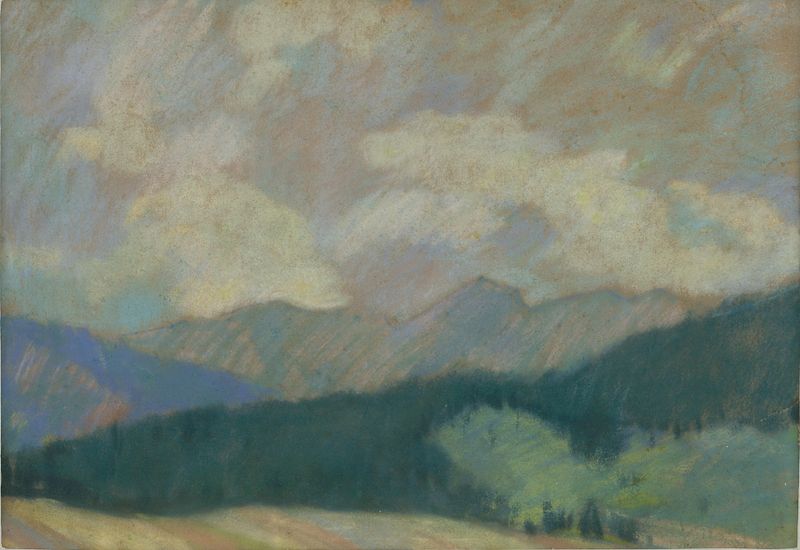
Horská krajina
Zolo Palugyay
Tatra Landscape
Zolo Palugyay
Spring Landscape
Zolo Palugyay





