
Rivierlandschap met boomstronk nabij Albury — History & Facts
In Rivierlandschap met boomstronk nabij Albury, Wenceslaus Hollar captures a delicate transformation, where nature’s decay speaks to an underlying vitality. The juxtaposition of the serene landscape and the remnants of a fallen tree stump creates a dialogue between life and death, inviting viewers to contemplate the cycle of existence. Look to the left at the vibrant green hues that blanket the rolling hills, their lushness underscoring the vitality of the scene. The river glimmers under a soft sun, drawing the eye along its winding path.
Notice how the stump, dark and weathered, anchors the composition in the foreground, its texture contrasting sharply with the surrounding life. Hollar’s meticulous attention to detail—each blade of grass, every ripple in the water—reveals a masterful technique that evokes a palpable sense of place. Within this tranquil landscape lies a profound tension: the stump symbolizes both an end and a beginning, a reminder of the ephemeral nature of beauty. The interplay of light and shadow across the water reflects a moment caught in time, suggesting that transformation is not only external but internal.
Each element, from the flowing river to the steadfast trunk, invites introspection on resilience and renewal amidst decay. In 1645, Hollar was living in London, having fled from his native Bohemia due to the Thirty Years' War. This period of political and social upheaval influenced his work, pushing him to explore themes of nature and transformation. His artistic style, characterized by detailed etching and landscape studies, was shaping the burgeoning landscape genre in Northern Europe, capturing the delicate balance between beauty and the realities of existence.
More Artworks by Wenceslaus Hollar
Browse all →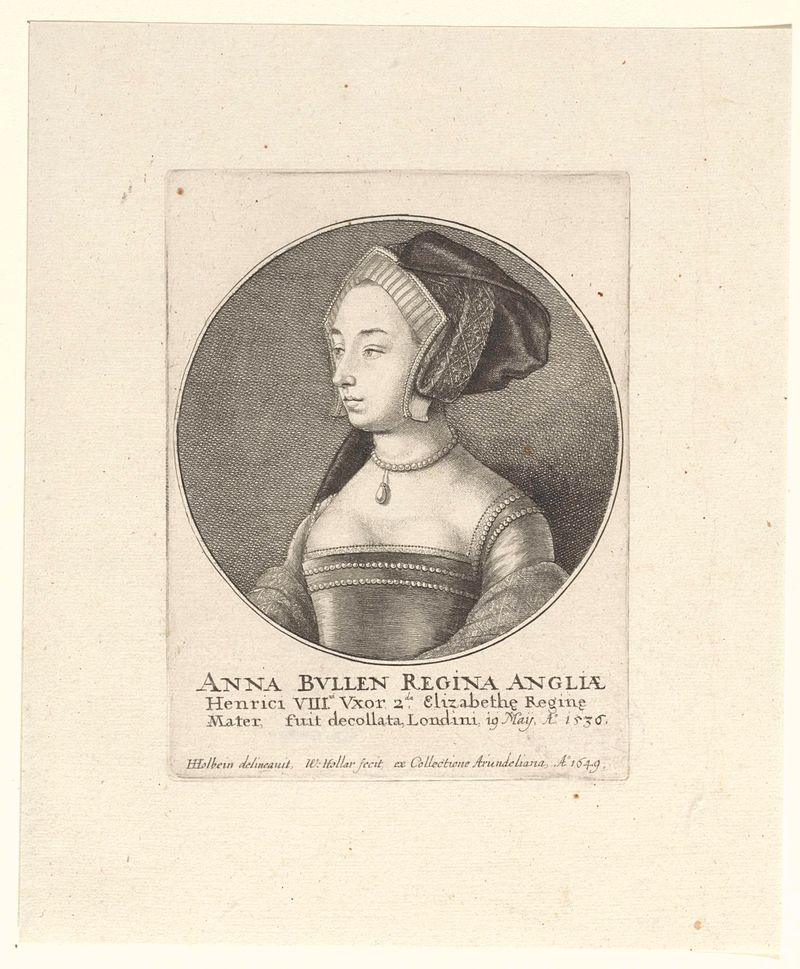
Portret van Anna Boleyn, koningin van Engeland
Wenceslaus Hollar
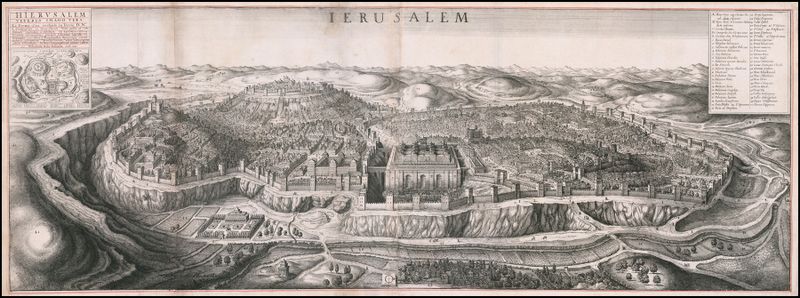
Bird’s eye view of Jerusalem
Wenceslaus Hollar
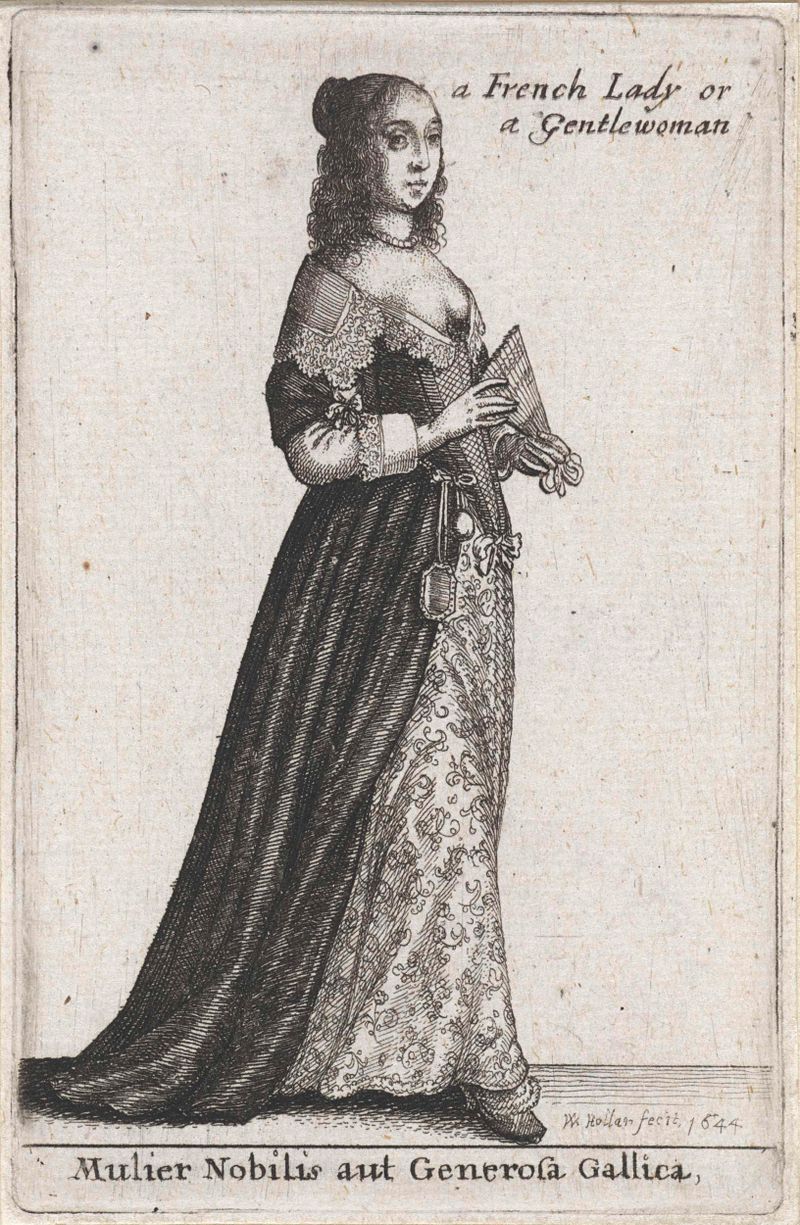
Mulier Nobilis aut Generosa Gallica / a French Lady or Gentlewoman
Wenceslaus Hollar
Titelprent voor: Ornatus Muliebris Anglicanus
Wenceslaus Hollar
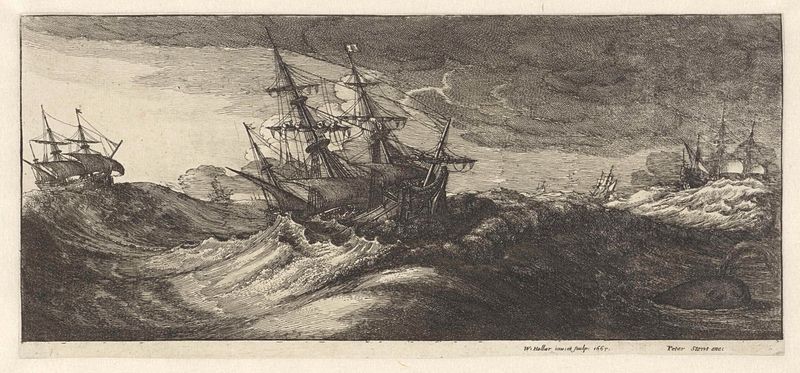
Oorlogsschepen en een walvis in een zeestorm
Wenceslaus Hollar
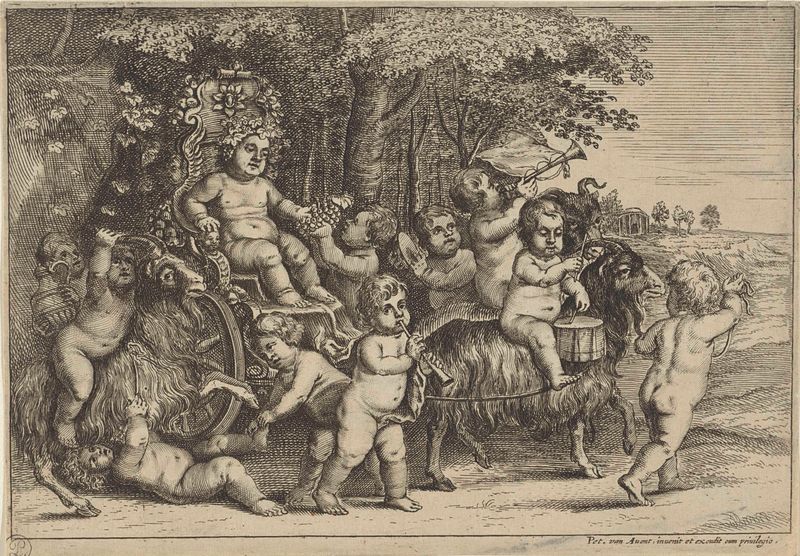
Optocht van bacchant en jongetjes op geiten
Wenceslaus Hollar
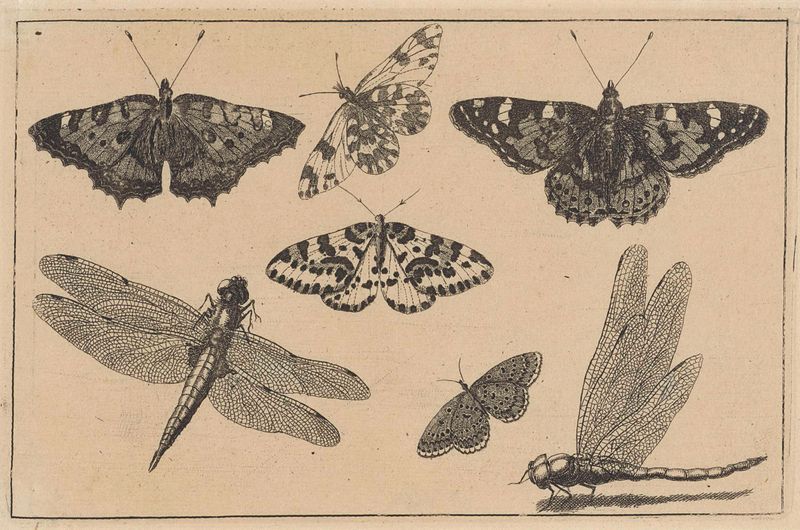
Twee libellen en vijf vlinders
Wenceslaus Hollar
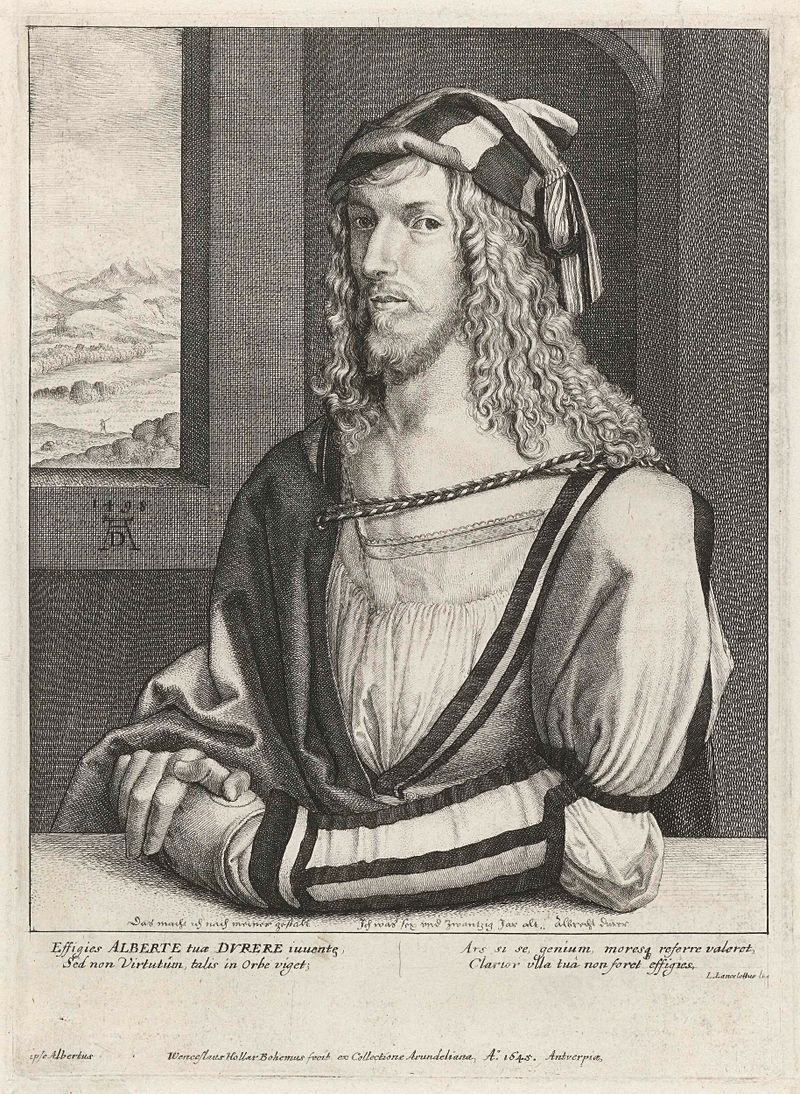
Portret van Albrecht Dürer
Wenceslaus Hollar
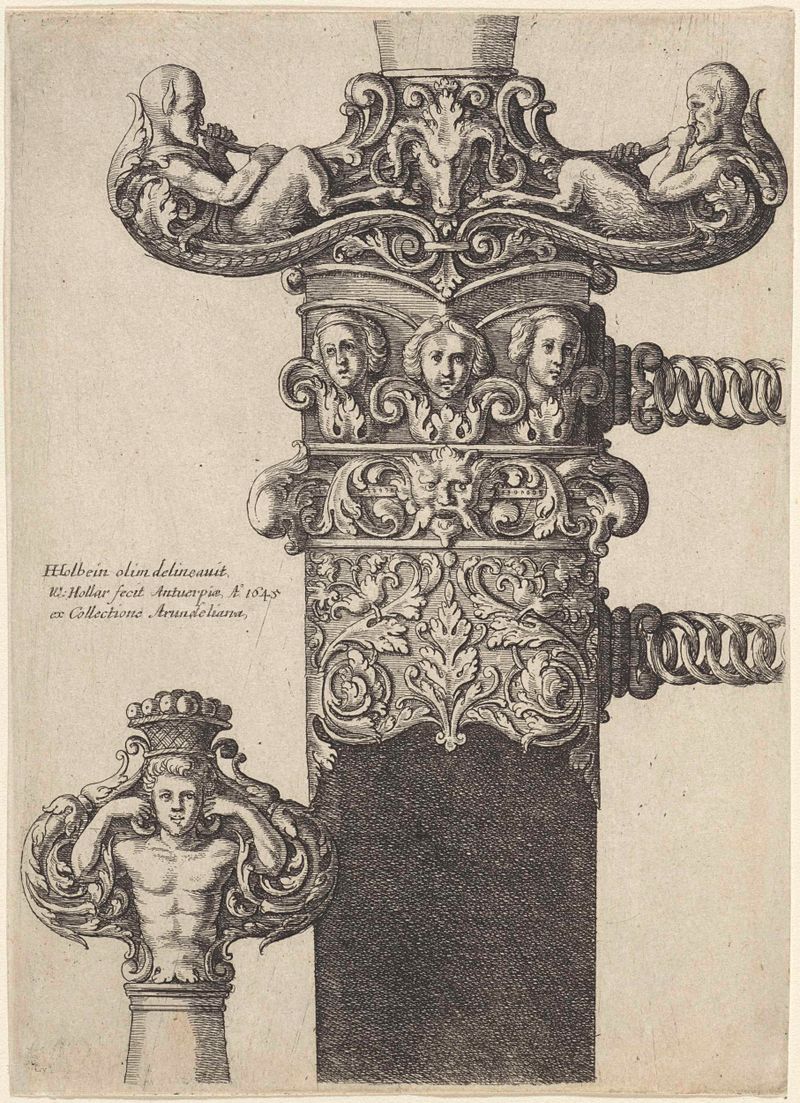
Ornamenteel ontwerp voor een dolk
Wenceslaus Hollar
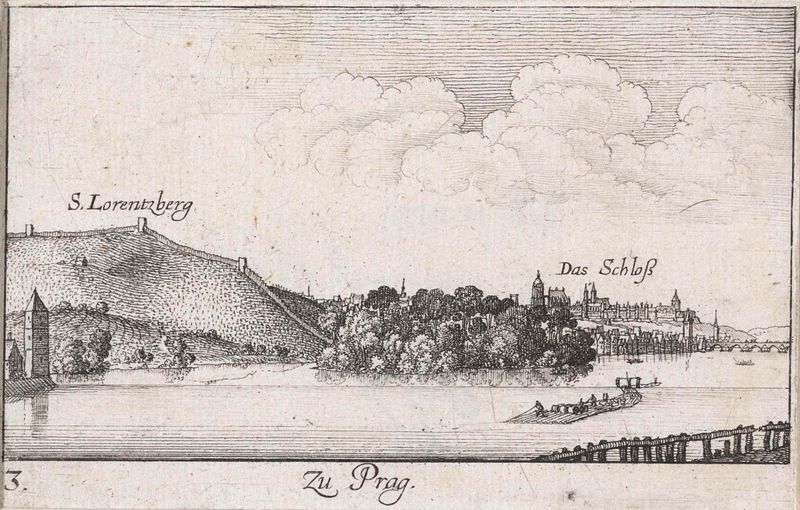
Gezicht op Praag vanaf de Moldau
Wenceslaus Hollar





