
Rivierlandschap met gezicht op Emmerich — History & Facts
In a world often stripped of its past, art holds the power to mourn what has faded. Rivierlandschap met gezicht op Emmerich captures a profound melancholy, inviting us to pause and reflect upon the threadbare beauty of a moment suspended in time. Focus first on the sweeping river that winds its way across the canvas, its gentle curves mirroring the flow of memory itself. Notice how the delicate strokes of blue and green blend seamlessly, inviting the eye to wander along the tranquil waterway.
The distant silhouette of Emmerich looms subtly, bathed in a soft golden light that speaks of warmth and nostalgia, as the horizon blurs into a haze of pastel hues, giving life to the ether of the scene. Yet, beneath this serene facade lies a tension born of contrast. The ethereal light of the sky and the languid water stand in stark opposition to the gray, craggy banks that frame the river. This duality whispers of a historic shift, a reminder of the transient nature of beauty, where vibrant life dances with the shadows of impermanence.
The figures scattered along the riverside become mere silhouettes, further emphasizing the solitude inherent in the landscape, as if they too are shadows of memories lost. In 1643, Wenceslaus Hollar painted this scene during a time when Europe was grappling with the aftermath of the Thirty Years' War. Residing in the Netherlands, where he found refuge from turmoil, Hollar's work reflects both the peaceful nature of his surroundings and an underlying yearning for a more cohesive world. He expertly merged the influences of Dutch landscape painting with his own distinct style, creating a poignant testament to the power of remembrance through the passage of time.
More Artworks by Wenceslaus Hollar
Browse all →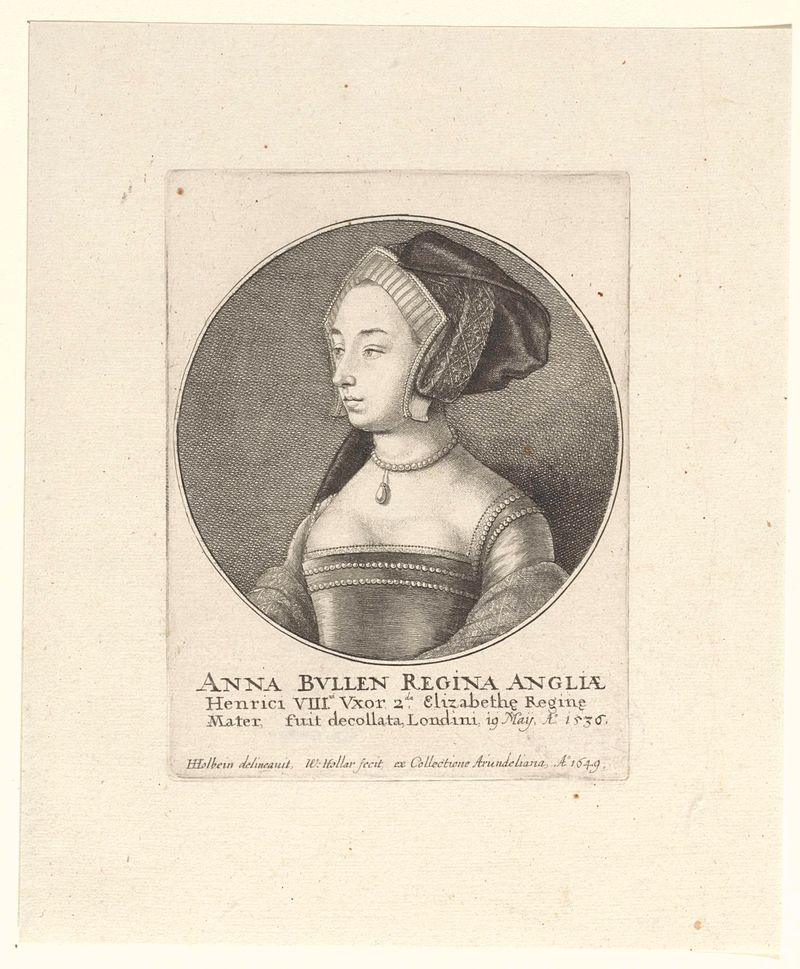
Portret van Anna Boleyn, koningin van Engeland
Wenceslaus Hollar
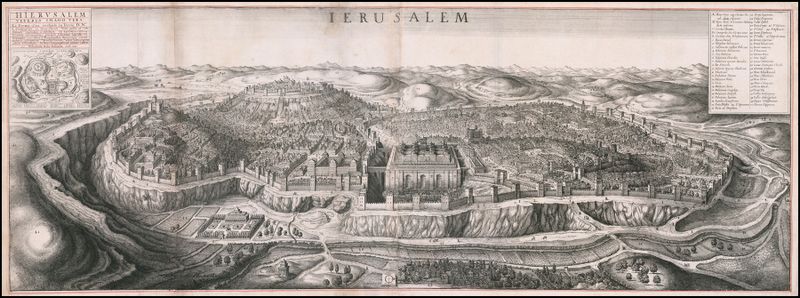
Bird’s eye view of Jerusalem
Wenceslaus Hollar
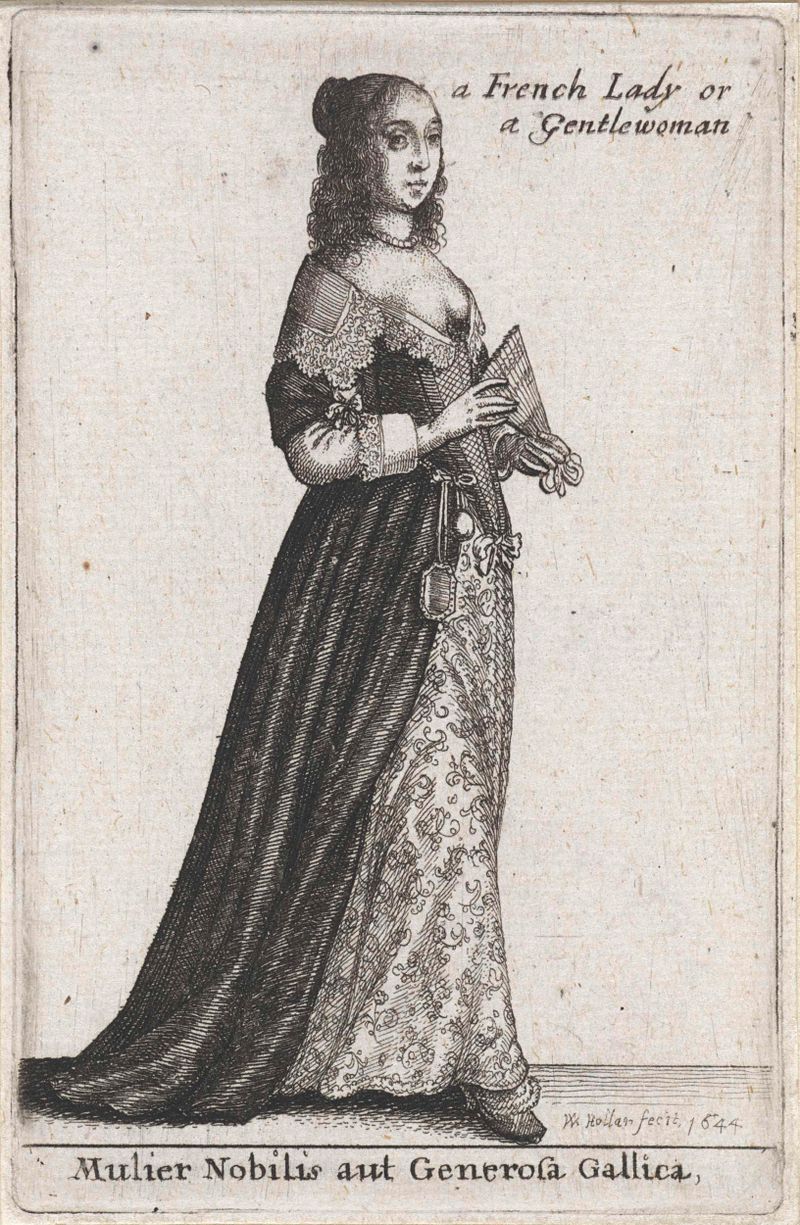
Mulier Nobilis aut Generosa Gallica / a French Lady or Gentlewoman
Wenceslaus Hollar
Titelprent voor: Ornatus Muliebris Anglicanus
Wenceslaus Hollar
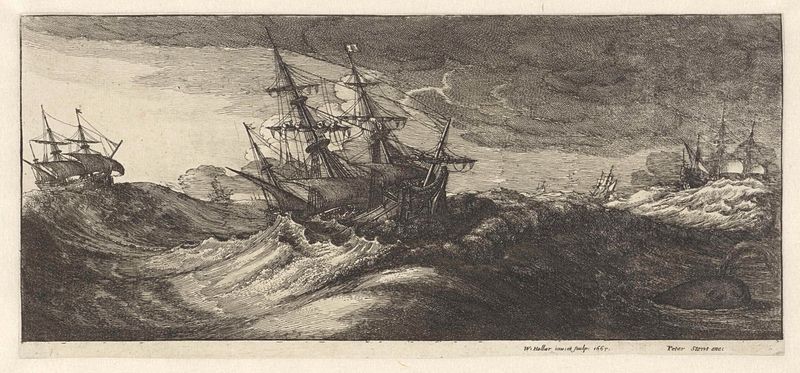
Oorlogsschepen en een walvis in een zeestorm
Wenceslaus Hollar
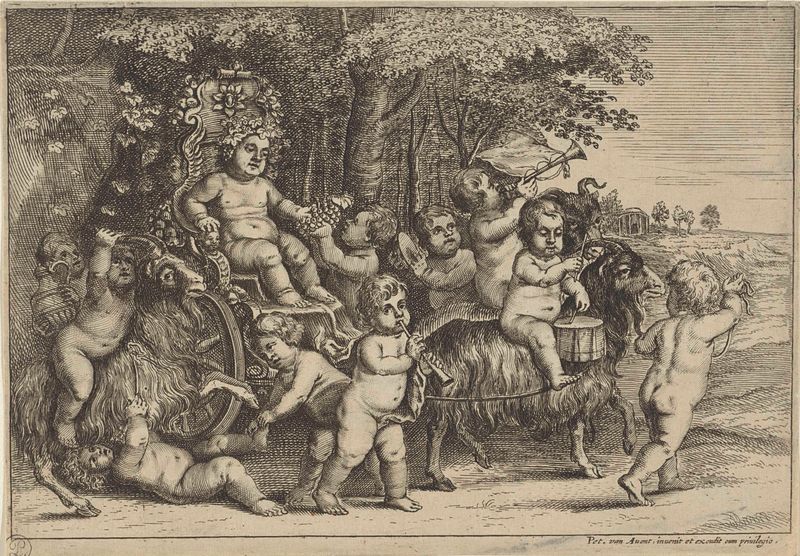
Optocht van bacchant en jongetjes op geiten
Wenceslaus Hollar
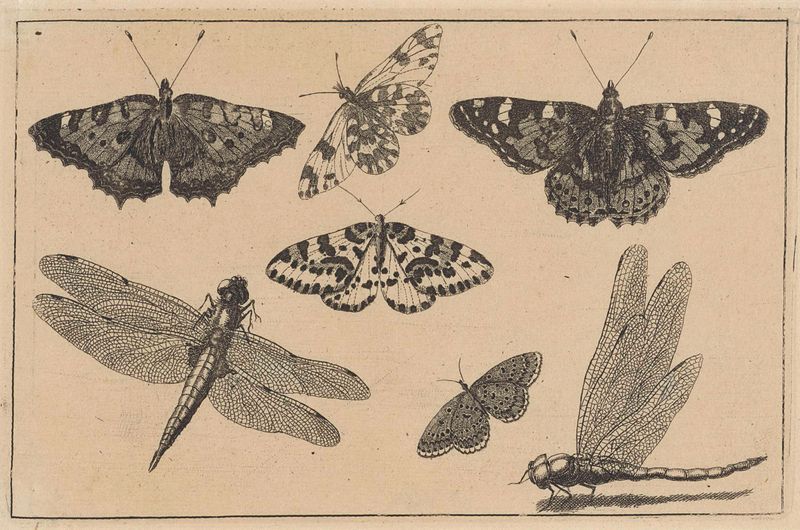
Twee libellen en vijf vlinders
Wenceslaus Hollar
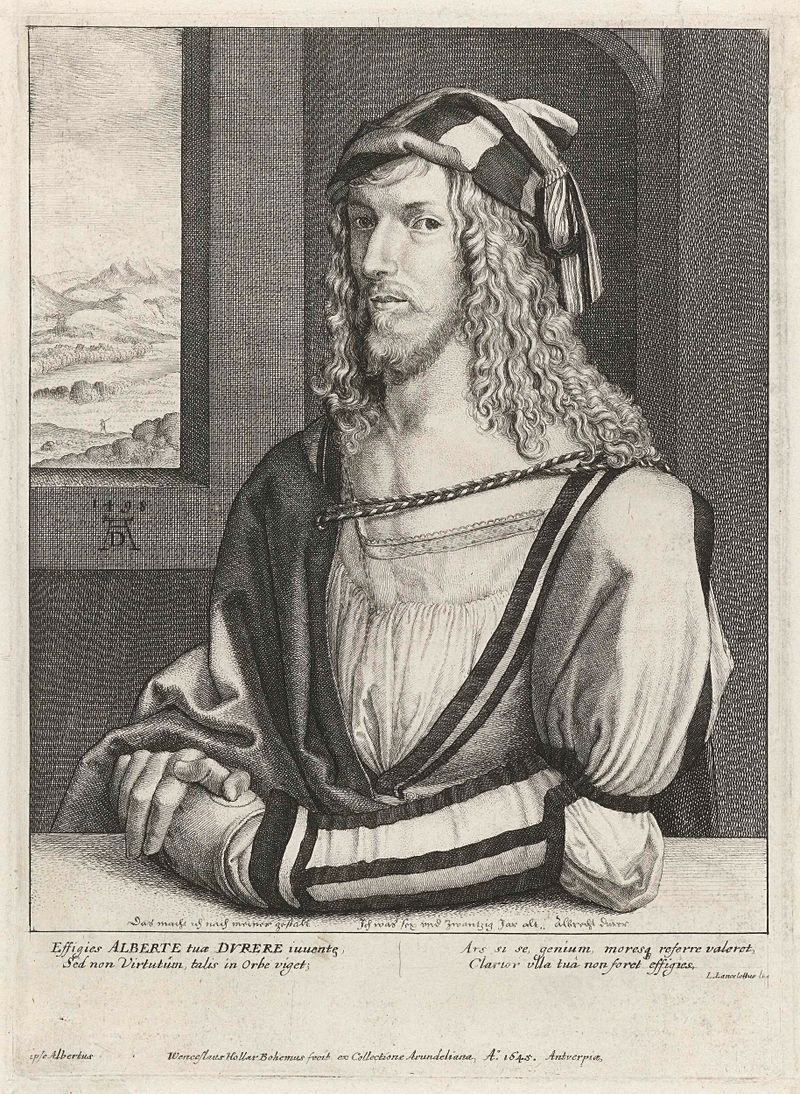
Portret van Albrecht Dürer
Wenceslaus Hollar
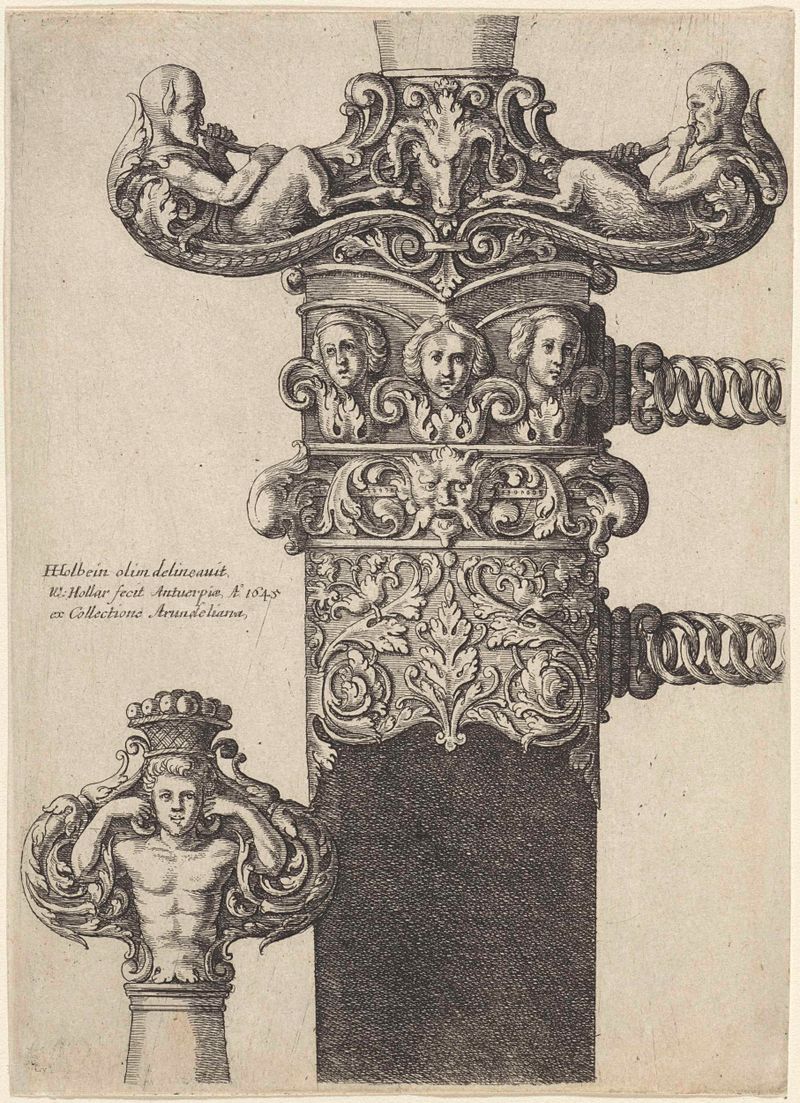
Ornamenteel ontwerp voor een dolk
Wenceslaus Hollar
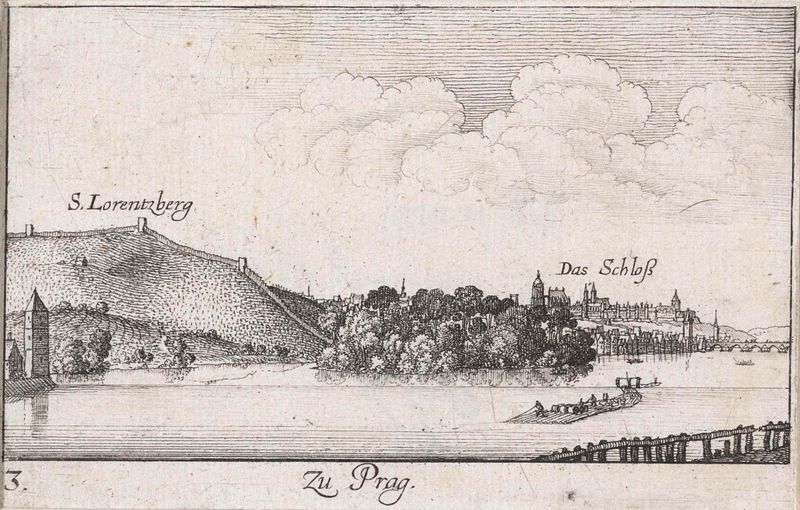
Gezicht op Praag vanaf de Moldau
Wenceslaus Hollar





