
Rivierlandschap met gezicht op Straatsburg — History & Facts
In the vast expanse of Wenceslaus Hollar's Rivierlandschap met gezicht op Straatsburg, longing permeates the air, drawing viewers into a world suspended in time. Look to the left, where gentle ripples dance across the river's surface, reflecting a soft palette of greens and blues. The delicate brushwork captures the play of light filtering through clouds, creating a serene atmosphere. Towering trees frame the foreground, their intricate branches leading the eye toward the distant silhouette of Strasbourg's iconic cathedral.
The composition is balanced yet dynamic, inviting contemplation of the landscape's tranquility. Beneath the surface beauty lies a tension between the natural landscape and the built environment. The looming presence of the cathedral symbolizes a yearning for connection, while the quiet river embodies solitude. The contrast of light and shadow hints at the emotional weight of history and the passage of time, evoking feelings of nostalgia and unfulfilled desires.
Small figures dot the riverside, their presence emphasizing the vastness of the landscape and the intimate silence surrounding them. Created in 1643, this piece reflects Hollar's experiences in exile following the Thirty Years' War. Settled in England, the artist sought to capture the beauty of his homeland from afar, infusing his landscape with both familiarity and longing. During this period, the art world was shifting, with a growing appreciation for detailed depictions of nature, making this work a significant expression of his personal and artistic journey.
More Artworks by Wenceslaus Hollar
Browse all →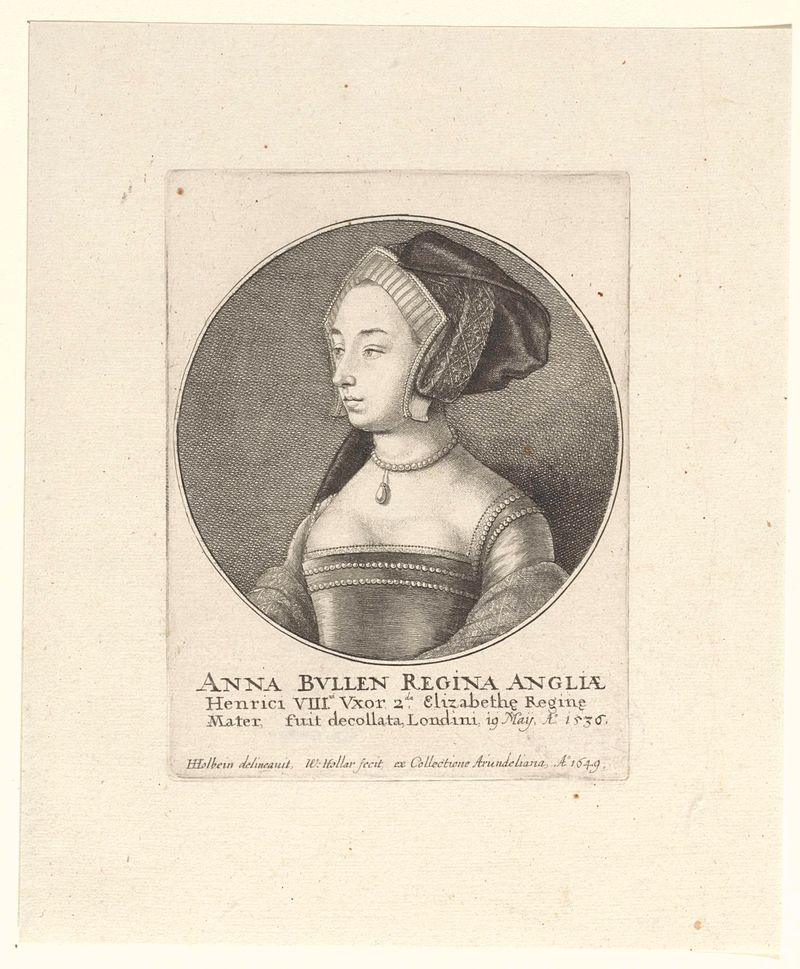
Portret van Anna Boleyn, koningin van Engeland
Wenceslaus Hollar
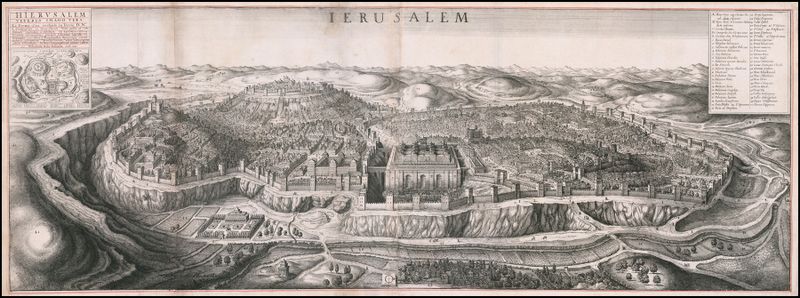
Bird’s eye view of Jerusalem
Wenceslaus Hollar
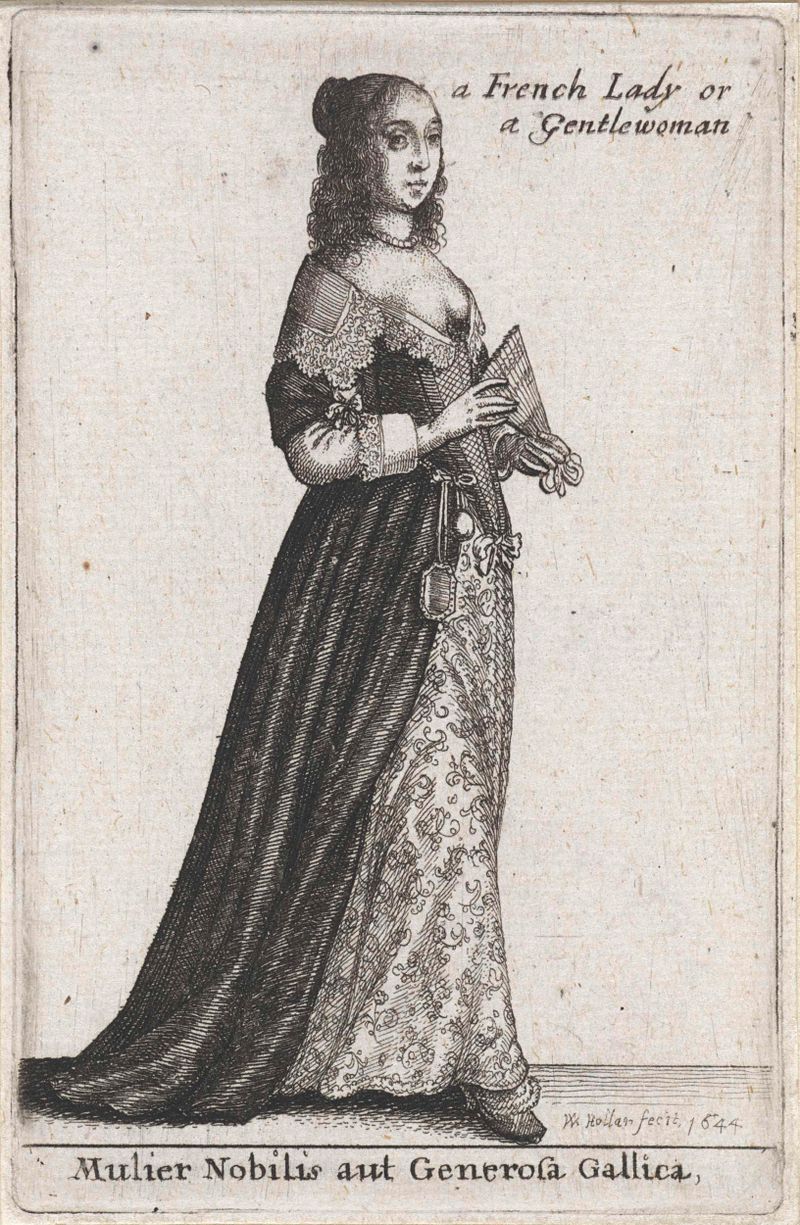
Mulier Nobilis aut Generosa Gallica / a French Lady or Gentlewoman
Wenceslaus Hollar
Titelprent voor: Ornatus Muliebris Anglicanus
Wenceslaus Hollar
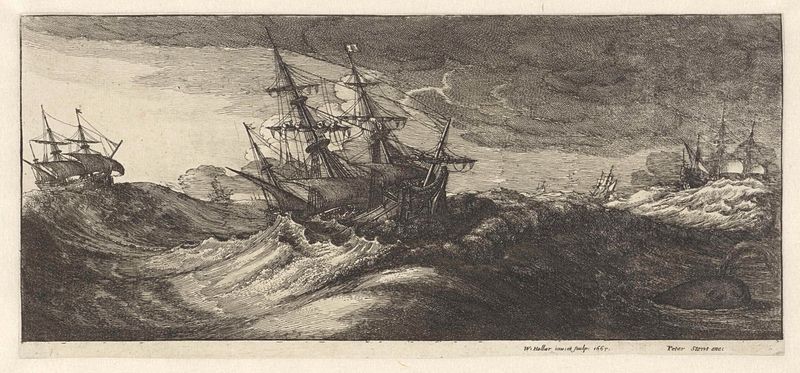
Oorlogsschepen en een walvis in een zeestorm
Wenceslaus Hollar
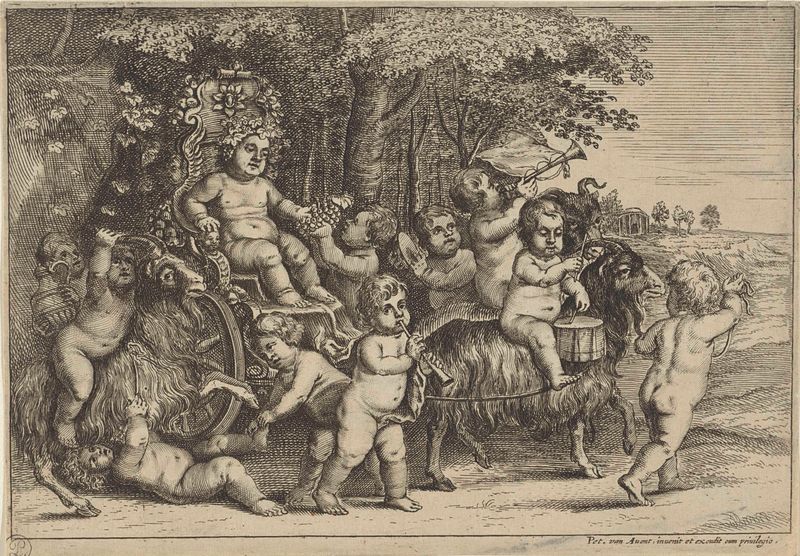
Optocht van bacchant en jongetjes op geiten
Wenceslaus Hollar
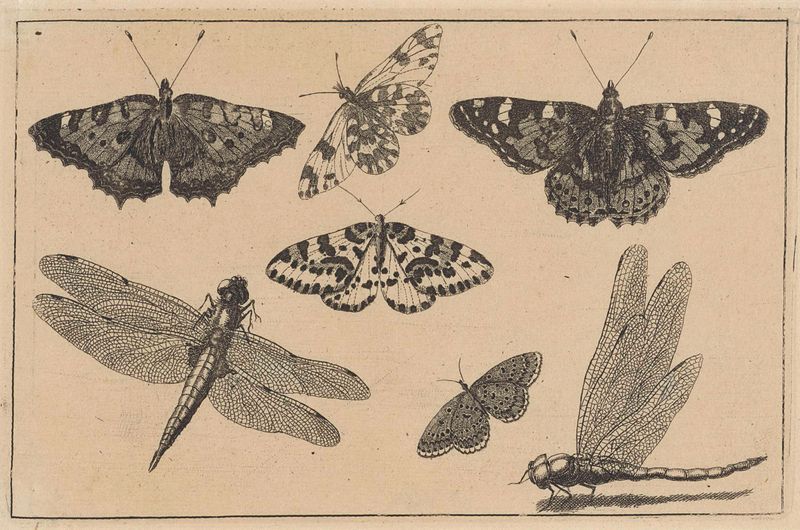
Twee libellen en vijf vlinders
Wenceslaus Hollar
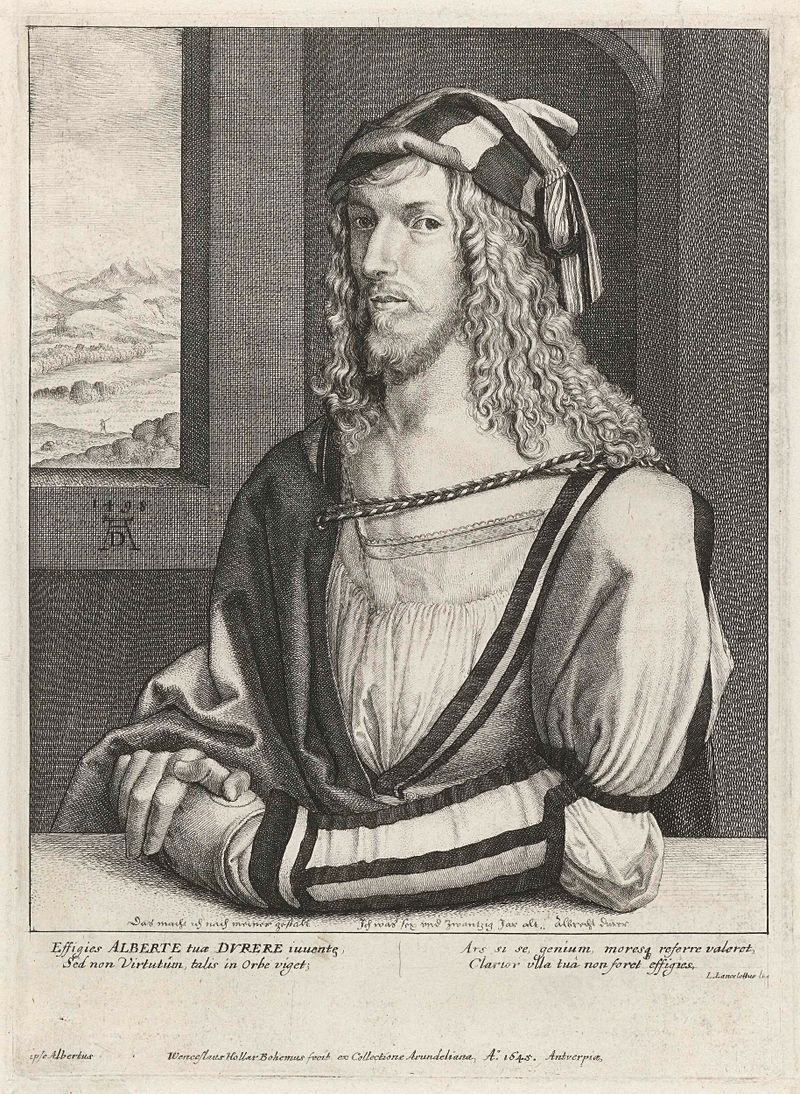
Portret van Albrecht Dürer
Wenceslaus Hollar
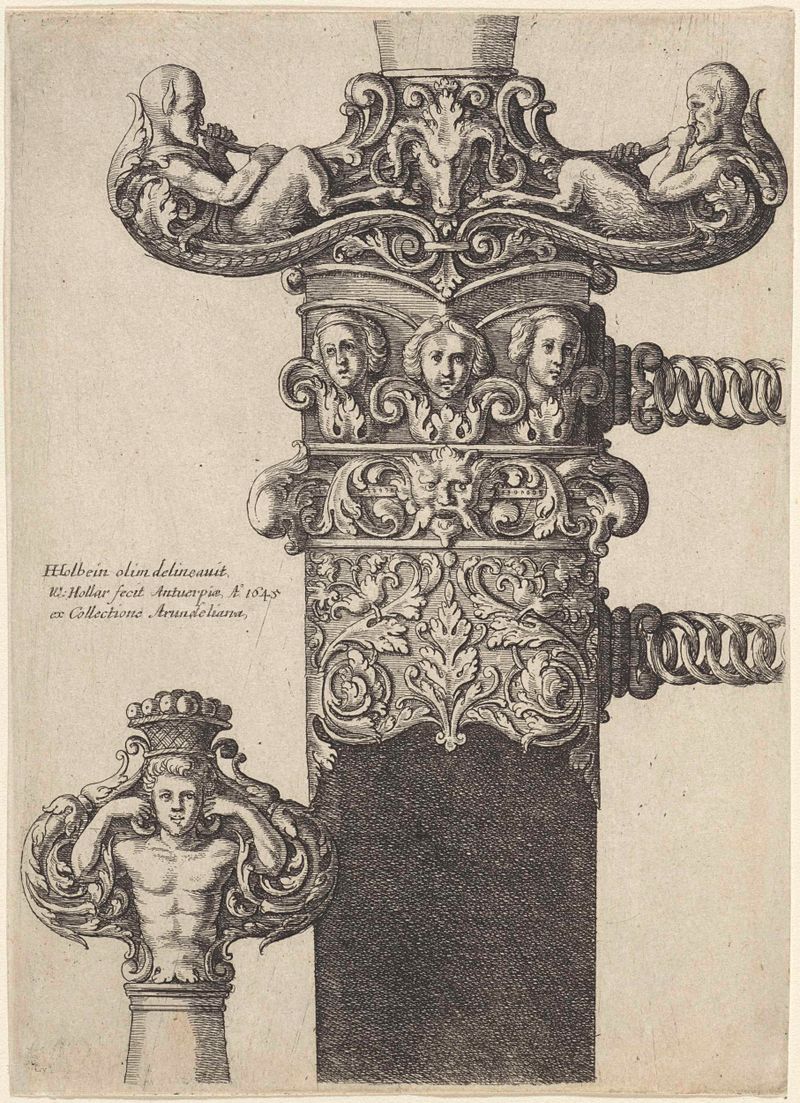
Ornamenteel ontwerp voor een dolk
Wenceslaus Hollar
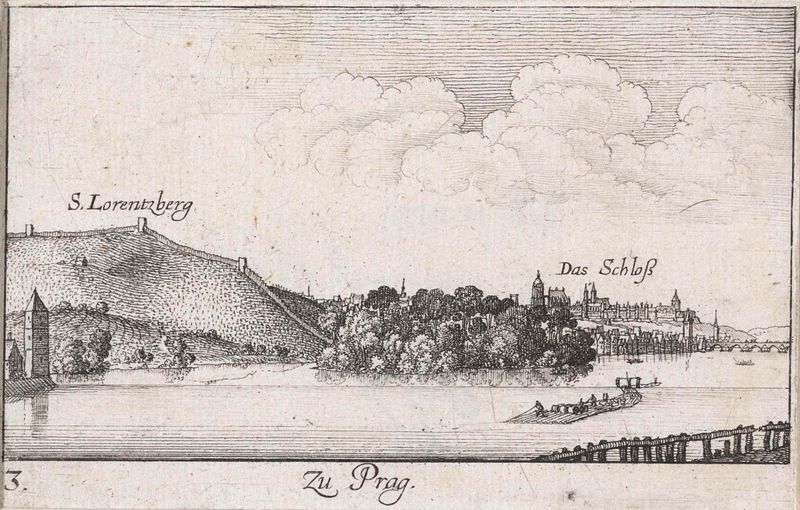
Gezicht op Praag vanaf de Moldau
Wenceslaus Hollar





