
Rivierlandschap met kerk nabij Albury — History & Facts
Who listens when art speaks of silence? In Rivierlandschap met kerk nabij Albury, Wenceslaus Hollar captures a moment suspended in time, where the soft whispers of nature intertwine with human memory. Look to the foreground, where the river gently flows, its surface reflecting the muted tones of the cloudy sky. Notice the church rising at the horizon's edge, its steeple like a finger pointing toward the heavens. The composition is masterfully balanced, with the winding river leading the eye toward this distant sanctuary, evoking a sense of calm and introspection.
Hollar's delicate line work and subtle shading create a textured landscape that invites the viewer to linger and ponder. Yet, beneath this tranquil exterior lies an emotional tension. The winding river, often a symbol of memory and journey, meanders through the scene, suggesting movement and change. The church, a beacon of faith, stands in stark contrast to the natural world, hinting at the coexistence of spirituality and earthly existence.
This juxtaposition evokes a sense of melancholy, as if the landscape itself is remembering the echoes of past lives and stories. In 1645, Hollar, a Bohemian draftsman and etcher residing in England, produced this piece during a time of political upheaval and artistic transformation. The English Civil War loomed on the horizon, yet within this landscape, he found solace and beauty. His work reflects both the turbulent world around him and his personal pursuit of peace through art, capturing a fleeting moment that resonates through time.
More Artworks by Wenceslaus Hollar
Browse all →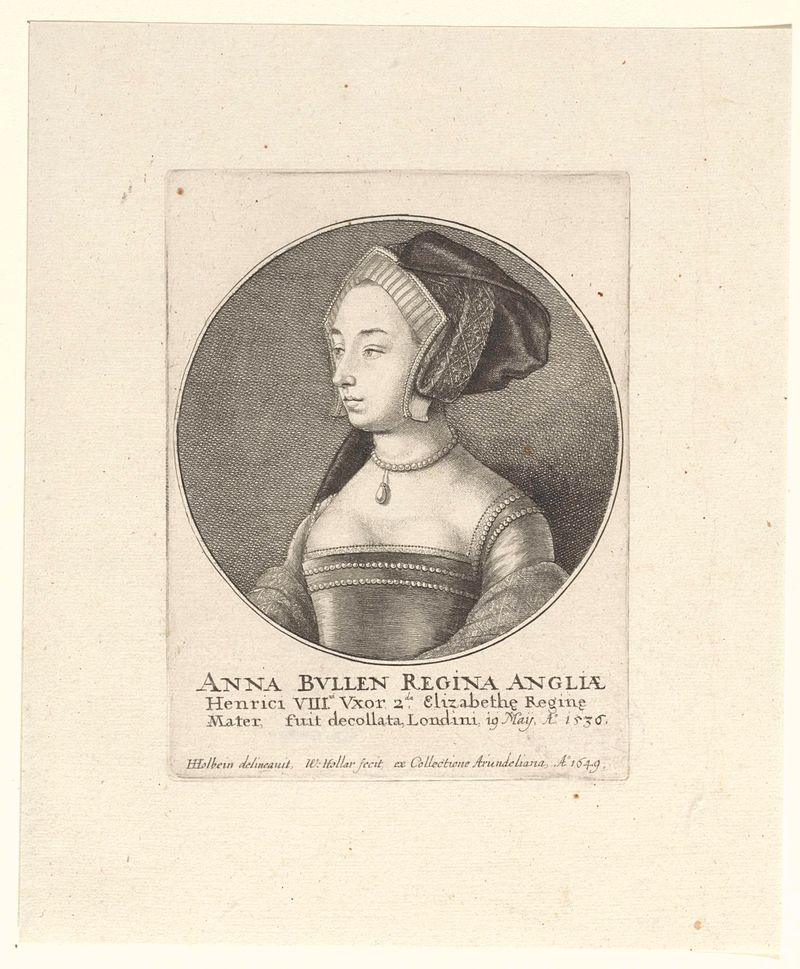
Portret van Anna Boleyn, koningin van Engeland
Wenceslaus Hollar
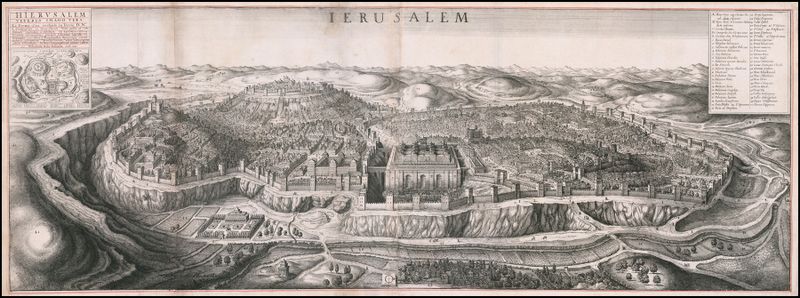
Bird’s eye view of Jerusalem
Wenceslaus Hollar
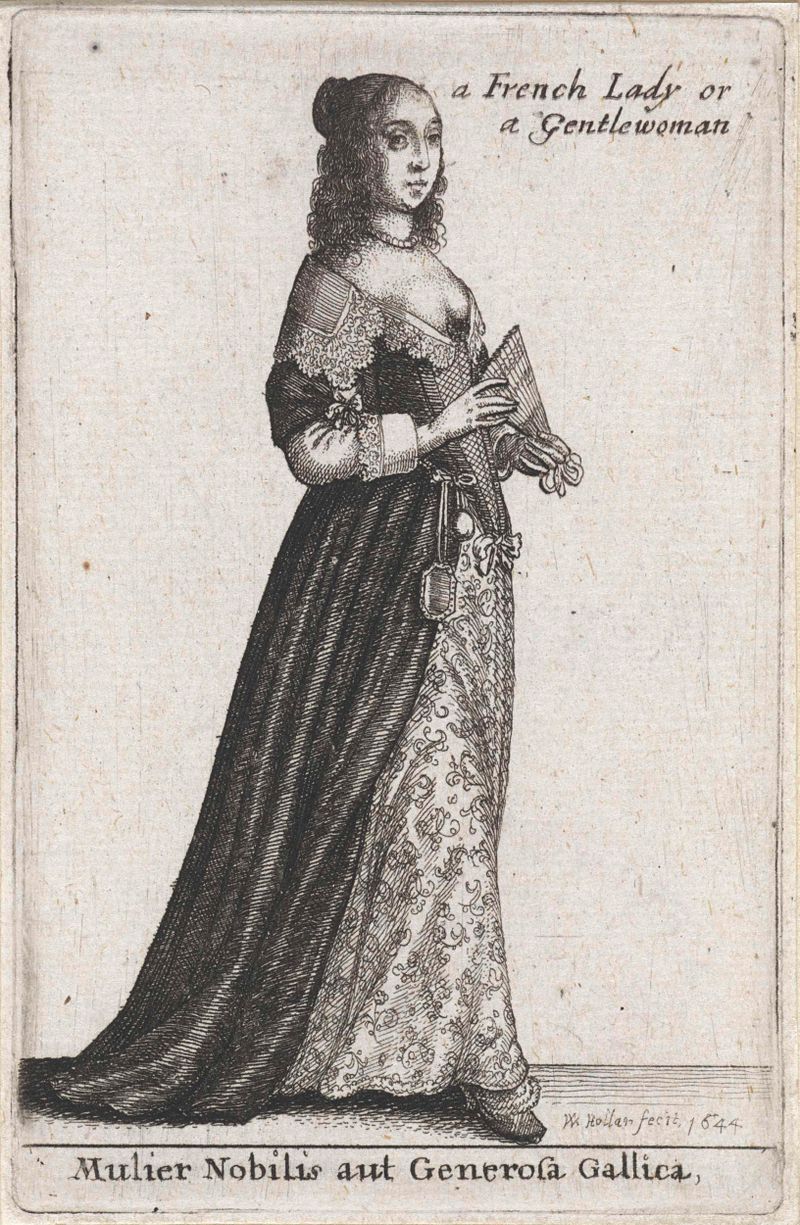
Mulier Nobilis aut Generosa Gallica / a French Lady or Gentlewoman
Wenceslaus Hollar
Titelprent voor: Ornatus Muliebris Anglicanus
Wenceslaus Hollar
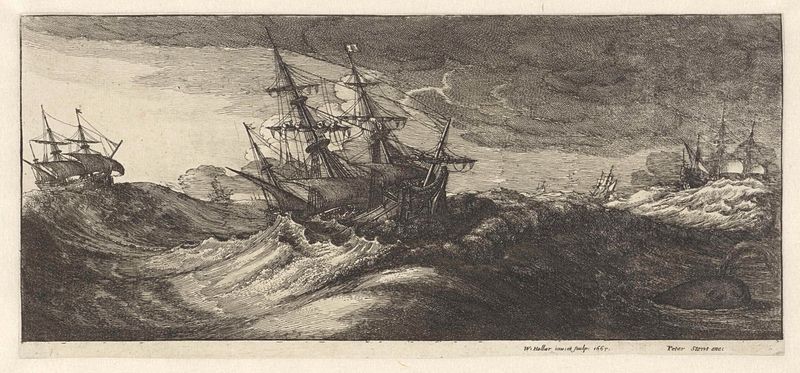
Oorlogsschepen en een walvis in een zeestorm
Wenceslaus Hollar
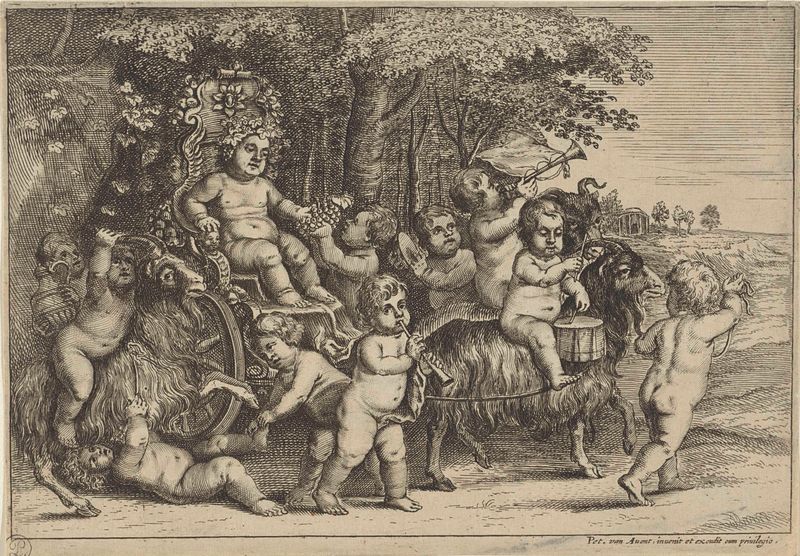
Optocht van bacchant en jongetjes op geiten
Wenceslaus Hollar
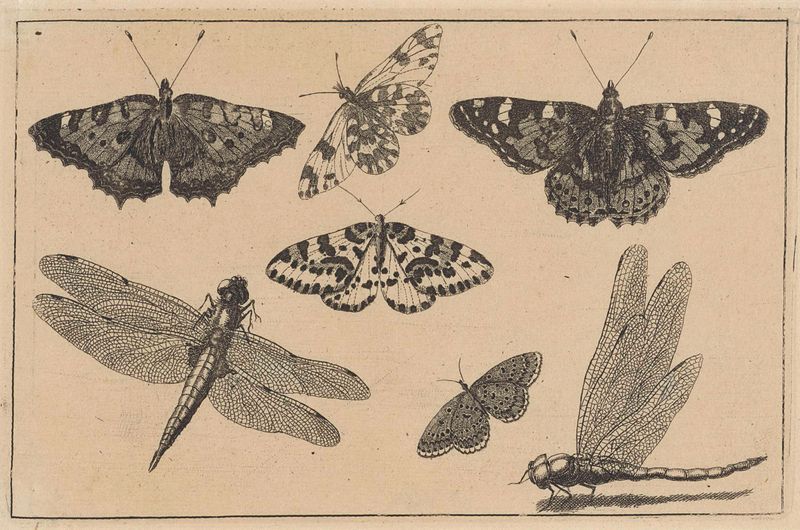
Twee libellen en vijf vlinders
Wenceslaus Hollar
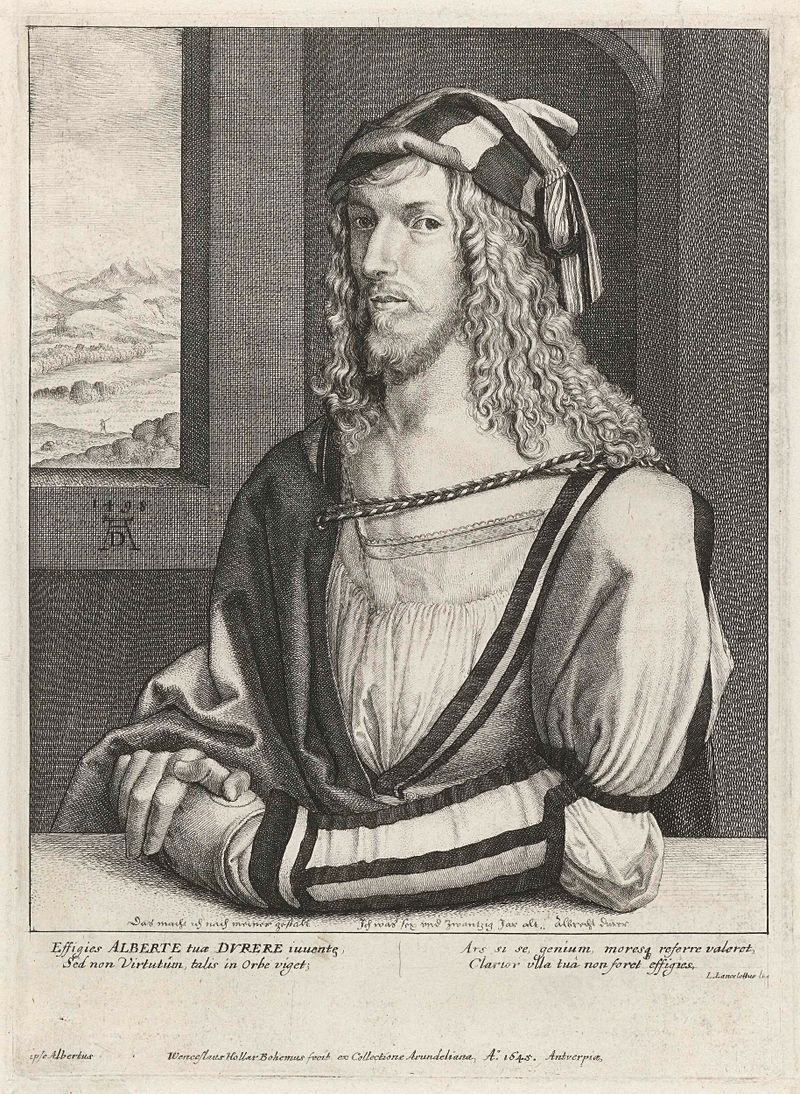
Portret van Albrecht Dürer
Wenceslaus Hollar
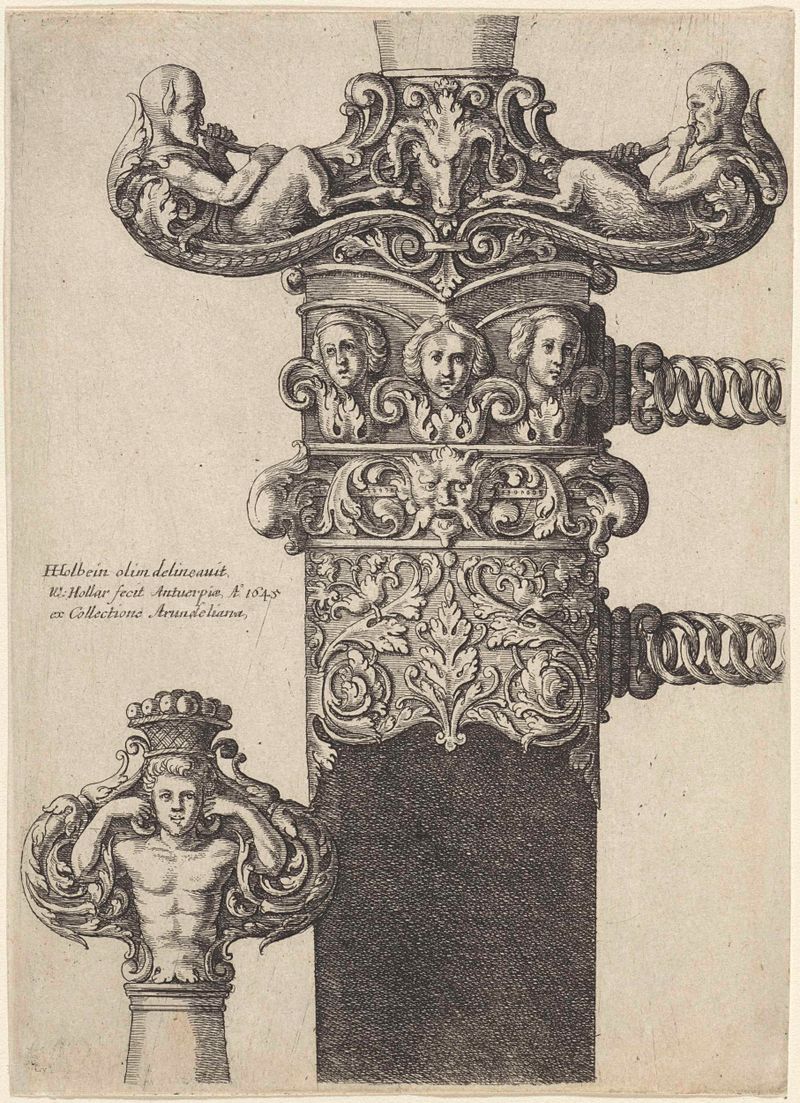
Ornamenteel ontwerp voor een dolk
Wenceslaus Hollar
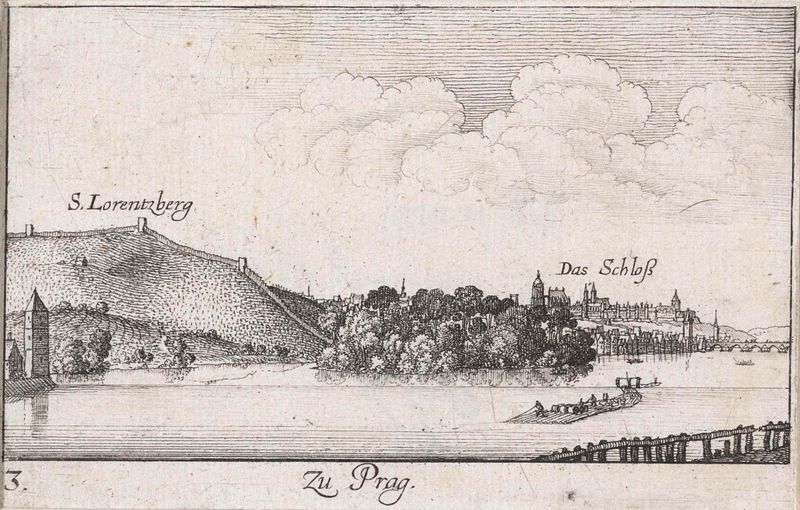
Gezicht op Praag vanaf de Moldau
Wenceslaus Hollar





