
Road in Saint-Tropez — History & Facts
Could a single brushstroke hold eternity? In Road in Saint-Tropez, the essence of balance is captured not only in the composition but within the very fabric of its colors and forms. Look to the left at the gentle curve of the road, guiding the eye through a lush landscape bathed in warm light. The vibrant greens of the trees contrast beautifully with the earthy tones of the path, drawing you into the scene. Notice how the light dances across the canvas, illuminating the interplay between shadow and sun, creating a sense of depth and inviting you to walk along the painted journey. This work encapsulates a harmony between nature and human presence, suggesting a dialogue between the two.
The fluidity of the brushstrokes evokes the soft breeze that moves through the scene, while the sturdy figures in the distance hint at the transient nature of life. The balance lies not just in the visual composition but also in the emotional tension that arises from the contrasting elements — the tranquility of the landscape juxtaposed with the potential for movement, exploration, and even solitude. Pankiewicz painted this work in 1909, during a period of artistic exploration in France that profoundly influenced his style. At the time, he was residing in the vibrant art community of Paris, where the Impressionist movement was giving way to new forms of expression.
This era of change allowed him to experiment with color and form, honing a technique that would ultimately solidify his place in the canon of early 20th-century art, while also capturing the idyllic charm of the French Riviera.
More Artworks by Józef Pankiewicz
Browse all →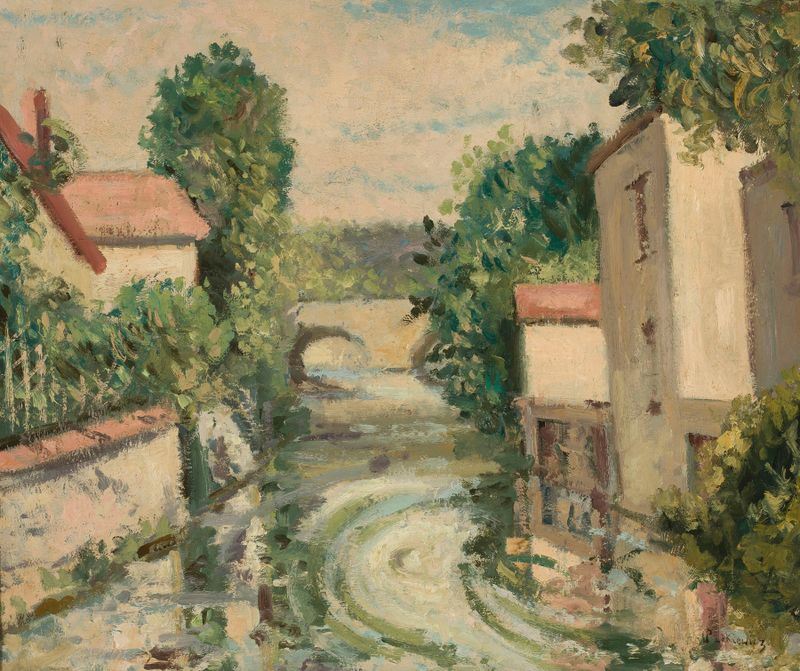
Landscape
Józef Pankiewicz

Cab in the Rain
Józef Pankiewicz
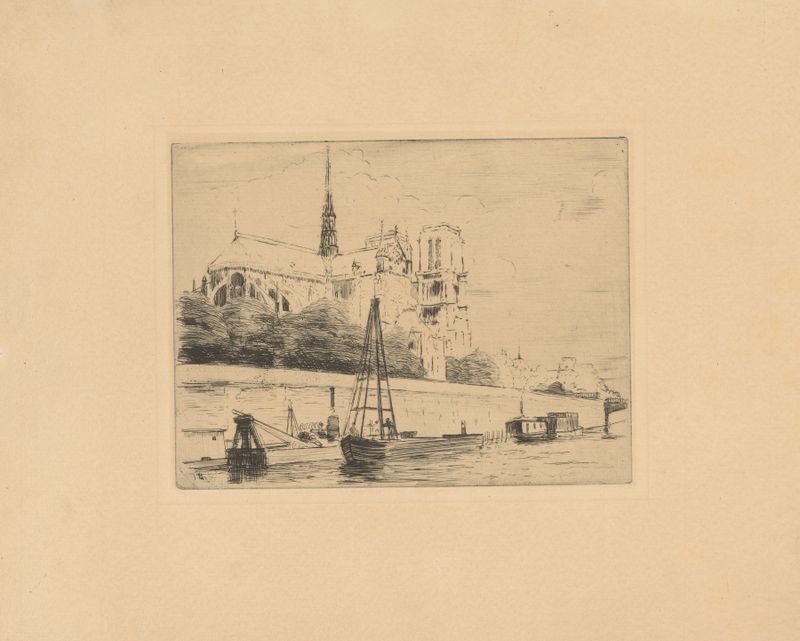
Notre Dame Cathedral in Paris
Józef Pankiewicz
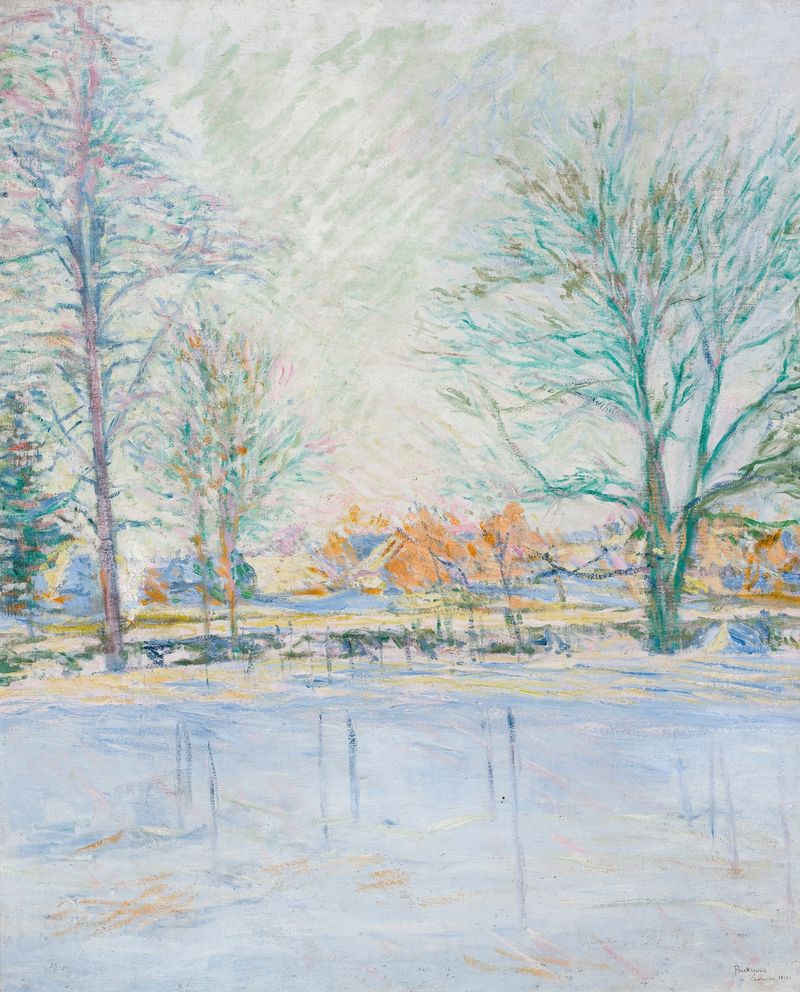
Landscape from Czarnolas
Józef Pankiewicz
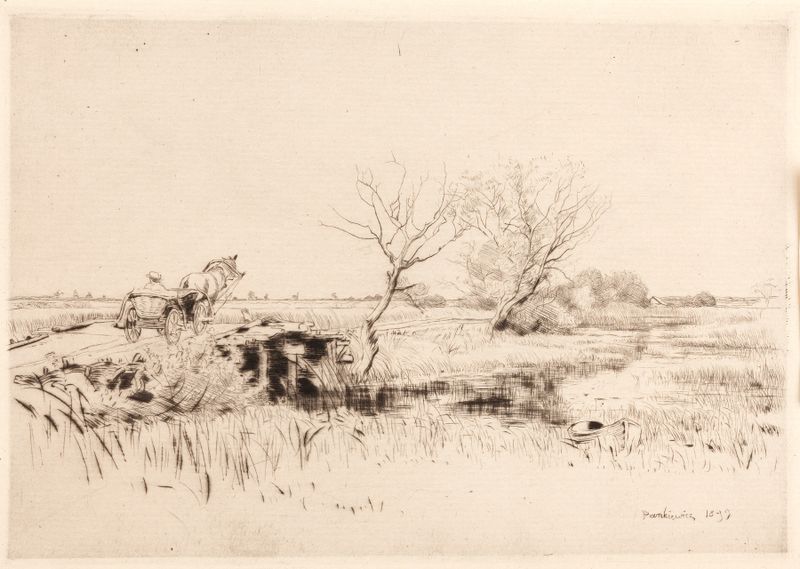
Pińsk Channel in Polesie I
Józef Pankiewicz
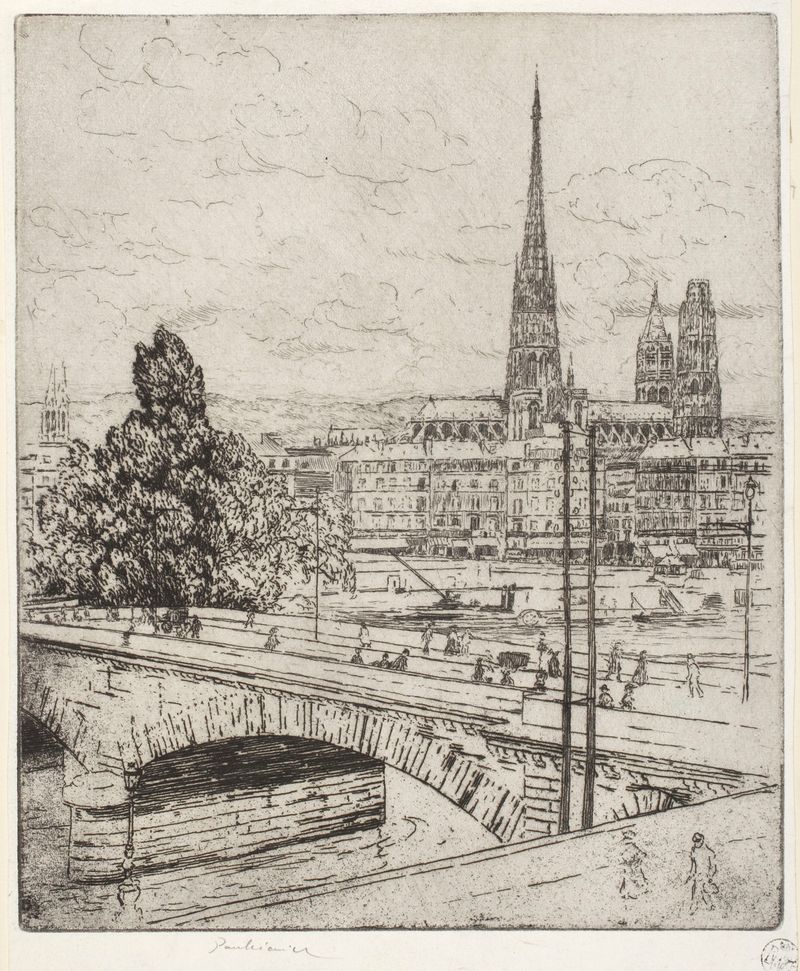
Pont Corneille in Rouen
Józef Pankiewicz
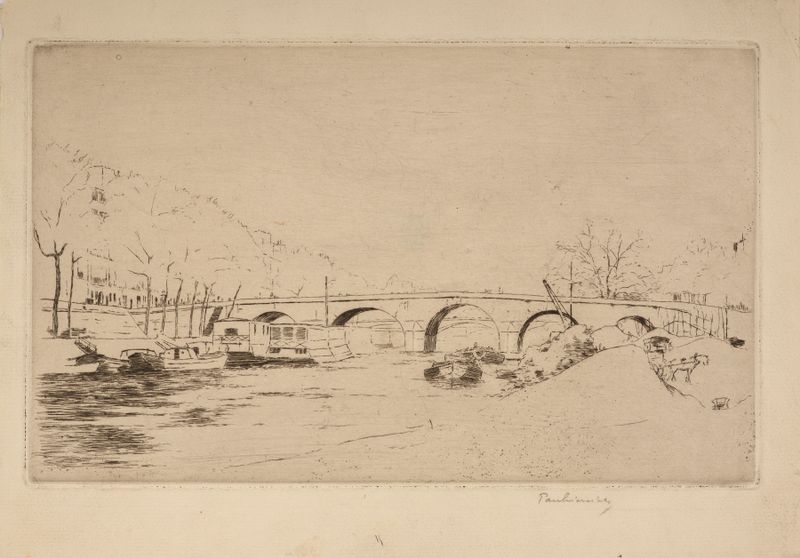
Pont Marie in Paris
Józef Pankiewicz

Rouen – portal from the Church of St Maclou
Józef Pankiewicz
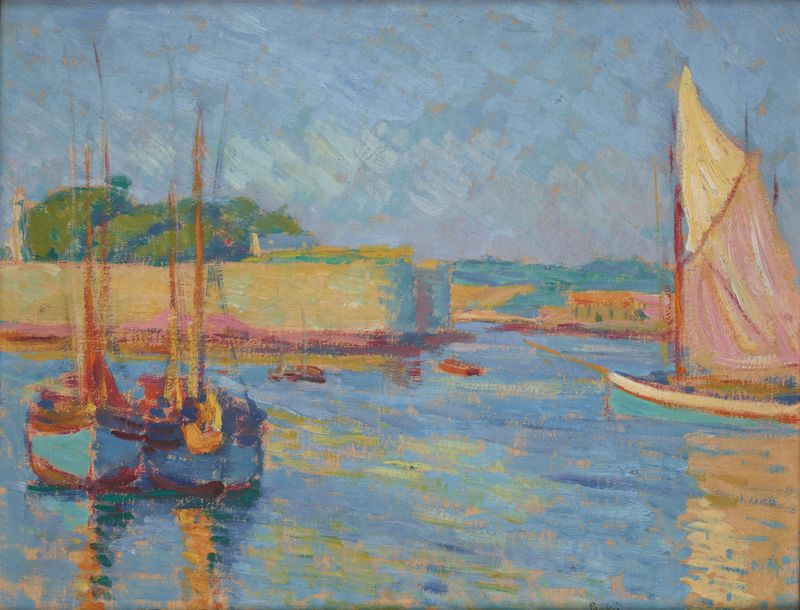
Harbour at Concarneau
Józef Pankiewicz
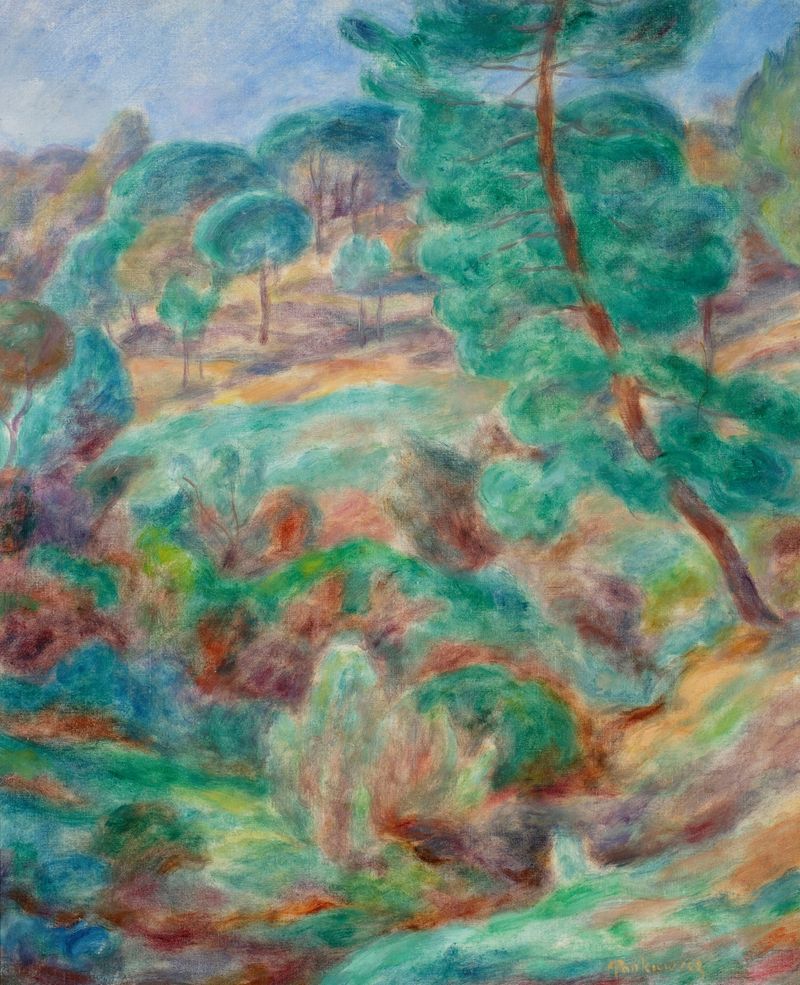
Landscape from Saint-Tropez – Stone pines
Józef Pankiewicz





