Road to church in Zlate Hory — History & Analysis
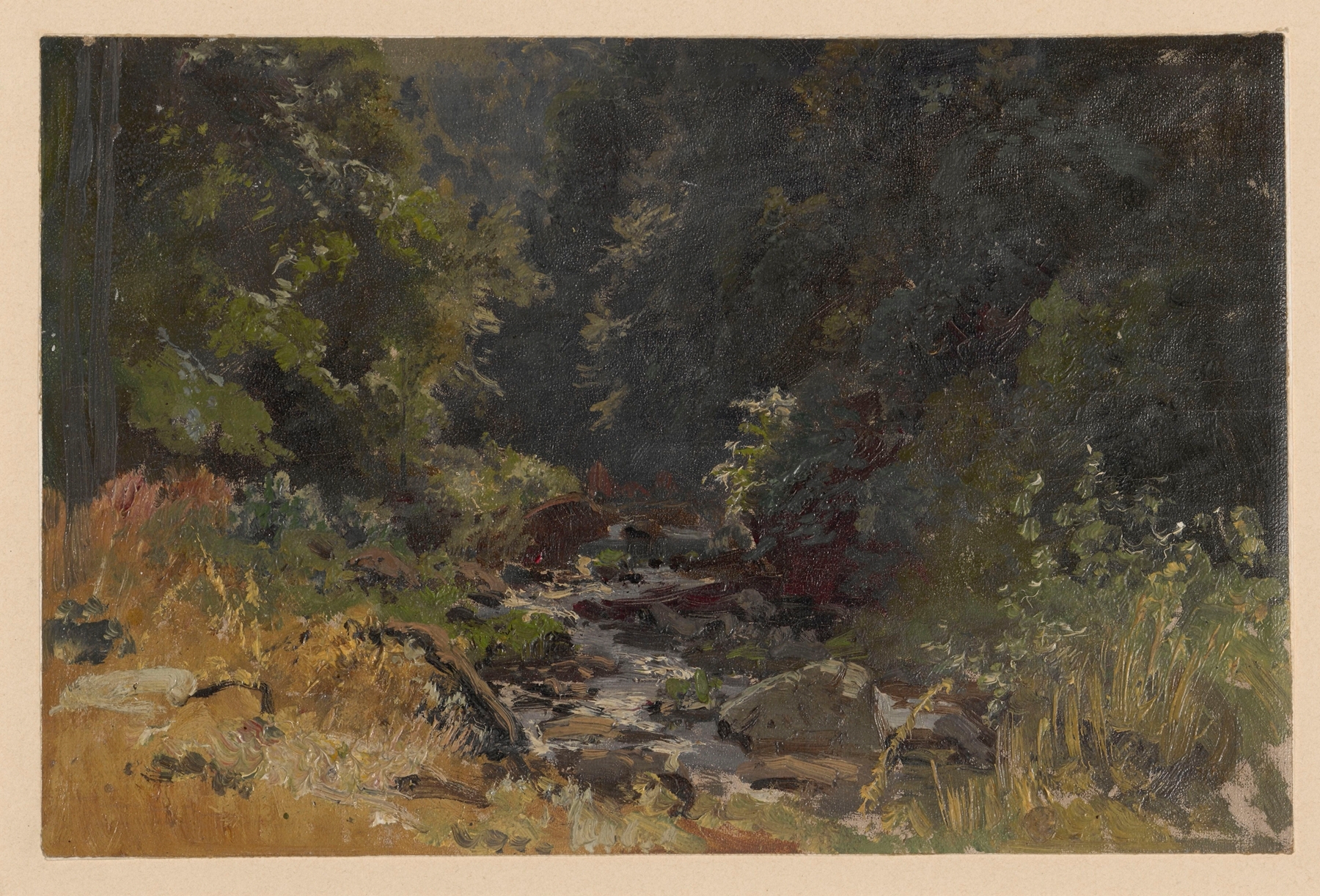
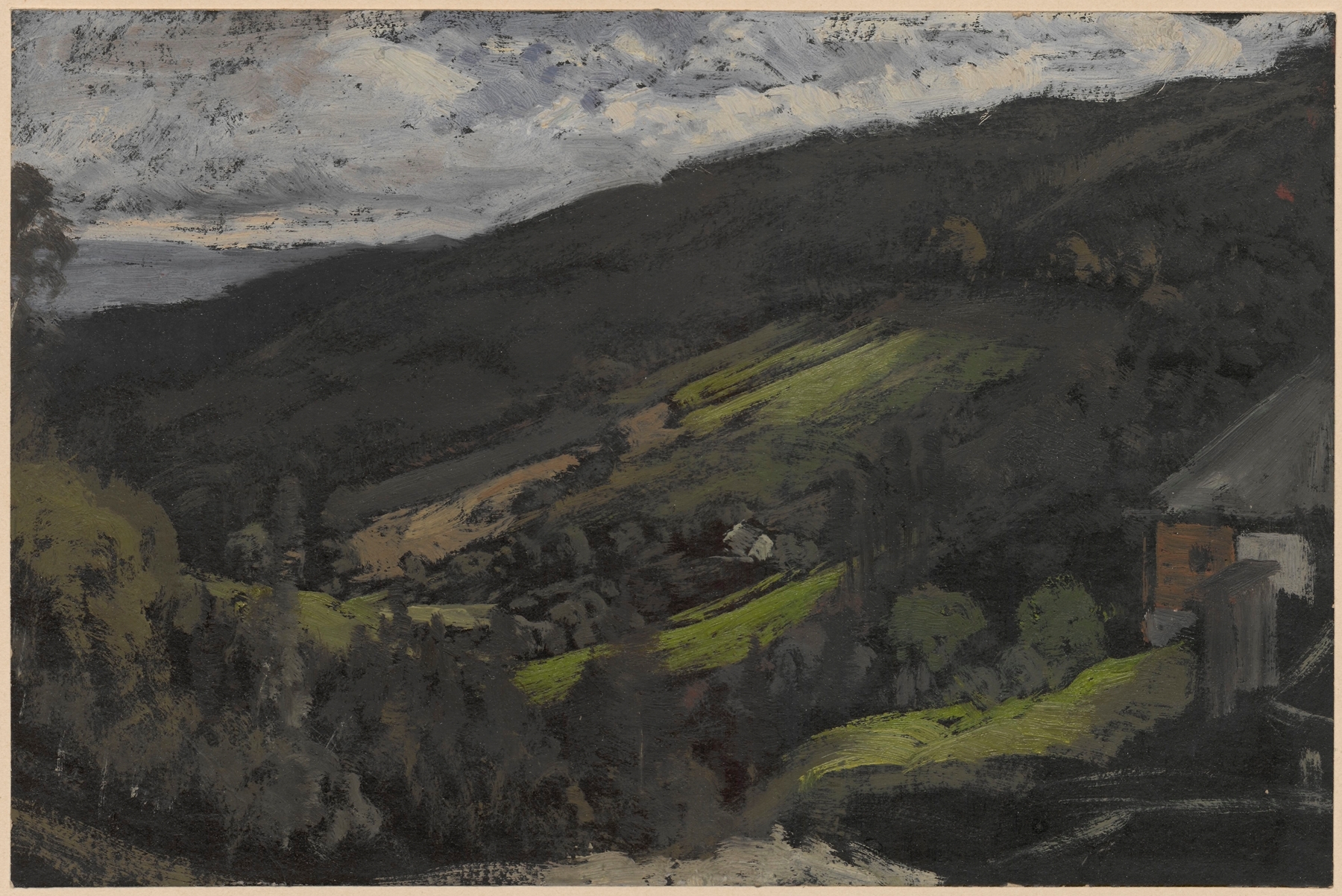
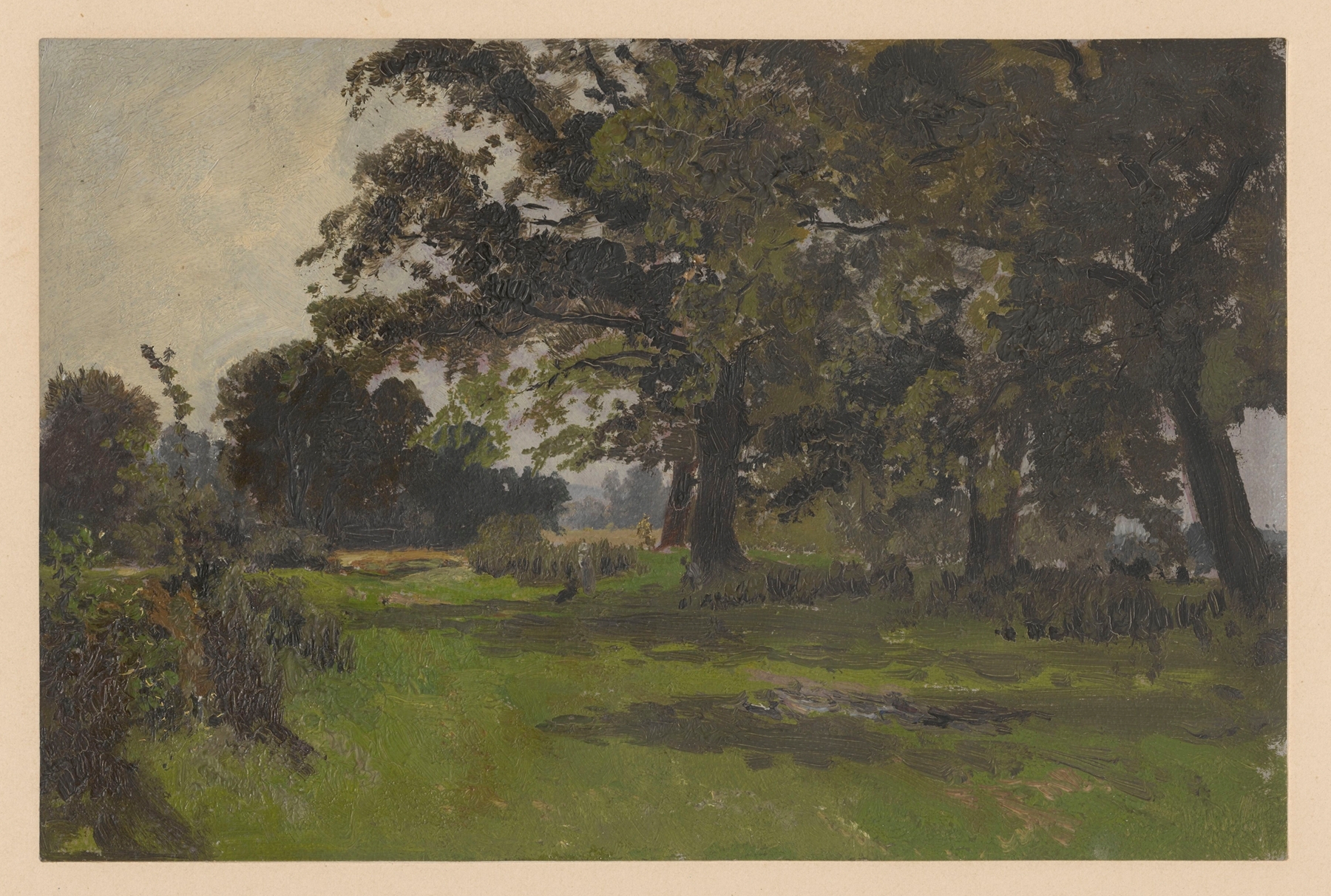
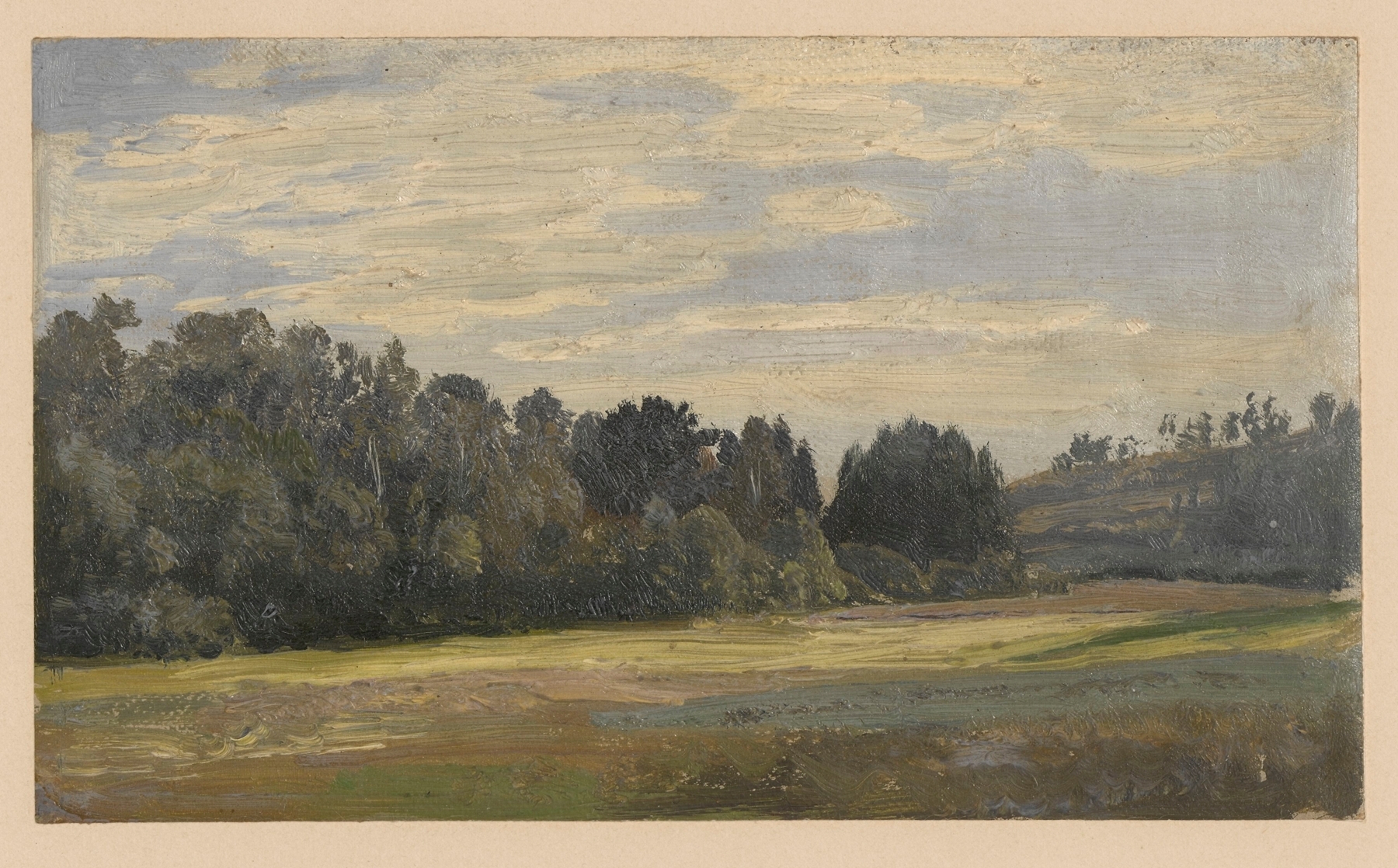
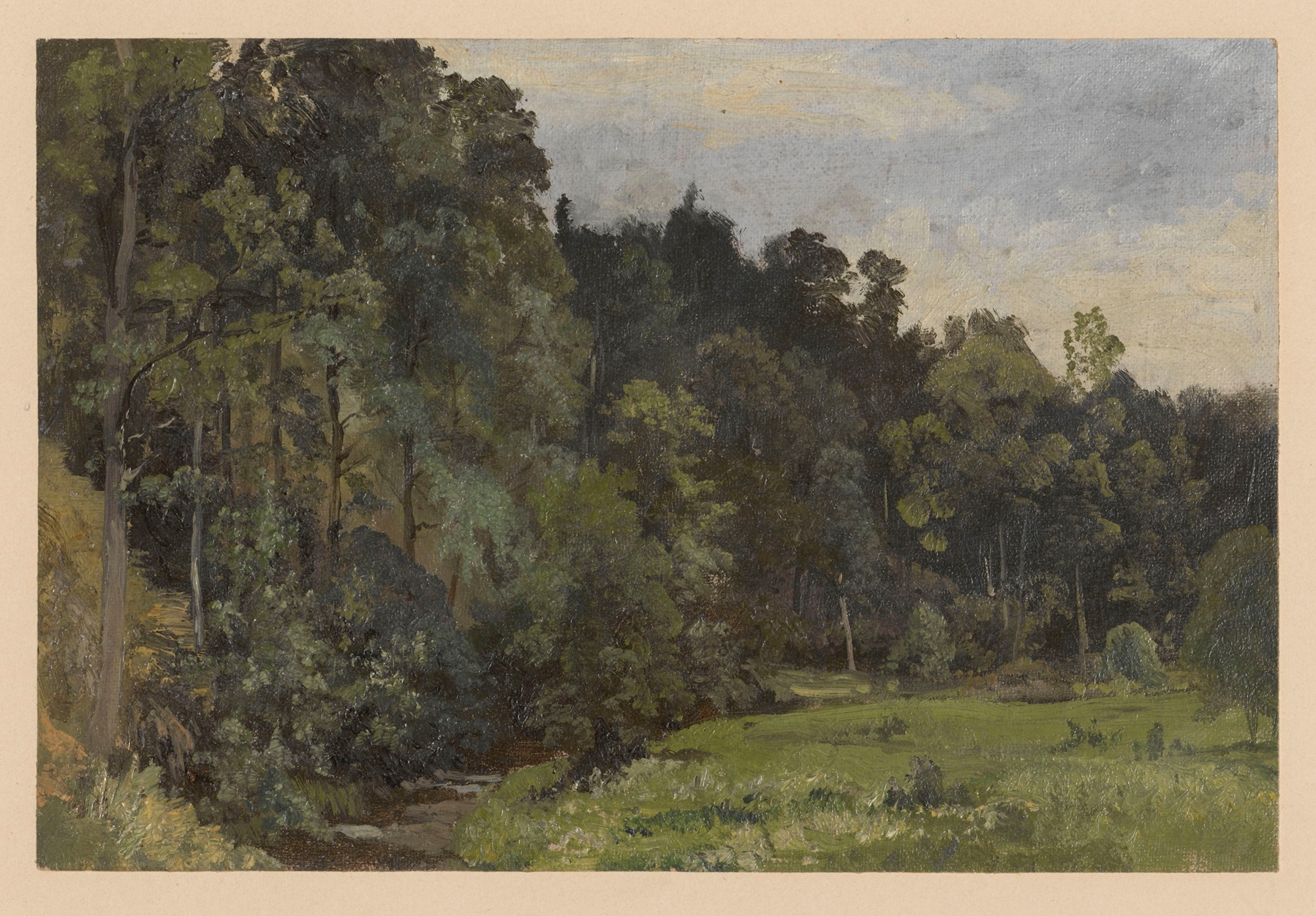
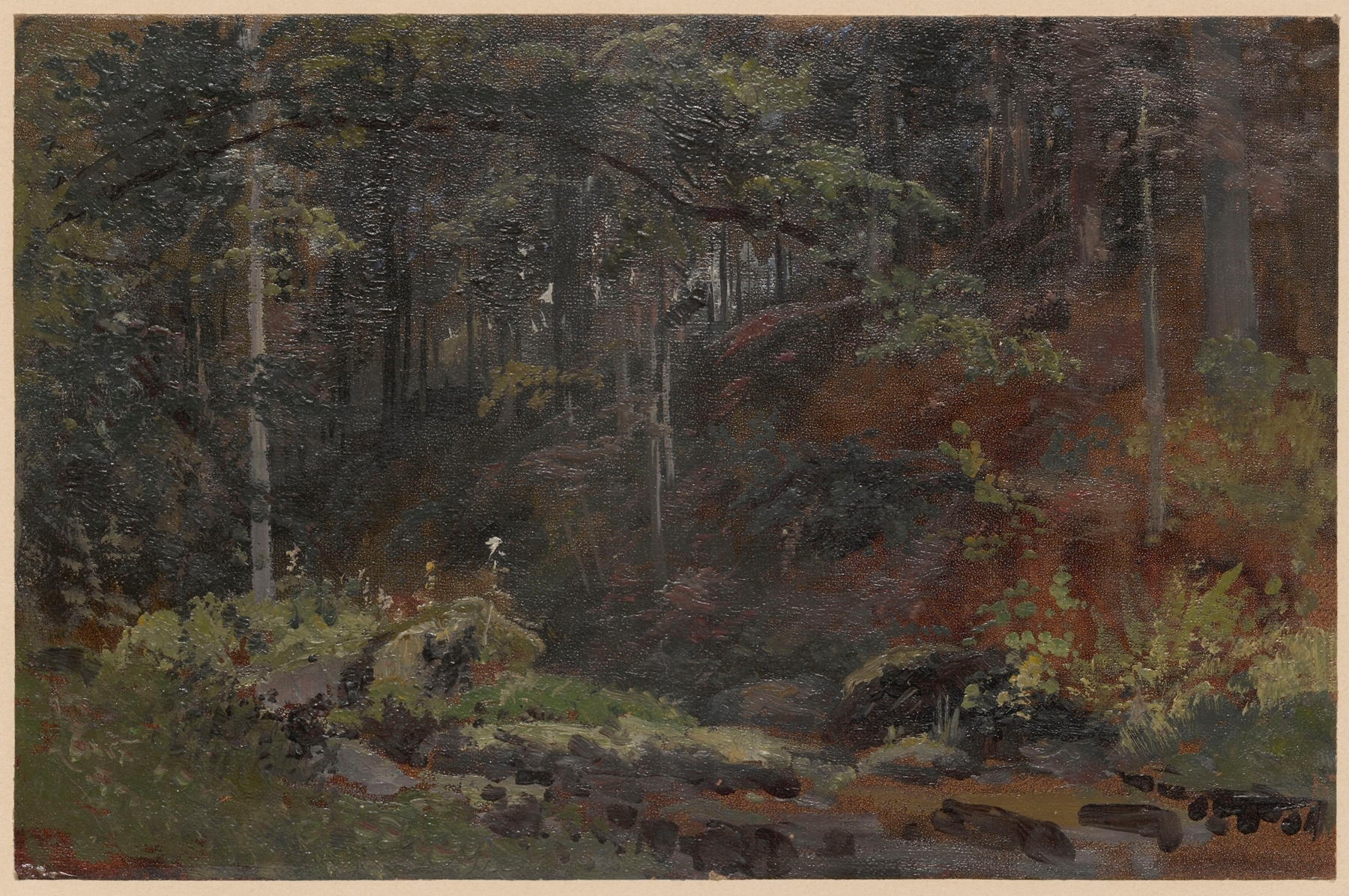
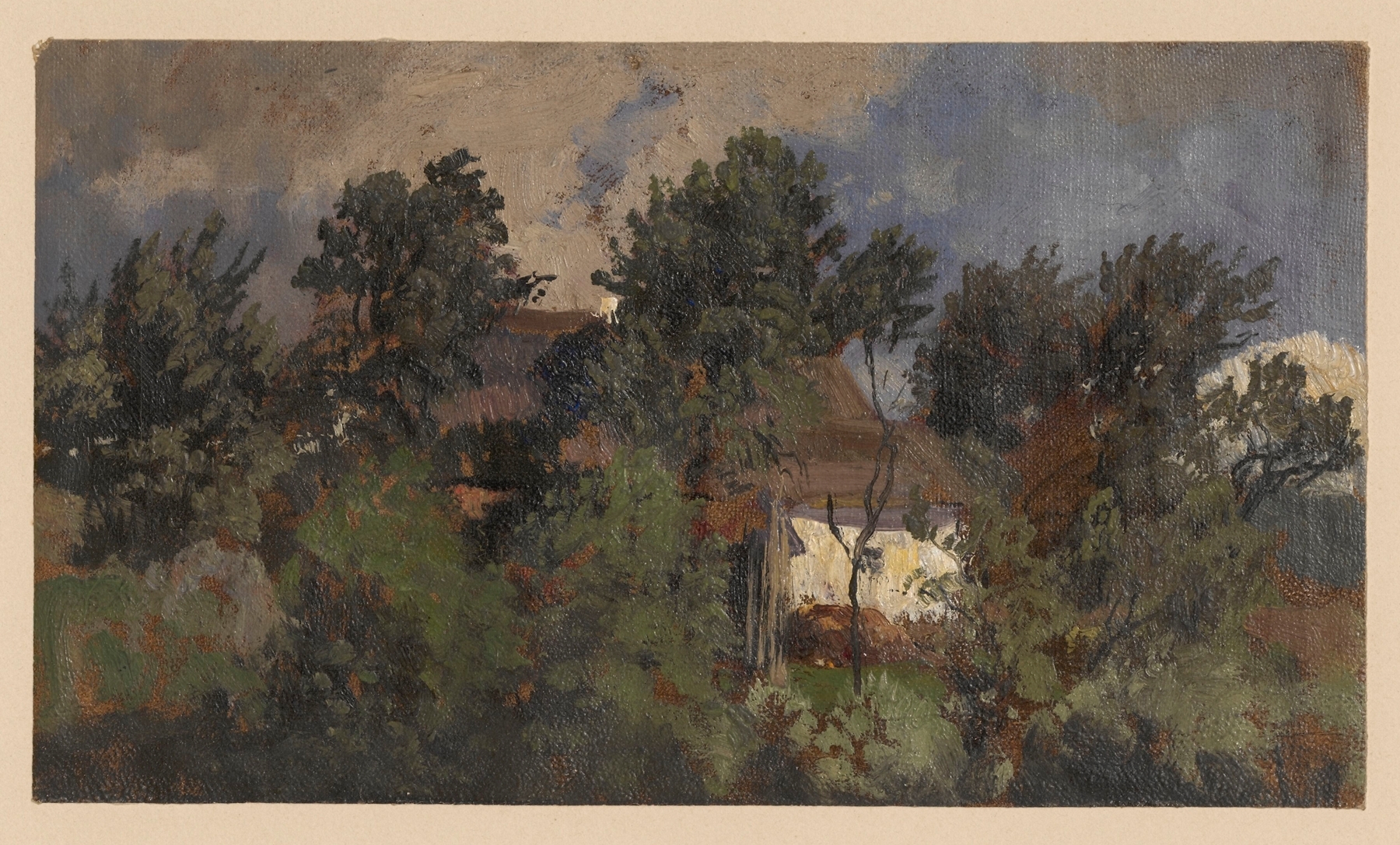
Did the painter know this moment would outlive them? As time weaves its tapestry, the quiet path leading to a humble church in Zlate Hory remains a testament to life's simplicity and continuity. Look closely at the winding road that draws the eye toward the church, a beacon of serenity amidst the lush greenery. The gentle play of light filtering through the trees enhances the tranquility of the scene, inviting contemplation.
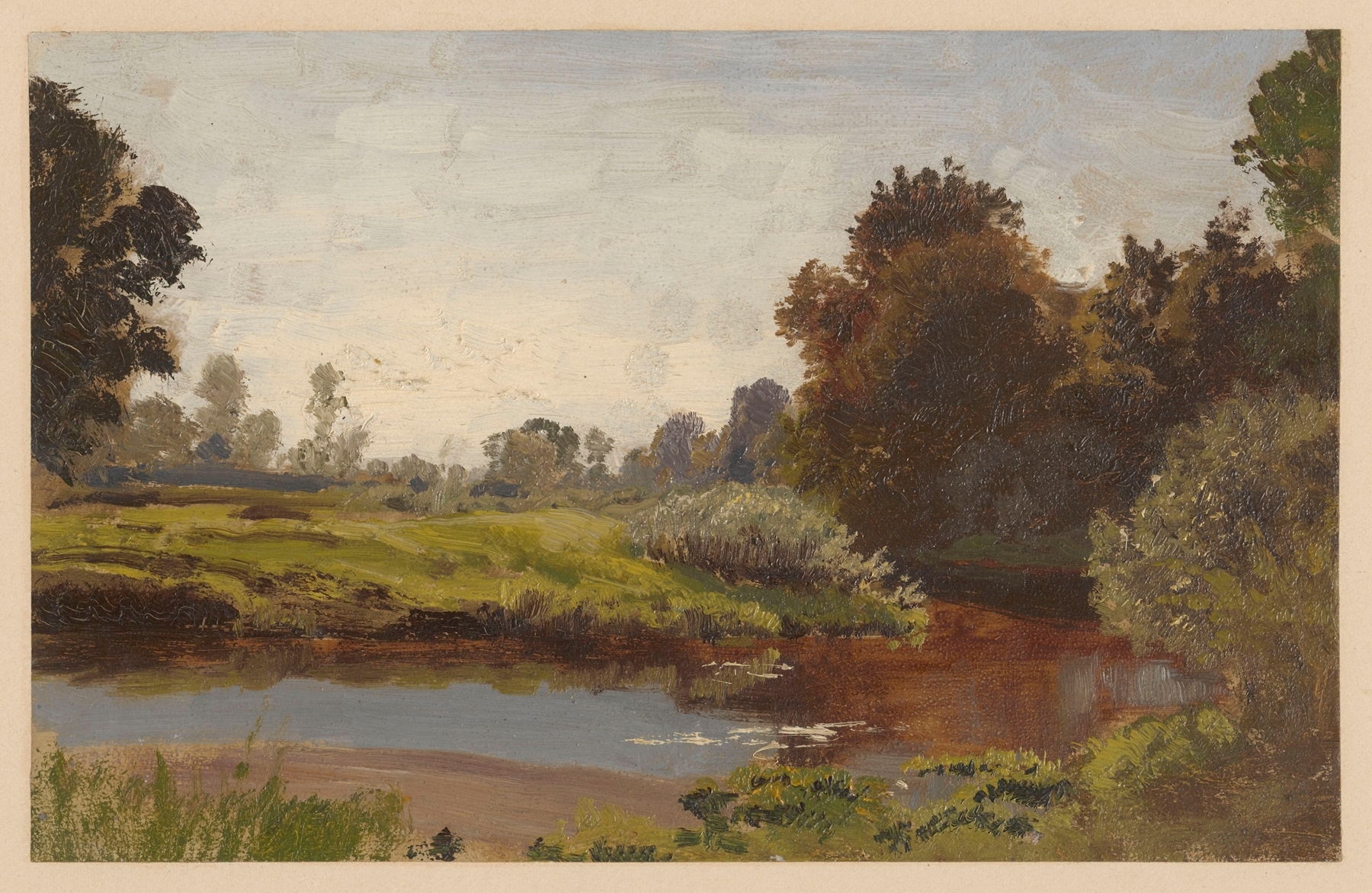
Notice how the colors, from earthy browns to vibrant greens, harmonize effortlessly, creating a sense of unity between nature and the man-made structure. The brushwork, both delicate and deliberate, captures the essence of a moment suspended in time. Beyond its picturesque charm, the artwork resonates with deeper reflections on faith and community. The church, a symbolic anchor, stands testament to both individual and collective journeys, suggesting a pilgrimage of souls seeking solace.
The juxtaposition of the serene landscape against the path hints at life’s unpredictability: a reminder that while the destination is sacred, the journey itself is rich with meaning. In the mid-19th century, Dressler painted this piece during a period of significant change in Europe, where the Industrial Revolution was reshaping landscapes and lifestyles. Living in the Czech Republic, he embraced a Romantic approach, focusing on natural beauty and rural life. His work often served as a bridge between the evolving world around him and the timeless essence of human experience, capturing moments that invite contemplation long after they were created.