
Rocca Giovane — History & Facts
Did the painter know this moment would outlive them? In a world where innocence often fades, a sigh of nostalgia lingers in the air, leaving us to ponder the fragility of youth. Look to the right at the delicate silhouette of a young figure against a lush, verdant backdrop. The colors are soft yet vibrant, a gentle harmony of greens and blues that encapsulates the essence of a sunlit day. Notice how the light spills over the landscape, illuminating the figure's serene expression, embodying the purity of childhood.
The composition invites viewers to explore the contrast between the figure's stillness and the lively brushwork of the surrounding foliage, capturing a fleeting moment in time. Upon closer inspection, the interplay of light and shadow reveals deeper meanings of innocence and transience. The young figure appears both hopeful and pensive, as if caught between the carefree joys of youth and the inevitable passage of time. Surrounding elements, like the rustic rock formations, symbolize the stability of nature, juxtaposed against the fragility of human experience.
These subtleties evoke emotions that resonate beyond the canvas, urging reflections on our own lives. In 1841, Edward Lear was deeply immersed in his work as both a painter and a poet. He painted Rocca Giovane during his travels in Italy, a period marked by both personal exploration and the burgeoning Romantic movement in art. This piece reflects his fascination with landscapes infused with emotion, as well as his dedication to capturing the essence of the human experience through the lens of nature and innocence.
More Artworks by Edward Lear
Browse all →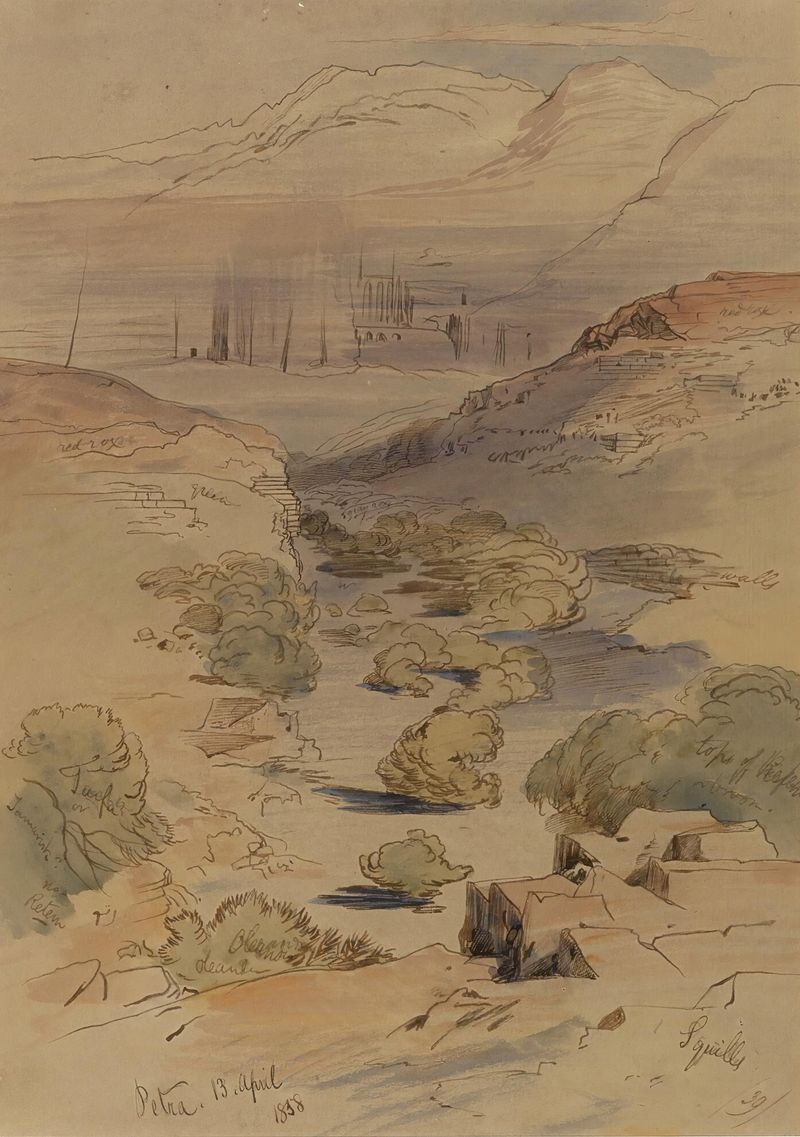
Petra
Edward Lear
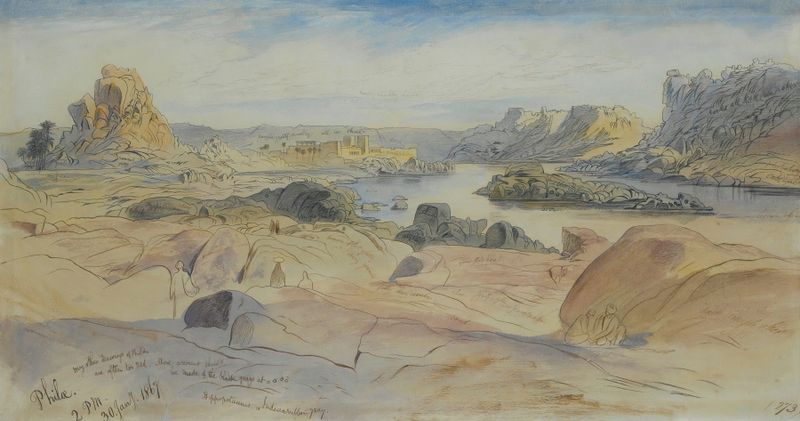
Philae, Egypt
Edward Lear
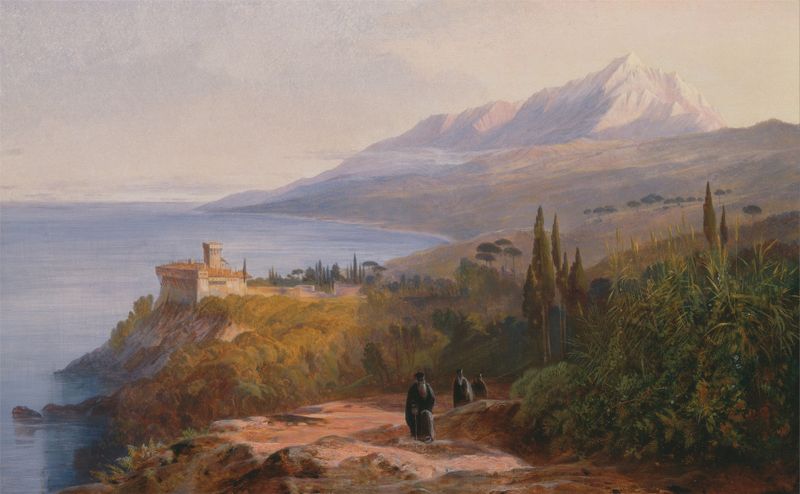
Mount Athos and the Monastery of Stavronikétes
Edward Lear
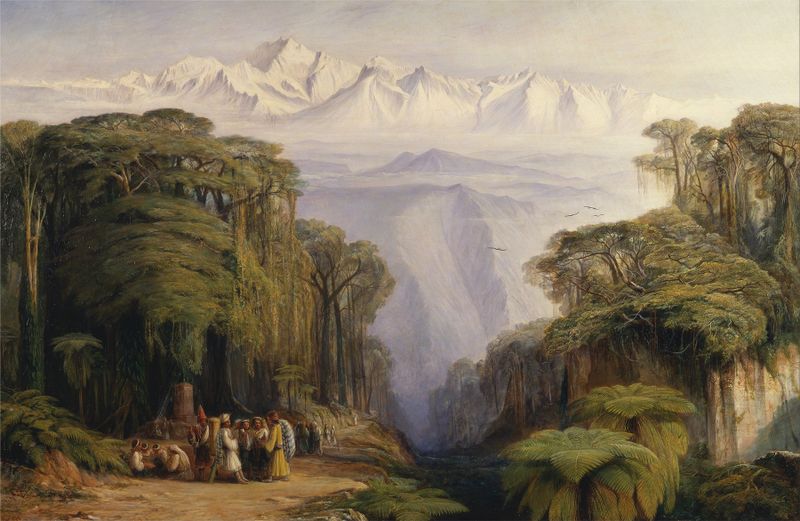
Kangchenjunga from Darjeeling
Edward Lear
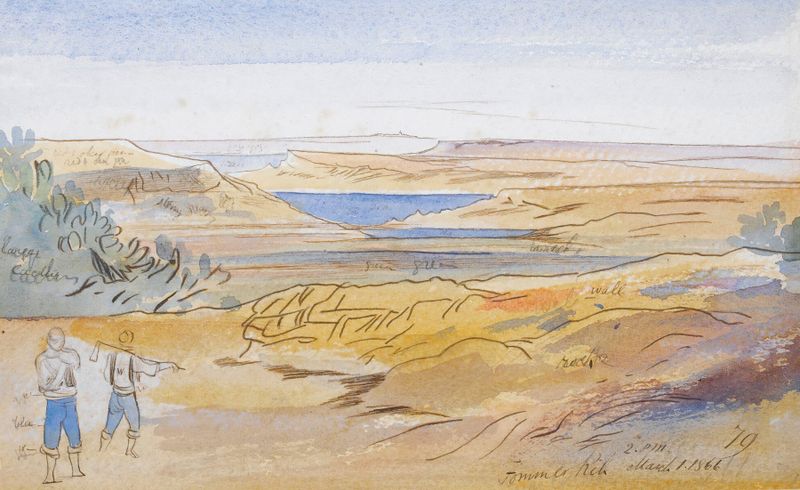
Fomm Ir-Rih, Malta
Edward Lear
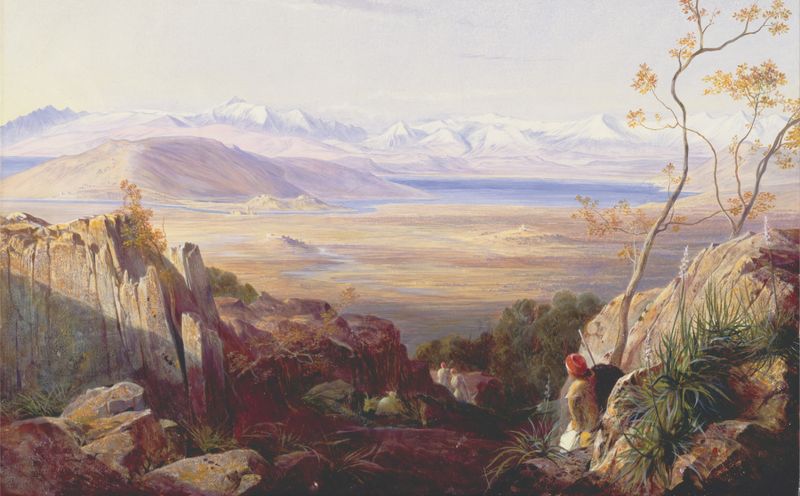
Butrinto, Albania
Edward Lear
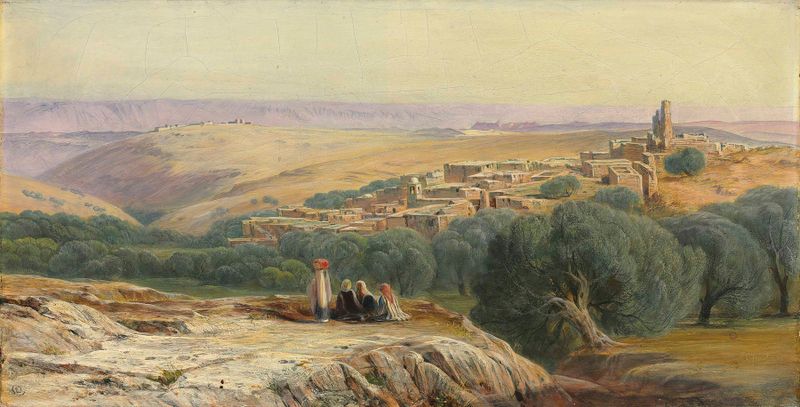
The Plains of Bethany
Edward Lear

Karnak, 9-30 pm, 22 January 1867
Edward Lear
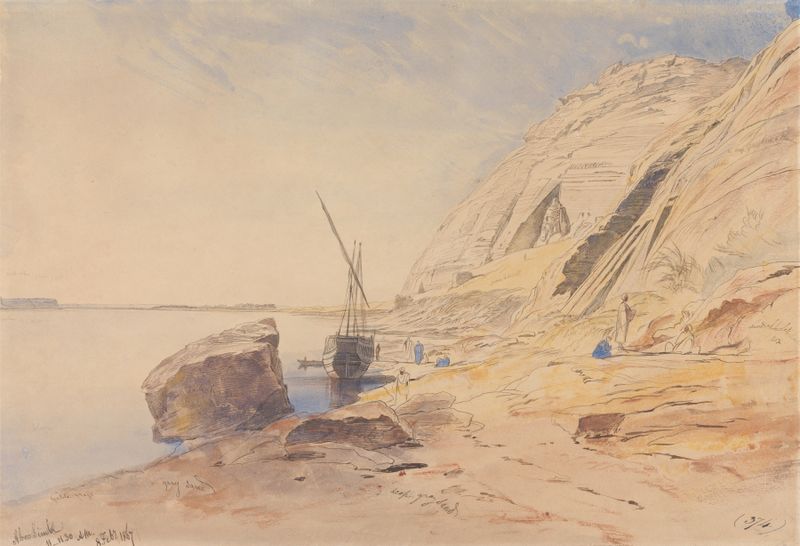
Abu Simbel, 11-11;30 am, 8 February 1867 (374)
Edward Lear

A View Of Mount Athos And The Pantokrator Monastery, Greece
Edward Lear





