
Rochester — History & Facts
Who listens when art speaks of silence? In the stillness of Edward Dayes’ Rochester, light dances softly across the canvas, inviting the viewer into a world suspended in quiet reflection. Look to the left at the luminous morning sky, where delicate hues of peach and lavender blend seamlessly. Notice how the gentle sweep of the landscape draws your gaze toward the town, a charming assemblage of buildings nestled against the horizon. The soft brushwork creates a palpable sense of atmosphere, while the meticulous details of the architecture suggest a meticulous observer—each window reflecting the day’s awakening. Beneath the serene surface lies an intricate interplay between light and shadow, symbolizing both hope and solitude.
The distant figures moving along the path evoke a sense of journey, perhaps a commentary on the human condition. Each element, from the billowing clouds to the still water, works in harmony to illustrate the ethereal relationship between nature and civilization. Edward Dayes painted Rochester during a time when the Romantic movement was redefining the boundaries of landscape art. Active in the late 18th and early 19th centuries, he found inspiration in the picturesque beauty of English countryside while also responding to the burgeoning shifts in society caused by the Industrial Revolution.
This period of transition greatly influenced the themes of nature and nostalgia found within his work, positioning him as an observer of a world in flux.
More Artworks by Edward Dayes
Browse all →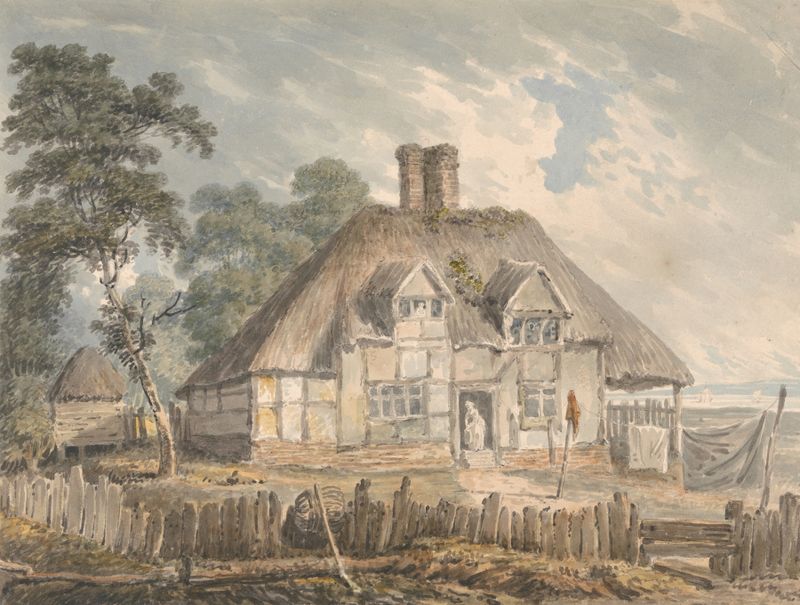
A Cottage near Southampton
Edward Dayes
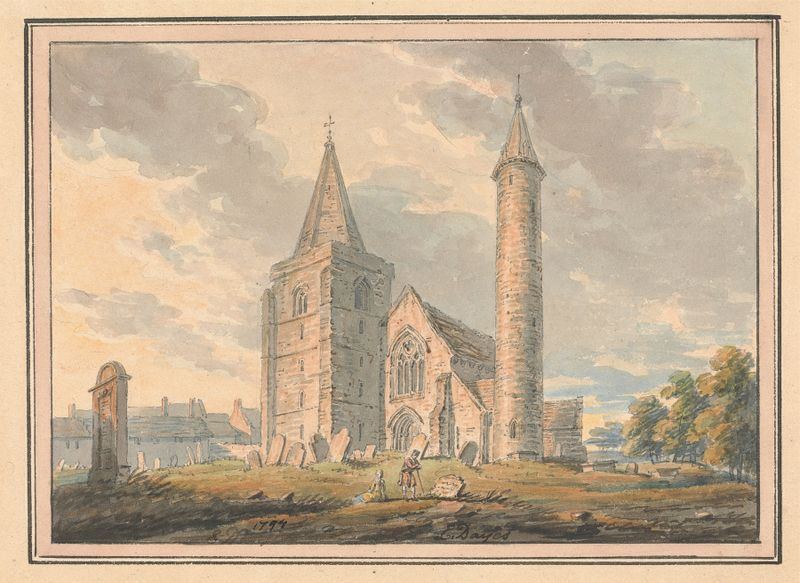
Brechin Cathedral and round tower, Forfarshire, Scotland
Edward Dayes
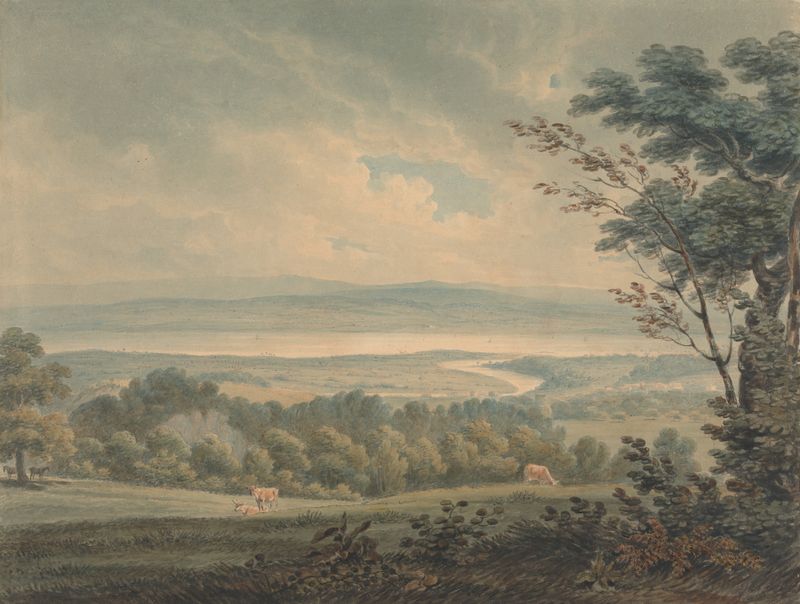
The Meeting of the Rivers Severn and Wye, near Chepstow
Edward Dayes

Ruins of the Old Kirk, Isle of Bute
Edward Dayes
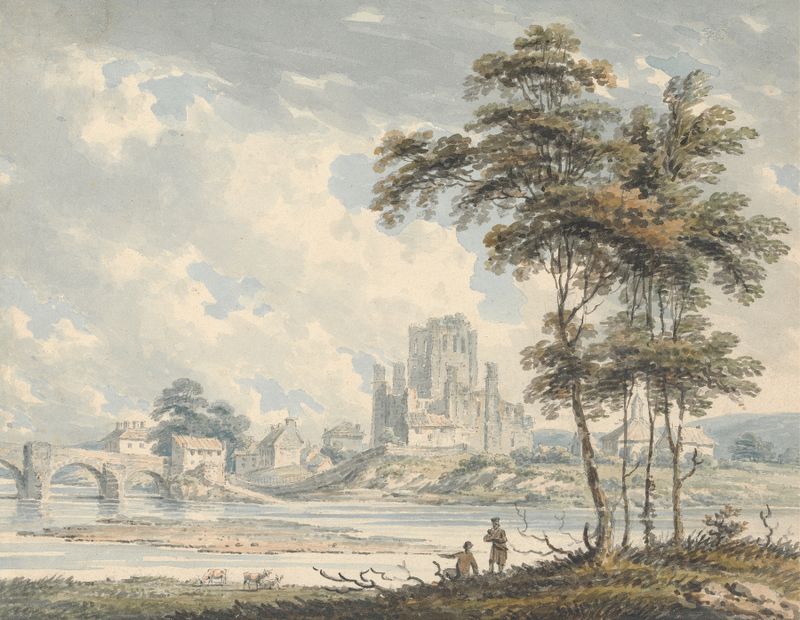
Kelso Abbey, Rosburghshire
Edward Dayes
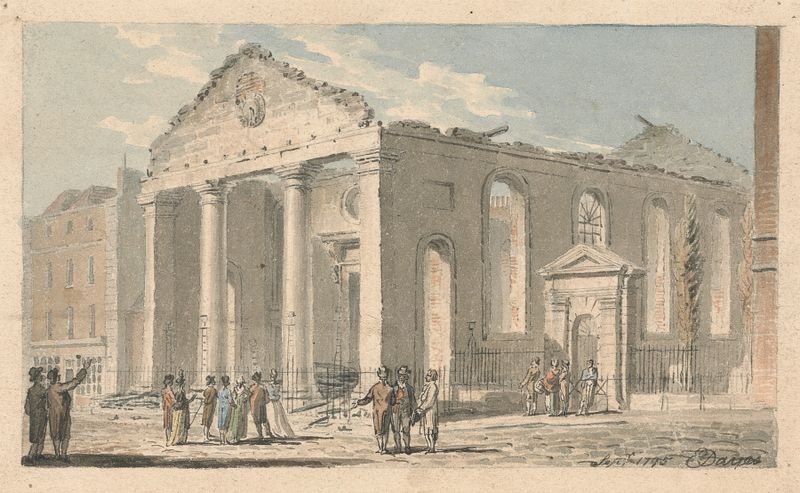
St. Paul’s Church, Covent Garden, after the fire
Edward Dayes
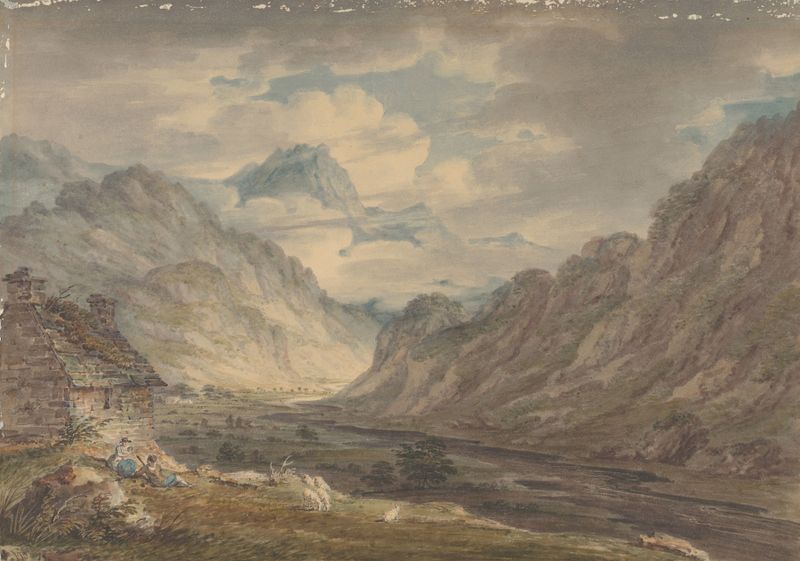
The Honister Pass from Gatesgarth Farm, Gatesgarthdale, Lake District
Edward Dayes
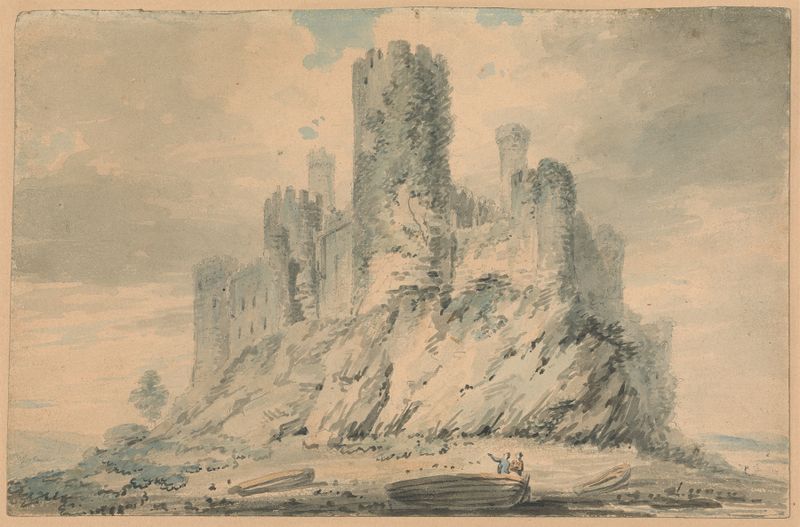
Conway Castle, Caernarvonshire
Edward Dayes
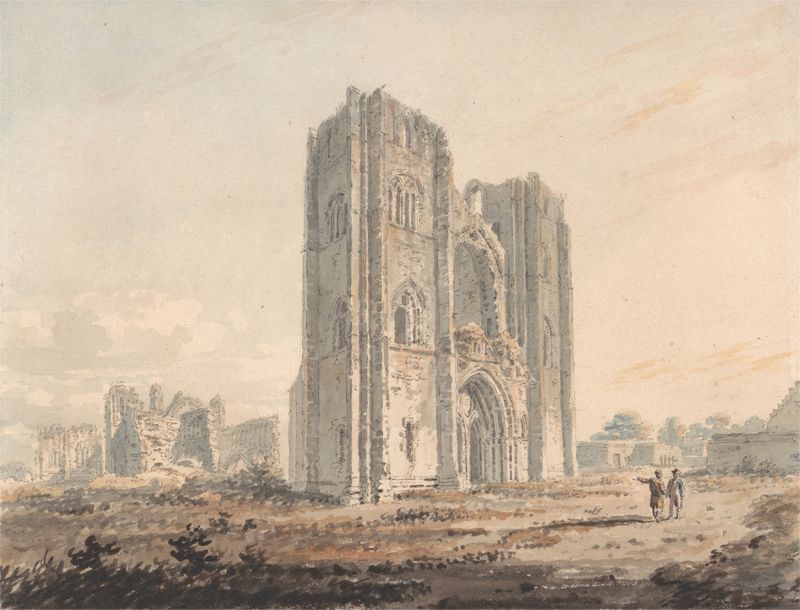
Elgin Cathedral, Moray
Edward Dayes

Lake scene
Edward Dayes





