
Rock in the Pełcznica Stream II — History & Facts
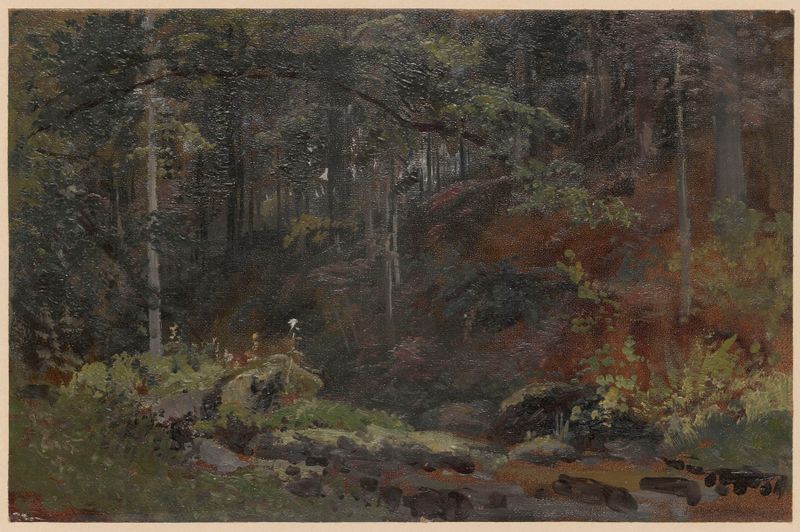
In a world where the ephemeral often overshadows the eternal, legacy emerges as a silent whisper, beckoning us to behold the beauty of enduring moments. Look closely at the foreground, where the tranquil waters of the Pełcznica Stream effortlessly cradle a solitary rock. Its rough texture contrasts sharply against the smoothness of the flowing water, inviting your gaze to linger. The artist employs a delicate palette—soft greens and muted browns—imbuing the scene with a sense of timelessness.
Dappled light dances across the surface, creating mesmerizing reflections that shimmer like memories half-remembered, urging us to explore the emotional depth beneath the surface. The juxtaposition of the rugged rock and the gentle stream speaks to the tension between permanence and transience. The rock, steadfast and unmoving, symbolizes resilience, while the flowing water represents change and the passage of time. This interplay evokes feelings of nostalgia, as it reflects the artist’s contemplation of what endures in our lives despite relentless change.
The subtle brushstrokes and harmonious composition invite viewers to ponder their own legacies, echoing a yearning for connection amidst the incessant tide of time. In the years between 1850 and 1881, Adolf Dressler immersed himself in the landscapes of Poland, capturing his homeland’s natural beauty. This period was marked by a growing Romanticism in art, where expression and emotion began to take precedence over strict realism. Dressler’s exploration of nature was not just an aesthetic pursuit but a personal journey, reflecting the rich cultural identity of his time and forging a legacy that resonates with viewers today.
More Artworks by Adolf Dressler
Browse all →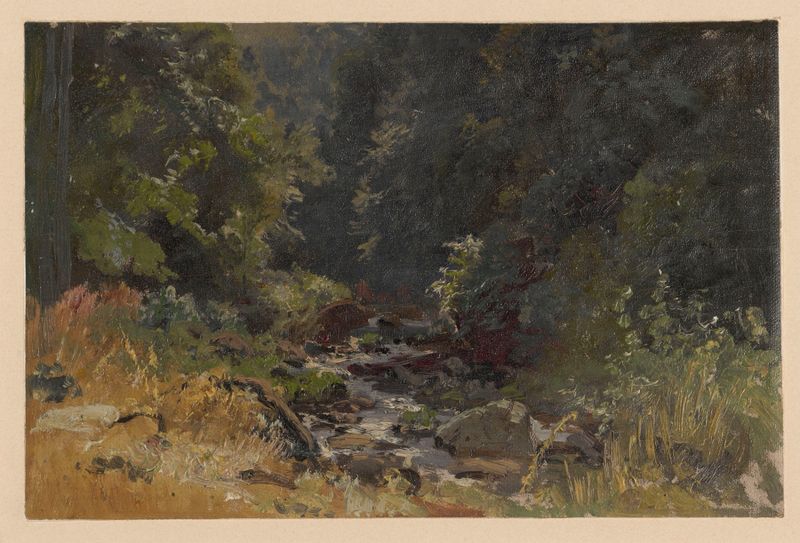
The Pełcznica Stream
Adolf Dressler
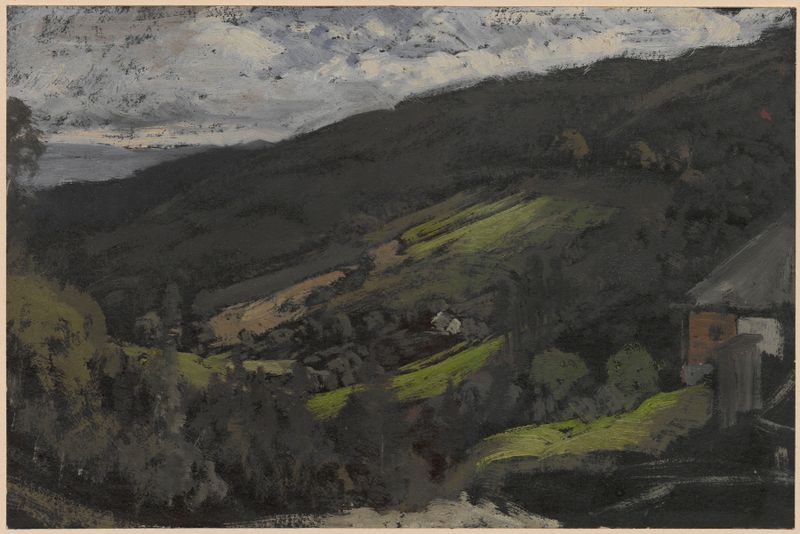
View of Przesieka
Adolf Dressler

By the River Barycz
Adolf Dressler
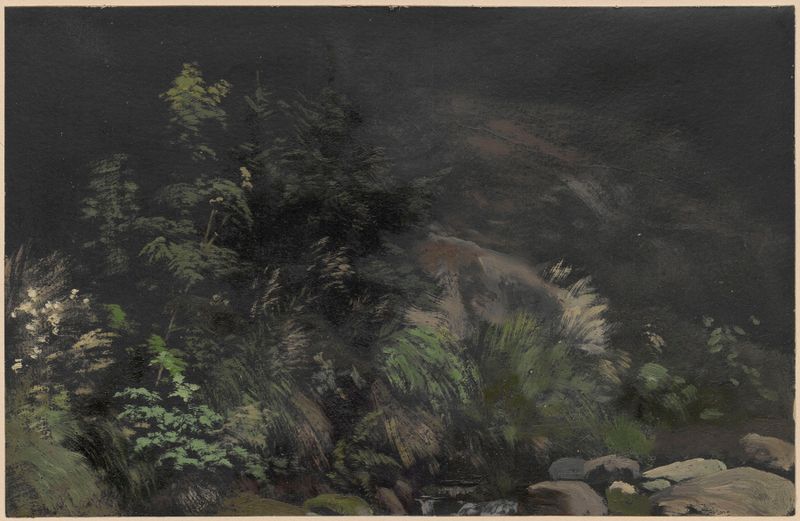
Plants on rocks
Adolf Dressler

Trees in a meadow near Jelcz
Adolf Dressler
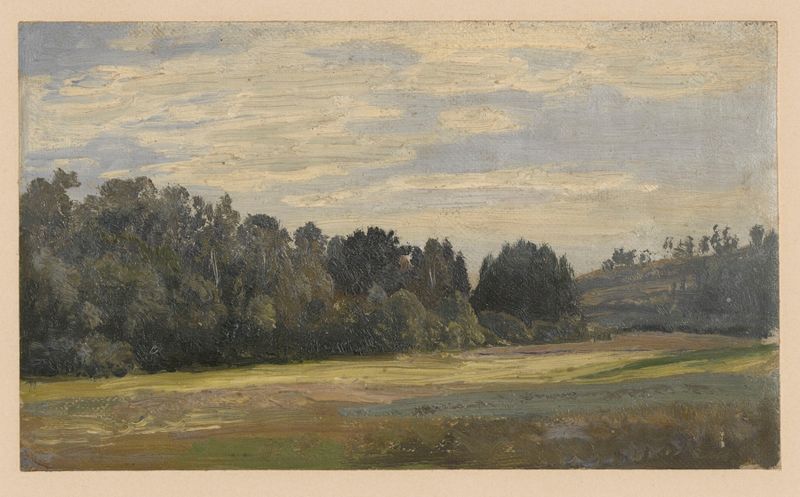
Landscape near Trzebnica
Adolf Dressler

The River Czyżynka valley near the Cisy Castle
Adolf Dressler
Forest stream II
Adolf Dressler
Landscape by the River Barycz.
Adolf Dressler

Rocky slope with a stream
Adolf Dressler





