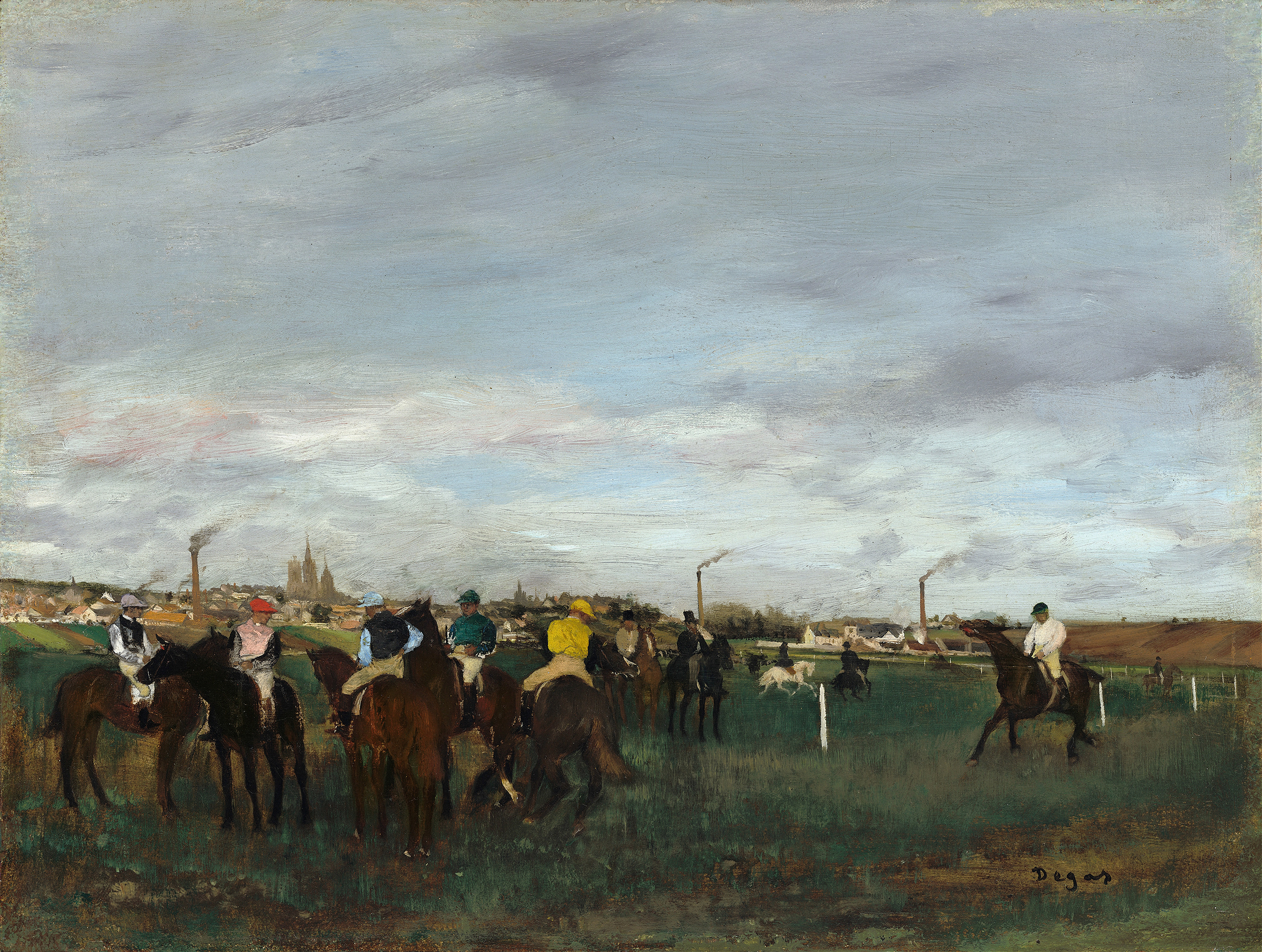
Discover insights about this artwork
Roebuck — History & Facts
In Roebuck, Gustave Courbet presents a striking depiction of a roebuck in a natural setting. The painting features rich, earthy tones, with the browns and greens creating a harmonious background. The roebuck stands alert, showcasing its graceful form and delicate features.
The attention to detail highlights the animal's fur and the surrounding foliage, immersing the viewer in a serene woodland environment. The painting is executed in oil on canvas, a medium that allows for depth and texture in the representation of the roebuck. Courbet's technique emphasizes realism, with careful brushwork that captures the nuances of light and shadow. The approximate dimensions of the work are 80 x 100 cm, making it a substantial piece that draws the viewer's attention.
The composition is balanced, with the roebuck positioned prominently against the backdrop of nature. Gustave Courbet was a leading figure in the Realism movement, known for his commitment to depicting everyday life and nature with authenticity. 'Roebuck' reflects his fascination with wildlife and the natural world, a theme prevalent in his oeuvre. An interesting fact about this work is that it showcases Courbet's ability to blend art with a keen observation of nature, making it a notable example of his dedication to realism.
This painting is currently housed in the Musee d'Orsay in France.
More Artworks by Gustave Courbet
Origin of the World
Gustave Courbet
Marine
Gustave Courbet
Waves
Gustave Courbet
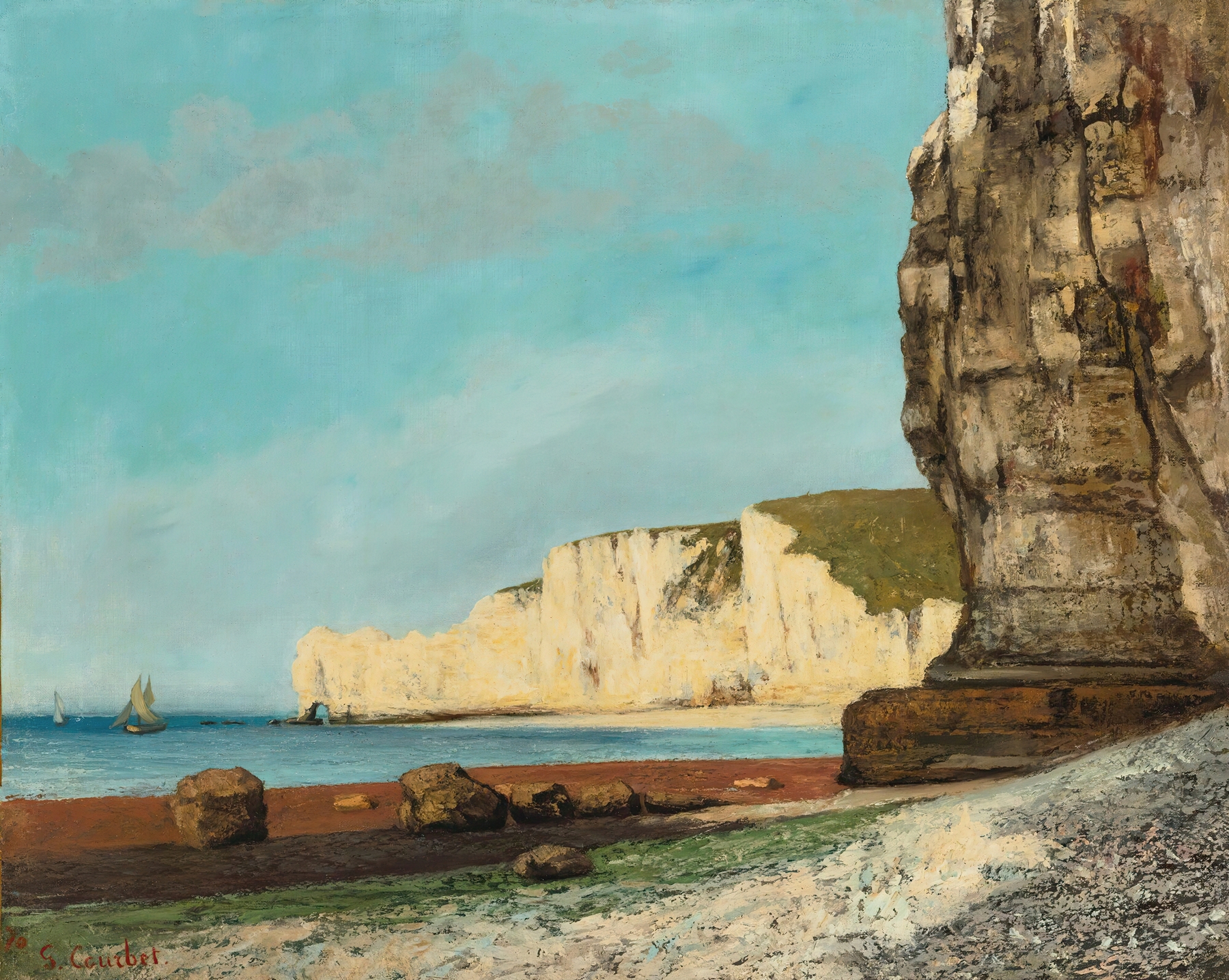
Étretat; Les Falaises
Gustave Courbet
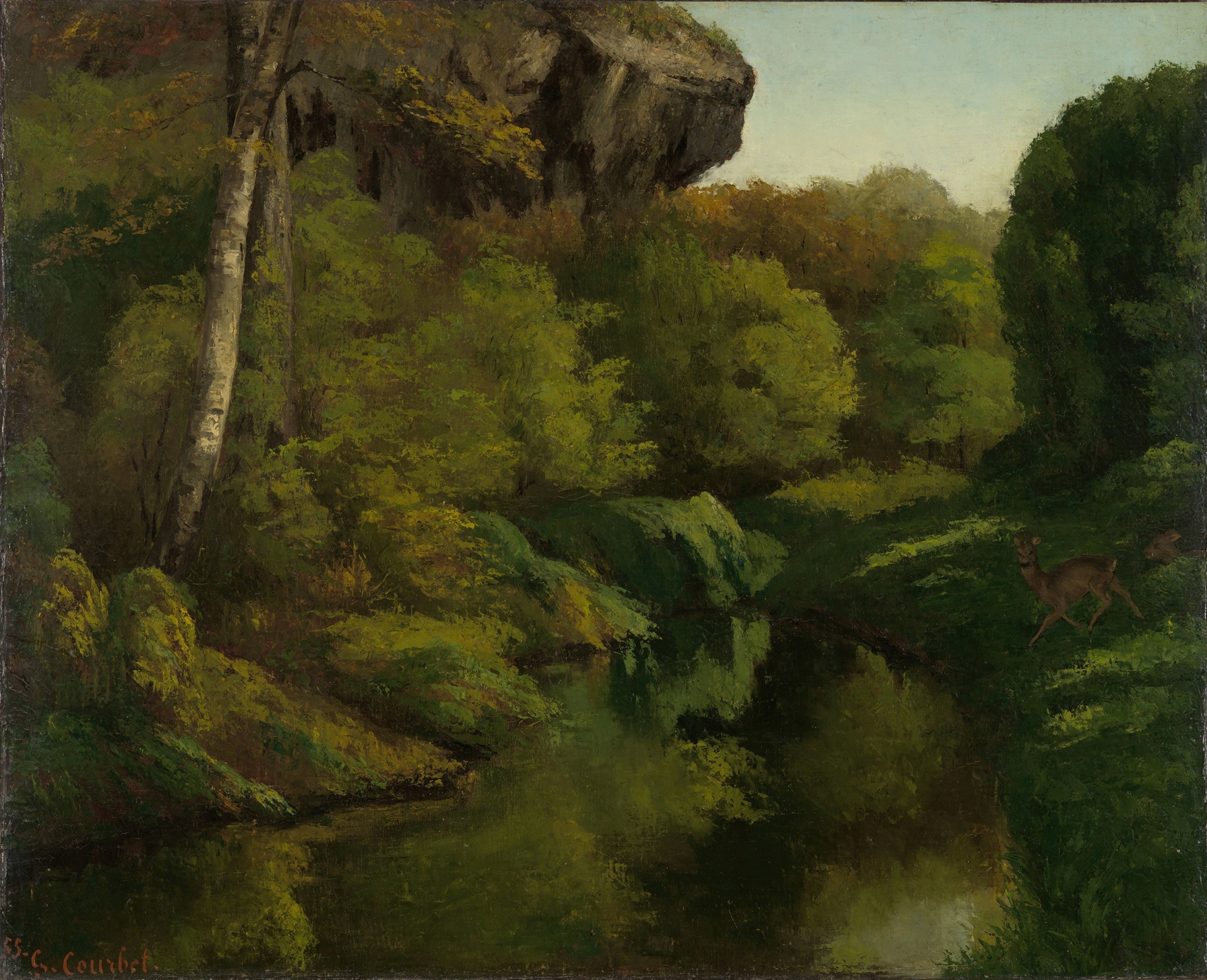
View in the Forest of Fontainebleau
Gustave Courbet
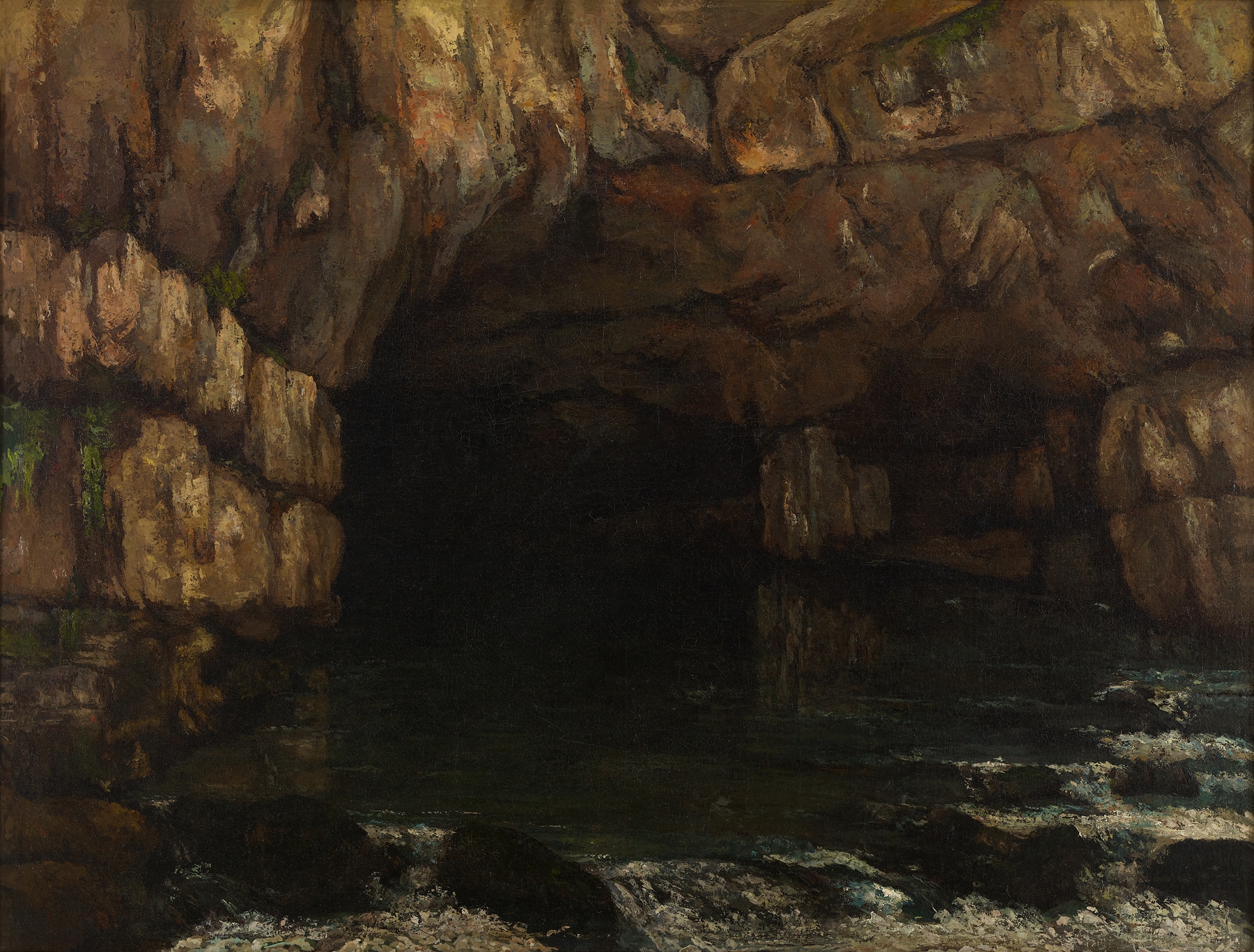
La source de la Loue (The Source of the Loue)
Gustave Courbet
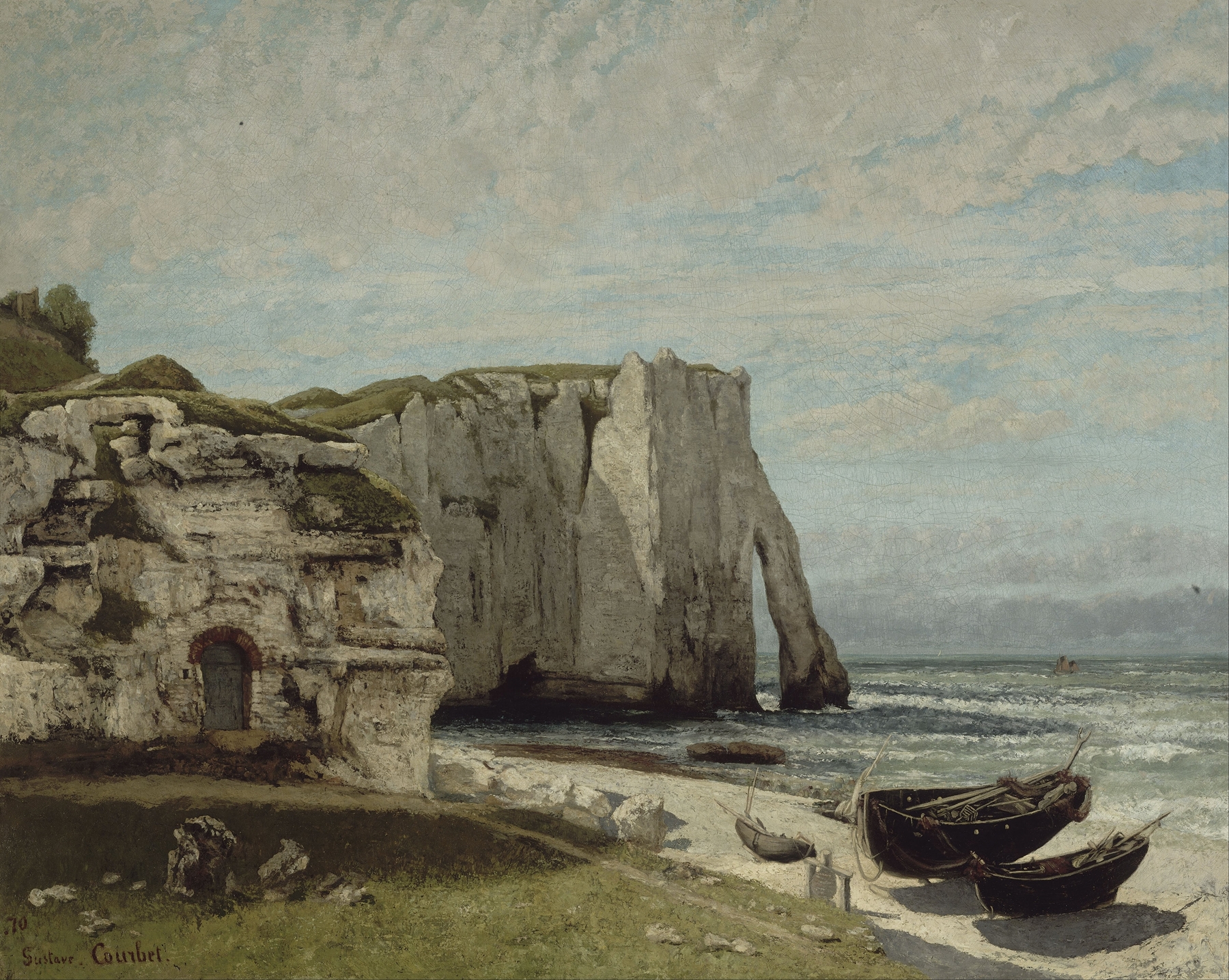
The Etretat Cliffs after the Storm
Gustave Courbet
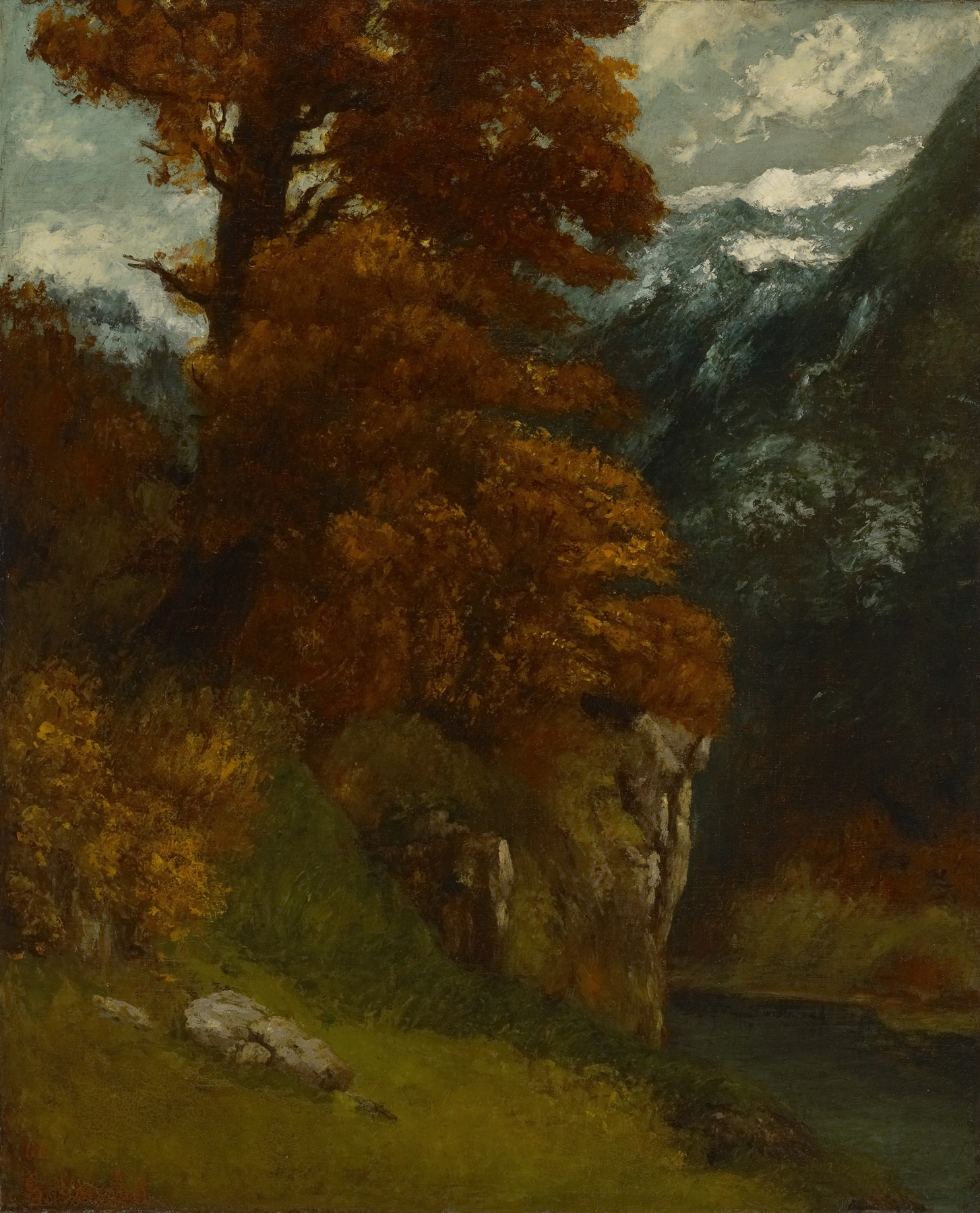
The Glen at Ornans (Bords du Doubs; Effet d’Automne)
Gustave Courbet
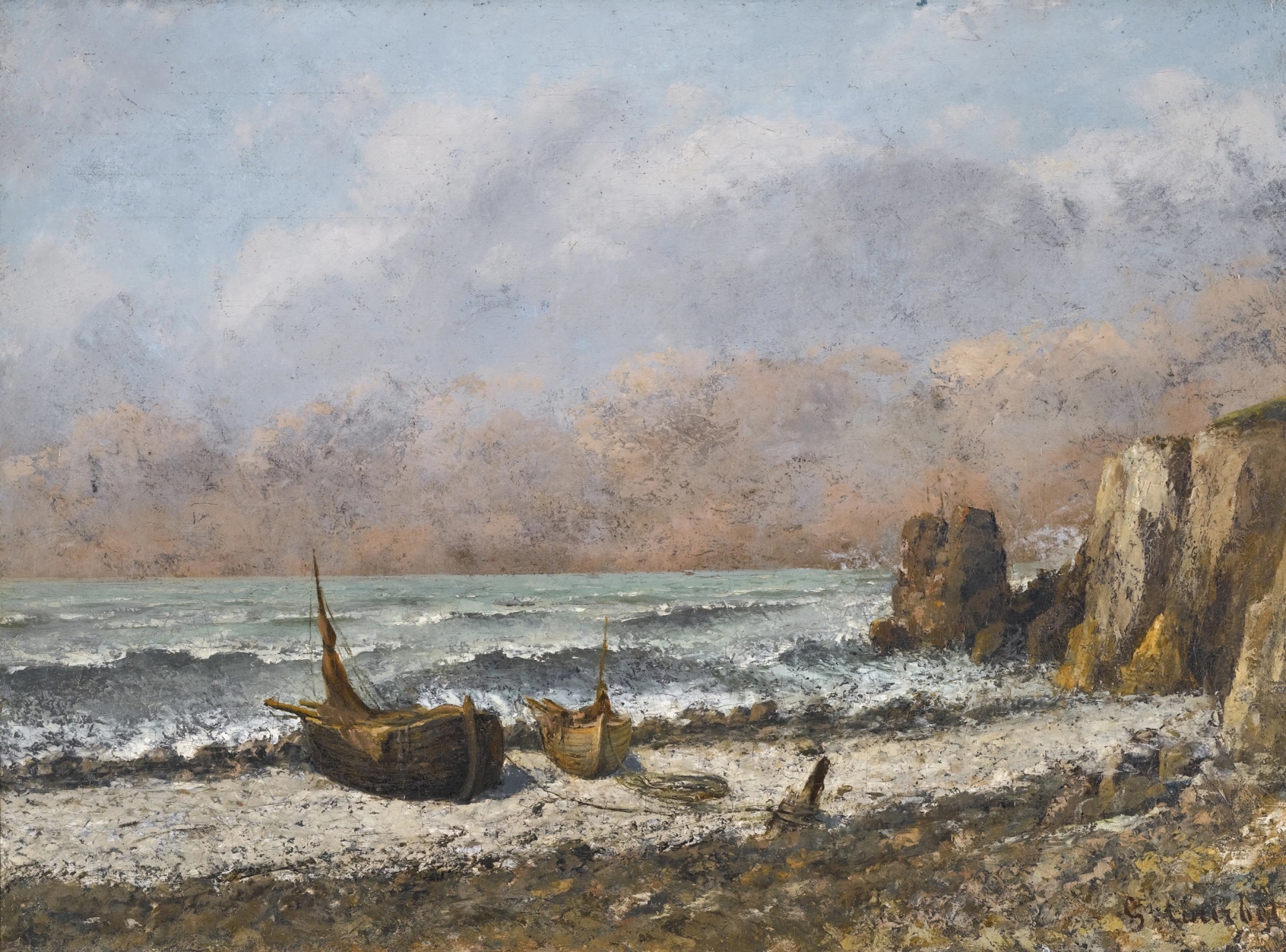
Deux bateaux sur la plage
Gustave Courbet
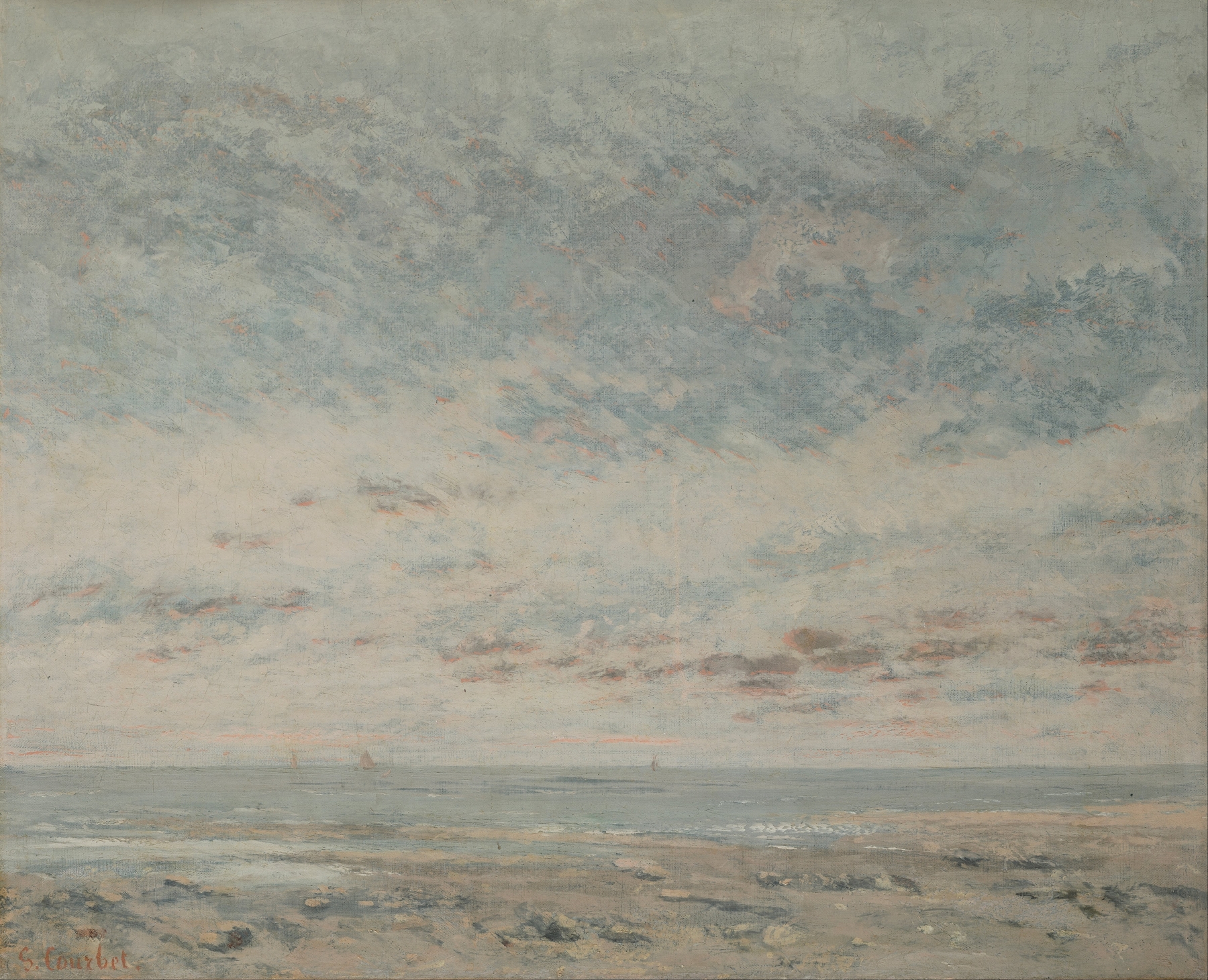
Low Tide at Trouville
Gustave Courbet