
Roiate — History & Facts
What if beauty was never meant to be finished? In the stillness of Edward Lear's Roiate, silence holds its breath, inviting viewers to linger in a moment that is both fleeting and eternal. Focus on the gentle curves of the landscape, where vibrant greens and soft blues coalesce to form a tranquil vista. Notice how the light caresses the edges of the hills, creating a serene interplay of shadow and illumination. The details are delicate, drawing the eye toward the horizon, where the sky melds with earth in a harmonious embrace.
The use of light and color reveals a landscape at peace, yet teeming with a subtle energy that evokes a dream-like quality. Within the composition, contrasts abound. The stillness of the scene juxtaposes the untamed beauty of nature, suggesting a dichotomy between calmness and wildness. The delicate strokes evoke both immediacy and distance, as if the viewer is suspended in time.
These elements convey a profound sense of introspection, prompting reflection on the role of nature in our lives — a reminder that perfection may lie in the unfinished. In 1841, Lear was navigating his dual passions for art and literature while traveling through the landscapes of Italy. This was a period marked by his exploration of the interplay between visual representation and poetic expression. His approach to Roiate captures a fleeting moment of beauty, reflective of his own longing for connection in an era where Romantic ideals were increasingly challenged.
More Artworks by Edward Lear
Browse all →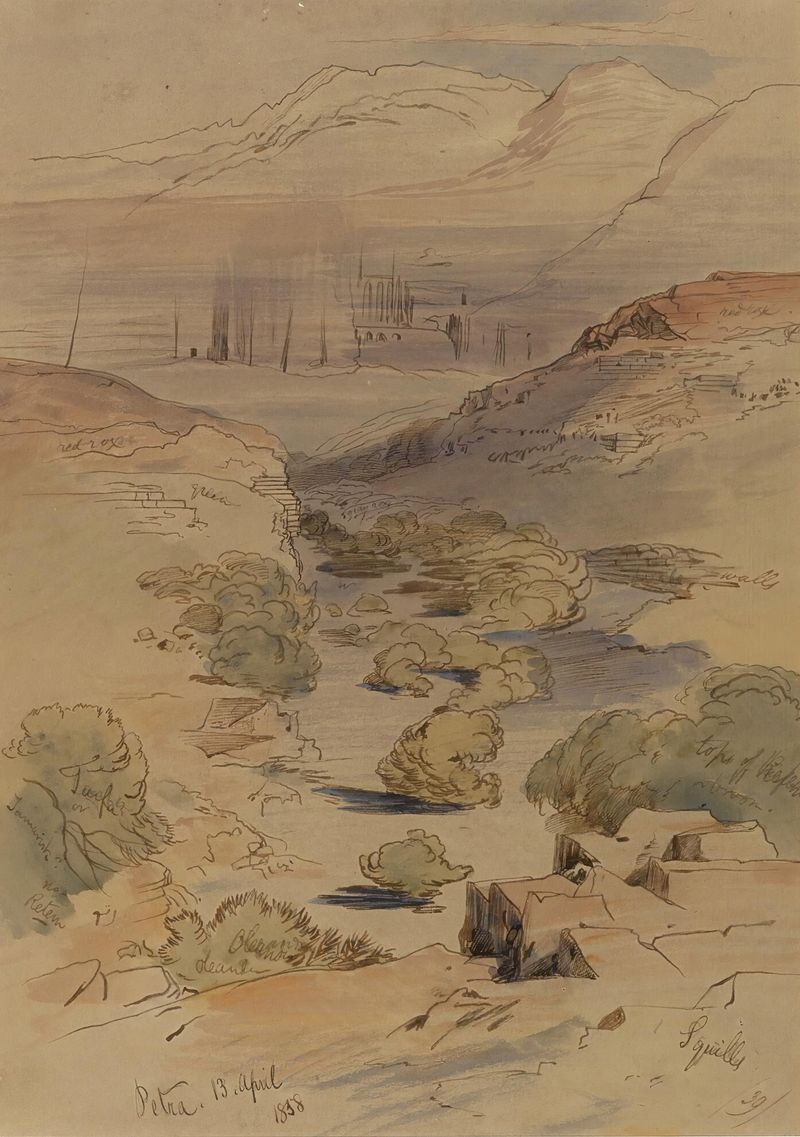
Petra
Edward Lear
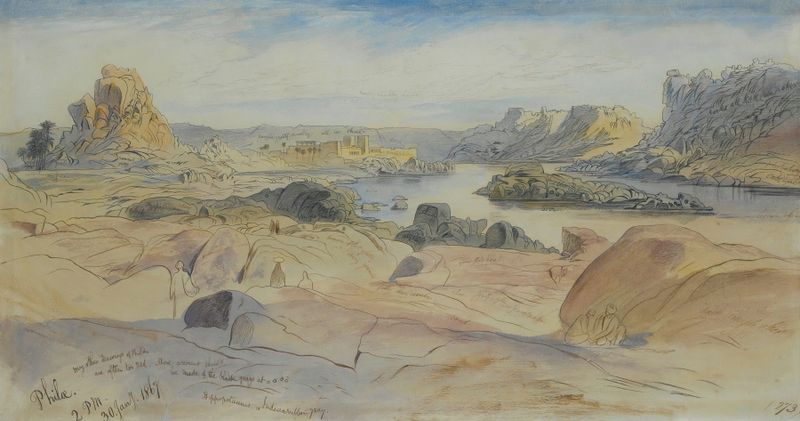
Philae, Egypt
Edward Lear
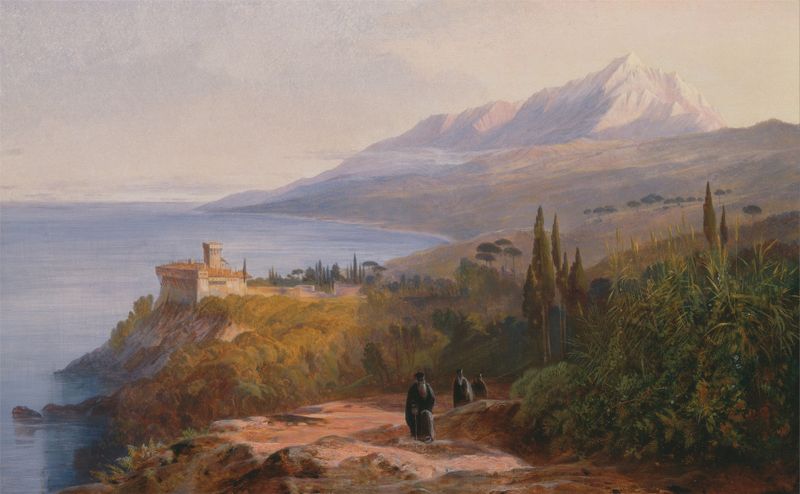
Mount Athos and the Monastery of Stavronikétes
Edward Lear
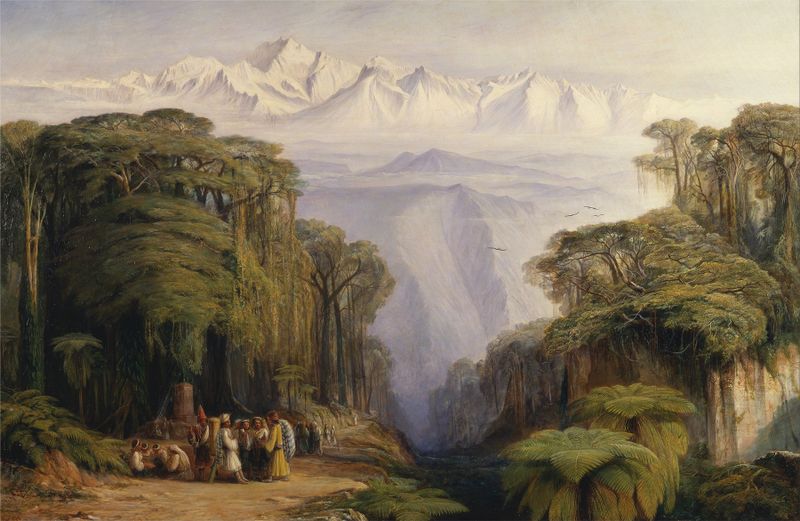
Kangchenjunga from Darjeeling
Edward Lear
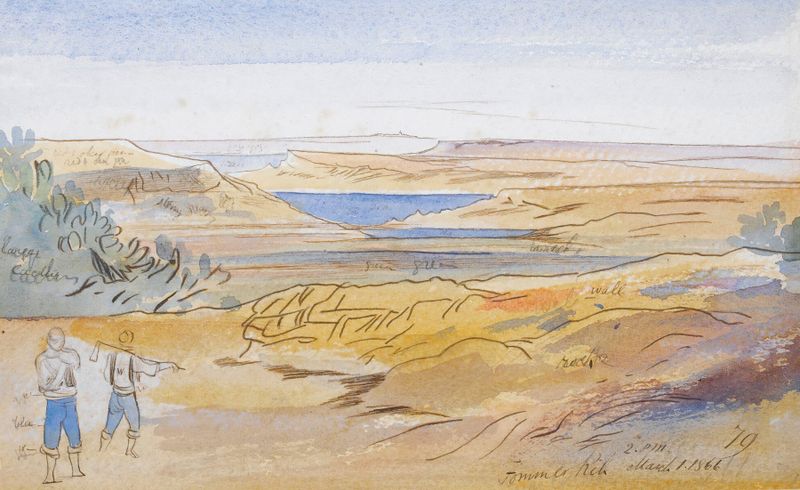
Fomm Ir-Rih, Malta
Edward Lear
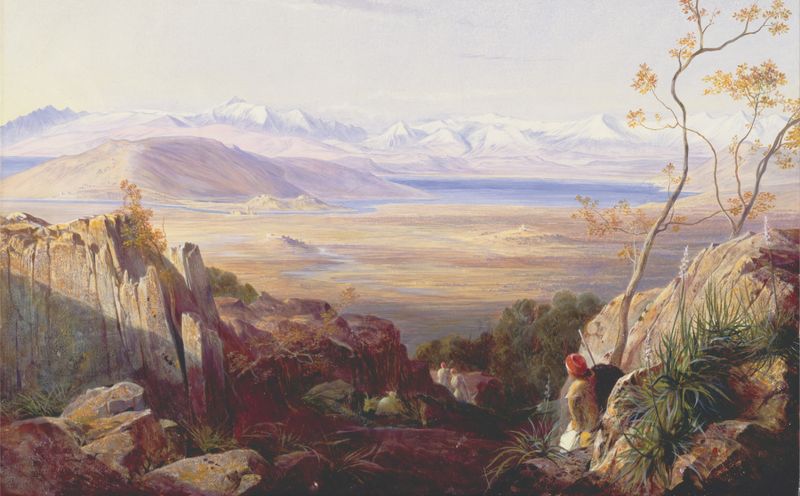
Butrinto, Albania
Edward Lear
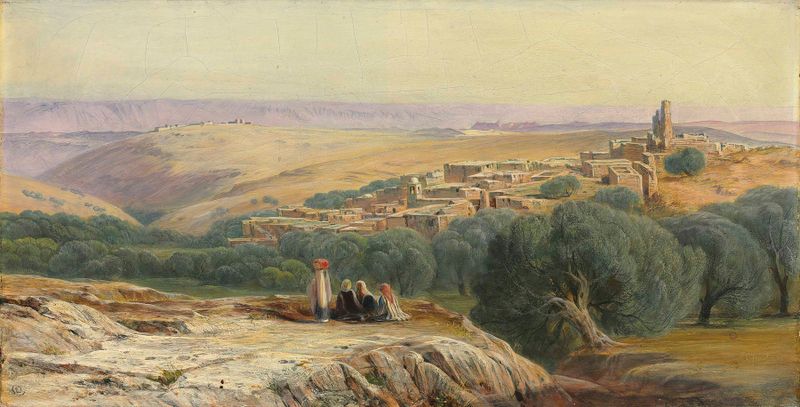
The Plains of Bethany
Edward Lear

Karnak, 9-30 pm, 22 January 1867
Edward Lear
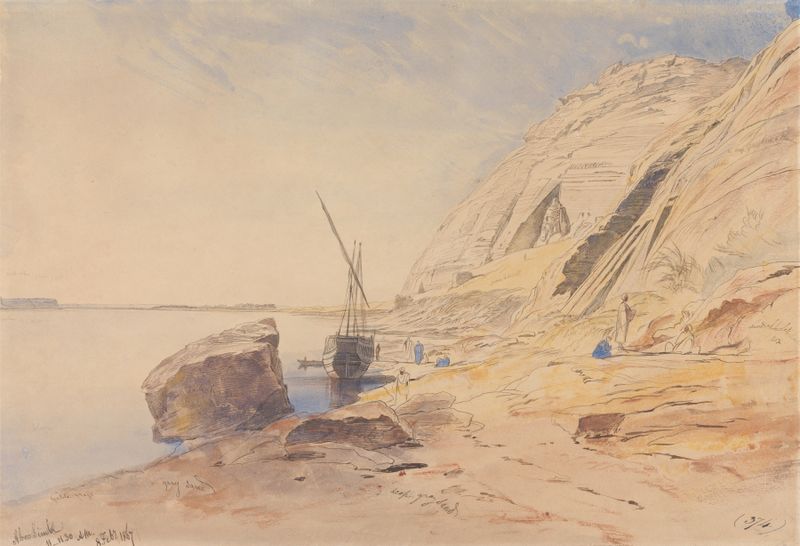
Abu Simbel, 11-11;30 am, 8 February 1867 (374)
Edward Lear

A View Of Mount Athos And The Pantokrator Monastery, Greece
Edward Lear





