
Rolls Chapel — History & Facts
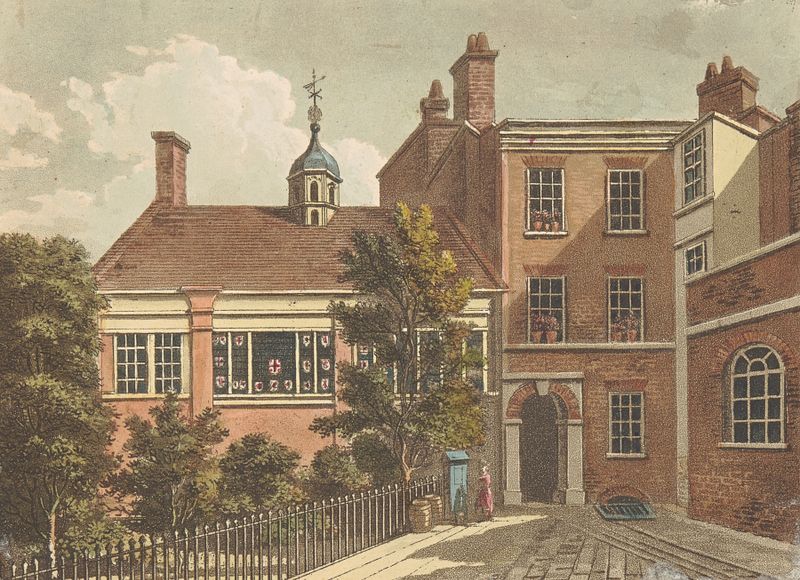
In the void of emptiness, what beauty can find a home? Focus on the serene architecture that rises from the canvas, defined by soft hues and delicate strokes. The chapel stands like a gentle whisper against an expansive, almost ethereal backdrop, inviting your gaze to trace its elegant lines. Notice how the gentle play of light dances across the façade, illuminating its intricacies while casting shadows that evoke a sense of solitude and introspection.
This portrayal is less of a bustling scene and more an invitation to ponder the quiet sanctity of space. Within this stillness lies a profound tension between the man-made structure and the vast emptiness surrounding it. The disciplined lines of the chapel contrast sharply with the amorphous, almost fluid background, suggesting the fragility of human constructs amid the inexorable passage of time. The absence of any figures heightens the emotional weight, calling into question whether solitude fosters peace or despair.
Each brushstroke encapsulates the duality of creation and abandonment, echoing the broader human experience of seeking meaning in desolation. Samuel Ireland painted this work in 1800, during a time when Romanticism was beginning to influence the art world. Residing in England, he was captivated by the interplay between architecture and nature, reflecting the era’s fascination with the sublime. As industrialization loomed on the horizon, this piece serves as a poignant reminder of the delicate balance between progress and the quietude that can be found in stillness.
More Artworks by Samuel Ireland
Browse all →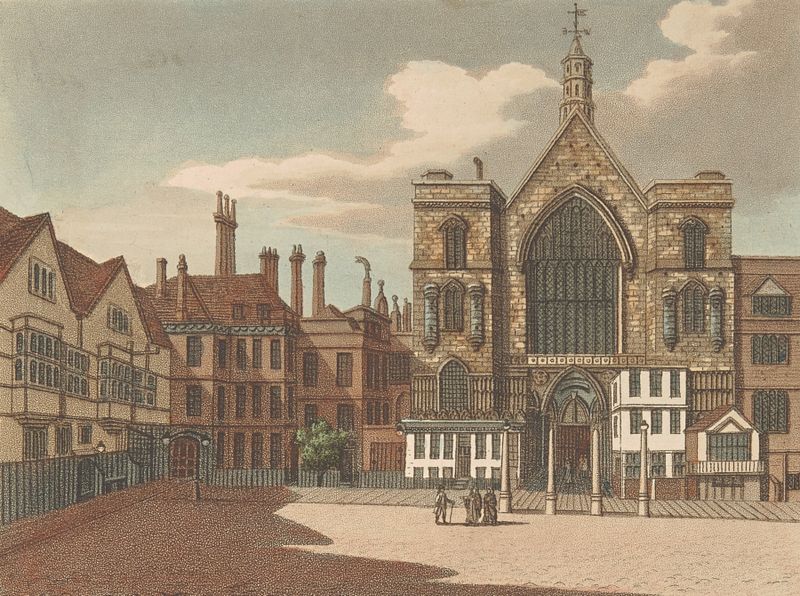
Westminster Hall
Samuel Ireland

Southwest View of Middle Temple
Samuel Ireland
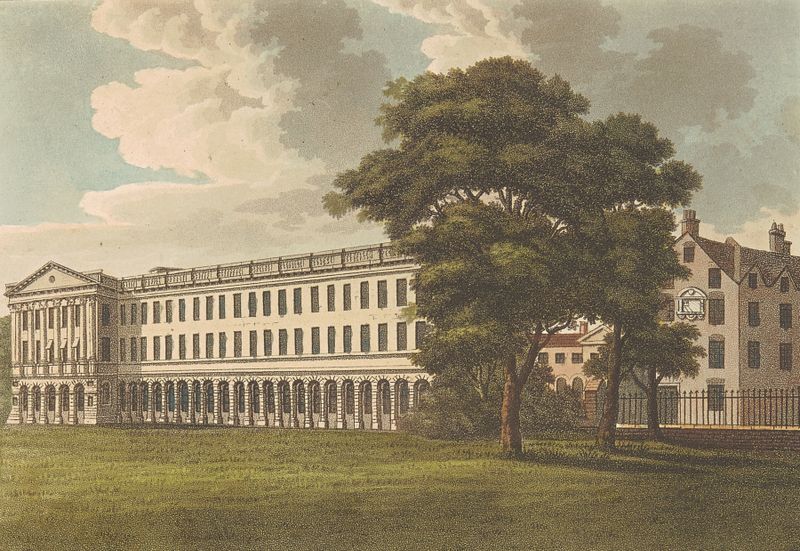
Stone Buildings, Lincoln’s Inn
Samuel Ireland
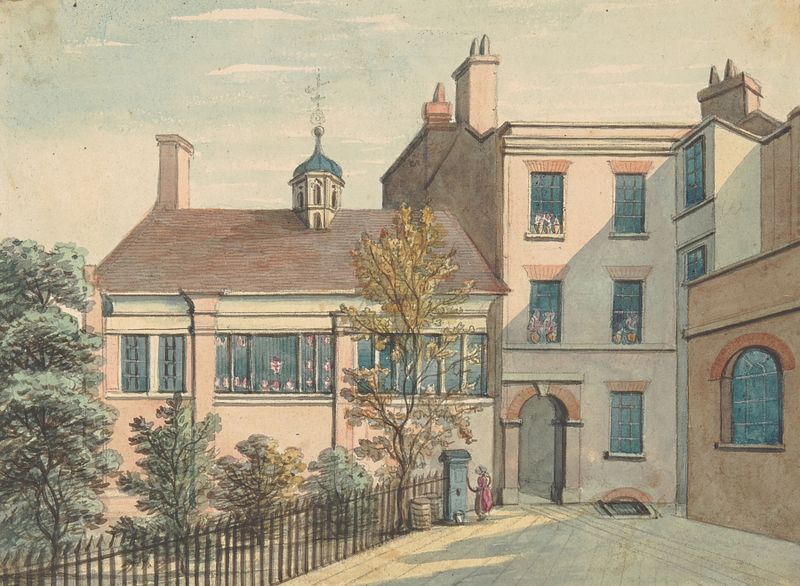
Barnard’s Inn
Samuel Ireland

Lincoln’s Inn Hall and Chapel
Samuel Ireland

Lion’s Inn
Samuel Ireland
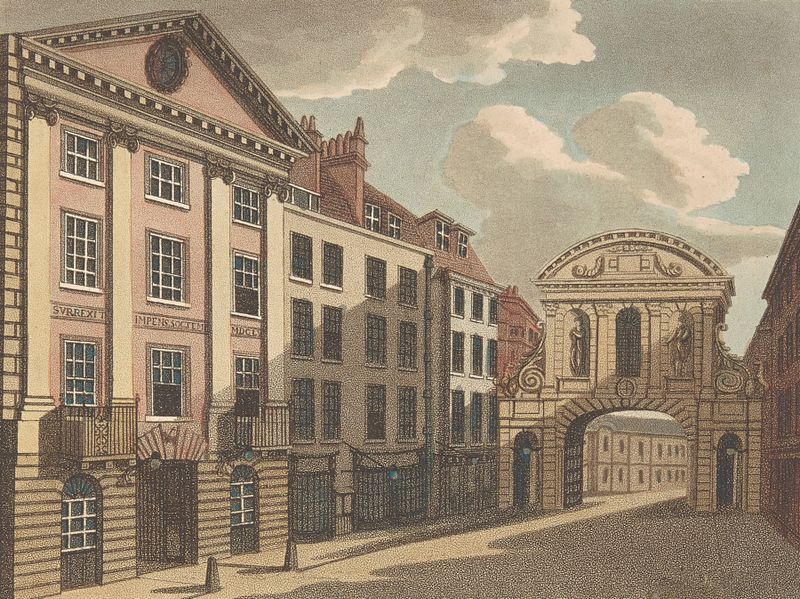
Middle Temple Gate
Samuel Ireland
Barnard’s Inn
Samuel Ireland

Westminster Hall
Samuel Ireland
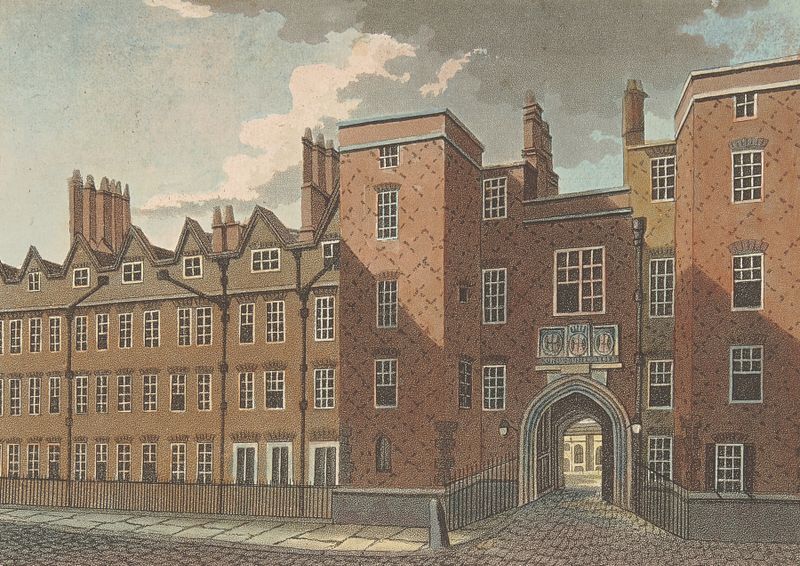
Lincoln’s Inn Gate
Samuel Ireland
More Architecture Art
Browse all →
The statue of Liberty
Frédéric Auguste Bartholdi

View of Houses in Delft, Known as ‘The Little Street’
Johannes Vermeer

View of Houses in Delft, Known as ‘The Little Street’
Johannes Vermeer

The Cathedral in Rouen. The portal, Grey Weather
Claude Monet

The yellow house
Vincent van Gogh

The Church in Auvers-sur-Oise, View from the Chevet
Vincent van Gogh