
Roman Statue of a Muse (Anchyrrhoe) — History & Facts
In Roman Statue of a Muse (Anchyrrhoe), the viewer is greeted by a striking representation of the muse Anchyrrhoe. The painting features a harmonious blend of soft colors, primarily whites and blues, which evoke a sense of calm. Anchyrrhoe is depicted in a graceful pose, surrounded by elements that suggest her divine nature.
The background is subtly detailed, enhancing the focus on the muse herself. The painting is executed in oil on canvas, a common medium for Jacques Louis David, allowing for rich color and texture. The dimensions are approximately 100 x 150 cm, making it a sizable work that commands attention. The artist's technique showcases his neoclassical style, characterized by clarity and order.
The careful rendering of Anchyrrhoe's features reflects David's skill in portraying human emotion and beauty. Jacques Louis David was a leading figure in the Neoclassical movement, known for his historical and mythological subjects. This work, depicting the muse Anchyrrhoe, highlights David's interest in classical themes and figures. An interesting fact about this painting is that it was created during a time when David was deeply influenced by the ideals of the French Revolution, which sought to revive classical virtues.
The choice of a muse reflects the era's fascination with art and inspiration.
More Artworks by Jacques Louis David
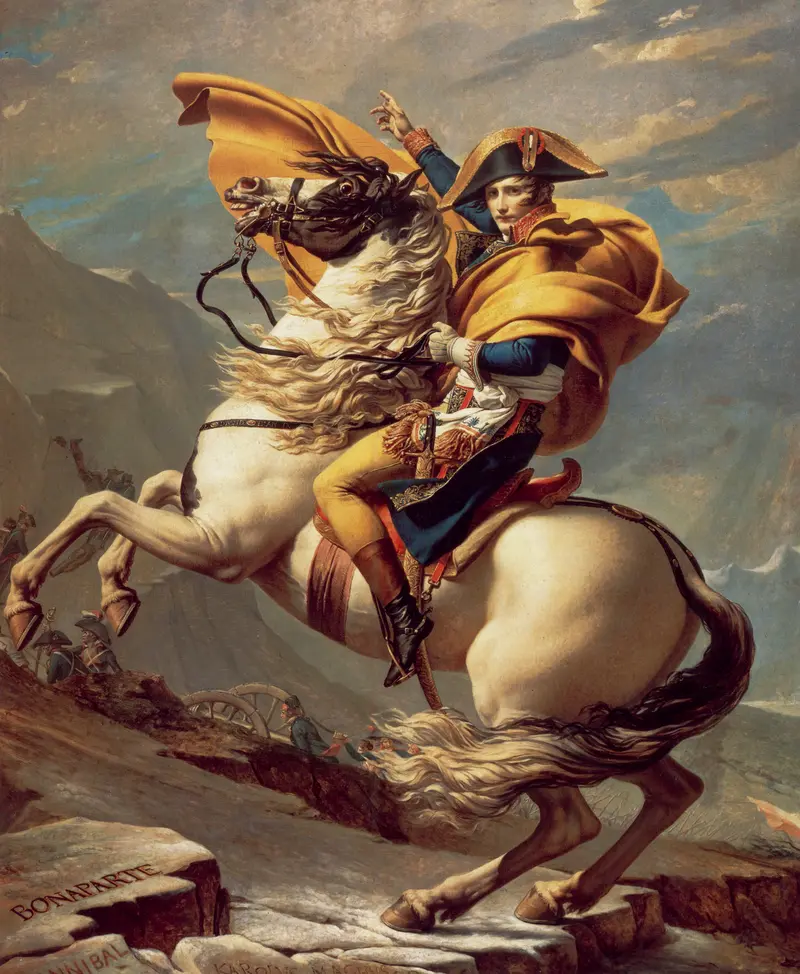
Napoleon Crossing the Alps
Jacques Louis David
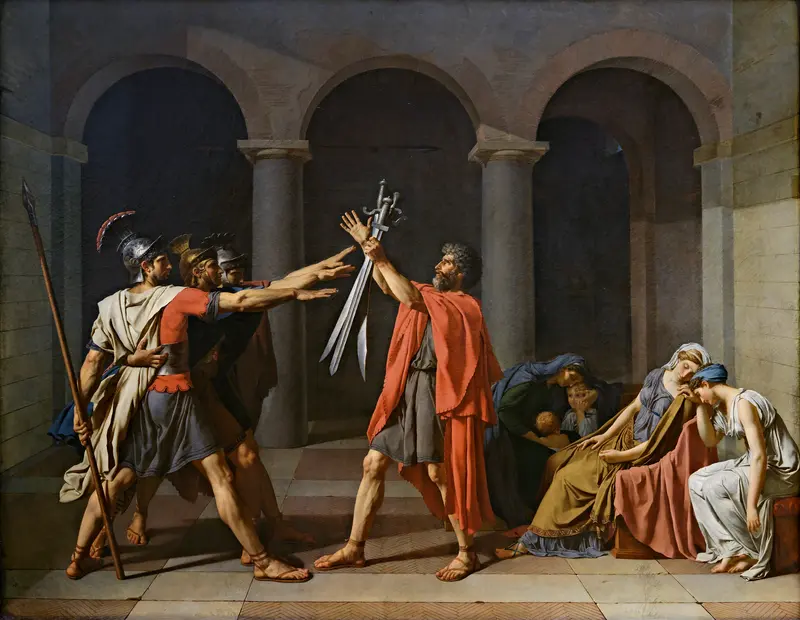
Oath Of The Horatii
Jacques Louis David
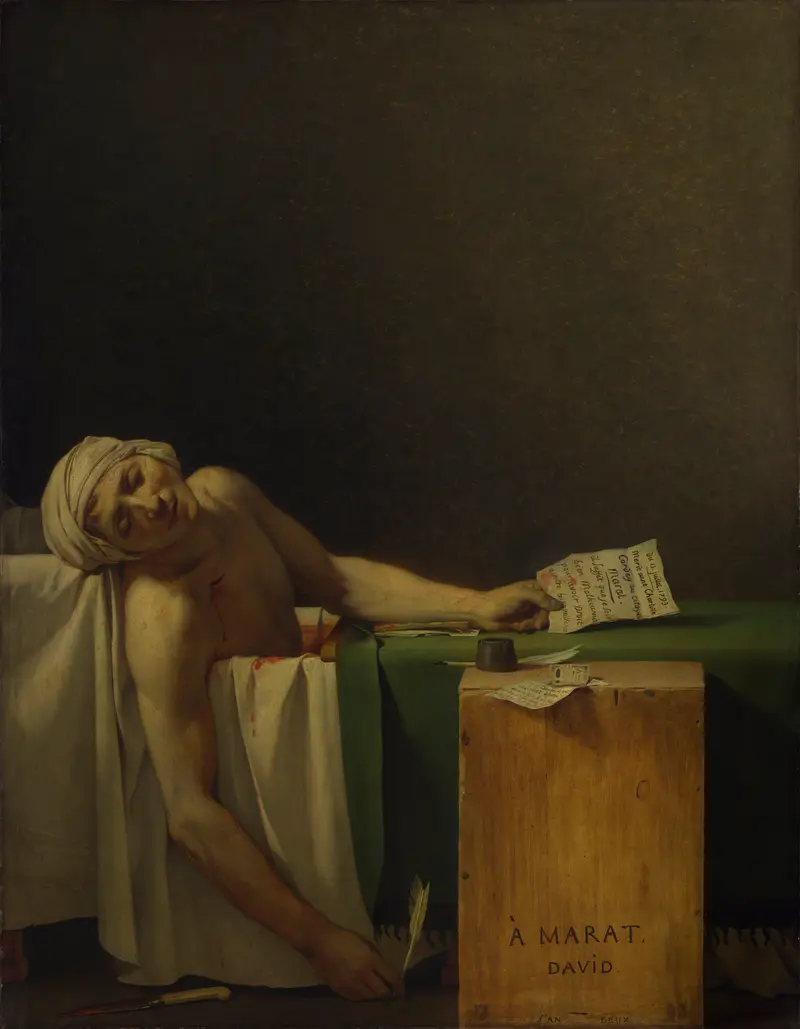
The Death of Marat
Jacques Louis David
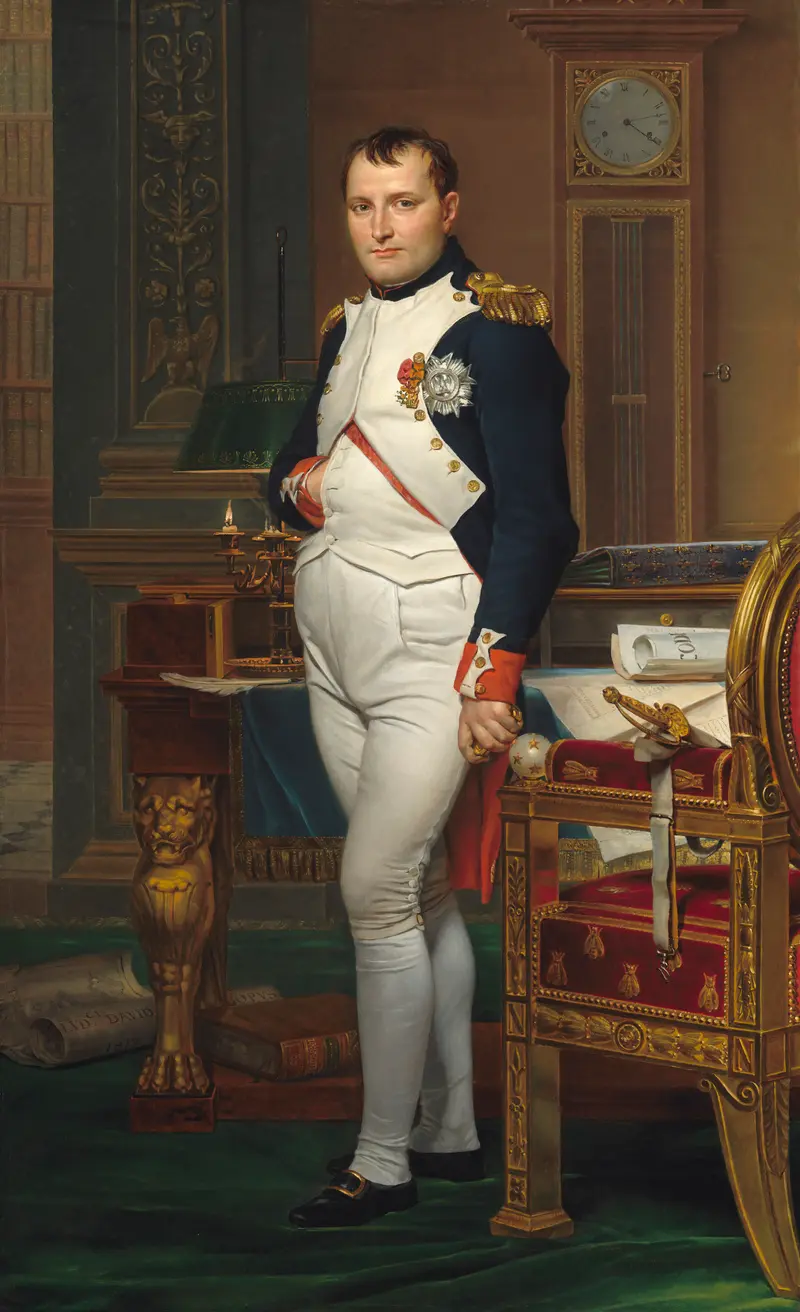
The Emperor Napoleon in His Study at the Tuileries
Jacques Louis David
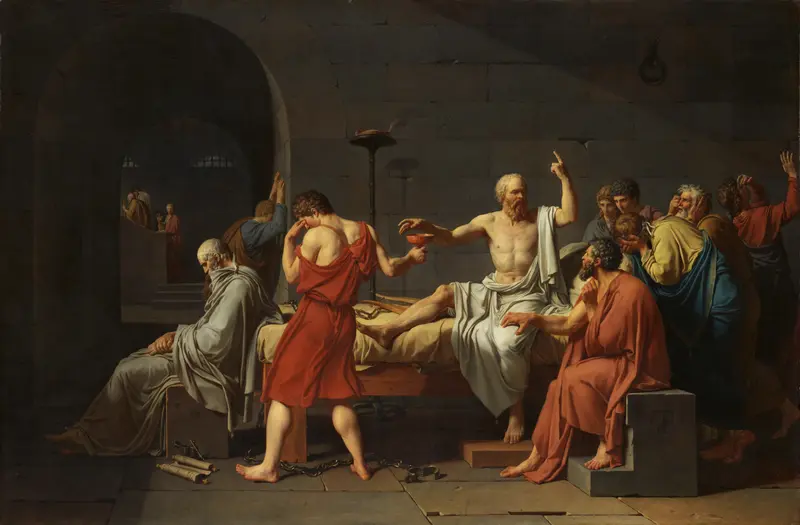
The Death of Socrates
Jacques Louis David
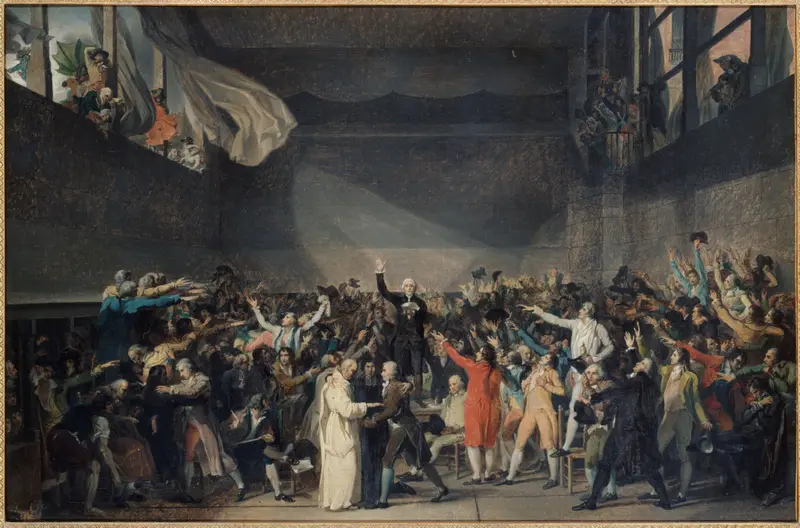
Serment Du Jeu De Paume, Le 20 Juin
Jacques Louis David
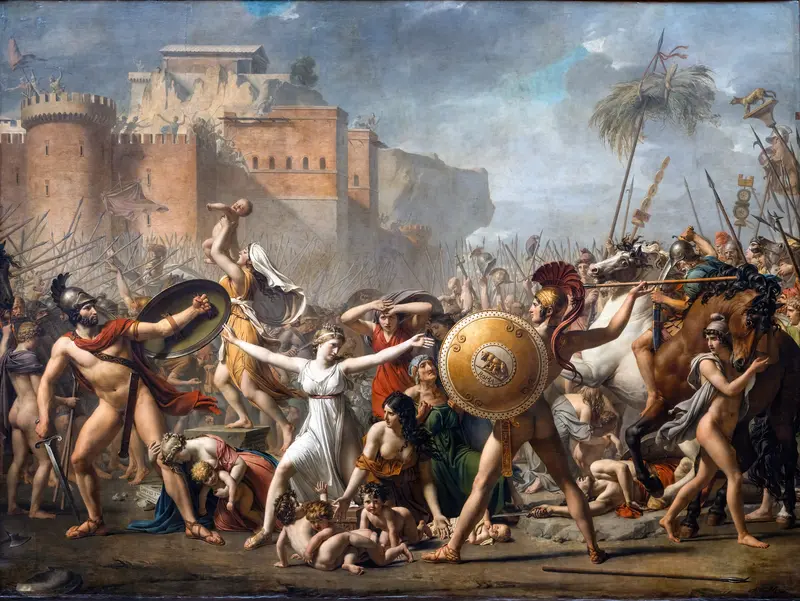
The Intervention Of The Sabine Women
Jacques Louis David
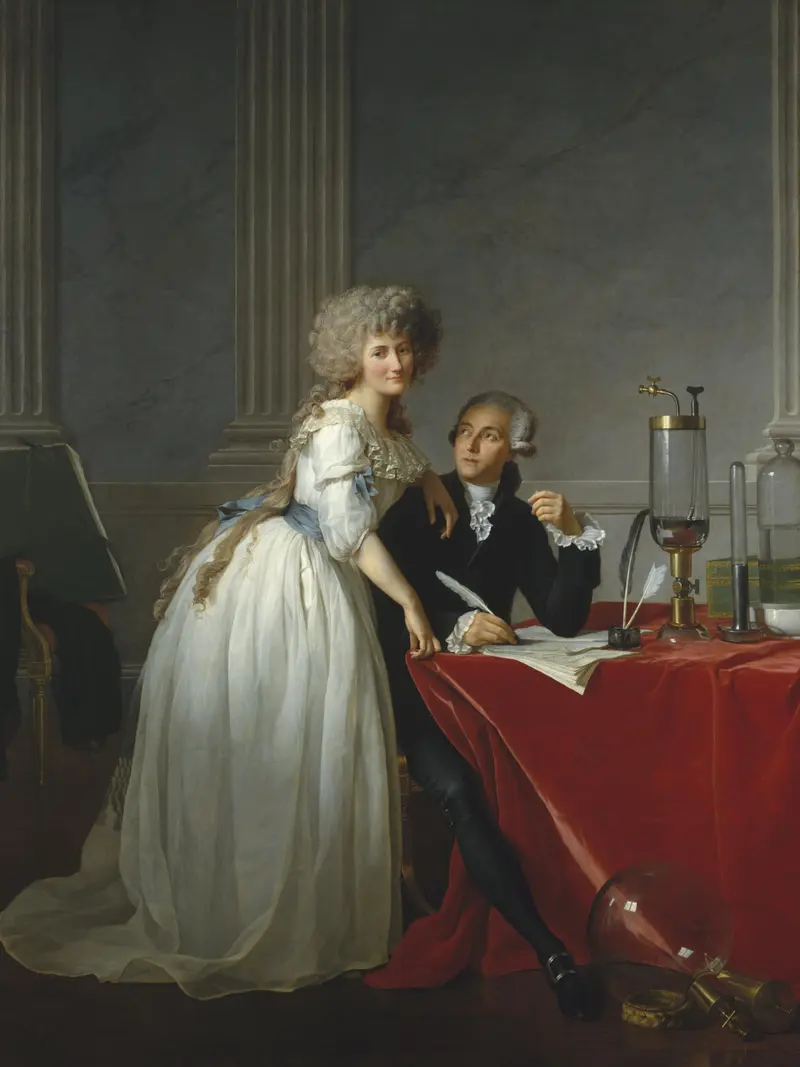
Antoine Laurent Lavoisier (1743–1794) and Marie Anne Lavoisier (Marie Anne Pierrette Paulze, 1758–1836)
Jacques Louis David
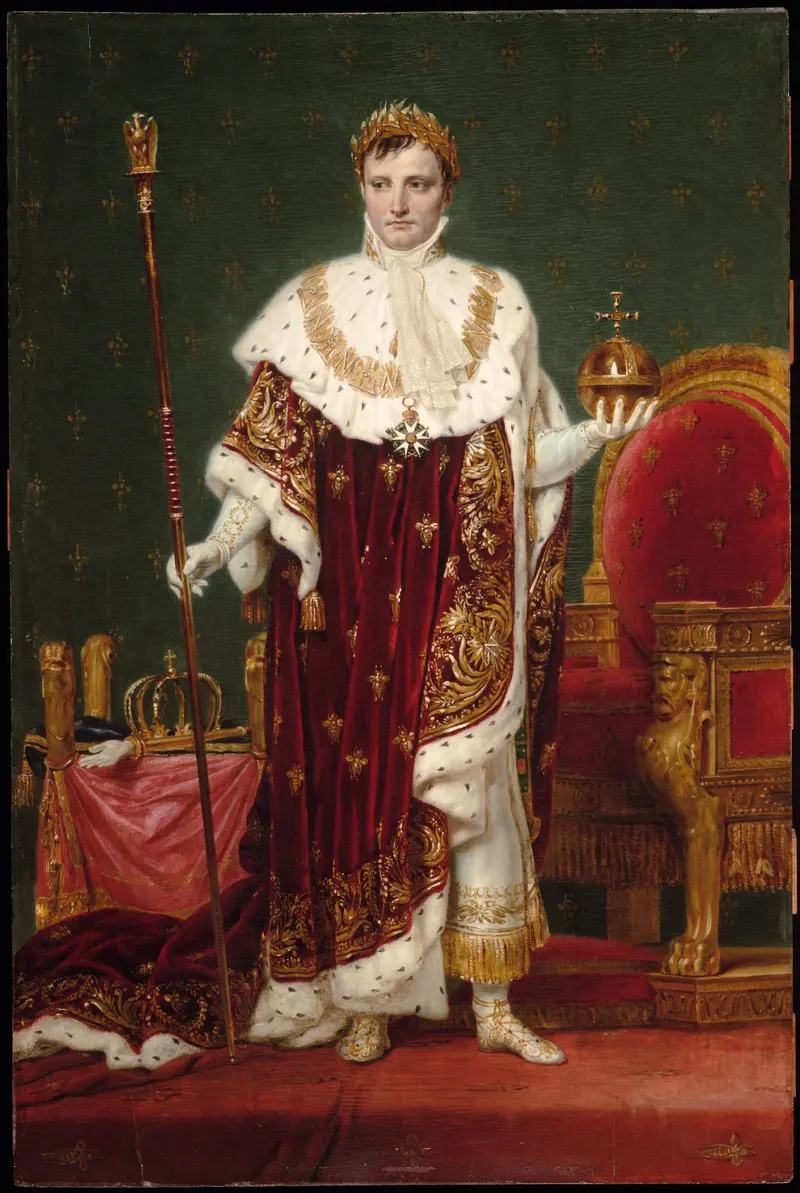
Emperor Napoleon I (1769-1821)
Jacques Louis David
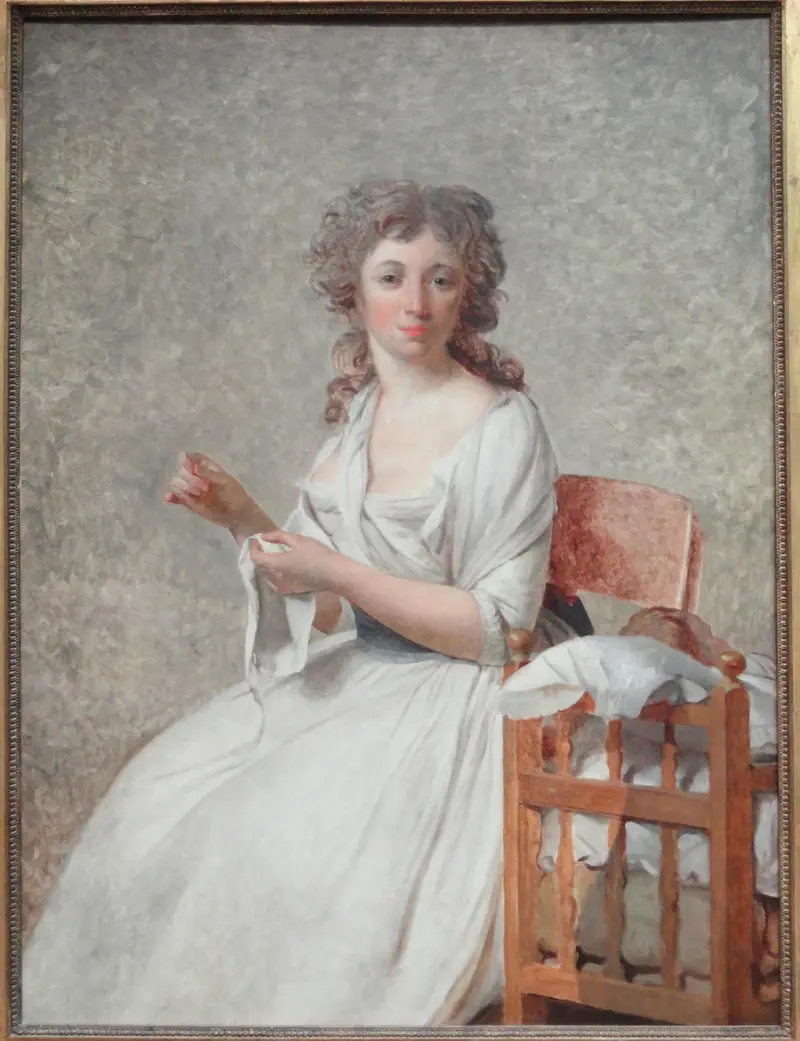
Madame de Pastoret and Her Son
Jacques Louis David





