Roman wine tavern — History & Facts
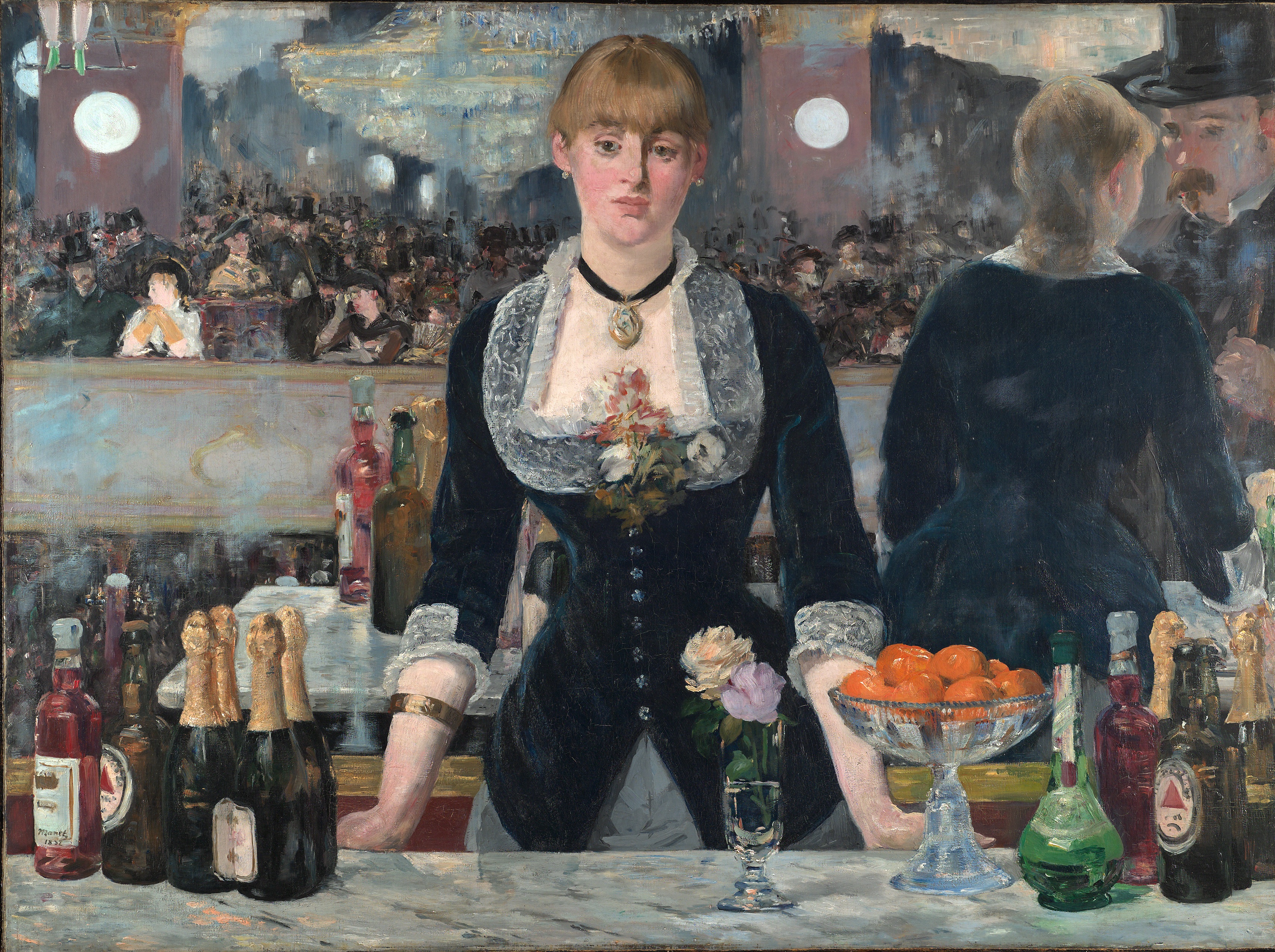
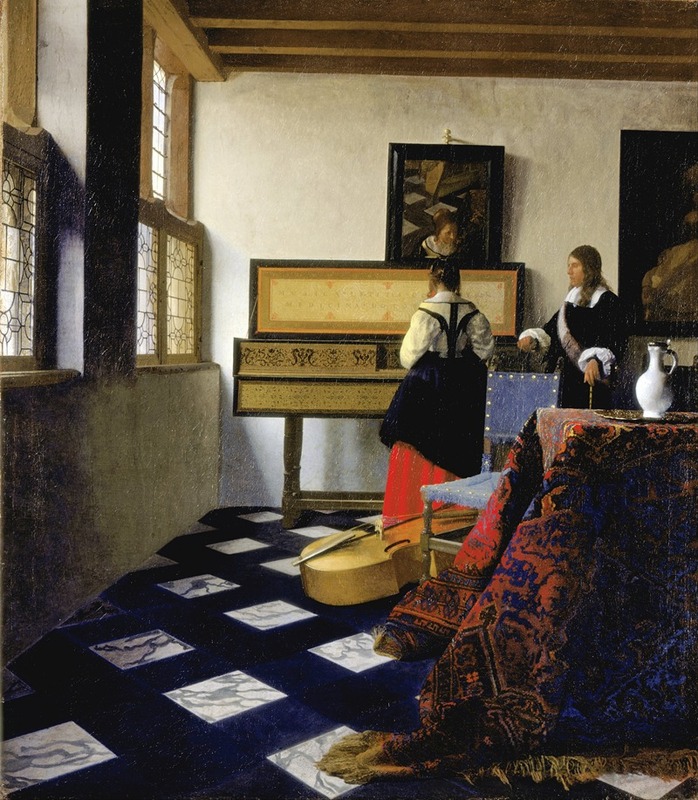
Could a single brushstroke hold eternity? In Arnold Böcklin's Roman wine tavern, each stroke seems to contain echoes of destiny, beckoning viewers to ponder the quiet intersections of life and fate. Look to the left at the arched doorway, where vibrant hues of amber and deep olive create an inviting warmth. The soft glow from the tavern spills into the dimly lit street, illuminating the figures within. Notice how the light catches the glistening goblets, hinting at both celebration and the transient nature of pleasure.
The composition balances the bustling energy of the patrons with the serene stillness of the surrounding architecture, drawing us closer to the heart of this moment. Delve deeper into the expressions of the tavern-goers, each face a study in contrast—some embodying joy, while others suggest a lingering melancholy. The juxtaposition of their revelry against the solemn backdrop of ancient stone whispers of life's fleeting joys and inevitable sorrows. This interplay invites contemplation of how destiny threads through both laughter and silence, echoing in the shared experience of humanity. Created between 1867 and 1868, this work emerged during a transformative period for Böcklin.
He was navigating personal challenges while his artistic voice sought to blend myth, nature, and reality. The burgeoning Symbolist movement was taking shape, and within this context, Böcklin infused his vision with depth, exploring themes that would resonate through the ages, as seen in this captivating scene.
More Artworks by Arnold Böcklin
Browse all →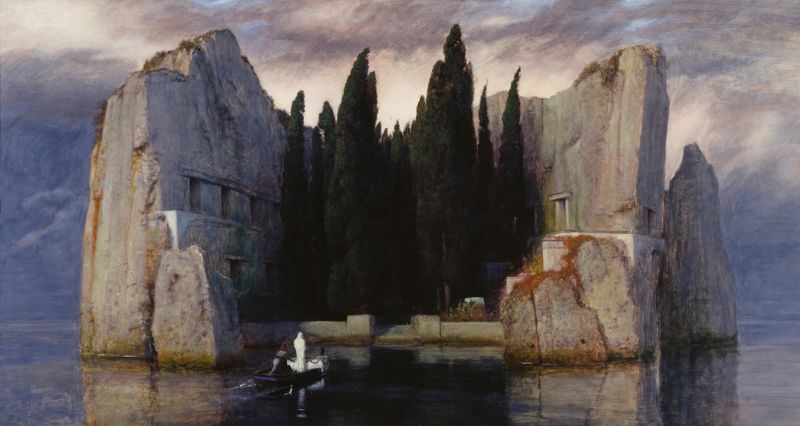
Die Toteninsel III
Arnold Böcklin
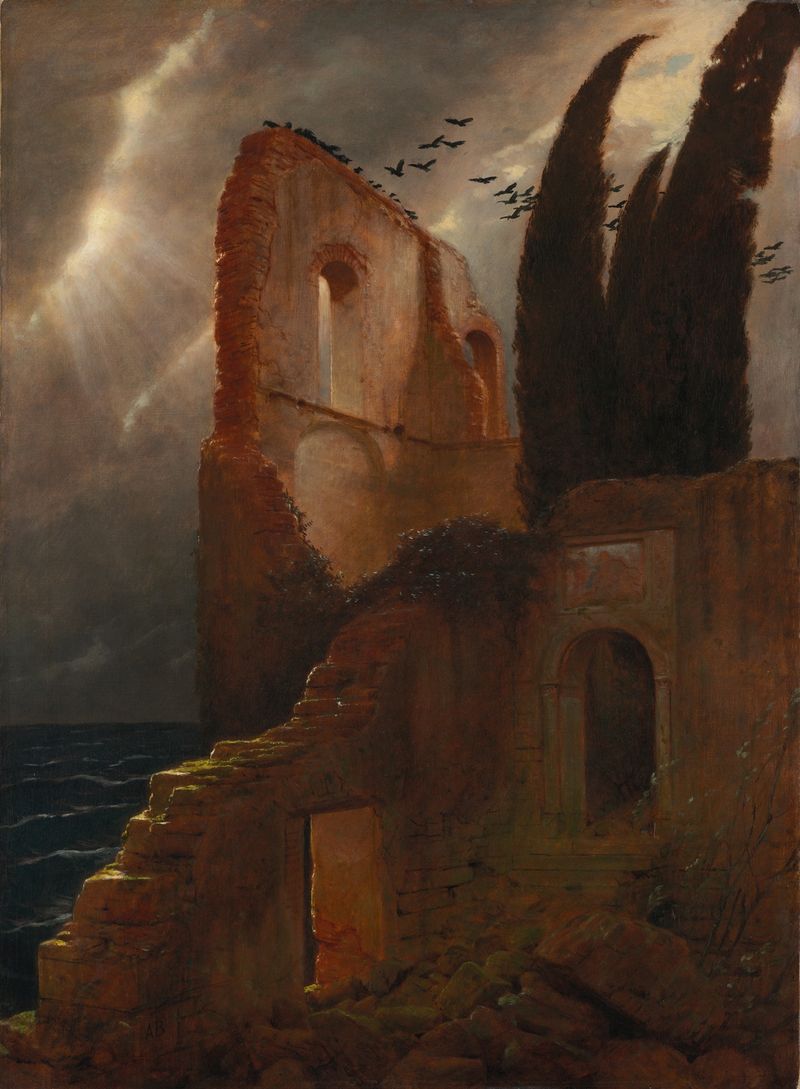
Ruin by the Sea
Arnold Böcklin
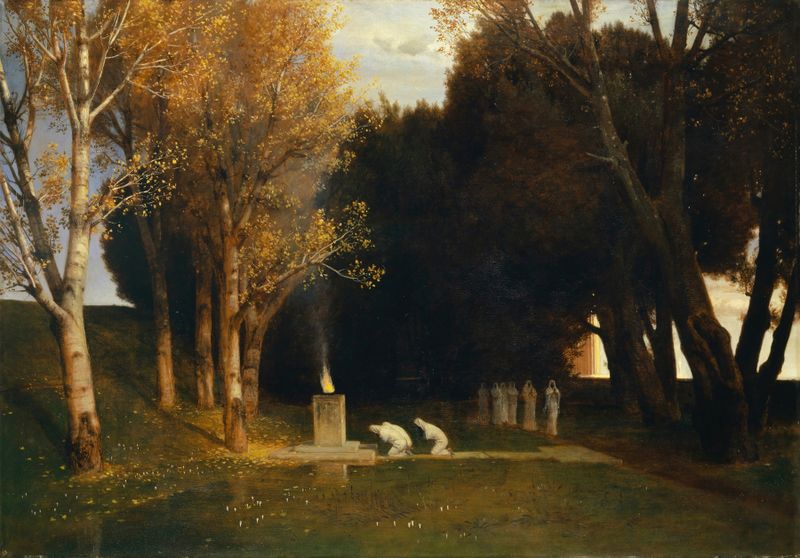
The Sacred Grove
Arnold Böcklin
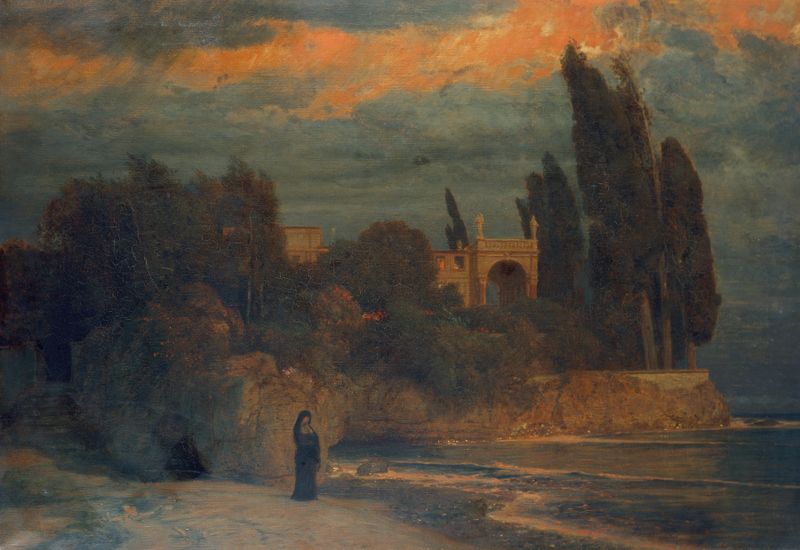
Villa by the Sea
Arnold Böcklin
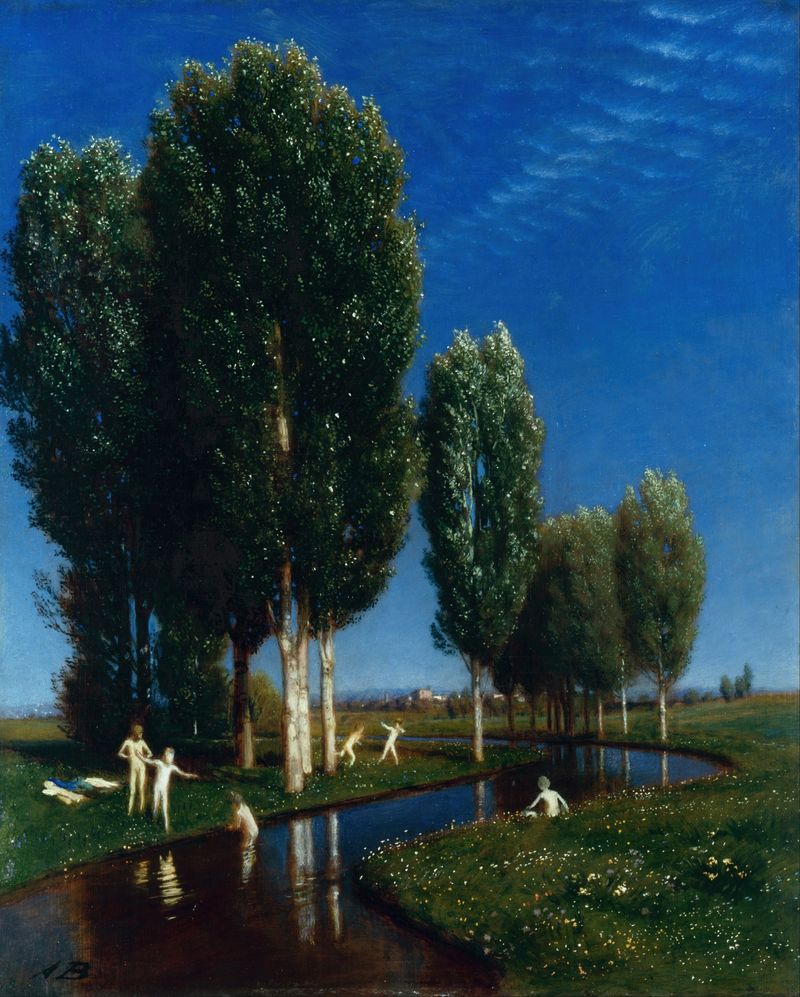
Summer Day
Arnold Böcklin
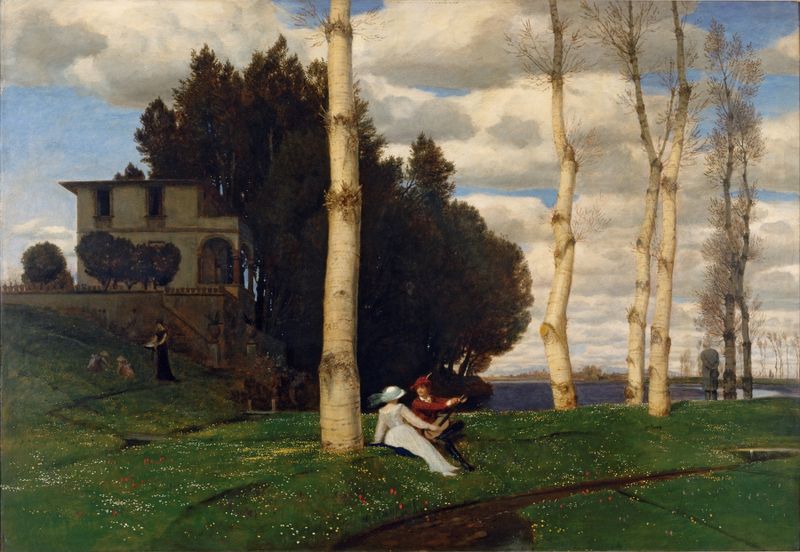
Spring Day (The Three Life Ages)
Arnold Böcklin
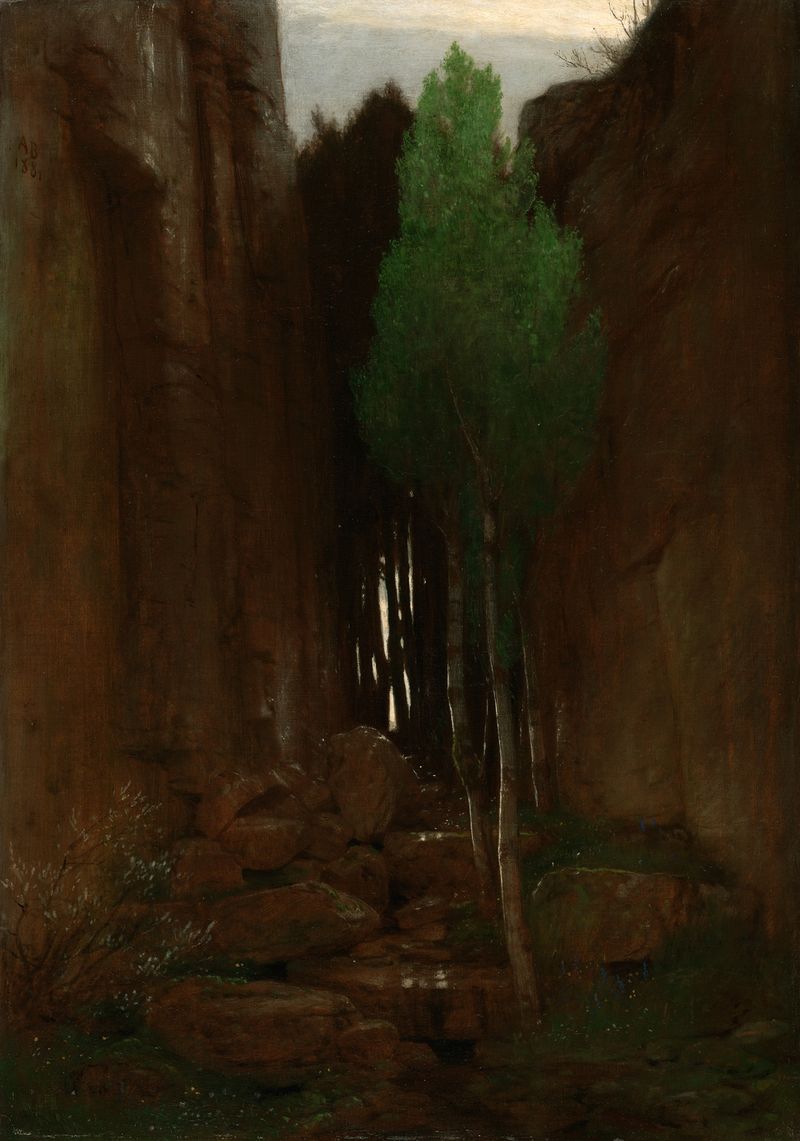
Spring in a Narrow Gorge (Quell in einer Felsschluct)
Arnold Böcklin
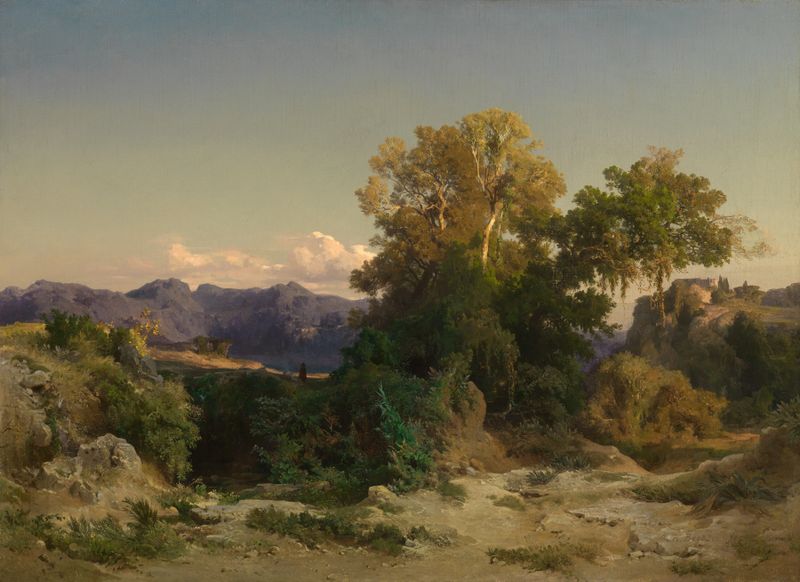
Landscape in the Roman Campagna
Arnold Böcklin
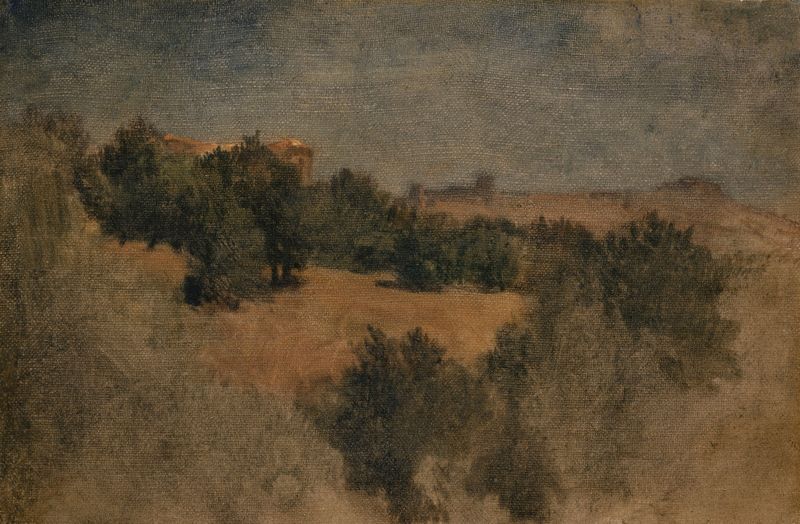
Landscape near Palestrina
Arnold Böcklin
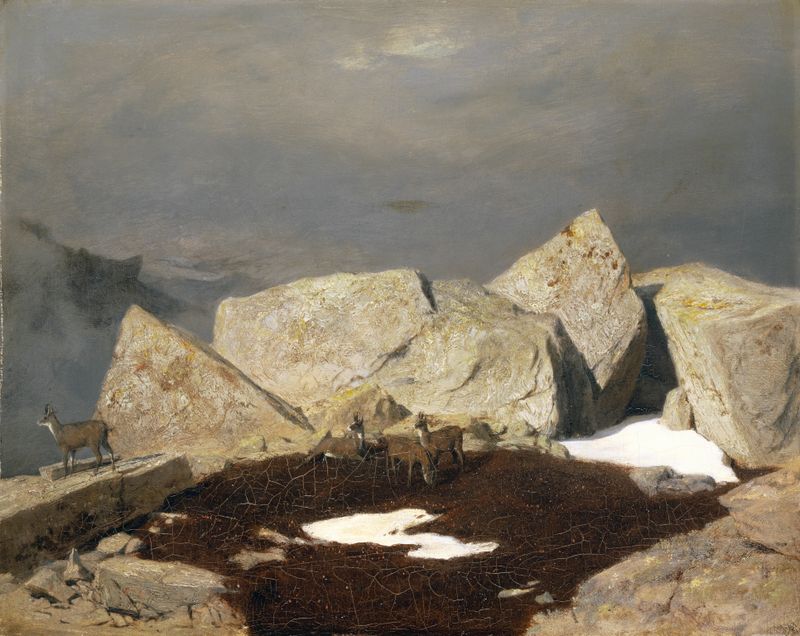
High Mountain Landscape With Chamois
Arnold Böcklin