
Rots en stad Scilla in de regio Calabrië aan de westkust — History & Facts
Can paint confess what words never could? In Rots en stad Scilla in de regio Calabrië aan de westkust, chaos and beauty intertwine, revealing the complexities of the human experience set against nature's wild backdrop. Look to the left, where the jagged cliffs rise dramatically from the turbulent sea, painted with strokes that convey both strength and instability. The warm hues of the sunset illuminate the quaint town nestled below, its buildings bathed in a golden glow that contrasts sharply with the cool, shadowy blues of the waves crashing below. Notice how the interplay of light and shadow creates a sense of movement, inviting the viewer to explore the painting further, to linger in the chaos of the natural world versus the serene human settlement. Within this landscape, emotional tensions emerge—a struggle between the ferocity of nature and the fragility of human constructs.
The tumultuous sea symbolizes the unpredictable forces of life, while the tranquil town serves as a reminder of human resilience and hope. This duality reflects the complex relationship we have with our environment, where beauty often exists alongside turmoil. The artist’s meticulous attention to detail reveals not just a scene, but an emotional landscape that prompts contemplation. In 1778, Ducros painted this work while in Italy, a period marked by his exploration of luminous color and dramatic landscapes.
The tension in the art world at the time was palpable, as the Rococo style waned and neoclassicism began to take root. Ducros, influenced by his surroundings and the emerging Romantic ideals, sought to capture the sublime beauty of nature in a way that resonated deeply with his own experiences and aspirations.
More Artworks by Abraham-Louis-Rodolphe Ducros
Browse all →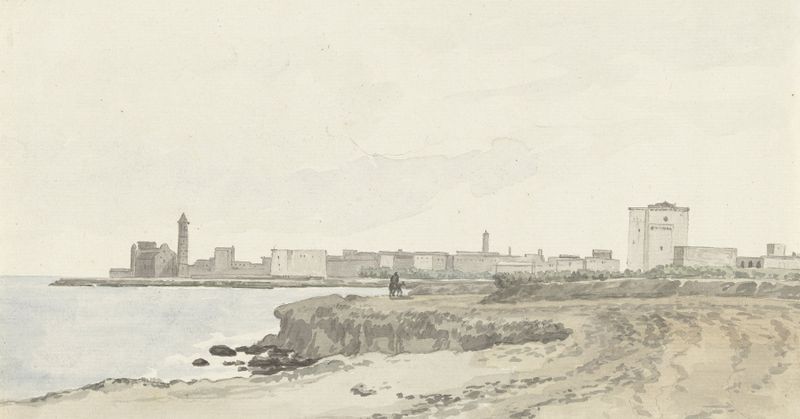
Gezicht op Trani gelegen aan de kust
Abraham-Louis-Rodolphe Ducros
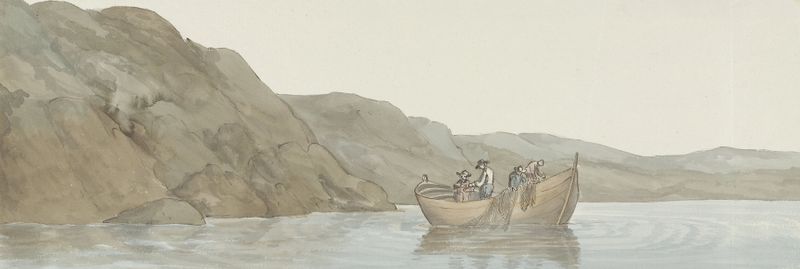
Gezicht op Kaap Paceco in Calabrië nabij de stad Scilla
Abraham-Louis-Rodolphe Ducros
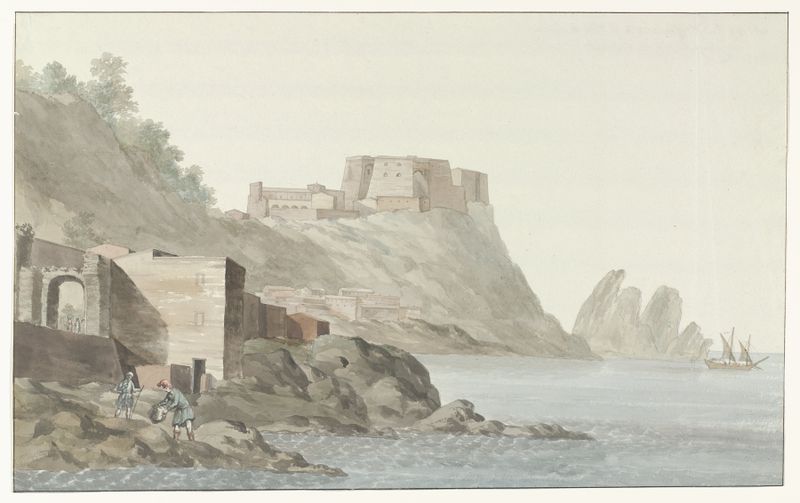
Rots en stad Scilla in de regio Calabrië aan de oostkust
Abraham-Louis-Rodolphe Ducros
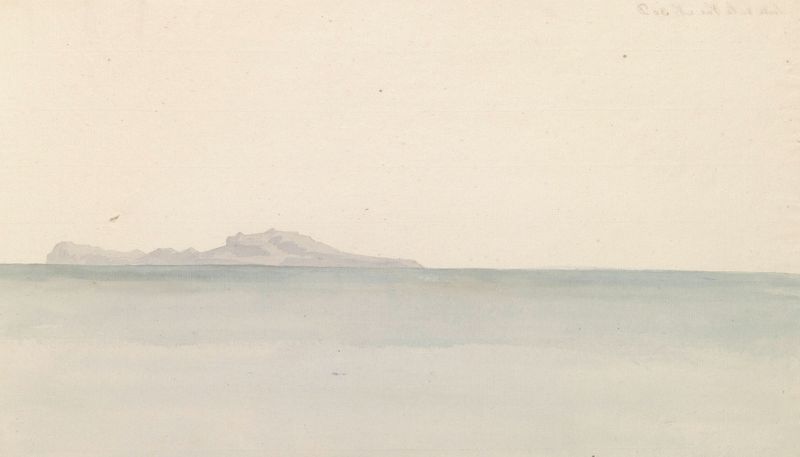
Gezicht op Golf van Napels vanaf kade bij kerk Santa Maria del Carmine
Abraham-Louis-Rodolphe Ducros
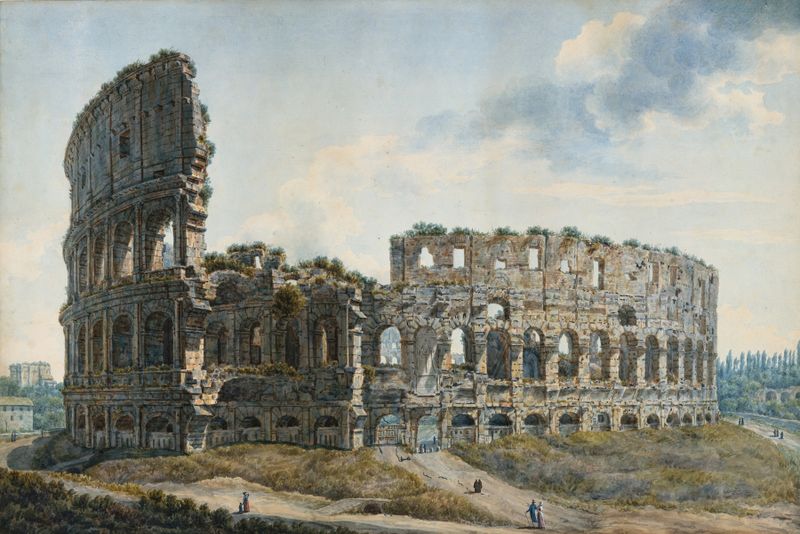
The Colosseum, Rome.
Abraham-Louis-Rodolphe Ducros
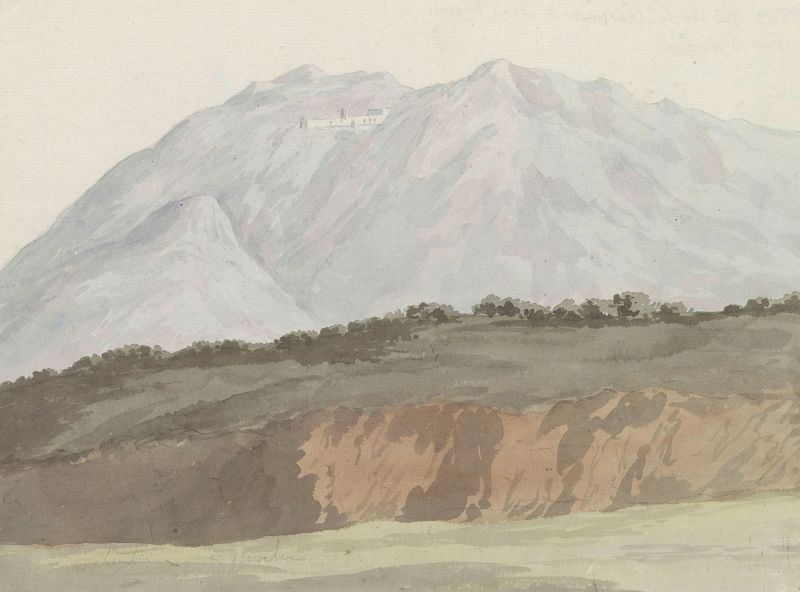
Gezicht op kartuizerklooster van Monte Vergine hoog gelegen boven Avellino
Abraham-Louis-Rodolphe Ducros
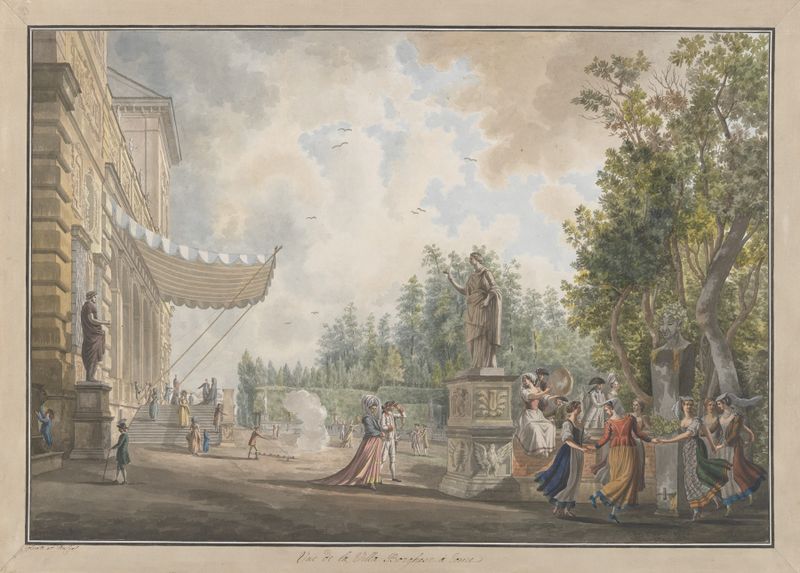
Villa Borghese
Abraham-Louis-Rodolphe Ducros
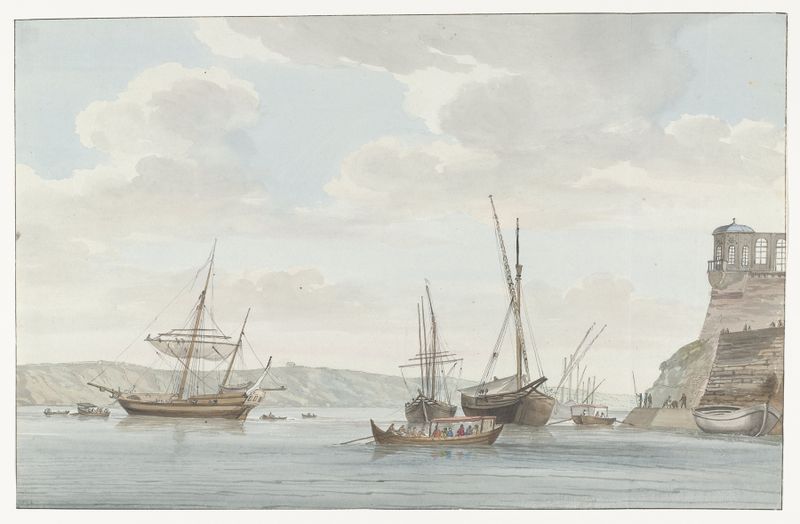
Tuinhuis van de Jardin du Grand Maître uittorend boven de haven met galei schepen op Malta
Abraham-Louis-Rodolphe Ducros
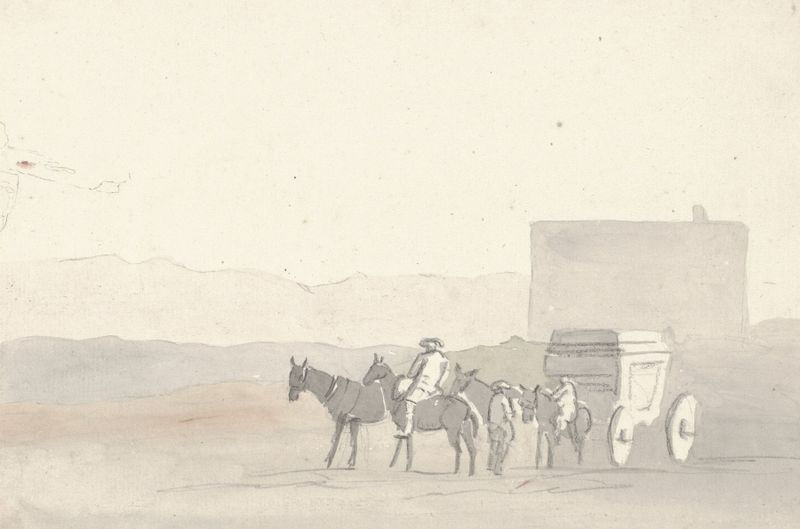
Halteplaats onderweg voor aankomst in Terracina
Abraham-Louis-Rodolphe Ducros
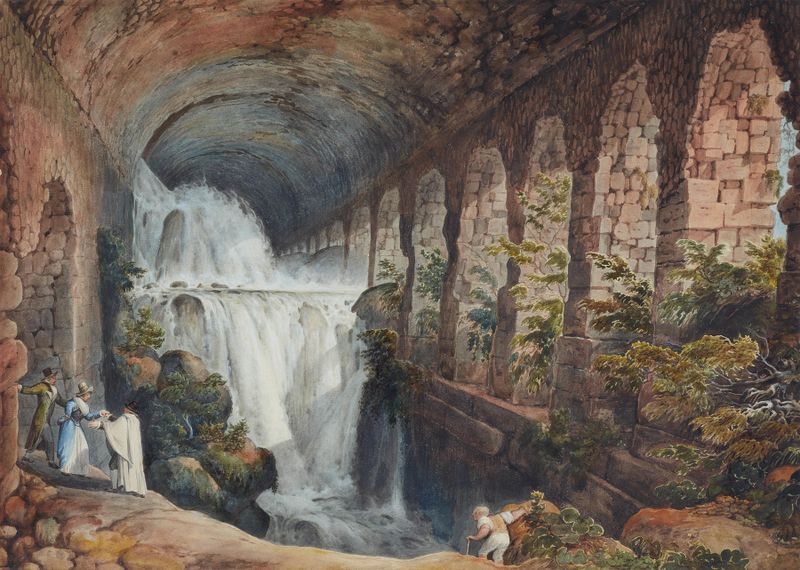
Aquädukt unter der Villa des Maecenas in Tivoli
Abraham-Louis-Rodolphe Ducros





